
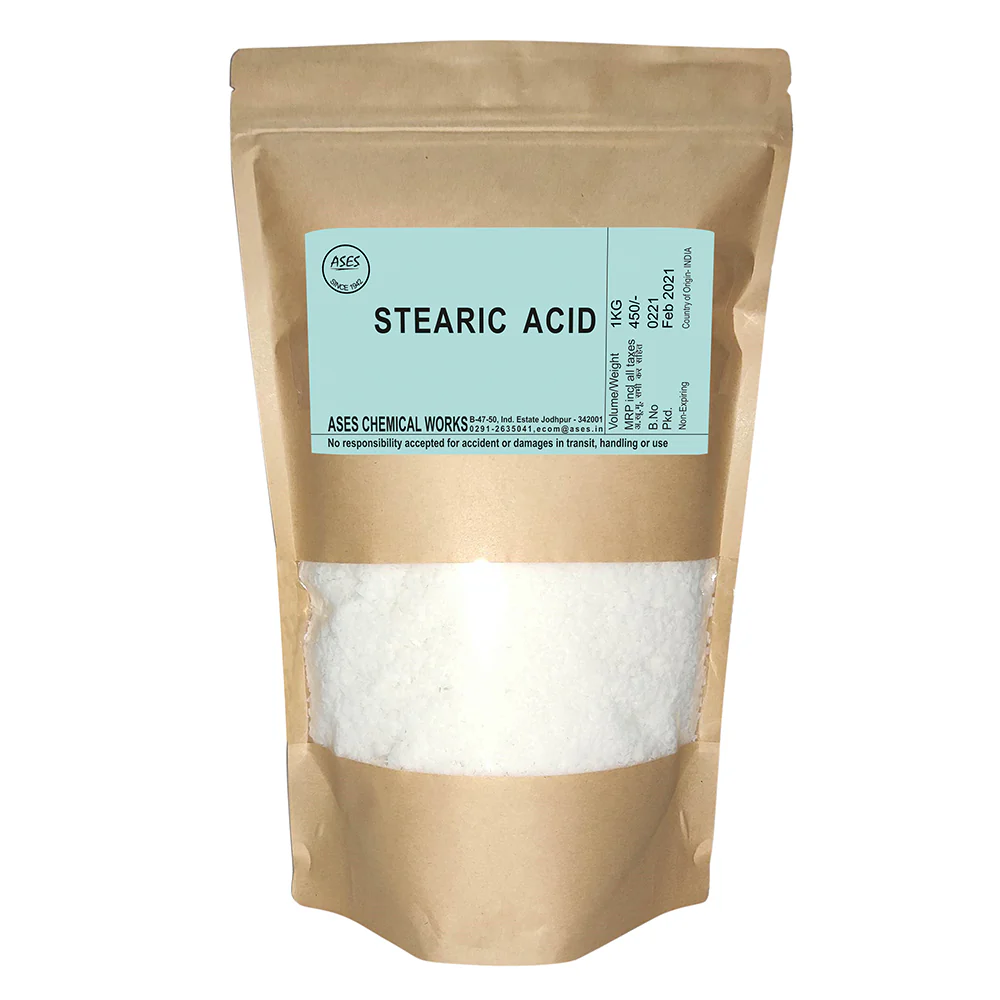
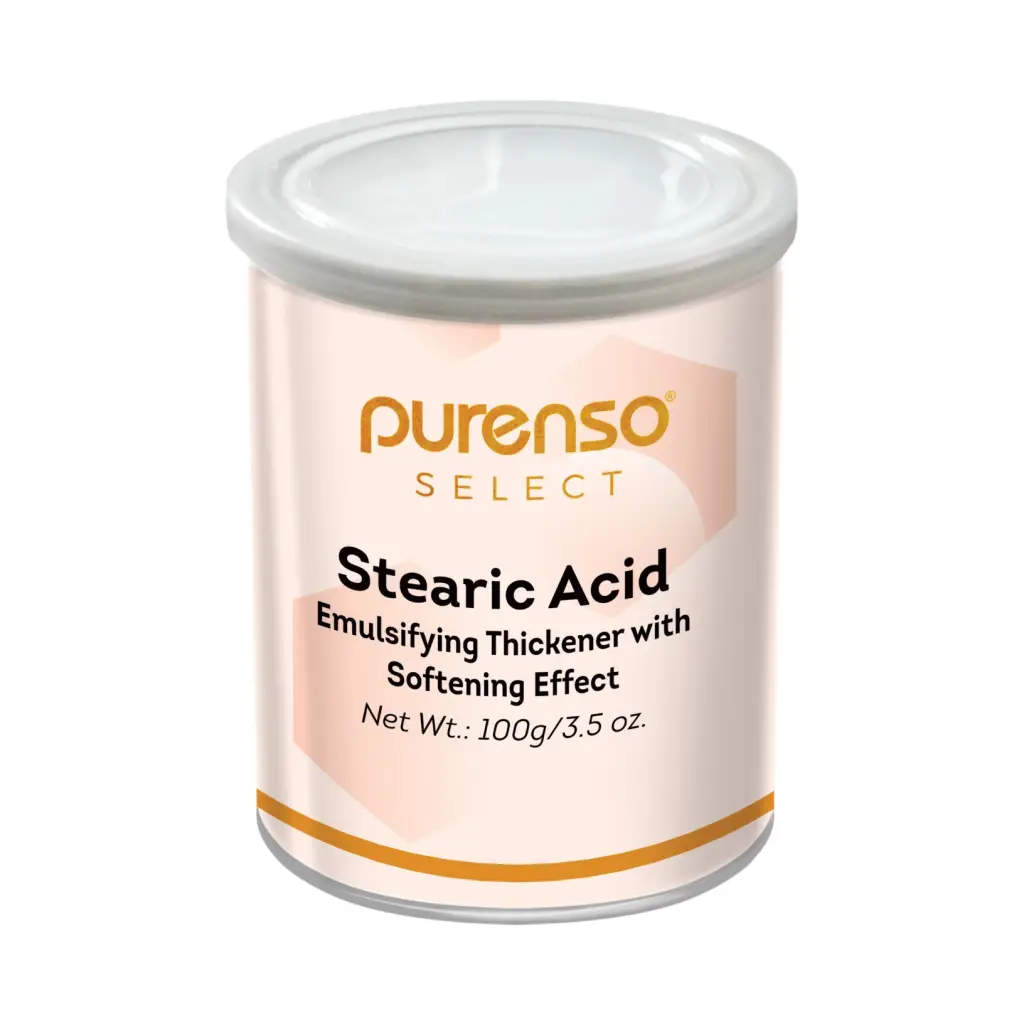
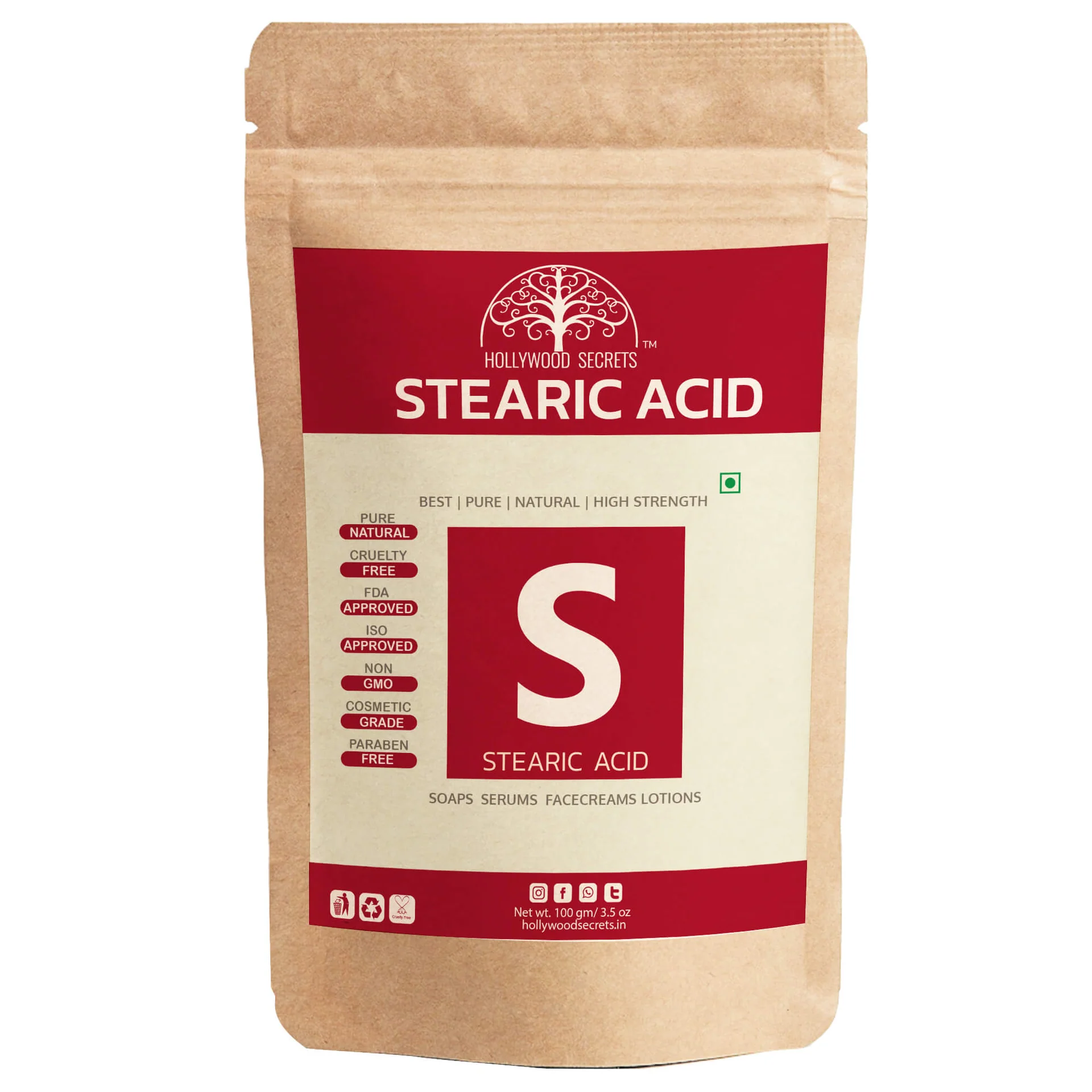
Description
Stearic Acid: The Unsung Hero of Everyday Life
Stearic acid, a saturated fatty acid, might not be a household name, but it’s a silent workhorse contributing to countless products we use daily. From the smooth texture of our lotions to the long-lasting burn of our candles, stearic acid plays a vital role. This article delves into the fascinating world of stearic acid, exploring its origins, properties, applications, and even its potential environmental considerations.
What is Stearic Acid?
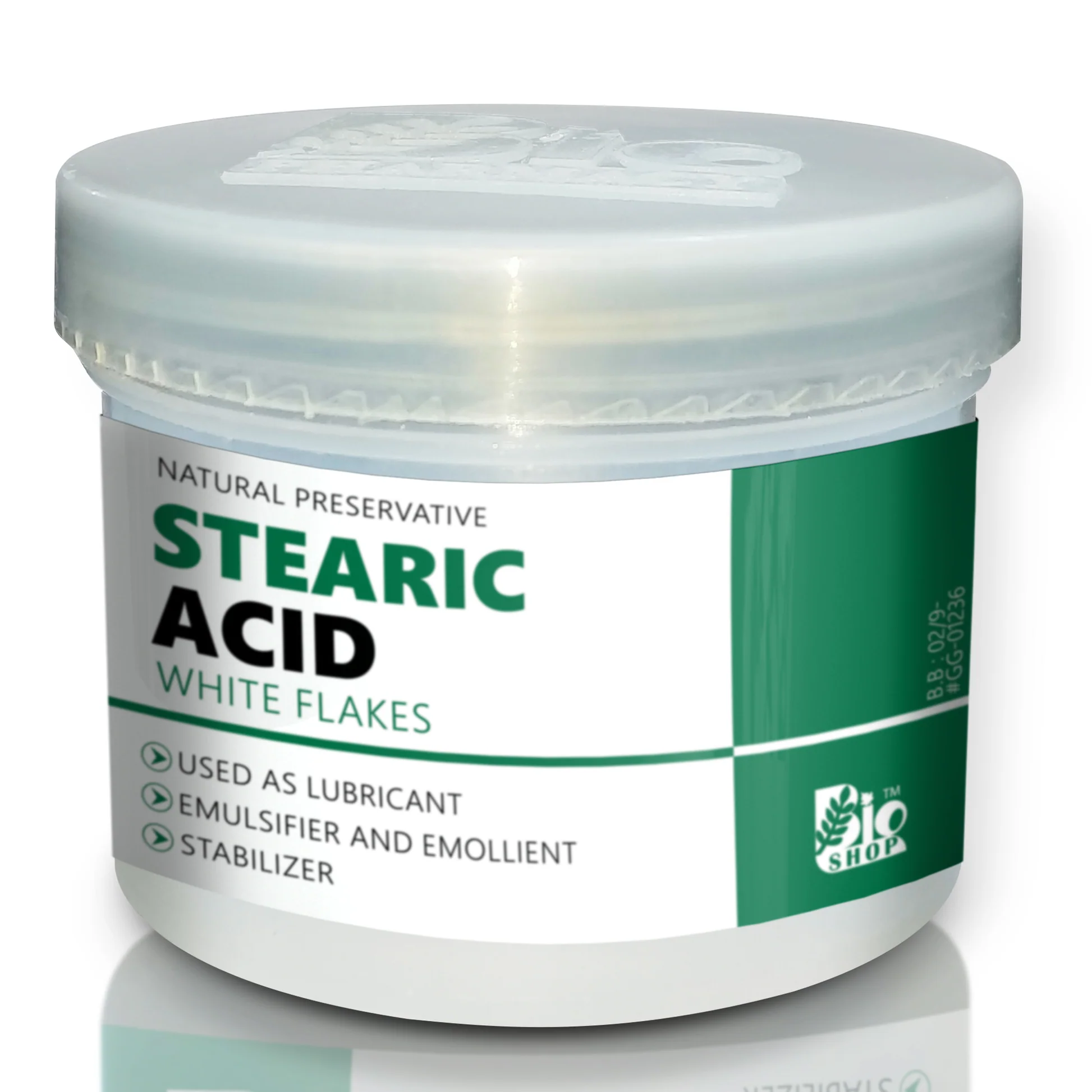
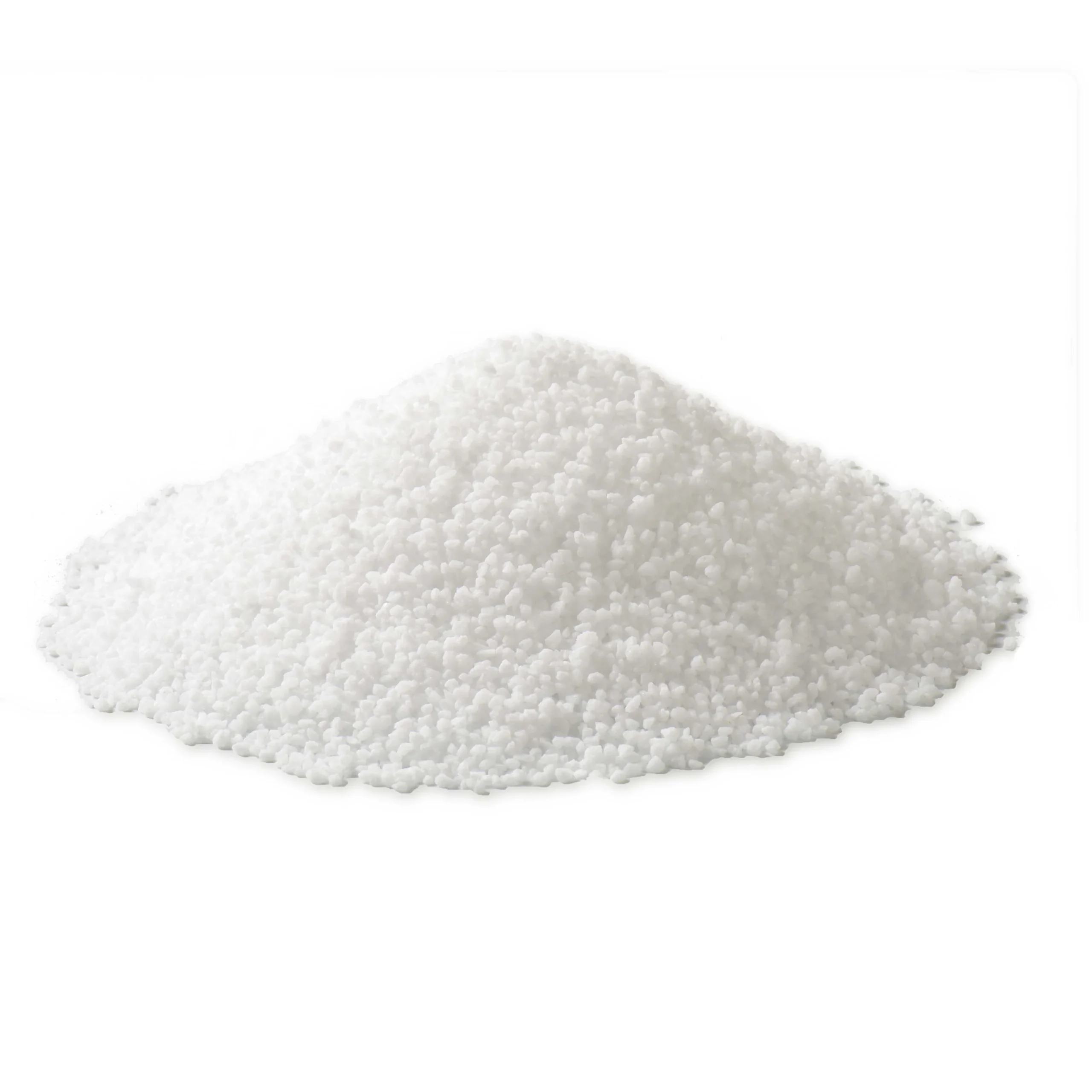
Stearic acid, chemically known as octadecanoic acid, belongs to the family of long-chain fatty acids. It’s a waxy, solid substance at room temperature and is found naturally in both animal and vegetable fats. Its name derives from the Greek word “stear,” meaning tallow, reflecting its historical source.
Where Does Stearic Acid Come From?
Historically, stearic acid was primarily extracted from animal fats through a process called saponification. This involves reacting fats with a strong alkali, like lye, to produce soaps and glycerol. The soap is then acidified, releasing the fatty acids, including stearic acid.
Today, stearic acid is also derived from vegetable sources such as palm oil, shea butter, and coconut oil. This makes it possible to produce vegan and vegetarian-friendly products containing stearic acid.
Key Properties of Stearic Acid:
Stearic acid’s properties make it incredibly versatile:
- Solid at Room Temperature: Its solid form contributes to the stability and structure of many products.
- Emulsifying Agent: It helps to blend oil and water, creating stable emulsions in creams, lotions, and cosmetics.
- Lubricant: Stearic acid reduces friction in various applications, making it a key ingredient in molding and processing of plastics and rubber.
- Thickener: It increases the viscosity of liquids, providing a desired consistency in products like candles and shaving creams.
- Stabilizer: It helps to prevent the degradation or separation of ingredients in various formulations.
A World of Applications:
Stearic acid’s versatility translates to a vast range of applications across numerous industries:
- Cosmetics and Personal Care: It is used to thicken, stabilize, and emulsify creams, lotions, soaps, shampoos, and conditioners. It contributes to the smooth and creamy texture of these products.
- Candles: Stearic acid hardens the wax and improves the burn quality of candles, leading to a cleaner and longer-lasting flame.
- Plastics and Rubber: It acts as a lubricant and release agent in the manufacturing of plastics and rubber products, preventing sticking and facilitating molding.
- Pharmaceuticals: Stearic acid is used as a binder, lubricant, and film coating agent in the manufacture of tablets and capsules.
- Food Industry: Although naturally occurring, stearic acid is sometimes used as a food additive, acting as a release agent or lubricant in processed foods.
- Detergents: It is a component in some detergents and cleaning products, contributing to their cleaning power and stability.
Environmental Considerations:
While stearic acid is generally considered safe and biodegradable, its sourcing can raise environmental concerns. The production of palm oil, a major source of vegetable-derived stearic acid, has been linked to deforestation and habitat destruction.
Consumers are increasingly seeking products with sustainably sourced stearic acid. Look for certifications like the Roundtable on Sustainable Palm Oil (RSPO) to ensure that the stearic acid used is sourced responsibly and minimizes environmental impact.
In Conclusion:
Stearic acid is a multifaceted ingredient that plays a crucial role in a wide array of products we encounter daily. Its unique properties make it invaluable across diverse industries, from cosmetics and personal care to plastics and pharmaceuticals. While sourcing concerns exist, the shift towards sustainable practices and the availability of vegetable-derived alternatives are paving the way for responsible use of this essential compound. So, next time you reach for your favorite lotion or light a candle, remember the unsung hero, stearic acid, working silently behind the scenes.

Reviews
There are no reviews yet.