
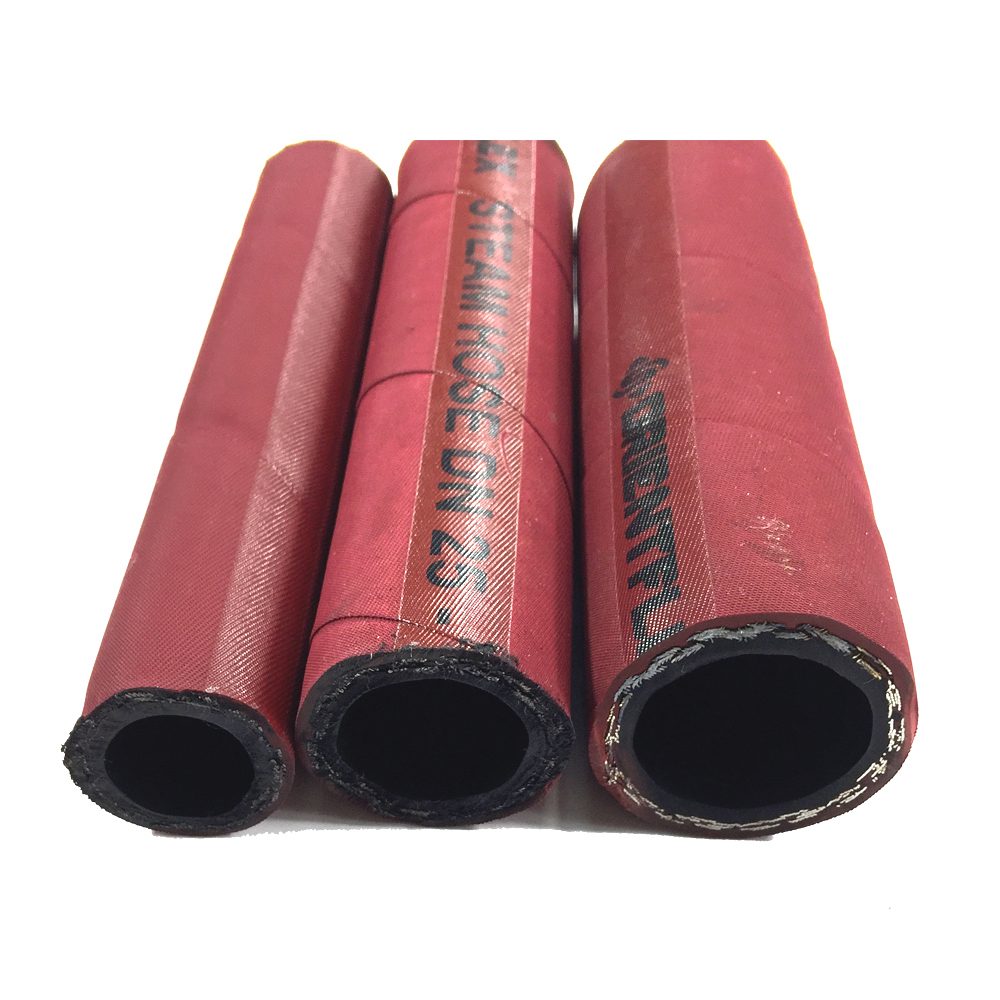
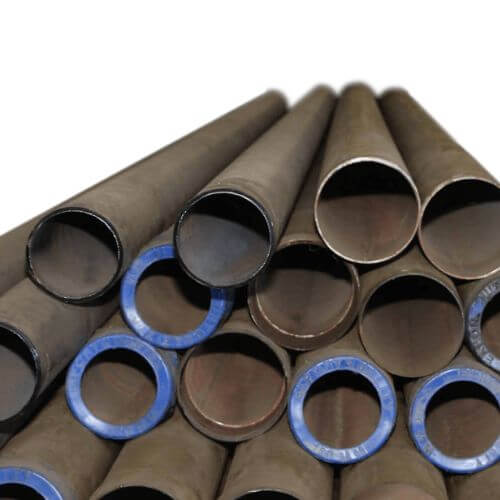
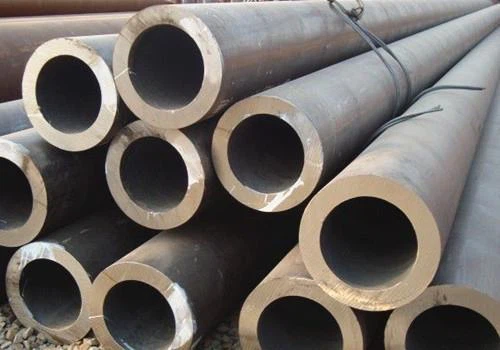
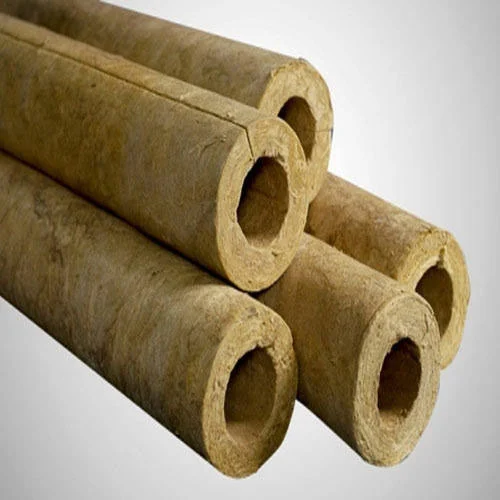
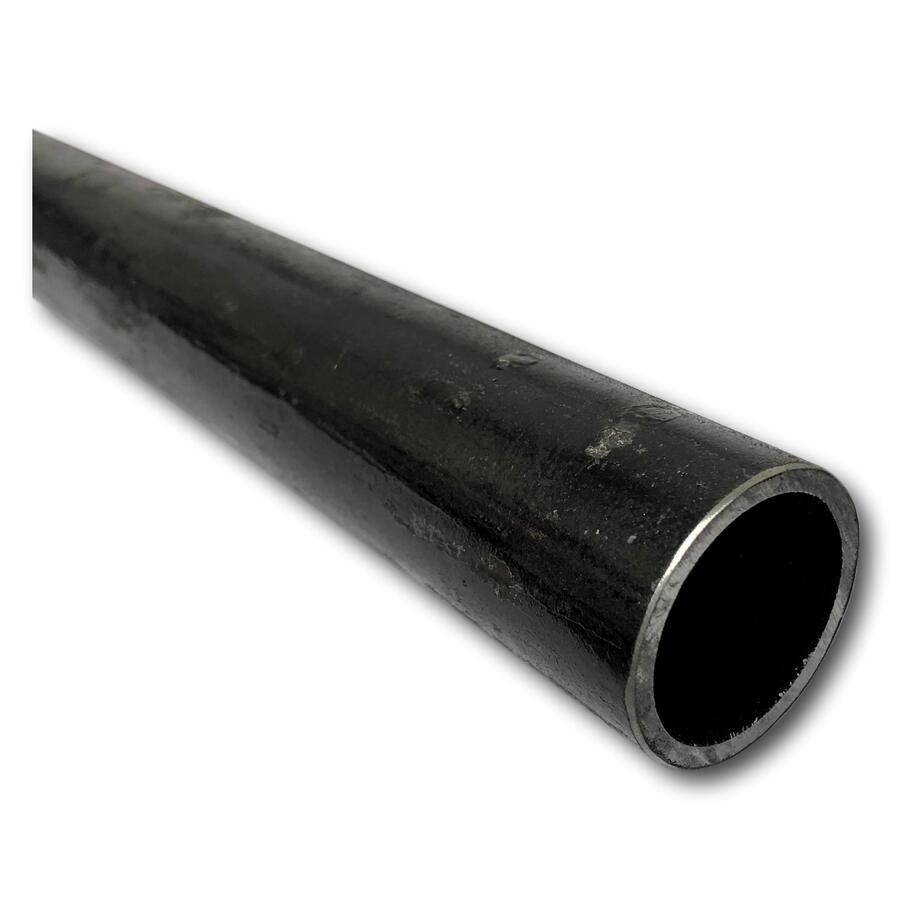
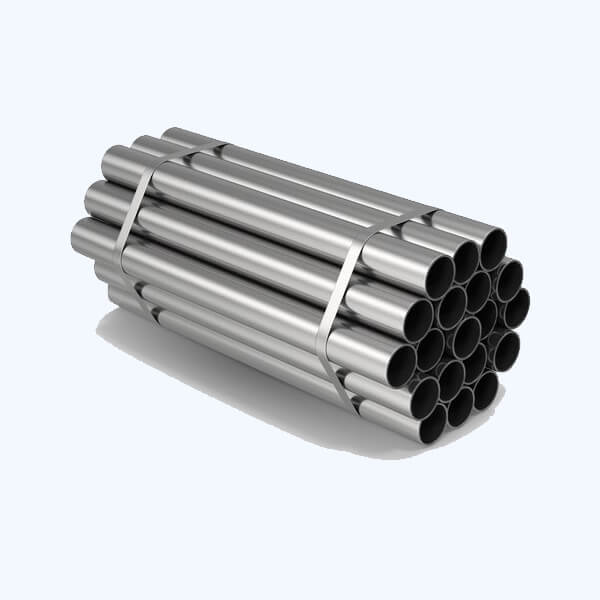
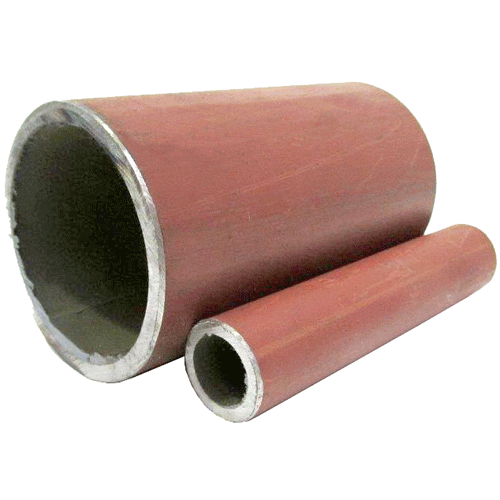
Description
The Unsung Heroes Beneath Our Feet: A Look at Steam Pipes
We often take for granted the infrastructure that powers our modern lives. Electricity, water, and gas are readily available at the flick of a switch or turn of a valve. But beneath the sidewalks, often humming with a low, almost imperceptible thrum, lies another vital system: steam pipes. These often-overlooked arteries deliver heat and power to buildings across bustling cities, playing a crucial role in our daily comfort and economy.
From powering iconic skyscrapers to heating apartment complexes, steam pipes are a testament to engineering ingenuity and a vital component of urban life. But what are they, how do they work, and why are they so important, even in the 21st century?
A History Steamed in Progress:
The history of steam pipes dates back to the late 19th century, a time of rapid industrialization and urbanization. Faced with increasing demands for heating and power, engineers sought a more efficient and centralized solution than individual boilers in each building. The answer was a network of underground pipes delivering steam, generated in centralized plants, directly to consumers.
This innovation revolutionized heating and power delivery, particularly in densely populated areas. Cities like New York, Boston, and Philadelphia embraced steam pipe systems, fueling the growth of skyscrapers and enabling consistent, reliable heating throughout the winter months.
How Steam Pipes Work: A Closed-Loop System:
The operation of steam pipes is a relatively simple yet effective process. Water is heated to boiling point in a centralized power plant, producing high-pressure steam. This steam is then transported through insulated underground pipes to buildings throughout the city.
Within the buildings, the steam is used to generate heat for radiators, hot water systems, and even electricity through steam turbines in some cases. Once the steam has released its heat, it condenses back into water and is returned to the power plant through a separate network of pipes, completing the cycle.
This closed-loop system offers several advantages:
- Efficiency: Centralized steam production is often more efficient than individual boilers, reducing fuel consumption and emissions.
- Reliability: A networked system provides a more reliable source of heat and power compared to individual units that can fail.
- Space Saving: Eliminates the need for individual boilers in each building, freeing up valuable space.
- Reduced Pollution: Concentrating emissions in a central plant allows for better pollution control compared to numerous individual boilers.
The Challenges and the Future:
While steam pipes offer significant benefits, they also face challenges.
- Maintenance: The aging infrastructure of many steam pipe systems requires ongoing maintenance and repairs. Leaks, often indicated by plumes of steam escaping from manholes, can be costly and potentially dangerous.
- Efficiency Improvements: Modernizing steam pipe systems with better insulation and more efficient generation technologies is crucial for reducing energy waste and improving overall performance.
- Transitioning to Sustainable Sources: Integrating renewable energy sources like geothermal and solar thermal into steam pipe systems can further reduce their environmental impact.
Looking to the future, steam pipes are likely to play a continued role in urban heating and cooling. As cities strive for sustainability and efficiency, modernizing and optimizing these systems, while exploring integration with renewable energy sources, will be essential.
More Than Just Hot Air:
Steam pipes are more than just conduits for heat. They represent a legacy of innovation and a commitment to efficient urban infrastructure. While often unseen and underappreciated, these unsung heroes beneath our feet play a vital role in powering and heating our cities, ensuring comfort and contributing to a more sustainable future. So the next time you see a plume of steam rising from a manhole, remember the complex and vital network that lies beneath, quietly working to keep our cities running.


Reviews
There are no reviews yet.