

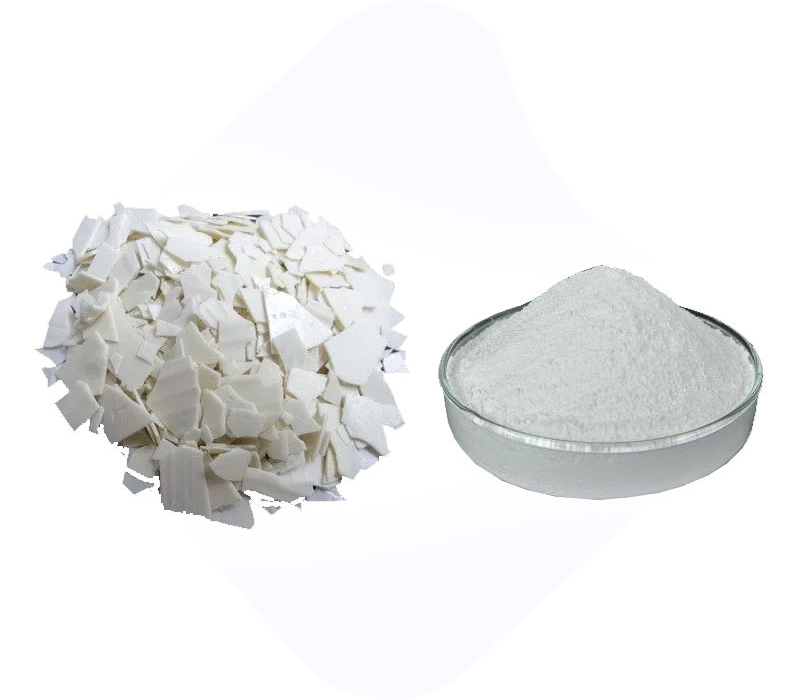

Description
Chemical Stabilizers: Guardians of Product Performance and Longevity
In a world demanding ever-increasing product performance and shelf life, chemical stabilizers play a crucial, yet often unseen, role. These compounds act as guardians, protecting a vast array of materials from degradation caused by environmental factors like heat, light, oxidation, and microbial attack. From the plastics in your car to the food on your plate, chemical stabilizers are working behind the scenes to ensure quality, safety, and longevity.
What Are Chemical Stabilizers?
Chemical stabilizers are additives incorporated into a material to prevent or slow down its deterioration. This deterioration can manifest in various ways, including:
- Discoloration: Changes in color due to chemical reactions.
- Brittleness or Cracking: Loss of flexibility and structural integrity.
- Degradation of Performance: Decline in desired properties like strength, elasticity, or insulation.
- Rancidity (Food): Development of unpleasant tastes and odors.
- Microbial Growth: Proliferation of bacteria, fungi, or other microorganisms.
Stabilizers work by interfering with the mechanisms that cause degradation. Their specific mode of action depends on the type of stabilizer and the material they protect, but common mechanisms include:
- Antioxidants: These sacrifice themselves to react with free radicals, preventing them from attacking the main material.
- UV Absorbers: They absorb harmful ultraviolet (UV) radiation from sunlight, preventing it from initiating degradation reactions.
- Heat Stabilizers: They prevent thermal degradation by neutralizing acidic byproducts or interfering with decomposition pathways.
- Biocides/Antimicrobials: They inhibit the growth of microorganisms that can cause spoilage or degradation.
A Diverse Family of Stabilizers
The types of chemical stabilizers are as varied as the materials they protect. Some key categories include:
- Plastic Stabilizers: Essential for extending the lifespan of plastics used in everything from packaging and construction materials to automotive parts and medical devices. Common types include heat stabilizers, light stabilizers (UV absorbers), and antioxidants.
- Food Stabilizers: Used to maintain food texture, prevent separation, and inhibit microbial growth. Examples include emulsifiers, thickeners, preservatives, and antioxidants.
- Cosmetic Stabilizers: Protect cosmetic formulations from degradation, maintaining their appearance, texture, and efficacy. Examples include antioxidants, preservatives, and UV filters.
- Petroleum Stabilizers: Crucial for preventing the formation of gums and sludge in fuels and lubricants, ensuring efficient engine performance.
- Pharmaceutical Stabilizers: Maintain the potency and effectiveness of drugs by preventing degradation due to oxidation, hydrolysis, or temperature changes.
Applications Across Industries
The application of chemical stabilizers spans virtually every industry:
- Plastics Industry: Enhancing the durability and weather resistance of plastic products.
- Food Industry: Extending shelf life, maintaining food quality, and preventing spoilage.
- Cosmetics Industry: Ensuring the stability and longevity of cosmetic formulations.
- Pharmaceutical Industry: Guaranteeing the potency and efficacy of medications.
- Petroleum Industry: Maintaining the quality and performance of fuels and lubricants.
- Paints and Coatings Industry: Preventing degradation and extending the lifespan of coatings.
- Textile Industry: Protecting fabrics from fading, discoloration, and degradation.
Considerations and Future Trends
While chemical stabilizers offer significant benefits, it’s crucial to consider their potential impact on human health and the environment. Some stabilizers have raised concerns regarding toxicity, environmental persistence, and endocrine disruption. This has fueled research and development efforts focused on:
- Bio-based Stabilizers: Developing stabilizers derived from renewable resources.
- Less Toxic Alternatives: Replacing existing stabilizers with safer alternatives.
- Sustainable Formulations: Designing formulations that require fewer stabilizers or minimize their environmental impact.
Conclusion: A Vital but Evolving Field
Chemical stabilizers are indispensable for maintaining the quality, performance, and longevity of a vast range of products. Their role is often unseen, but their impact is profound. As industries evolve and environmental awareness grows, the development and application of chemical stabilizers will continue to be driven by the need for safer, more sustainable, and more effective solutions. The future of this field lies in innovation and a commitment to balancing performance with responsibility.




Reviews
There are no reviews yet.