
Description
1. Product Overview
Spent Polypropylene Glycol Streams are secondary industrial glycol liquids generated from manufacturing processes that utilize polypropylene glycol (PPG) in chemical production, polymer synthesis, and process operations. These streams contain residual polypropylene glycol along with process-derived compounds, making them valuable for recovery, energy use, or secondary industrial applications. They are widely utilized in chemical recycling, solvent recovery, fuel blending, and industrial processing where glycol-based materials are required. The key value proposition lies in offering a cost-efficient feedstock for downstream industries seeking functional glycol content without the cost of virgin materials. Strategically, these streams support circular chemical supply chains by enabling resource recovery while reducing industrial waste.
2. Key Specifications & Technical Characteristics
- Chemical Composition: Residual Polypropylene Glycol (PPG), Glycol Derivatives, Organic Process Residues, Trace Additives, Water
- Typical PPG Content: Varies by source stream, commonly 30–80%
- Purity/Grade: Industrial Grade (Recovered/Process Stream)
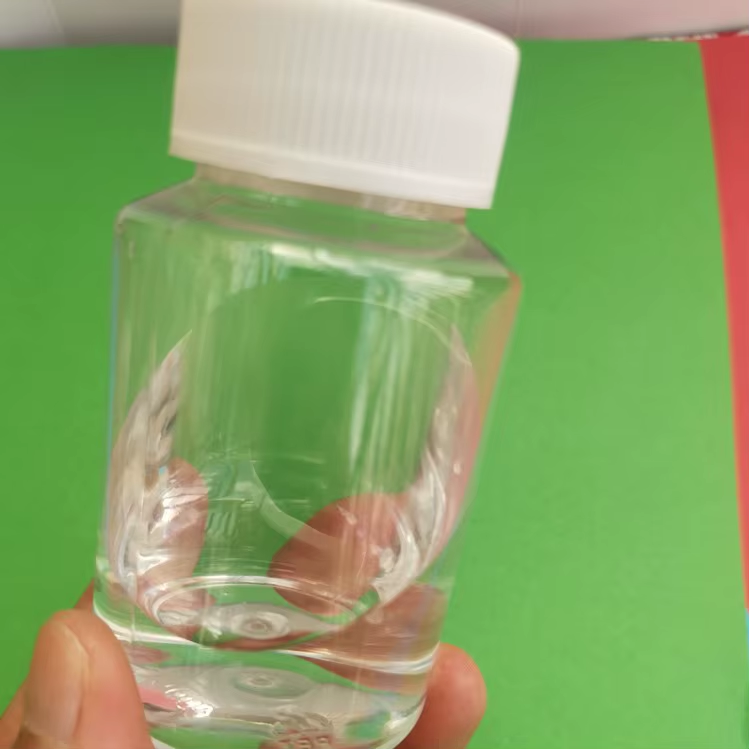
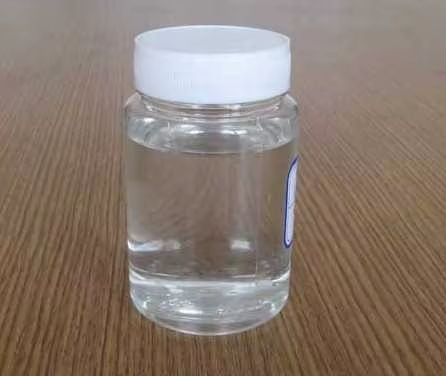
- Physical Form: Viscous Liquid
- Color: Clear to light amber or dark amber depending on origin
- Odor: Mild organic or glycol-like odor
- Density: Approximately 0.98 – 1.05 g/cm³
- Viscosity: Medium to high depending on molecular weight distribution
- Solubility: Miscible with many organic solvents; partially miscible with water depending on composition
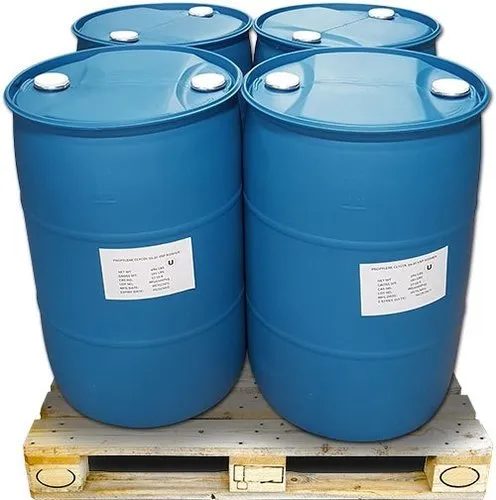
- Packaging Options: Bulk tankers, IBC totes (1000L), or industrial drums (200L)
- Shelf Life: Typically 12 months under sealed storage conditions
3. Core Industrial Applications
Chemical Recycling & Recovery Industry
Used as a feedstock for glycol recovery and purification processes where residual polypropylene glycol can be reclaimed and reintroduced into chemical manufacturing cycles.
Industrial Fuel Blending
Applied as a supplementary organic component in industrial fuel blends or energy recovery systems where high-calorific organic liquids are suitable for thermal utilization.
Polymer & Chemical Manufacturing
Utilized as a secondary raw material in the production of polyether derivatives, surfactants, and other chemical intermediates where strict virgin-grade specifications are not required.
Solvent & Process Fluid Applications
Employed in industrial operations where glycol-based liquids function as process carriers, lubricating additives, or viscosity modifiers.
Compared with virgin polypropylene glycol, spent streams provide a significant cost advantage for applications where full purification is unnecessary. Their residual glycol content offers functional performance while supporting lower raw material procurement costs.
4. Competitive Advantages
- Quality Consistency: Sourced from controlled industrial processes ensuring predictable composition profiles suitable for downstream applications
- Supply Reliability: Continuous generation from chemical manufacturing operations supports stable and repeatable supply volumes
- Logistics Capability: Bulk liquid handling, global container shipping, and industrial packaging options ensure efficient international distribution
- Price Competitiveness: Provides substantial cost savings compared to virgin polypropylene glycol or refined glycol products
- Sustainability Benefits: Supports circular chemical economy initiatives by enabling recovery, reuse, and energy utilization of industrial glycol streams
- Technical Documentation: Product specifications, safety data sheets, and handling guidelines available for industrial buyers and compliance requirements
5. Commercial & Supply Information
- Minimum Order Quantity (MOQ): BULK 20 MT
- Loading Capacity: 20–24 MT per 20’ container depending on packaging configuration
Reviews
There are no reviews yet.