
Description
1. Product Overview
Spent Glycol Streams are recovered industrial process liquids containing used glycol compounds generated from operations such as gas dehydration, antifreeze systems, polymer processing, and chemical manufacturing. These streams typically consist of glycols—such as monoethylene glycol (MEG), diethylene glycol (DEG), or triethylene glycol (TEG)—combined with water and process-derived impurities. They serve as valuable secondary feedstock for glycol recovery, solvent recycling, energy recovery, and industrial chemical processing. By enabling efficient reclamation and reuse of glycol compounds, Spent Glycol Streams provide a cost-effective sourcing option for recyclers and chemical processors. Their strategic importance lies in supporting circular chemical supply chains while reducing disposal costs and environmental impact.
2. Key Specifications & Technical Characteristics
- Chemical Composition: Mixture of Glycols (MEG, DEG, TEG depending on source), Water, Trace Hydrocarbons, Organic Residues, Process Contaminants
- Glycol Content: Typically 30–85% total glycol content (varies by source stream)
- Purity/Grade: Industrial By-product / Recovery Grade
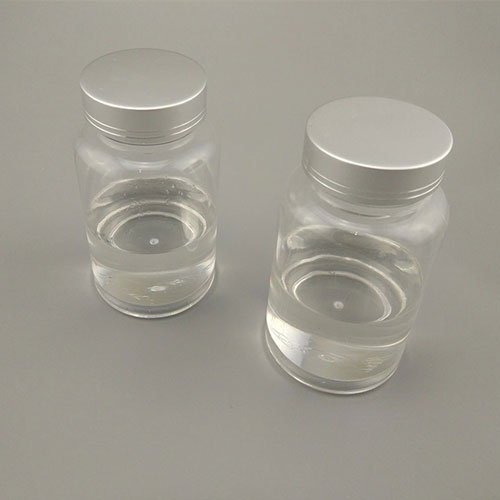
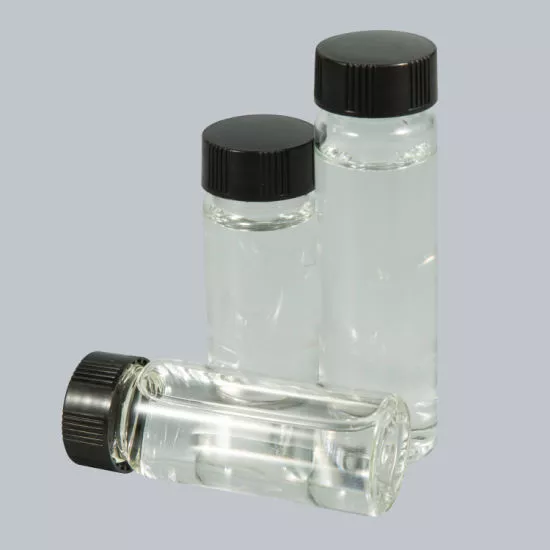
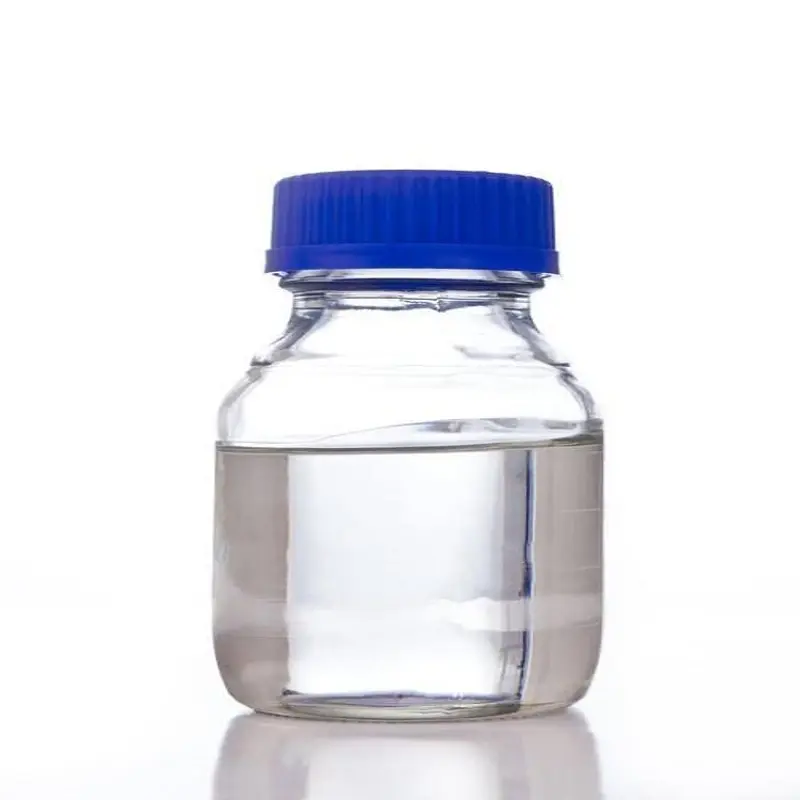
- Physical Form: Liquid
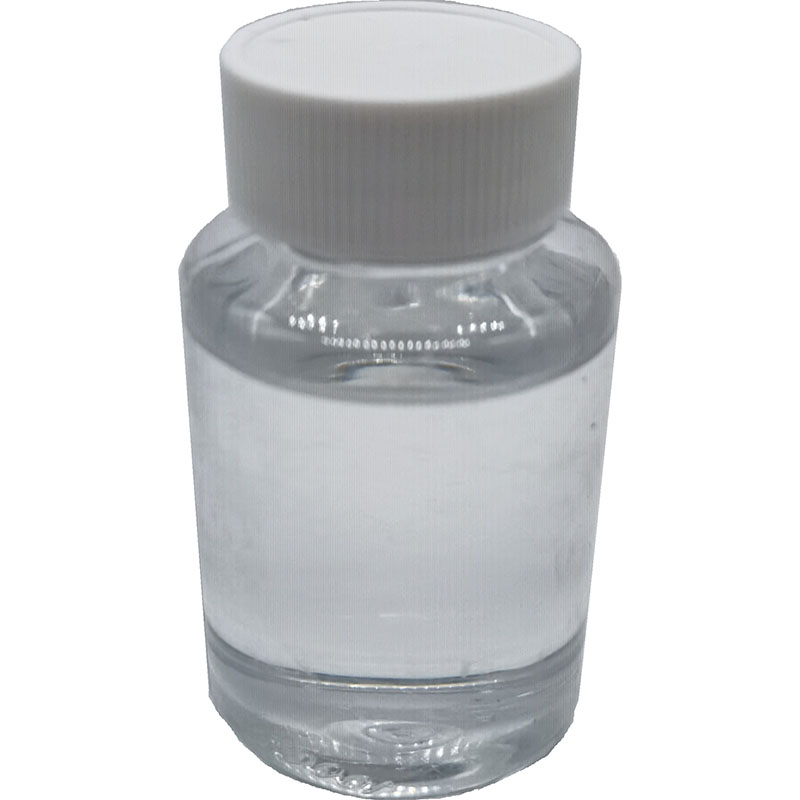
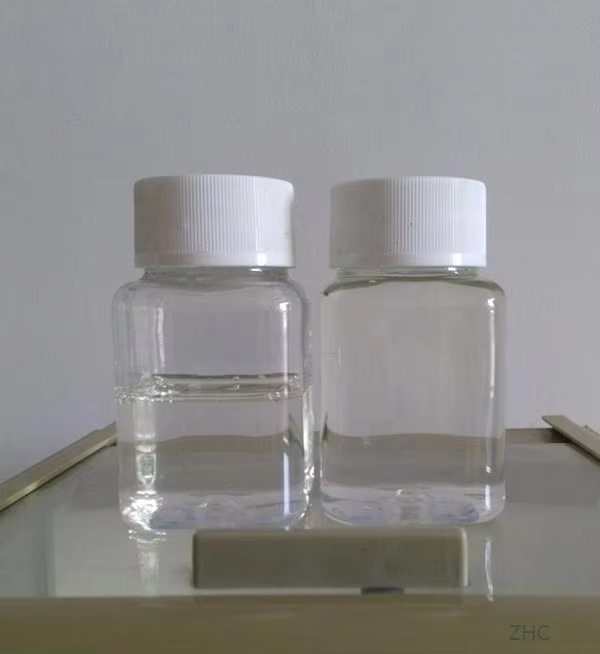
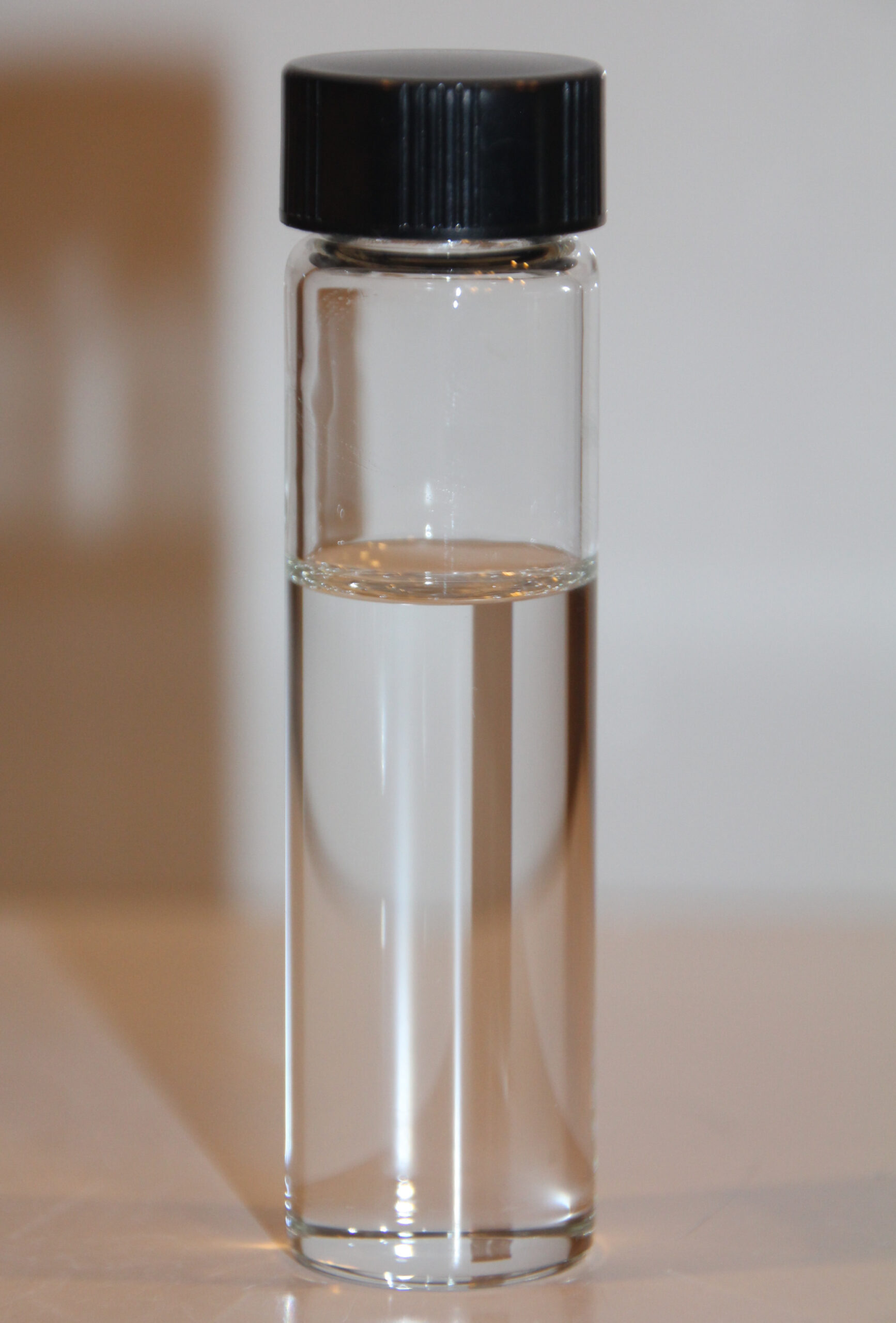
- Color: Clear to dark amber depending on contamination level
- Odor: Mild chemical odor characteristic of glycol mixtures
- Density: Approximately 1.03 – 1.12 g/cm³
- Solubility: Fully miscible with water
- Boiling Range: Typically 190–285°C depending on glycol composition
- Packaging Options: Bulk tanker trucks, IBC totes, or industrial drums (200L)
- Shelf Life: Stable for extended storage when kept in sealed containers away from contamination
3. Core Industrial Applications
Chemical Recycling & Glycol Recovery Industry
Spent Glycol Streams are widely used by chemical recovery facilities that distill and purify glycol compounds for reuse in industrial applications. The recovery process allows valuable glycols to be reclaimed at significantly lower cost compared with virgin production.
Oil & Gas Processing
Refineries and gas processing plants utilize recovered glycols from spent streams for gas dehydration systems and other solvent-based processes after reconditioning.
Industrial Solvent Recovery
The streams serve as feedstock for solvent recycling operations where glycols are separated and refined for reuse in heat transfer fluids, antifreeze formulations, and polymer manufacturing.
Energy Recovery & Industrial Fuel Blending
In certain facilities, glycol-rich waste streams are utilized as supplemental fuel in controlled industrial combustion systems designed to recover energy value.
Compared with purchasing virgin glycols, Spent Glycol Streams offer significant economic benefits for companies equipped with purification or recycling capabilities. Their reuse supports lower operational costs and improved resource efficiency.
4. Competitive Advantages
- Quality Consistency: Sourced from established industrial processes with traceable composition profiles
- Supply Reliability: Continuous generation from chemical plants, refineries, and gas processing operations ensures consistent availability
- Logistics Capability: Bulk liquid handling infrastructure supports international shipment via tank containers and drums
- Price Competitiveness: Significantly lower cost feedstock compared with virgin glycol products
- Sustainability Benefits: Supports circular economy initiatives by enabling glycol recovery and reducing chemical waste disposal
- Technical Documentation: Material specifications and safety documentation available to facilitate industrial procurement and compliance
5. Commercial & Supply Information
- Minimum Order Quantity (MOQ): BULK 20 MT
- Loading Capacity: 20–24 MT per 20’ container depending on packaging configuration

Reviews
There are no reviews yet.