
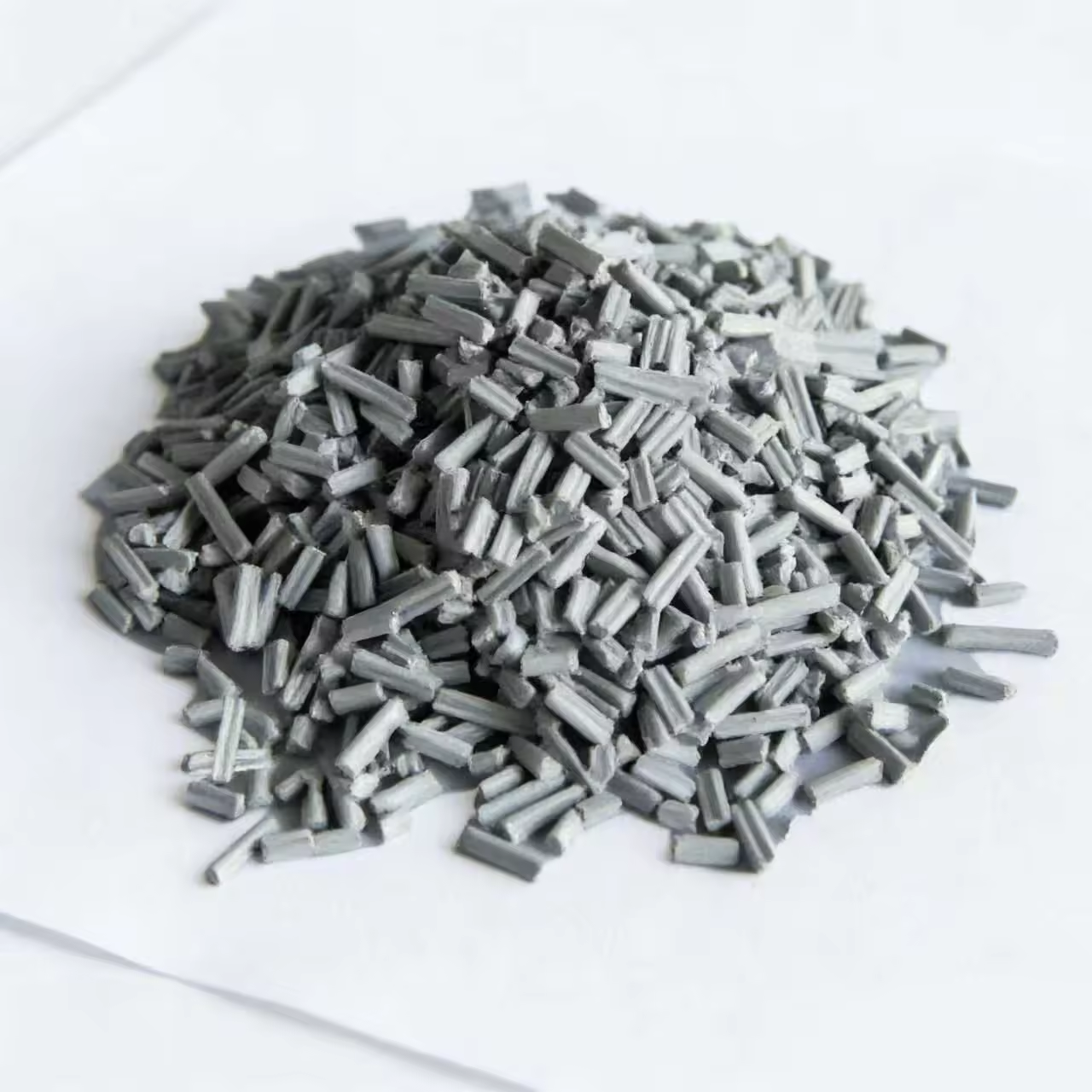
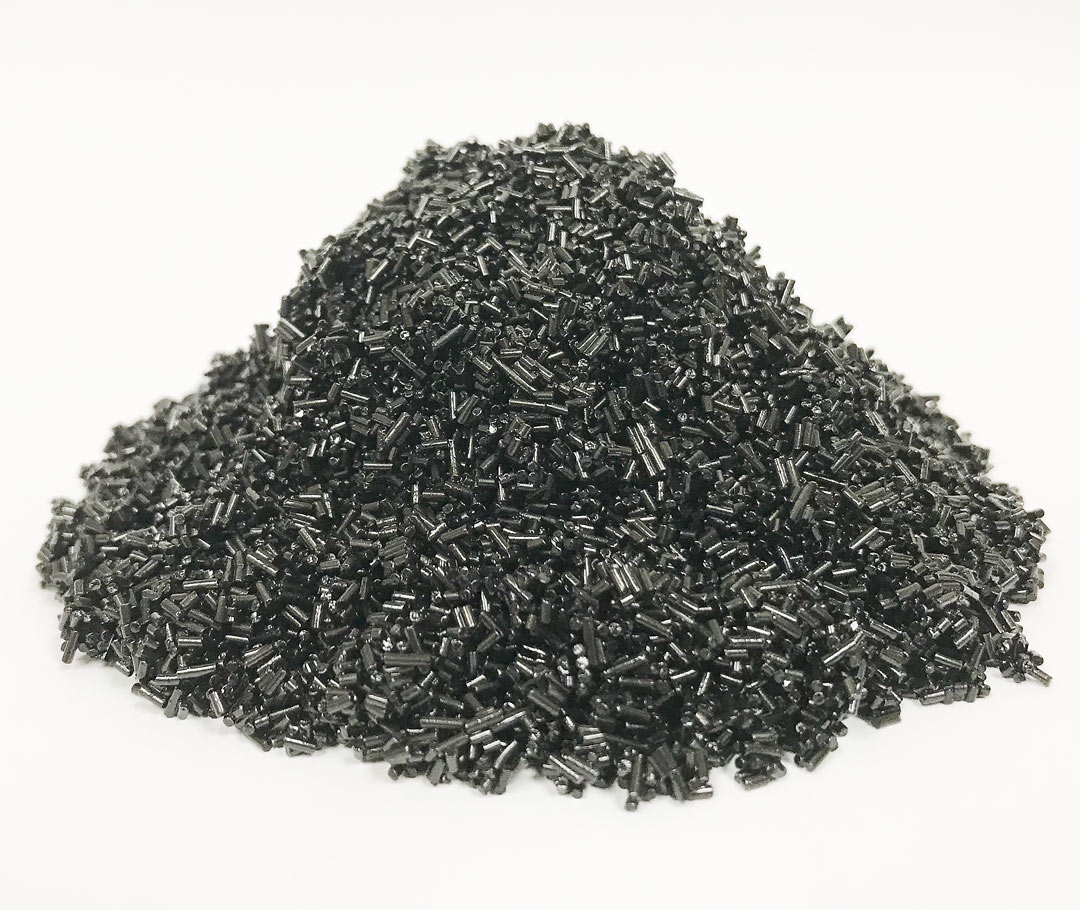
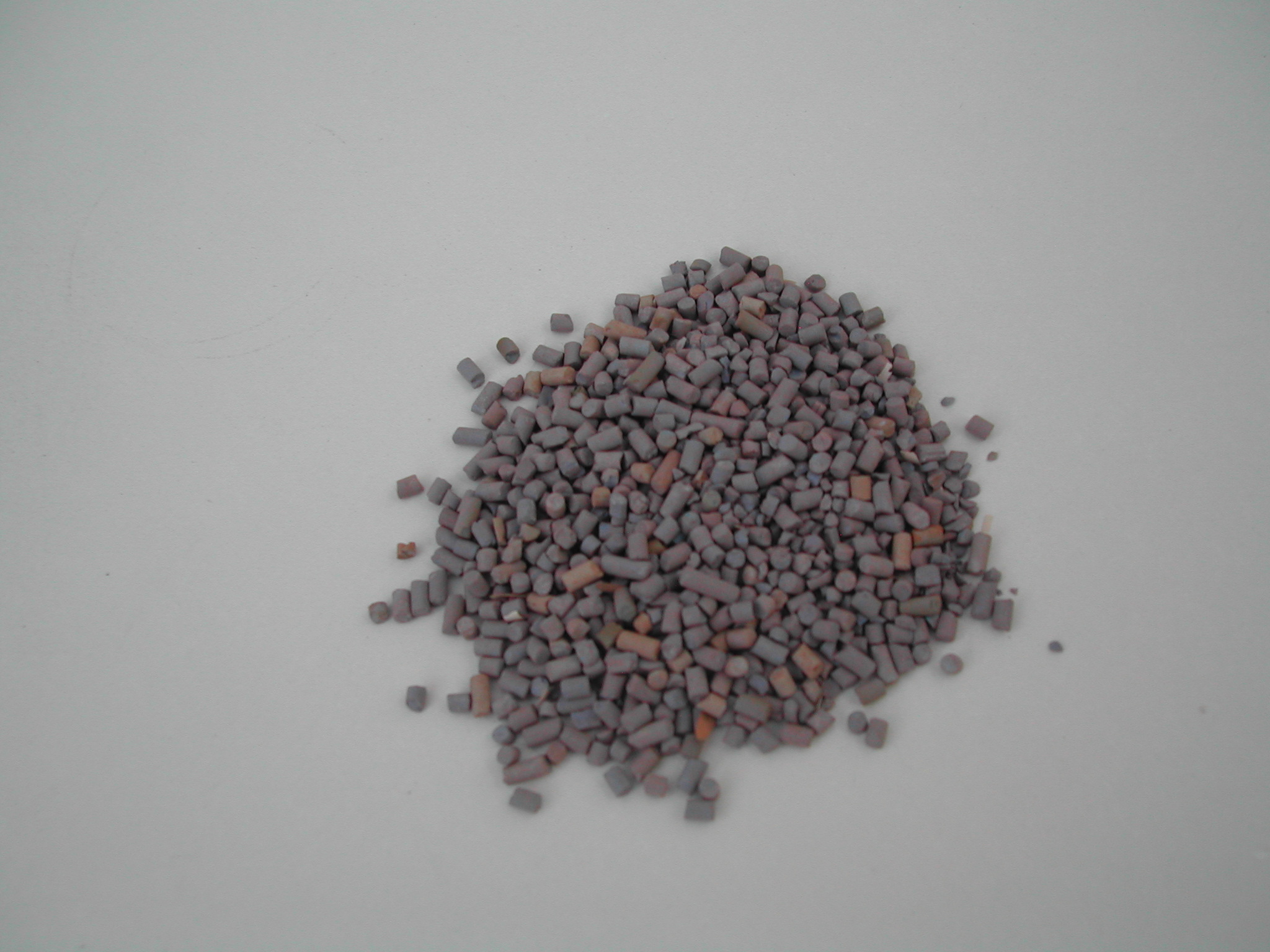
Description
1. Product Overview
Spent Catalyst Slurry is a by-product stream generated from refinery and petrochemical catalytic processes, consisting of fine catalyst particles suspended in a liquid medium. Despite being classified as “spent,” the material retains valuable metal content and catalytic compounds that can be recovered, recycled, or repurposed in various industrial applications. It is widely utilized by metal recovery facilities, catalyst recyclers, and specialized processing plants seeking cost-effective secondary raw materials. The key value proposition lies in its recoverable metals and residual catalytic activity, offering a strategic feedstock for circular resource utilization and industrial cost optimization. As industries increasingly prioritize resource efficiency and waste valorization, Spent Catalyst Slurry plays a growing role in sustainable supply chains and industrial recycling ecosystems.
2. Key Specifications & Technical Characteristics
- Material Composition: Residual catalyst particles containing metals such as nickel, molybdenum, cobalt, vanadium, alumina, and silica (composition varies by source process)
- Purity / Grade: Industrial-grade secondary material; recoverable metal content varies by batch
- Physical Form: Semi-liquid slurry with fine suspended catalyst particles
- Color: Dark gray to black
- Particle Size: Typically micron-scale catalyst fines suspended in liquid phase
- Density: Variable depending on catalyst concentration and carrier liquid
- Moisture Content: Moderate to high depending on process origin
- Packaging Options:
- Bulk tank containers
- Industrial IBC containers
- Sealed steel drums
- Shelf Life: Stable under sealed storage conditions; recommended processing within standard industrial handling periods
3. Core Industrial Applications
Primary Industries:
- Petroleum refining and petrochemical recycling
- Catalyst regeneration and recovery facilities
- Metallurgical and hydrometallurgical processing plants
- Industrial waste valorization and materials recovery companies
Operational Use Cases:
- Recovery of valuable metals such as nickel, molybdenum, cobalt, and vanadium
- Feedstock for catalyst regeneration and recycling operations
- Secondary raw material for metallurgical extraction processes
- Processing in specialized chemical recovery systems
Performance & Commercial Value:
- Provides a cost-effective alternative to primary metal ores
- Enables efficient recovery of high-value metals from industrial by-products
- Supports circular economy initiatives by converting process waste into valuable industrial feedstock
- Offers operational cost advantages for recyclers and recovery plants compared with virgin resource sourcing
4. Competitive Advantages
- Quality Consistency: Controlled sourcing from refinery and petrochemical process streams
- Supply Reliability: Continuous availability aligned with large-scale industrial operations
- Logistics Capability: Bulk handling, international shipping, and containerized transport options
- Price Competitiveness: Significantly lower cost compared with primary metal feedstock
- Sustainability Benefits: Supports industrial recycling, waste minimization, and resource recovery initiatives
- Technical Documentation: Material characterization and batch composition data available upon request to support industrial processing
5. Commercial & Supply Information
- Minimum Order Quantity (MOQ): BULK 20 MT
- Loading Capacity: 20–24 MT per standard 20 ft container (depending on packaging configuration)


Reviews
There are no reviews yet.