
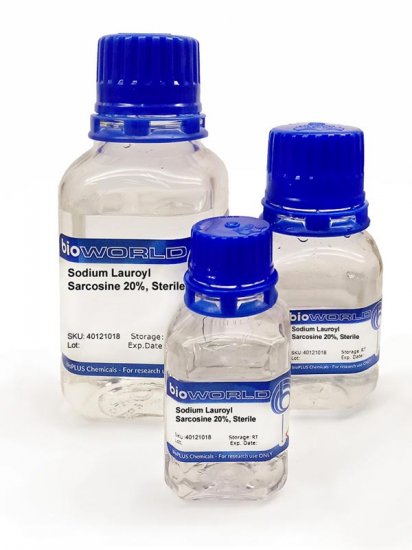
Description
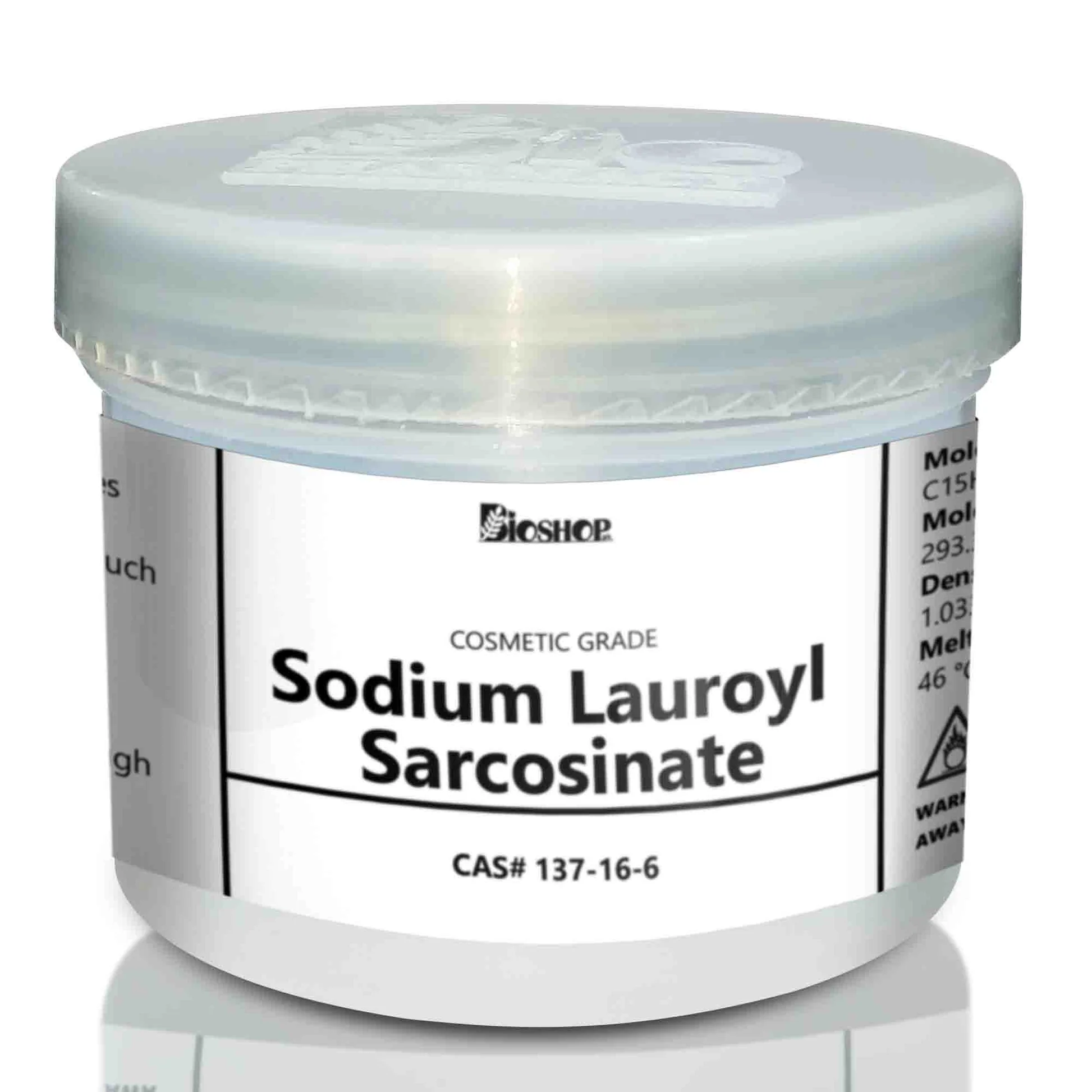
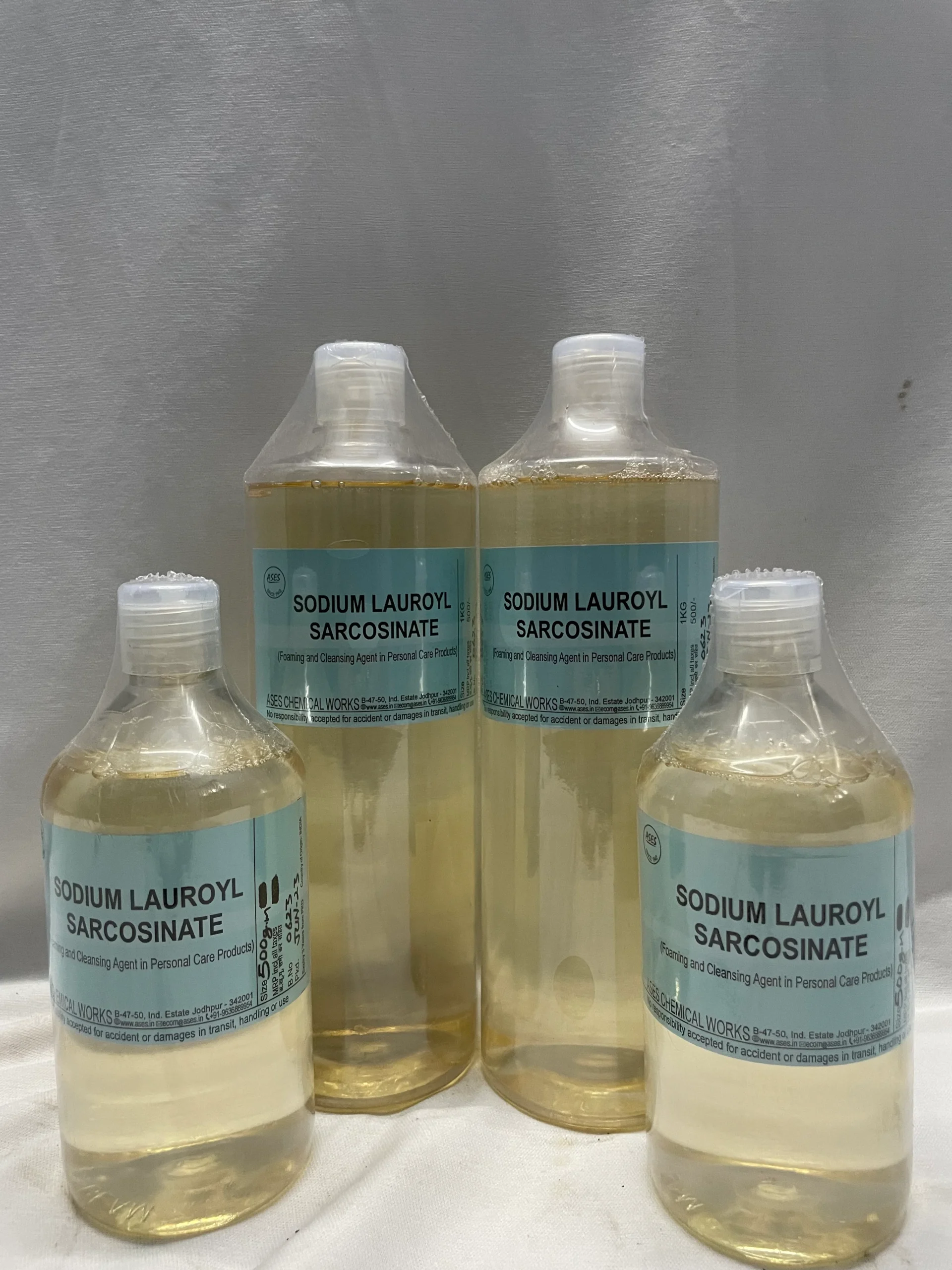
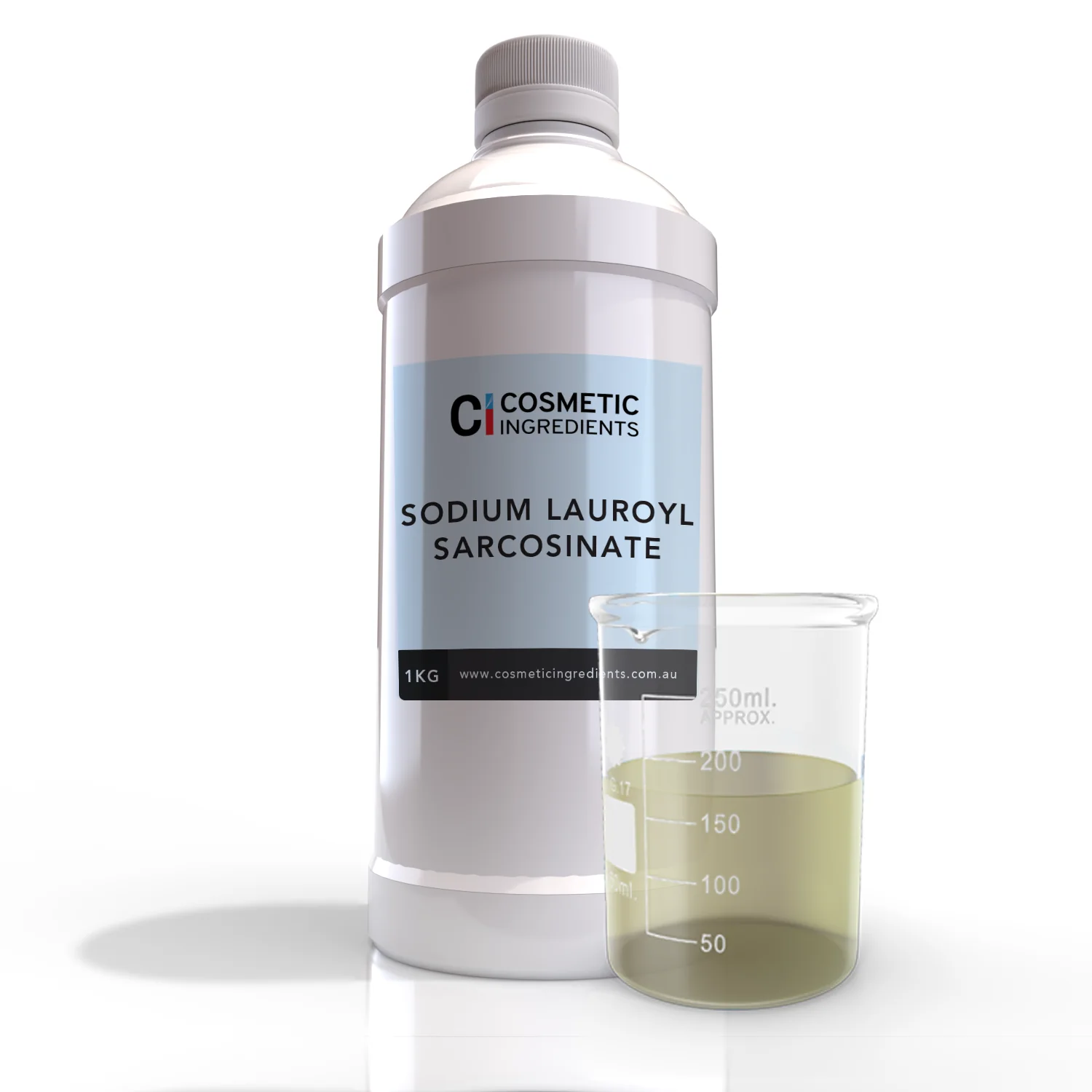
Sodium Lauroyl Sarcosinate
Sodium lauroyl sarcosinate is an anionic surfactant used primarily in cosmetics and personal care products. It is the sodium salt of N-lauroylsarcosine, which is derived from sarcosine (a derivative of glycine) and lauric acid. It is valued for being relatively mild while still providing effective cleansing.
Key facts
- INCI name: Sodium Lauroyl Sarcosinate
- Function: Cleansing, foaming, and emulsifying ingredient in formulations
- Derived from: Sarcosine (N-methyl glycine) and lauric acid
- Solubility: Water-soluble
- Biodegradability: Generally considered readily biodegradable
Common uses
- Shampoos and conditioners for gentle cleansing
- Facial and body cleansers (foaming cleansers, soft surfactant blends)
- Toothpastes and mouth rinses in some formulations
- Baby and sensitive skin products due to milder profile
Properties and performance
- Mildness: Typically milder than the common detergent sodium lauryl sulfate (SLS); often preferred in products marketed for sensitive or sensitive skin
- Foaming: Provides a comfortable foam, usually in combination with other surfactants
- Compatibility: Works well with amphoteric surfactants (for example cocamidopropyl betaine) to improve mildness and foam stability
- Texture/feel: Contributes to smooth, non-irritating lathers in many rinse-off products
Safety and regulatory overview
- Generally considered safe for use in cosmetics and personal care products at typical usage levels
- Known for lower irritation potential compared with some harsher surfactants
- Like all cosmetics ingredients, should be used within recommended concentrations and tested for specific product formulations
- Always check regional regulations and brand-specific safety assessments for your market
Formulation considerations
- Concentration range: Typically used at modest levels depending on product type (for example, cleansers often use around 1–15% from formulation guidelines), but exact amounts depend on the desired foaming and cleansing balance
- pH stability: Effective in a broad pH range but should be formulated to suit the overall product pH
- Synergies: Commonly paired with mild amphoteric surfactants (eg, cocamidopropyl betaine) to enhance foam and reduce irritation
- Stability: Generally stable, but formulation pH, phosphate levels, and compatibility with thickeners should be tested
Quick comparison (at a glance)
-
Aspect Sodium Lauroyl Sarcosinate Sodium Lauryl Sulfate (SLS) Sodium Cocoyl Isethionate (SCI) Type Anionic surfactant Anionic surfactant Anionic surfactant (very mild) Mildness Mild to moderate Higher irritation potential Very mild, gentle on skin Foaming Moderate foam High foam Creamy, moderate foam Biodegradability Readily biodegradable Readily biodegradable but irritation concerns Very good biodegradability Typical use focus Gentle cleansers, baby and sensitive skin products General cleansers, shampoos Very gentle cleansers, premium/conditioning formulations
Summary
Sodium lauroyl sarcosinate is a widely used, relatively mild cleansing surfactant suitable for a range of cosmetic and personal care products. It offers reliable cleansing and foaming with improved gentleness compared with harsher surfactants like SLS, and it pairs well with other mild surfactants to create balanced formulations. If you’re formulating or evaluating products, consider its compatibility with your chosen co-surfactants and your target user group (e.g., sensitive skin or infants) to determine the best usage level.
If you’d like, I can tailor this to a specific product type (shampoo, facial cleanser, toothpaste) and propose a starter formulation with suggested ingredients and concentrations.

Reviews
There are no reviews yet.