


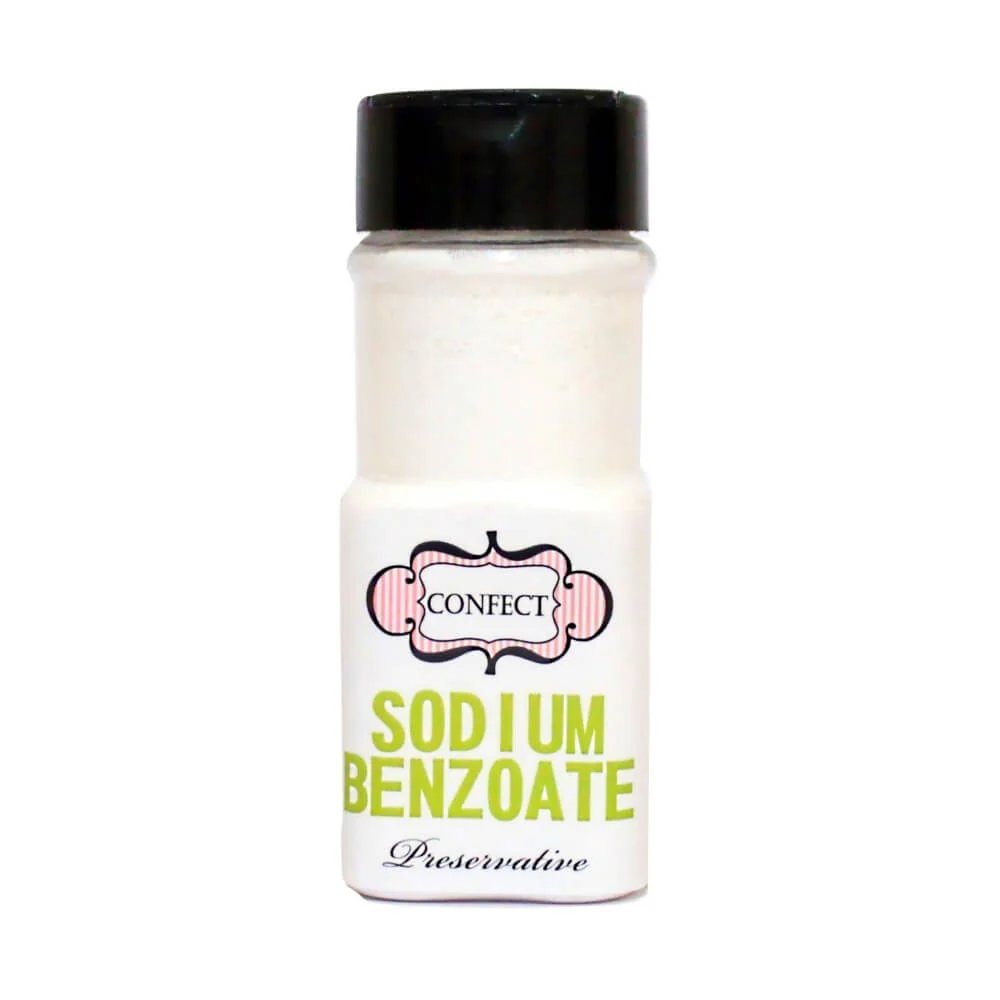
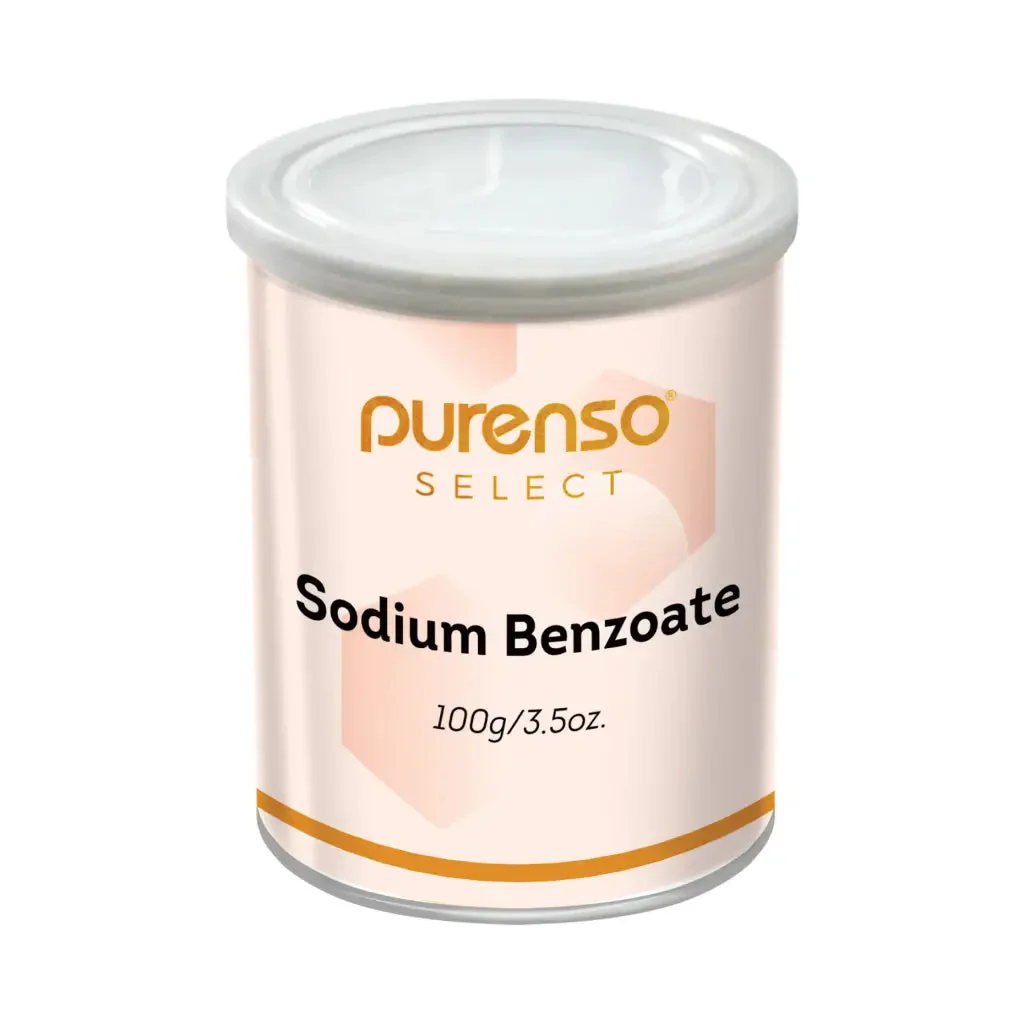
Description
Sodium Benzoate: A Common Food Preservative – Understanding Its Uses, Benefits, and Concerns
Sodium benzoate, often listed on food labels, is a widely used preservative that plays a crucial role in extending the shelf life of various products. While it offers undeniable benefits, it also raises some concerns that are worth understanding. This article delves into the properties, uses, potential advantages, and reported concerns surrounding sodium benzoate.
What is Sodium Benzoate?
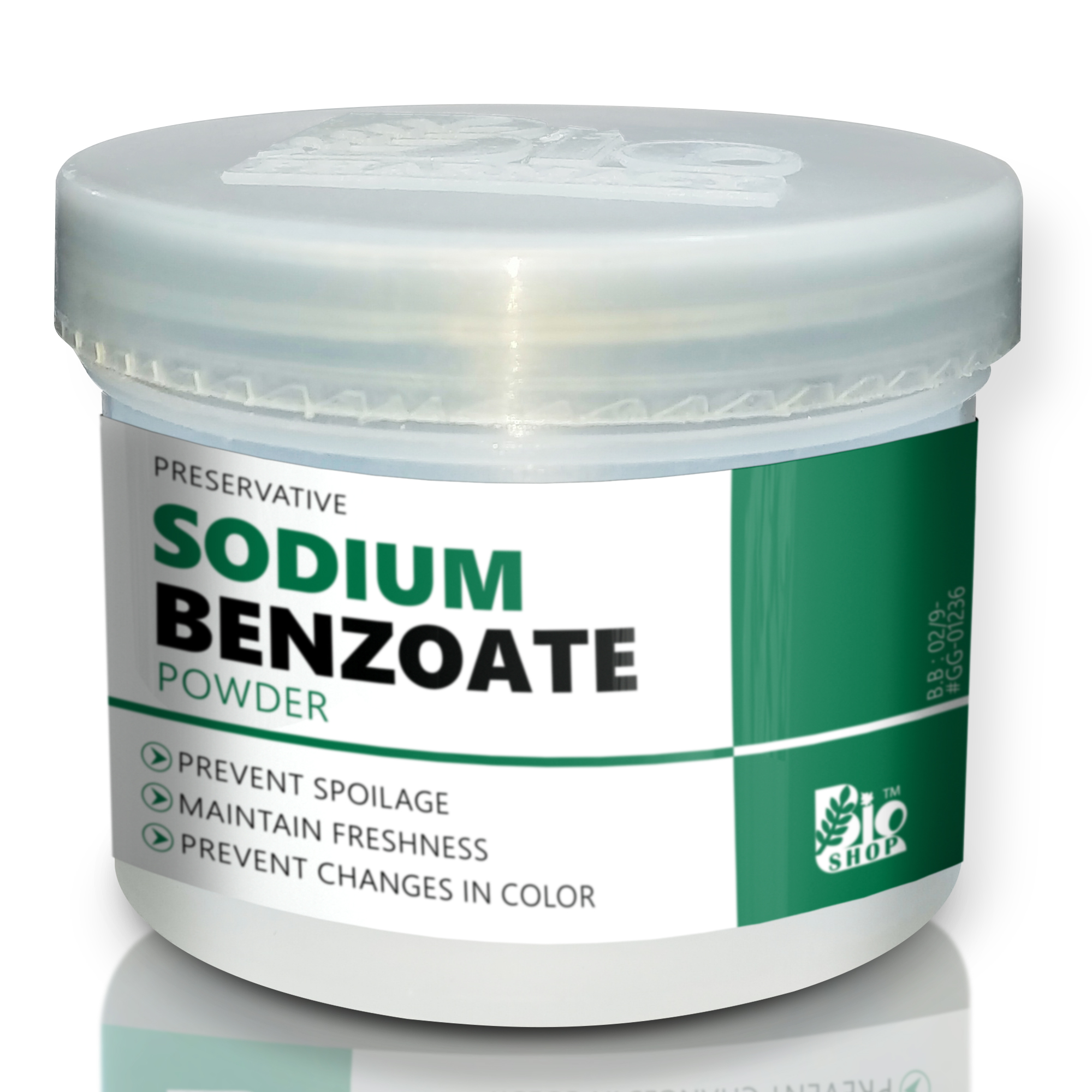
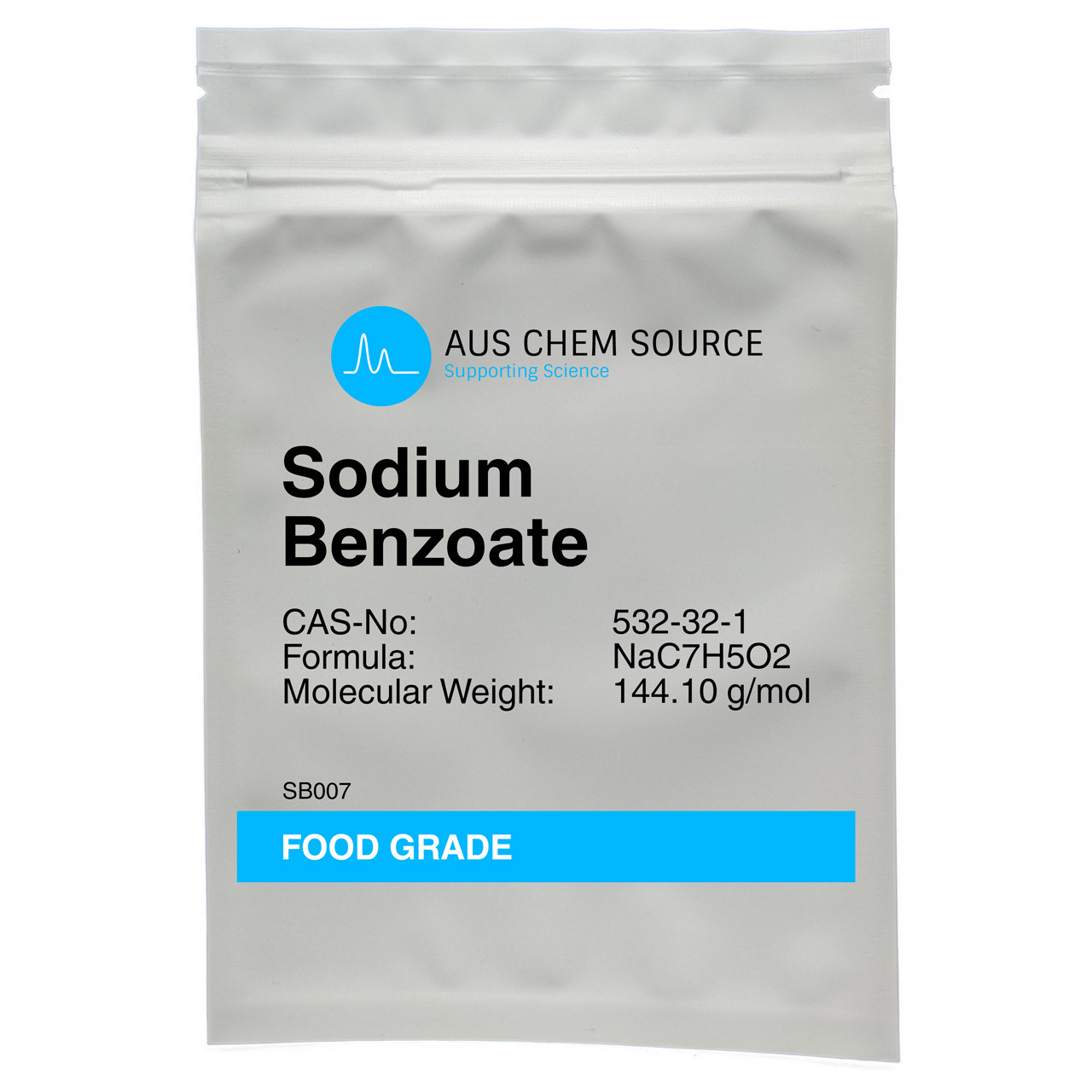
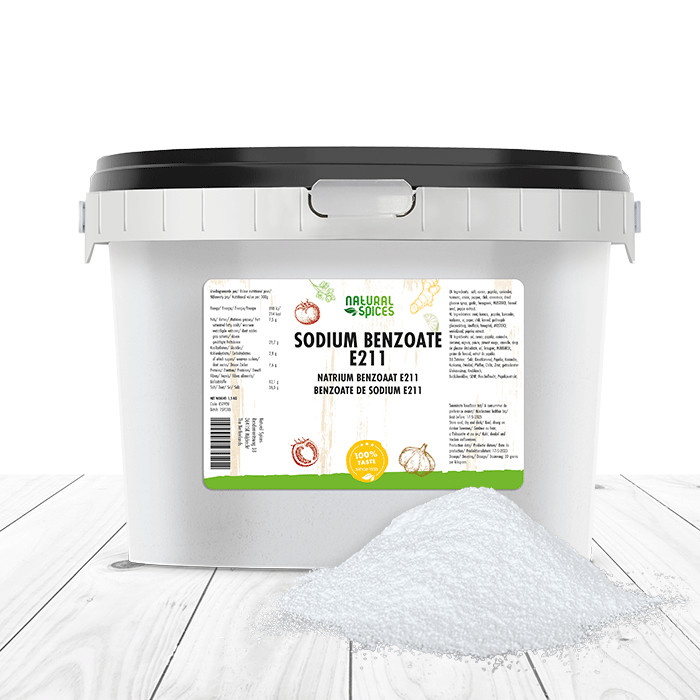
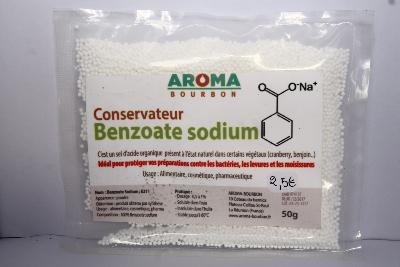
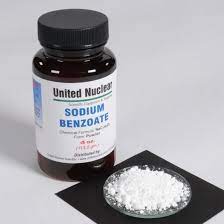
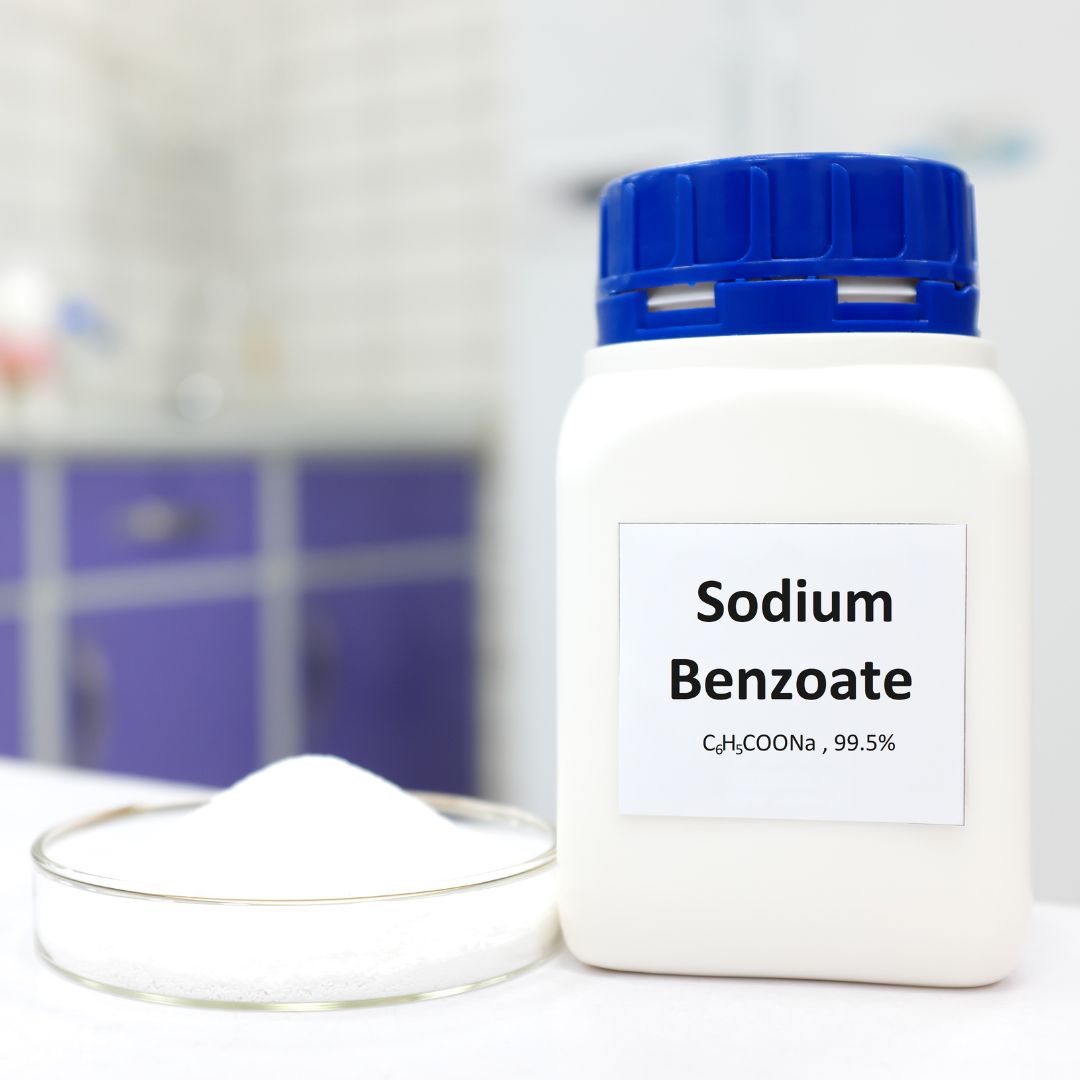
Sodium benzoate is the sodium salt of benzoic acid. It appears as a white, odorless, crystalline powder. It’s produced by reacting benzoic acid with sodium hydroxide, a process that makes the resulting compound more soluble in water, a characteristic crucial for its application as a food preservative.
Why is it Used?
The primary purpose of sodium benzoate is to inhibit the growth of bacteria, yeast, and mold in acidic environments. These microorganisms can cause food spoilage, leading to unpleasant tastes, odors, and potentially harmful toxins. By hindering their development, sodium benzoate effectively prolongs the freshness and safety of food products.
Where Can You Find It?
Sodium benzoate is commonly found in a wide range of products, including:
- Acidic Foods and Beverages: Soft drinks (especially carbonated), fruit juices, pickles, salad dressings, jams, jellies, sauces, and condiments.
- Personal Care Products: Shampoos, conditioners, lotions, and cosmetics.
- Pharmaceutical Products: Certain medications.
- Industrial Applications: Corrosion inhibitors and other industrial processes.
Benefits of Using Sodium Benzoate:
- Effective Preservation: It significantly extends the shelf life of products, reducing food waste and lowering costs for manufacturers and consumers.
- Safe at Recommended Levels: Regulatory agencies, such as the U.S. Food and Drug Administration (FDA), deem sodium benzoate safe for consumption when used within specified limits.
- Cost-Effective: It’s a relatively inexpensive preservative compared to other alternatives.
- Versatile Application: Its solubility and efficacy make it suitable for a broad spectrum of applications.
Potential Concerns and Controversies:
While generally considered safe, sodium benzoate has been associated with certain concerns:
- Benzene Formation: In the presence of ascorbic acid (vitamin C) and certain metal ions, sodium benzoate can react to form benzene, a known carcinogen. However, the levels of benzene found in most beverages containing both ingredients are typically below the World Health Organization (WHO) threshold for drinking water safety. Manufacturers are often careful to minimize this interaction by controlling the storage conditions and ingredient ratios.
- Allergic Reactions: Although rare, some individuals may experience allergic reactions to sodium benzoate, manifesting as skin rashes, hives, or asthma symptoms.
- Potential for Neurotoxicity: Some studies suggest a potential link between sodium benzoate and hyperactivity or ADHD symptoms in children, although more research is needed to confirm this association.
- Impact on Mitochondrial Function: Some laboratory studies indicate that high concentrations of sodium benzoate may affect mitochondrial function, the process by which cells produce energy. However, the relevance of these findings to human health at typical dietary exposure levels is still under investigation.
Regulation and Safety:
Regulatory bodies like the FDA and the European Food Safety Authority (EFSA) carefully monitor and regulate the use of sodium benzoate. They establish acceptable daily intake (ADI) levels and require manufacturers to declare it on product labels. These measures are designed to ensure consumer safety and prevent excessive exposure.
Making Informed Choices:
While sodium benzoate is a common ingredient in many of the products we consume, it’s important to be aware of its potential benefits and risks. Staying informed about the ingredient composition of products and opting for alternatives when possible can help consumers make informed choices based on personal preferences and health concerns. If you have any concerns about sodium benzoate, it’s best to consult with a healthcare professional or registered dietitian.
Conclusion:
Sodium benzoate is a widely used food preservative that offers significant benefits in terms of shelf life and food safety. While concerns regarding benzene formation, allergic reactions, and potential neurotoxicity exist, regulatory agencies closely monitor its usage to ensure consumer safety. By understanding its properties, uses, and potential drawbacks, consumers can make informed decisions about the products they choose to consume.


Reviews
There are no reviews yet.