
Description
1. Product Overview
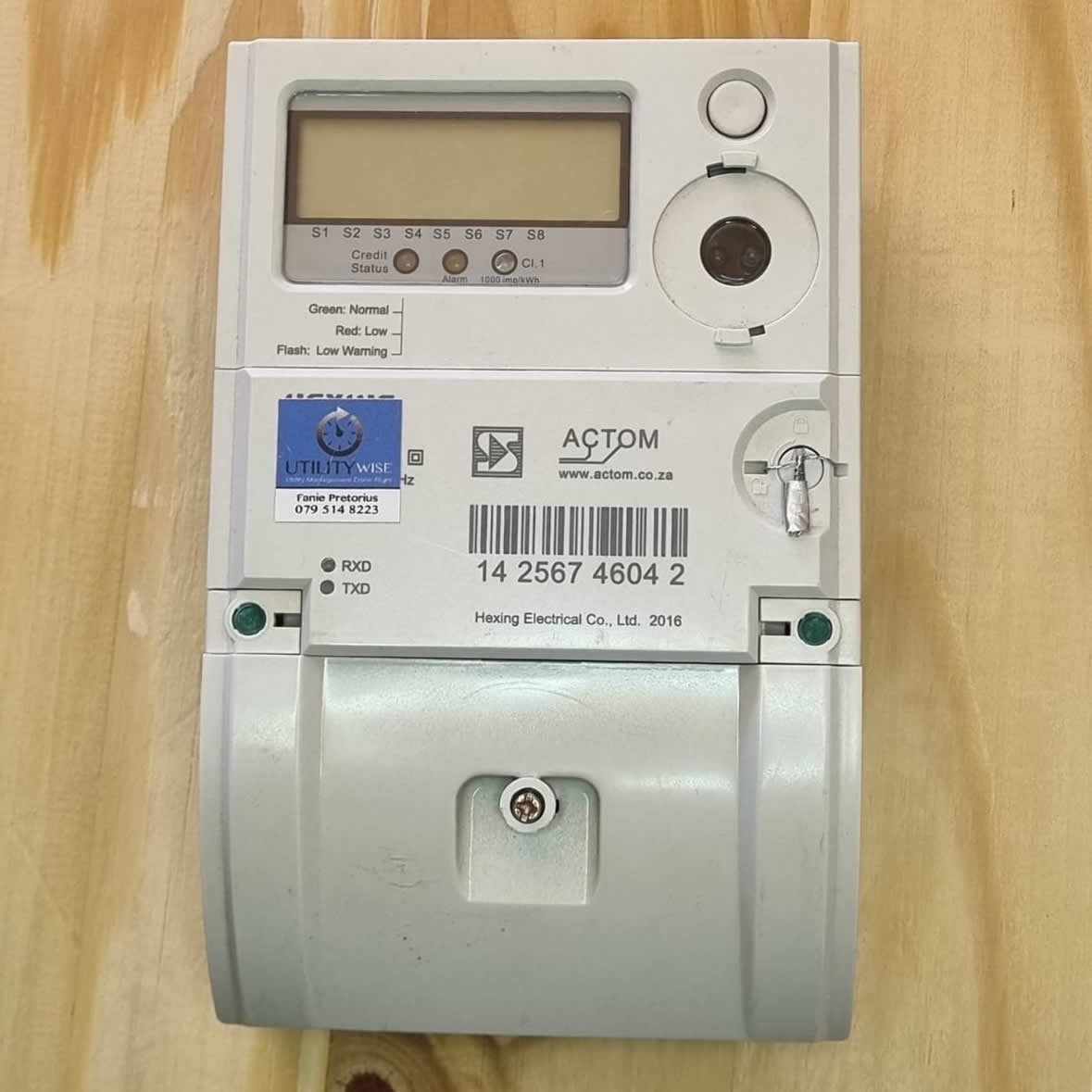
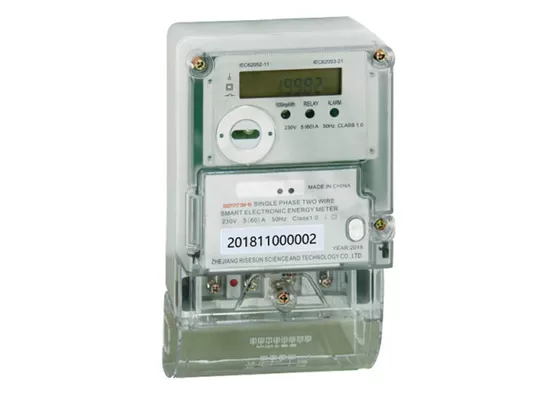
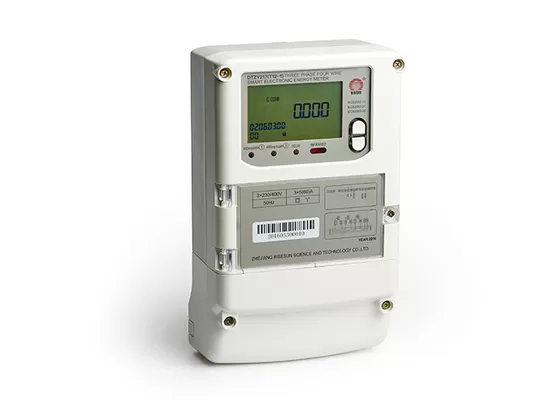
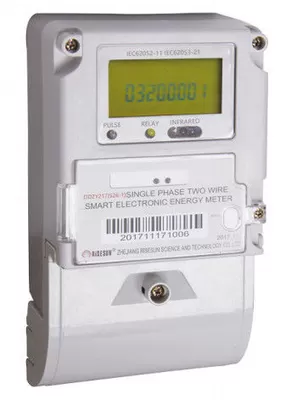
Smart Meters (Advanced Metering Infrastructure – AMI) are next-generation digital metering devices designed to measure, record, and communicate electricity consumption data in real time between utilities and end users. These meters form the backbone of modern smart grid systems, enabling automated meter reading, remote monitoring, and two-way communication between energy providers and distribution networks. Their primary industrial value lies in enhancing operational efficiency, reducing manual meter-reading costs, and enabling accurate demand management. As global energy systems transition toward digitalized and decentralized grids, AMI smart meters are strategically critical for utilities seeking improved energy analytics, grid stability, and advanced billing transparency.
2. Key Specifications & Technical Characteristics
- Core Components: Electronic metering unit, communication module (RF, PLC, NB-IoT, or cellular), microprocessor, integrated sensors, and tamper-detection systems
- Metering Accuracy Class: Class 1.0 / Class 0.5S (IEC compliant)
- Voltage Range: 110–240 V (single phase) / 3×230/400 V (three phase)
- Current Rating: Typically 5(60)A, 10(100)A, or higher depending on configuration
- Communication Protocols: DLMS/COSEM, Modbus, RS485, RF Mesh, PLC, or NB-IoT
- Data Transmission: Two-way communication for real-time data acquisition and remote control
- Display: LCD digital display with multi-parameter readout
- Physical Form: Compact sealed electronic meter housing
- Color: Industrial-grade polycarbonate casing (typically grey or transparent front panel)
- Ingress Protection: IP54–IP65 depending on model
- Tamper Protection: Magnetic tamper detection, cover open detection, reverse energy detection
- Operating Temperature: -25°C to +70°C
- Packaging Options: Industrial carton packaging with protective foam inserts
- Shelf Life: Long-term electronic device durability; recommended installation within 24–36 months of manufacture under controlled storage conditions
3. Core Industrial Applications
Electric Power Utilities
Smart meters serve as the core measurement device within Advanced Metering Infrastructure systems, enabling automated meter reading, real-time consumption tracking, and dynamic tariff implementation.
Smart Grid Infrastructure
Energy distributors integrate AMI meters into smart grid platforms to enable demand response programs, remote disconnection/reconnection, and advanced load forecasting.
Industrial & Commercial Facilities
Large industrial plants and commercial buildings use smart meters for precise energy monitoring, peak demand management, and cost optimization.
Renewable Energy Integration
Smart meters facilitate accurate measurement and bidirectional energy flows in distributed generation environments such as solar PV installations and microgrids.
Compared with conventional electromechanical meters, AMI smart meters deliver superior data accuracy, automated communication, and operational efficiency, significantly reducing field service costs while improving billing accuracy and grid visibility.
4. Competitive Advantages
- High Measurement Accuracy: Designed to meet international metering standards with stable long-term calibration performance
- Reliable Data Communication: Multi-protocol communication capability ensures compatibility with diverse utility infrastructure
- Consistent Product Quality: Manufactured using industrial-grade electronics and tested under strict quality assurance procedures
- Scalable Deployment: Suitable for large-scale national smart meter rollout programs
- Secure Energy Data: Advanced encryption and tamper-detection systems protect against energy theft and unauthorized access
- Logistics Efficiency: Export-ready packaging and standardized palletization for efficient global distribution
- Cost-Effective Operations: Reduces manual meter reading, operational labor costs, and billing discrepancies
- Sustainability Contribution: Enables energy efficiency initiatives and supports digital smart grid transformation
- Technical Documentation: Full specification sheets, communication protocol documentation, and installation manuals available
5. Commercial & Supply Information
- Minimum Order Quantity (MOQ): BULK 20 MT
- Loading Capacity: Approximately 20–25 MT per 40 ft container depending on packaging configuration



Reviews
There are no reviews yet.