


Description
1. Product Overview
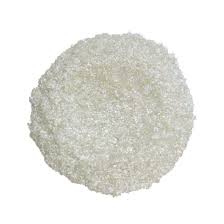
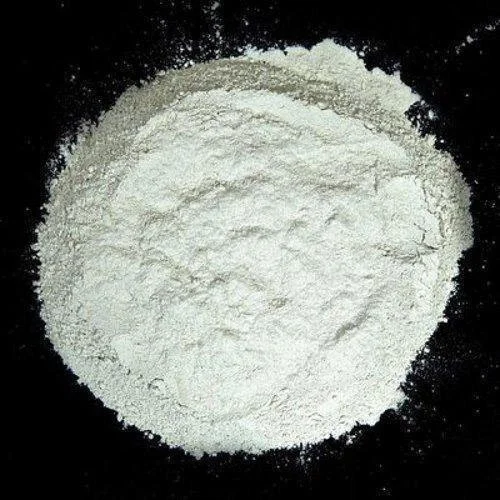
Silica Pigments are high-purity, finely processed silica-based materials engineered for superior performance in industrial applications. Primarily used as colorants, fillers, and performance enhancers in coatings, plastics, paints, and rubber formulations, these pigments provide consistent dispersion, high opacity, and excellent chemical stability. Their strategic value lies in enhancing product durability, visual appeal, and functional properties, enabling manufacturers to meet stringent industrial standards. With global demand driven by the coatings, plastics, and construction sectors, Silica Pigments are a critical component for companies aiming to optimize performance while maintaining cost efficiency.
2. Key Specifications & Technical Characteristics
- Chemical Composition: High-purity silicon dioxide (SiO₂)
- Purity Level: ≥ 99%
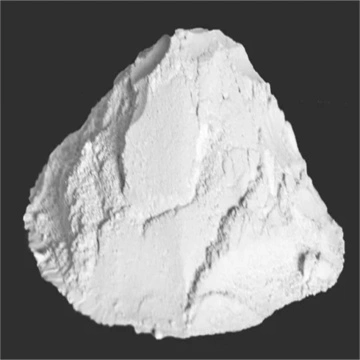
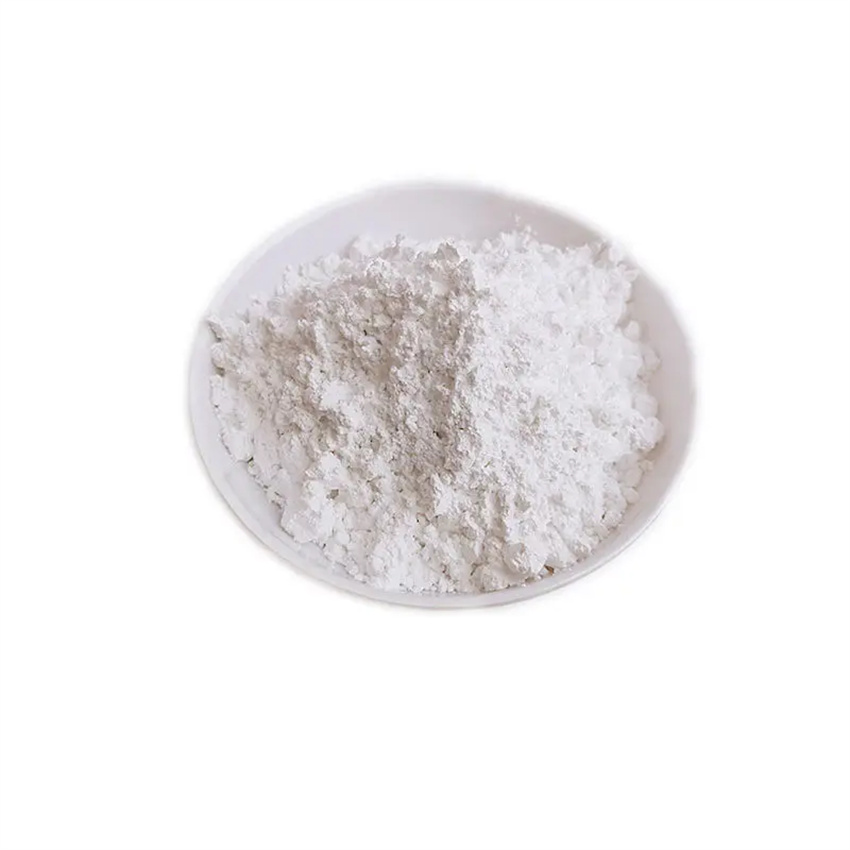
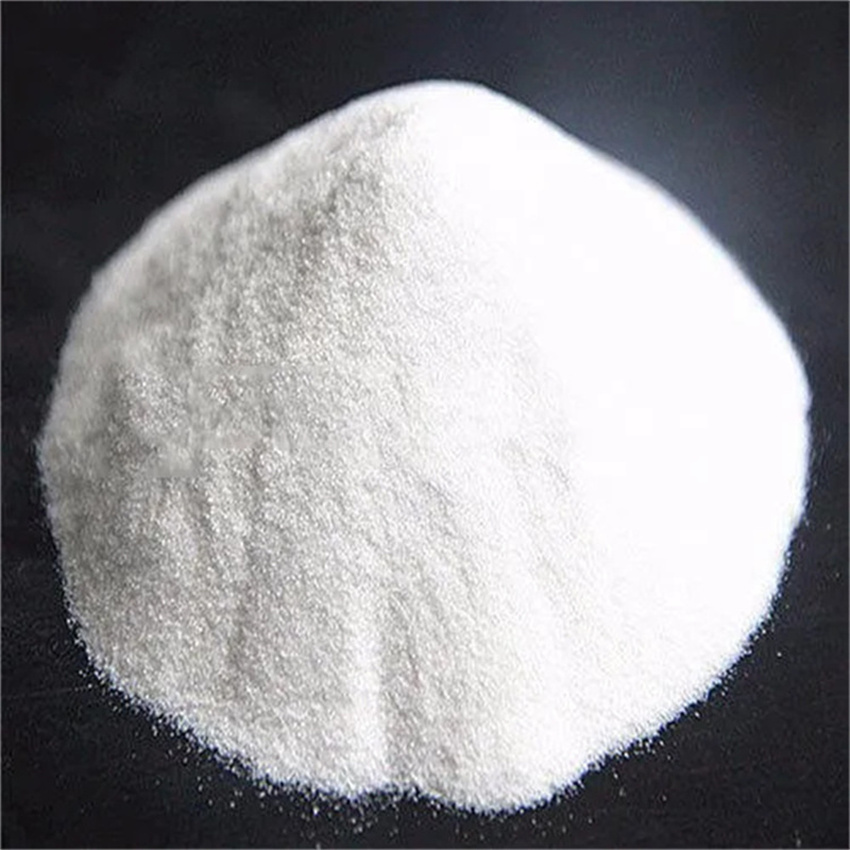
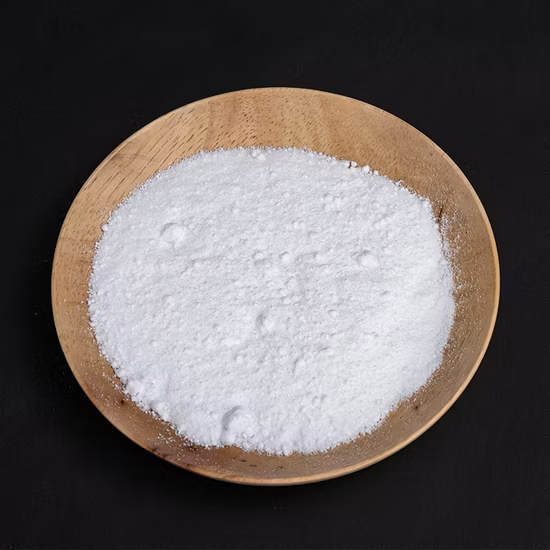
- Physical Form: Free-flowing powder
- Color: Off-white to white
- Particle Size: 5–40 microns (adjustable per requirement)
- Density: 2.2–2.65 g/cm³
- Packaging Options: 25 kg kraft bags, 500 kg jumbo bags, or customized bulk solutions
- Shelf Life: 24 months under proper storage conditions
3. Core Industrial Applications
- Coatings & Paints: Enhances opacity, whiteness, and durability; improves resistance to UV and chemical exposure.
- Plastics & Polymers: Acts as a functional filler to improve mechanical strength, thermal stability, and surface finish.
- Rubber & Elastomers: Improves abrasion resistance, tensile strength, and compound consistency.
- Construction Materials: Used in cement, adhesives, and sealants to improve whiteness, opacity, and flow characteristics.
- Why it Outperforms Alternatives: Superior particle uniformity ensures excellent dispersion, reduces settling, and enhances product consistency, offering better efficiency and lower production costs.
4. Competitive Advantages
- Quality Consistency: Manufactured to tight specifications with rigorous quality control.
- Supply Reliability: Proven track record of timely deliveries to global industrial clients.
- Logistics Capability: Available in bulk packaging optimized for international shipping.
- Price Competitiveness: Strategic sourcing and high-efficiency production reduce cost per ton.
- Sustainability Benefits: Non-toxic, chemically stable, and environmentally friendly.
- Technical Support: Comprehensive documentation and application guidance for industrial integration.
5. Commercial & Supply Information
- Minimum Order Quantity (MOQ): 20 MT
- Loading Capacity: 20–22 MT per 20-ft container (bulk packaging)


Reviews
There are no reviews yet.