


Description
Rhodium Chloride for Automotive Catalysts: An Essential Ingredient for Cleaner Emissions
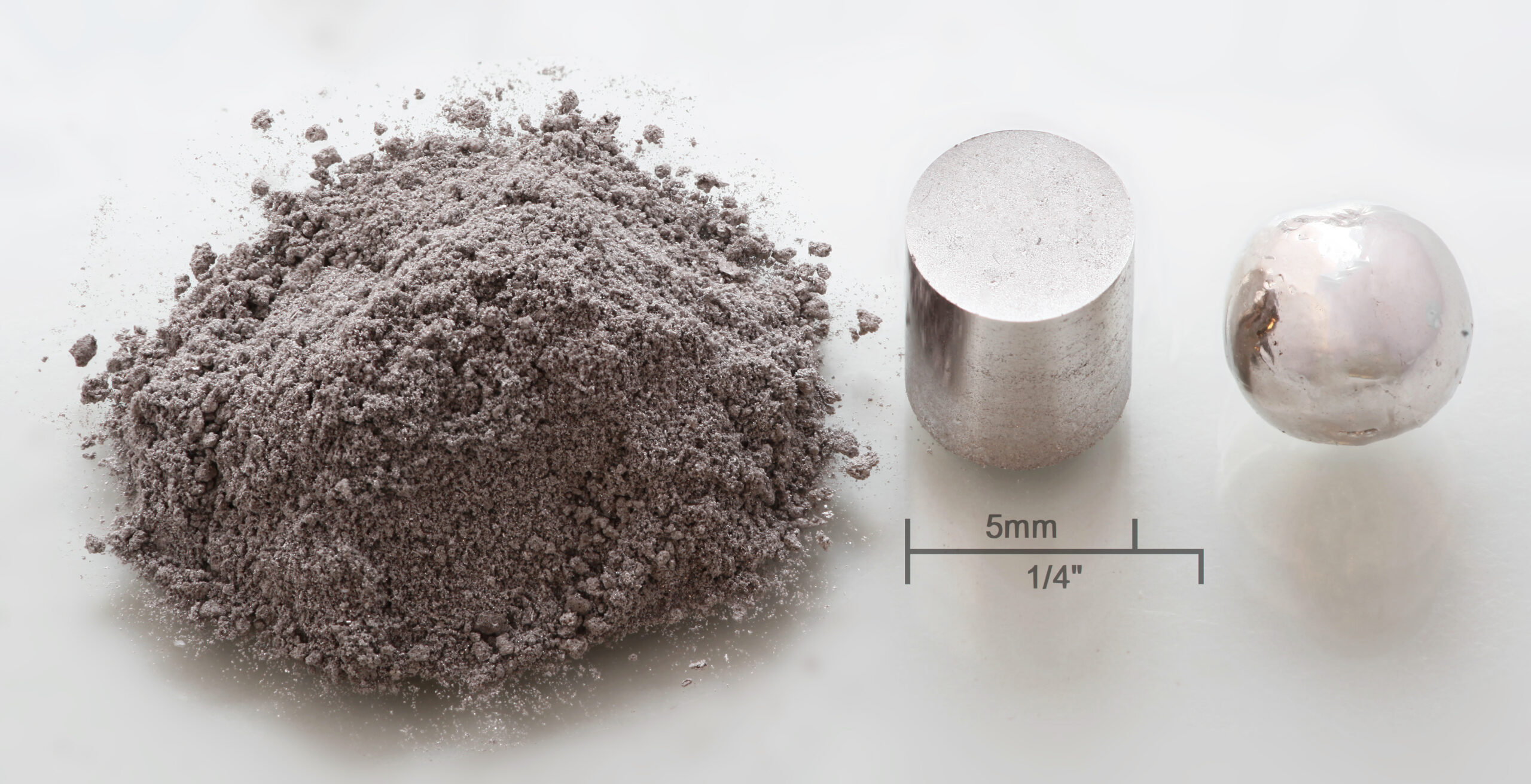
In the global effort to combat air pollution and mitigate the environmental impact of internal combustion engines, automotive catalytic converters stand as a critical line of defense. These ingenious devices, integrated into vehicle exhaust systems, transform harmful pollutants into less noxious substances before they are released into the atmosphere. At the heart of their remarkable efficiency lies a precise blend of rare and precious metals, with rhodium playing a particularly indispensable role, often introduced in its form as rhodium chloride.
The Indispensable Role of Catalytic Converters
Modern vehicles are equipped with “three-way” catalytic converters, so named because they simultaneously reduce three primary types of harmful emissions:
- Nitrogen Oxides (NOx): A group of gases that contribute to smog, acid rain, and respiratory issues.
- Carbon Monoxide (CO): A colorless, odorless, and highly toxic gas.
- Unburnt Hydrocarbons (HC): Remnants of fuel that contribute to smog and are carcinogenic.
The catalytic converter’s ceramic honeycomb structure is coated with a washcoat containing platinum group metals (PGMs) – primarily platinum (Pt), palladium (Pd), and rhodium (Rh). Each metal excels at different chemical reactions.
Rhodium’s Unique Contribution
While platinum and palladium are highly effective at catalyzing the oxidation of carbon monoxide and unburnt hydrocarbons into carbon dioxide and water, rhodium holds a unique and crucial position in the reduction of nitrogen oxides.
Rhodium’s primary function in the catalytic converter is to break down NOx into harmless nitrogen gas (N2) and oxygen (O2). This reduction reaction is vital for meeting stringent global emission standards, and rhodium demonstrates superior activity and selectivity for this process compared to other PGMs, especially under the transient and fluctuating conditions of an operating engine.
Why Rhodium Chloride?
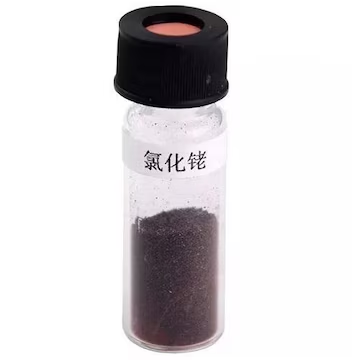
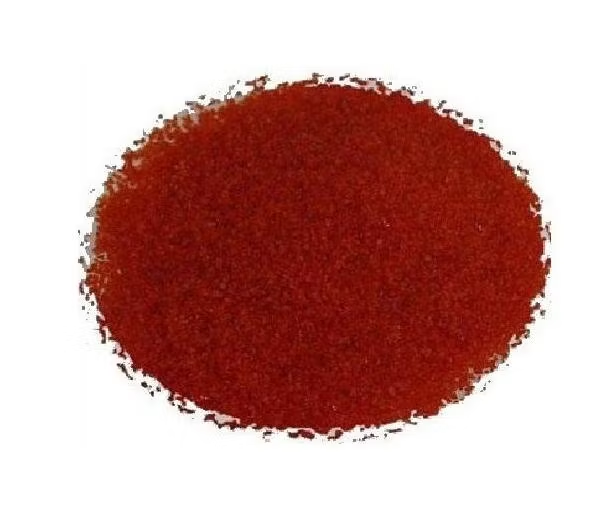
The choice of rhodium chloride (RhCl3) as the precursor for introducing rhodium into the catalyst washcoat is strategic and practical for several reasons:
- Solubility: Rhodium chloride is soluble in various solvents, making it easy to prepare solutions that can be precisely applied onto the ceramic substrate (typically cordierite) that forms the core of the catalytic converter. This allows for uniform distribution of the costly metal.
- Ease of Application: The washcoat, a slurry containing the PGM precursors, alumina, and other stabilizers, is applied to the ceramic monolith. The dissolved rhodium chloride ensures it is evenly dispersed within this washcoat.
- Thermal Decomposition: During the subsequent high-temperature calcination (baking) process in catalyst manufacturing, the rhodium chloride decomposes, leaving behind active, metallic rhodium nanoparticles finely dispersed throughout the washcoat. This finely divided state maximizes the surface area for catalytic reactions.
- Cost-Effectiveness (in manufacturing): While rhodium itself is expensive, using a chemically stable and easily processable compound like rhodium chloride streamlines the manufacturing process, contributing to overall efficiency.
Challenges and Future Considerations
Despite its critical role, the use of rhodium chloride (and rhodium in general) in automotive catalysts faces significant challenges:
- Scarcity and Cost Volatility: Rhodium is one of the rarest and most expensive precious metals, with its supply largely concentrated in South Africa. This makes its price highly volatile, directly impacting the cost of catalytic converters and, by extension, vehicles.
- Supply Chain Resilience: The concentrated supply poses geopolitical and logistical risks to the automotive industry.
- Sustainability: Given its scarcity, intensive efforts are underway to improve PGM recovery rates through recycling from end-of-life vehicles. This is crucial for creating a more circular economy for these valuable materials.
- Research & Development: Ongoing research focuses on several fronts:
- Reducing PGM Loading: Developing catalysts that require less rhodium (and other PGMs) without sacrificing performance.
- Alternative Materials: Exploring base metal catalysts or other PGM combinations that might reduce reliance on rhodium.
- Improved Durability: Enhancing the lifespan of catalysts to maintain efficiency over a vehicle’s entire service life.
Conclusion
Rhodium chloride, as the preferred means of introducing rhodium into automotive catalytic converters, plays an unassuming yet absolutely vital role in global environmental protection. By enabling the efficient reduction of harmful nitrogen oxides, it ensures that millions of vehicles worldwide can operate with significantly reduced emissions. As the automotive industry continues its evolution towards cleaner transportation, the innovation surrounding rhodium’s application, its recycling, and the search for sustainable alternatives will remain paramount in our collective journey toward a greener future.


Reviews
There are no reviews yet.