
Description
Quartzite: Nature’s Durable and Beautiful Stone
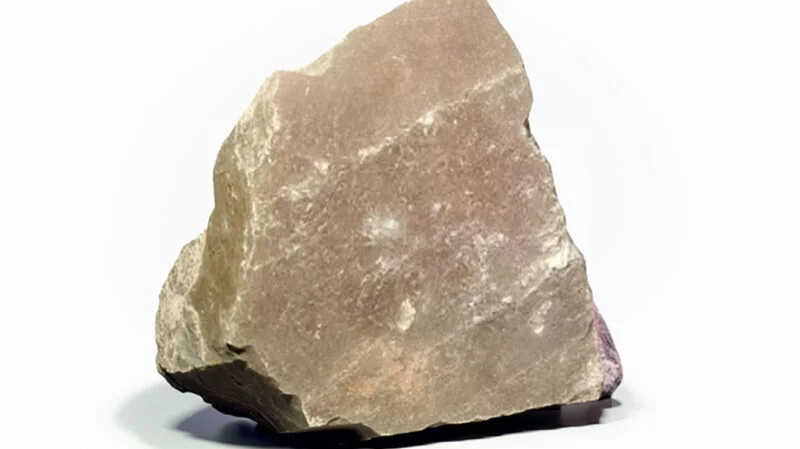
Quartzite, a metamorphic rock born from sandstone, is a material that has captivated architects, designers, and homeowners for centuries. Its inherent beauty, coupled with exceptional durability, makes it a sought-after choice for a wide range of applications, from kitchen countertops to exterior cladding. But what exactly is quartzite, and why is it so highly regarded?
From Sandstone to Strength: The Metamorphic Journey
Quartzite begins its life as sandstone, a sedimentary rock primarily composed of quartz grains. Over millions of years, intense heat and pressure deep within the Earth’s crust transform this relatively porous sandstone into the dense, hard rock we know as quartzite. This metamorphic process fuses the individual quartz grains together, creating a tightly interlocking crystalline structure. This process is what gives quartzite its remarkable strength and resistance to wear.
Distinguishing Quartzite from Granite and Marble: Key Differences
Often mistaken for granite and marble, quartzite possesses unique characteristics that set it apart.
- Hardness: Quartzite is significantly harder than both granite and marble. This hardness makes it highly resistant to scratching, etching, and staining, making it a practical choice for high-traffic areas and surfaces prone to spills.
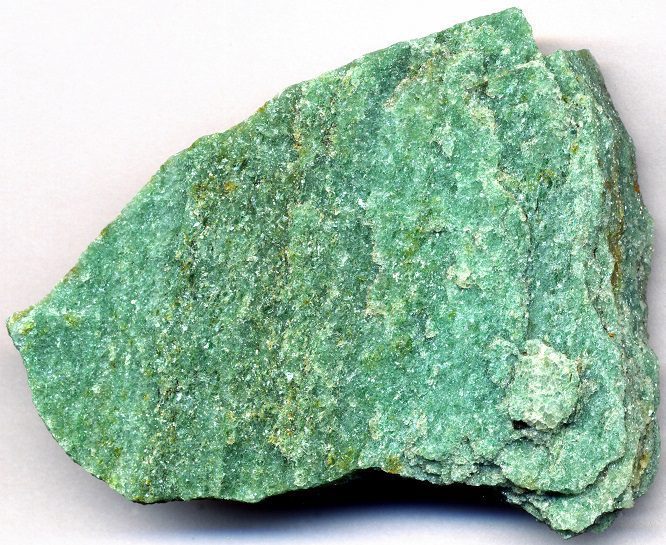
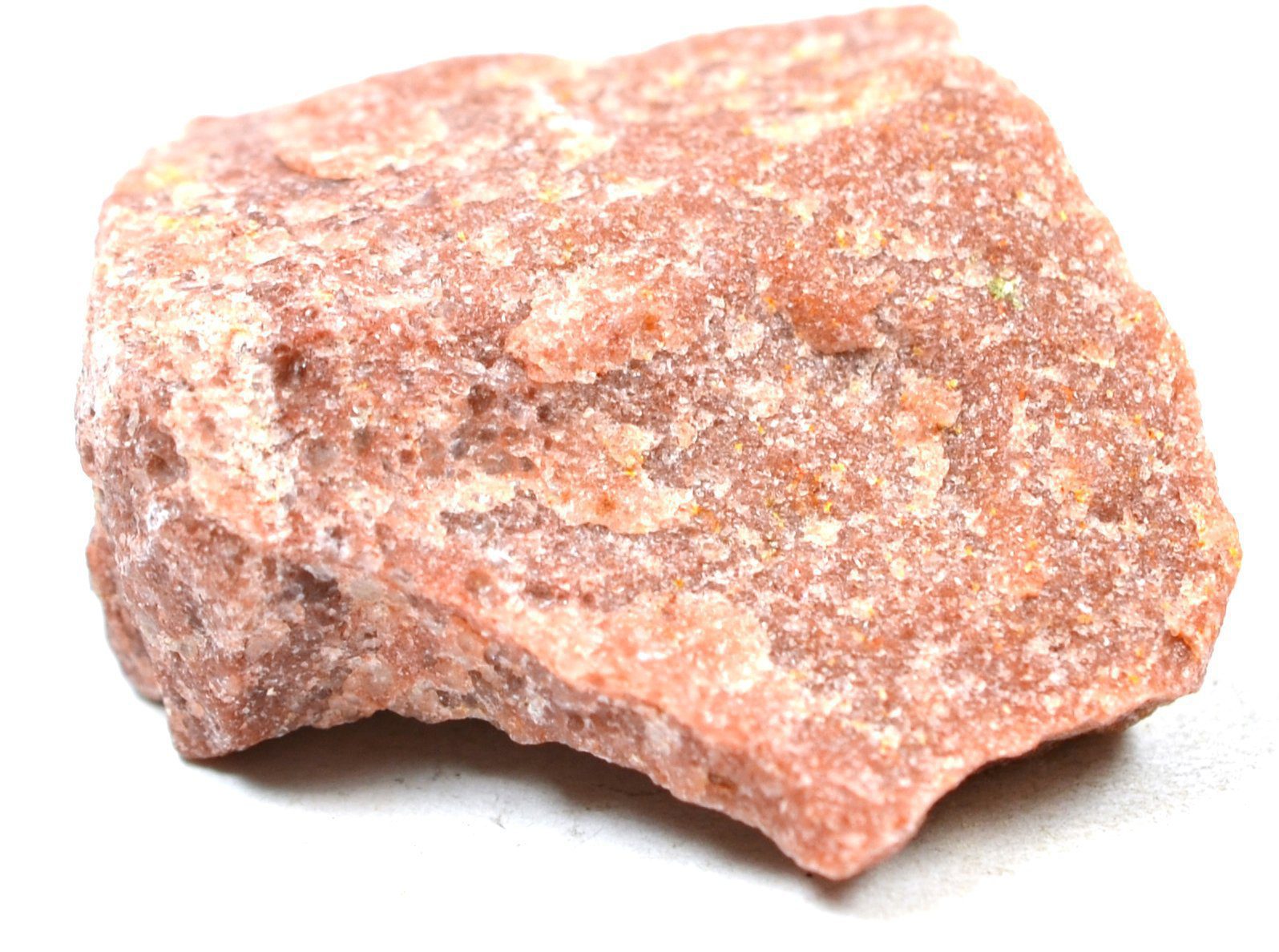
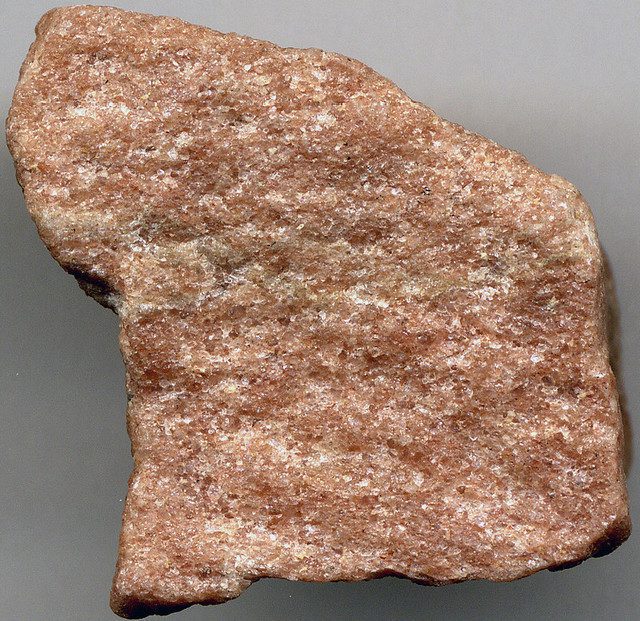
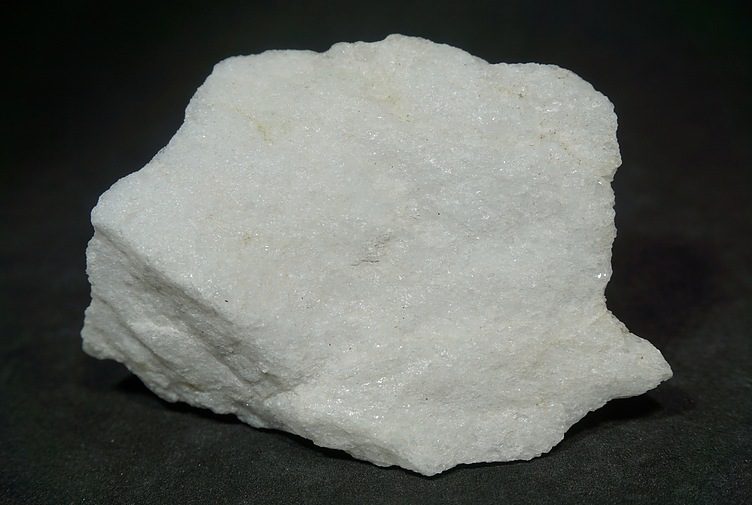
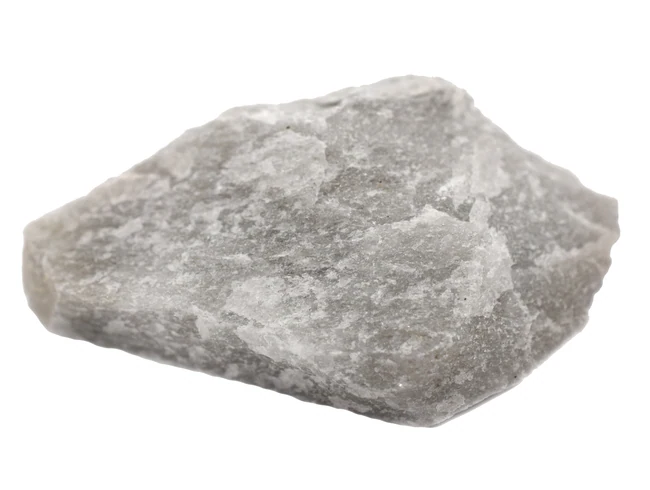
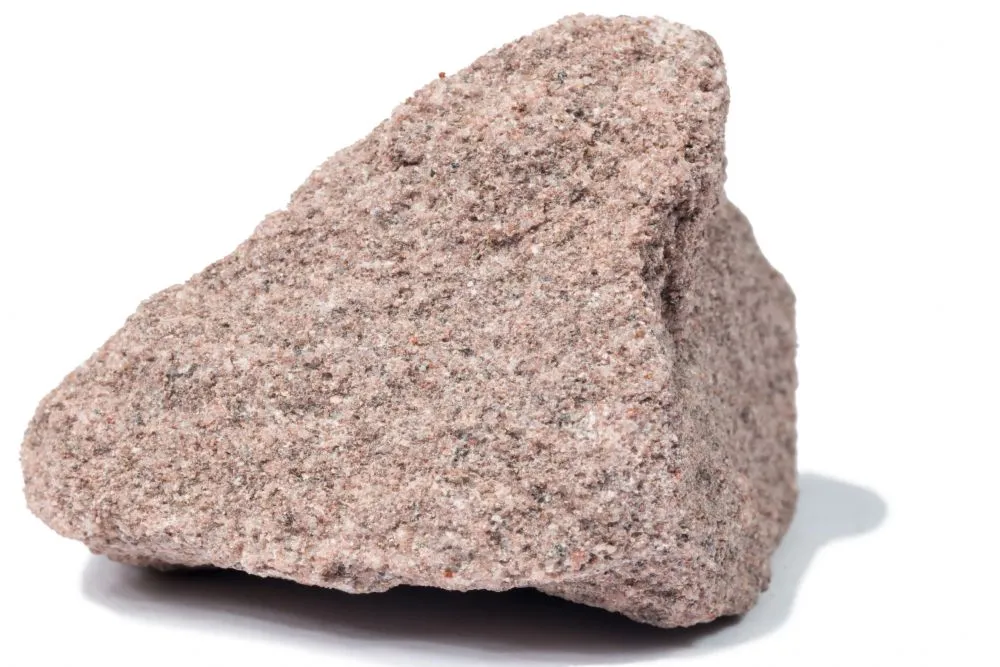
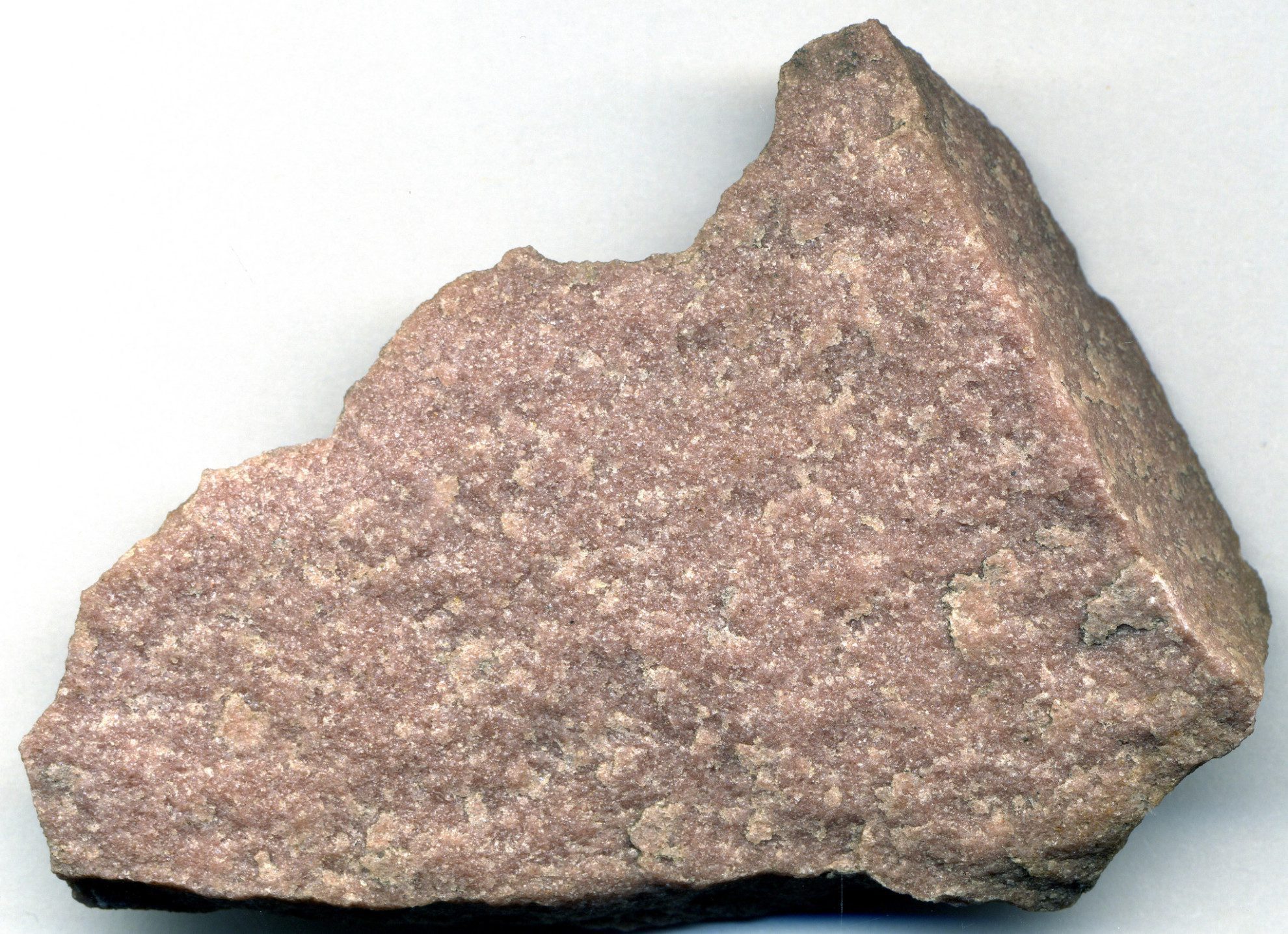
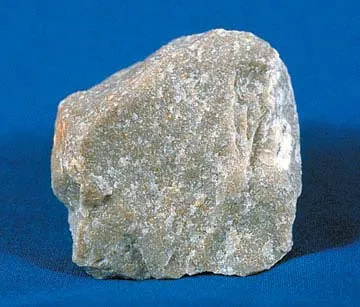
- Appearance: Quartzite’s appearance can vary dramatically depending on the impurities present during its formation. It can range from pure white to shades of gray, beige, pink, red, green, and even blue. Some varieties exhibit striking veining patterns reminiscent of marble, while others have a more uniform, granular texture.
- Etching: Unlike marble, which is susceptible to etching from acidic substances like lemon juice and vinegar, quartzite is highly resistant to etching due to its high quartz content.
- Porosity: While some varieties of quartzite are more porous than others, it generally exhibits lower porosity compared to marble. This makes it less likely to absorb liquids and stains, although sealing is still recommended to maintain its pristine appearance.
The Versatile Applications of Quartzite:
Quartzite’s exceptional properties make it a versatile material suitable for a variety of applications:
- Countertops: Its durability and resistance to heat and scratches make quartzite an ideal choice for kitchen and bathroom countertops, offering a stunning and long-lasting surface.
- Flooring: Quartzite flooring is incredibly durable and resistant to wear and tear, making it perfect for high-traffic areas such as hallways and entryways.
- Wall Cladding: Its aesthetic appeal and weather resistance make quartzite an excellent choice for both interior and exterior wall cladding, adding a touch of elegance and sophistication.
- Landscaping: Quartzite is often used in landscaping projects for pathways, retaining walls, and decorative features, its natural beauty blending seamlessly with outdoor environments.
- Staircases: The strength and durability of quartzite make it a safe and stylish option for staircases, offering a visually appealing and long-lasting solution.
Choosing and Caring for Quartzite:
When selecting quartzite, it’s important to understand that the term “quartzite” can sometimes be misapplied in the stone industry. To ensure you’re getting authentic quartzite, look for slabs with a sugary, crystalline appearance and test their hardness by scratching the surface with a piece of glass (quartzite should resist scratching).
Proper care is essential to maintain the beauty and longevity of quartzite. Regular cleaning with a neutral pH cleaner is recommended. While quartzite is relatively resistant to staining, sealing is advised to protect it from potential spills and maintain its pristine appearance.
Quartzite: An Investment in Beauty and Durability
Quartzite offers a compelling combination of natural beauty and exceptional durability. Its resistance to scratching, etching, and staining, coupled with its versatile applications, makes it a worthwhile investment for homeowners and designers looking to create stunning and long-lasting spaces. Whether you’re renovating a kitchen, designing a new bathroom, or landscaping your backyard, quartzite is a material that will undoubtedly add value and elegance to your project.

Reviews
There are no reviews yet.