
Description
1. Product Overview
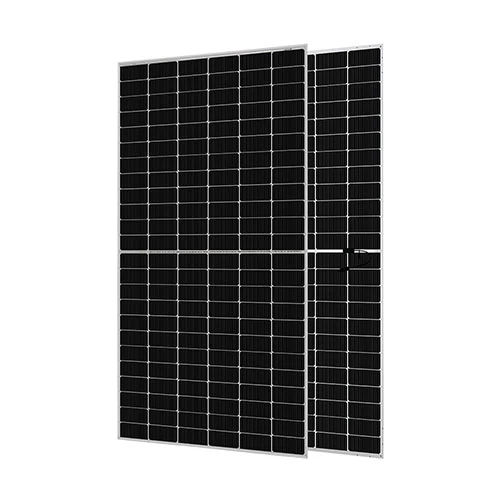
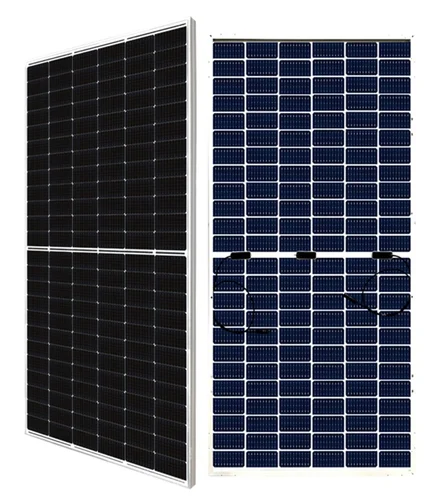
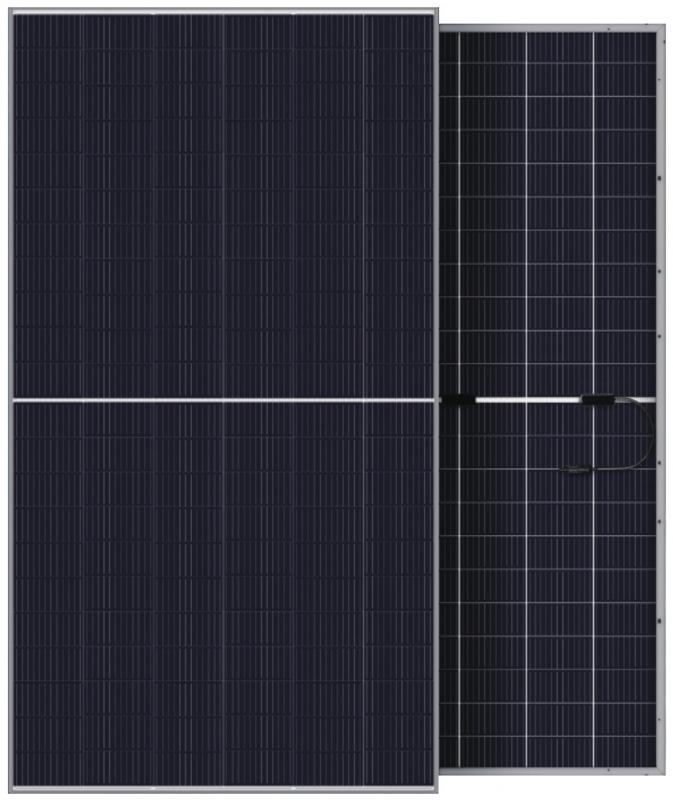
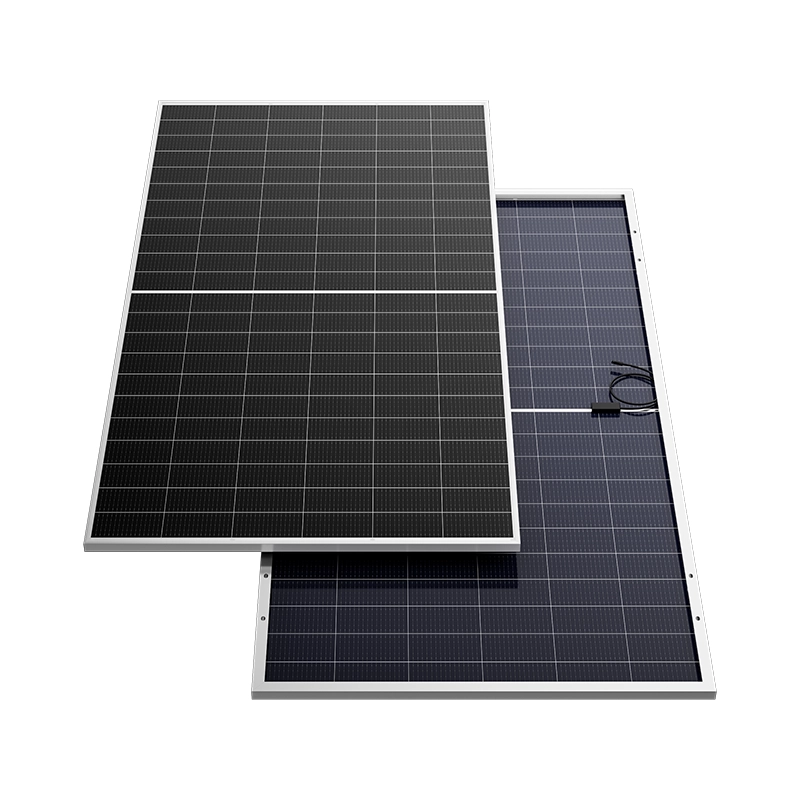
PV Modules 580–720 W (TOPCon/HJT; mono bifacial) are next-generation, high-efficiency photovoltaic panels engineered for utility-scale, commercial, and large industrial solar power installations. Built using advanced TOPCon (Tunnel Oxide Passivated Contact) or HJT (Heterojunction Technology) cells on monocrystalline silicon wafers, these modules deliver superior energy yield, improved temperature performance, and long-term operational reliability. The bifacial architecture captures sunlight from both front and rear surfaces, significantly increasing total energy generation in ground-mounted and reflective-surface environments. As global industries accelerate decarbonization and energy cost optimization, these high-power modules represent a strategically critical solution for large-scale renewable power deployment.
2. Key Specifications & Technical Characteristics
- Cell Technology: Monocrystalline Silicon – TOPCon or HJT architecture
- Module Power Output: 580 W – 720 W
- Module Efficiency: Typically 21.5% – 23%
- Cell Configuration: High-density half-cut cells with multi-busbar design
- Bifacial Gain: Up to 5–25% additional energy yield depending on installation conditions
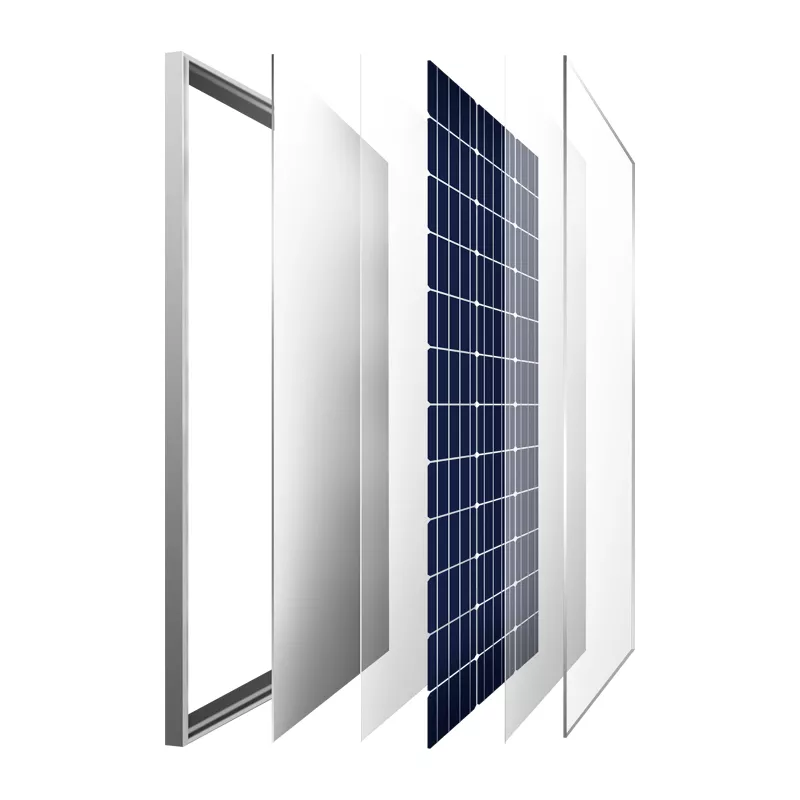
- Material Components:
- Monocrystalline silicon photovoltaic cells
- Tempered low-iron solar glass (front and rear for bifacial modules)
- EVA or POE encapsulant layers
- Aluminum alloy frame
- Backsheet or dual-glass structure
- Copper interconnect ribbons
- Junction box with bypass diodes
- Electrical Characteristics:
- Maximum system voltage: 1500 V DC
- Temperature coefficient (Pmax): approx. −0.29% to −0.34%/°C
- Operating temperature range: −40°C to +85°C
- Physical Characteristics:
- Form: Rigid photovoltaic panel
- Color: Black/blue monocrystalline cells with silver gridlines
- Module dimensions: typically ~2270–2400 mm × 1130–1300 mm
- Weight: approximately 31–38 kg per module
- Durability & Protection:
- Mechanical load rating: up to 5400 Pa (snow) / 2400 Pa (wind)
- IP68-rated junction box
- High resistance to PID, LID, and microcracks
- Packaging Options:
- Palletized modules with protective corner guards
- Standard export packaging for sea freight
- Service Life:
- Expected operational lifespan: 25–30 years
- Performance warranty typically ≥84–87% output at year 30
3. Core Industrial Applications
Utility-Scale Solar Power Plants
These high-wattage modules are optimized for large solar farms where maximizing energy output per panel significantly reduces land usage, racking infrastructure, and installation costs. Bifacial capability enables additional energy capture from reflected ground light, increasing plant-level performance.
Commercial & Industrial (C&I) Energy Systems
Large manufacturing facilities, logistics centers, and industrial parks deploy these modules on rooftop or ground-mounted systems to offset grid electricity costs and meet sustainability targets.
Energy Infrastructure & Grid Projects
Power developers, EPC contractors, and independent power producers integrate these modules into grid-connected renewable power projects due to their high power density and excellent performance in high-temperature climates.
Hybrid Energy Systems & Storage Projects
When paired with utility-scale battery energy storage systems, these modules support stable renewable generation for microgrids, mining operations, and energy-intensive industrial operations.
Performance Advantages
- Higher energy yield through bifacial power generation
- Superior efficiency from advanced TOPCon/HJT cell technologies
- Reduced balance-of-system (BOS) costs due to high wattage per module
- Improved low-light and high-temperature performance compared with conventional PERC modules
4. Competitive Advantages
High Manufacturing Quality
Precision cell fabrication and automated module assembly ensure consistent electrical performance, minimal degradation, and strict quality control across production batches.
Reliable Global Supply
Large-scale manufacturing capacity supports stable supply for utility projects, EPC contractors, and industrial buyers requiring predictable delivery timelines.
Optimized Logistics Efficiency
High power density allows fewer modules per megawatt installation, reducing transportation, storage, and installation complexity.
Cost-Effective Energy Generation
Higher module output and bifacial gain lower the levelized cost of electricity (LCOE) for solar power plants and industrial energy systems.
Sustainability Benefits
Solar modules provide zero-emission electricity generation, supporting corporate decarbonization goals and compliance with global climate policies.
Technical Documentation & Support
Full technical datasheets, performance certificates, and installation guidelines are available to support engineering design, procurement, and regulatory approvals.
5. Commercial & Supply Information
- Minimum Order Quantity (MOQ): BULK 20 MT
- Loading Capacity: Approximately 20–25 MT per 40-ft container depending on module size and packaging configuration

Reviews
There are no reviews yet.