
Description
1. Product Overview
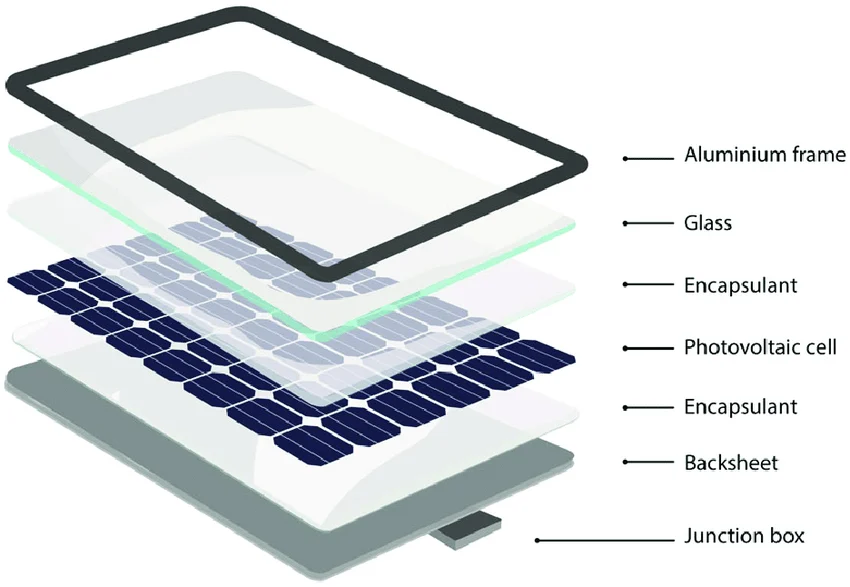
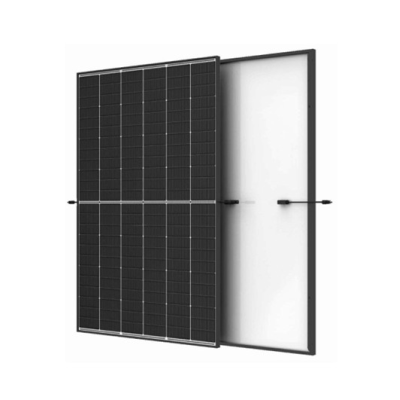
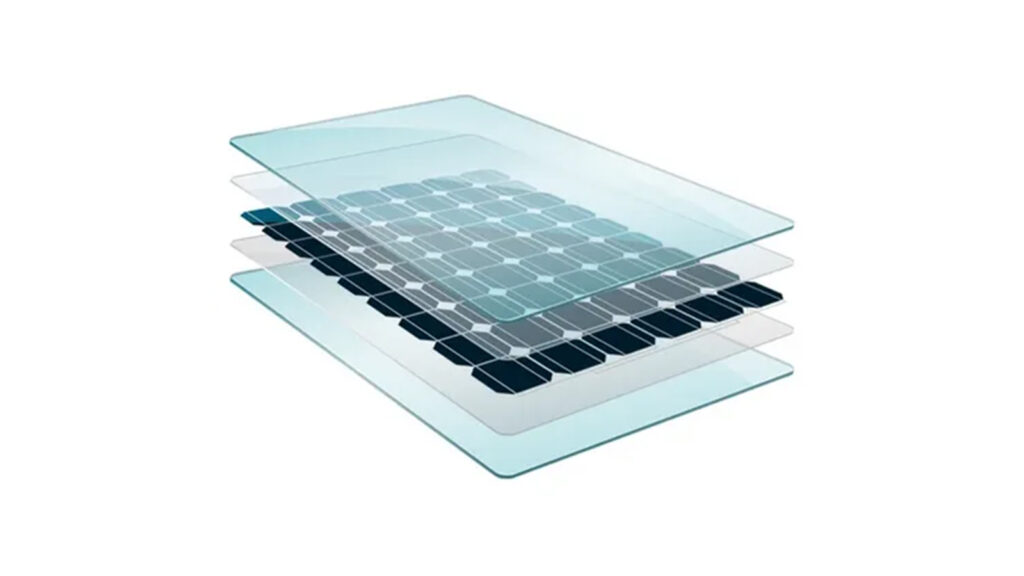
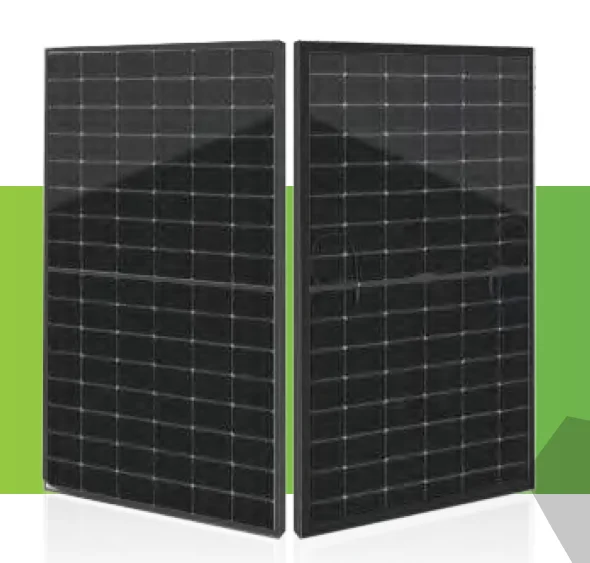
PV glass and backsheets are critical structural and protective components used in the manufacturing of photovoltaic (PV) solar modules. PV glass serves as the high-transparency front layer that maximizes solar radiation transmission while protecting the cells from environmental stress, while backsheets provide electrical insulation, moisture barriers, and mechanical durability at the rear of the module. Together, these materials ensure long-term performance, safety, and efficiency of solar panels operating in demanding outdoor conditions. As global solar installations accelerate, reliable PV glass and backsheet materials are strategically essential to achieving durable, high-efficiency solar power systems and reducing the levelized cost of energy (LCOE).
2. Key Specifications & Technical Characteristics
- Material Composition
- PV Glass: Low-iron tempered glass with high solar transmittance
- Backsheets: Multi-layer polymer laminates typically composed of PET, PVDF, or fluoropolymer-based films
- Purity / Grade
- Solar-grade ultra-clear glass (low iron content)
- High-performance polymer laminate grade for PV module encapsulation
- Physical Characteristics
- PV Glass:
- Form: Tempered glass sheet
- Color: Ultra-clear / low iron
- Thickness: Typically 2.0 – 3.2 mm
- Solar transmittance: ≥ 91%
- High mechanical strength and impact resistance
- Backsheets:
- Form: Flexible laminated film sheets
- Color: White, black, or transparent
- Excellent UV resistance, moisture barrier, and electrical insulation
- PV Glass:
- Packaging Options
- PV glass packed in reinforced crates or palletized bundles with protective interlayers
- Backsheets supplied in rolls or sheets with moisture-resistant packaging
- Shelf Life
- PV glass: Indefinite when stored in dry, controlled conditions
- Backsheets: Typically 12–24 months under recommended storage conditions
3. Core Industrial Applications
Primary Industries
- Solar photovoltaic module manufacturing
- Renewable energy equipment manufacturing
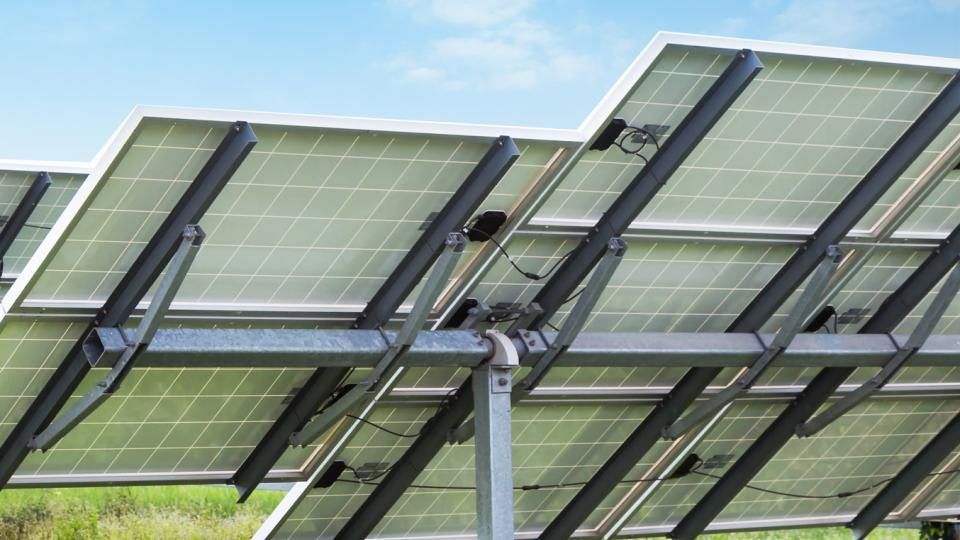
- Solar farm infrastructure development
- Building-integrated photovoltaics (BIPV)
Operational Use Cases
- Protective front cover for solar cells ensuring high light transmission and environmental protection
- Rear encapsulation layer providing electrical insulation and moisture resistance
- Structural reinforcement of solar modules to withstand wind, snow loads, and temperature cycling
Performance Advantages
- High solar transmittance improves overall module efficiency
- Superior UV and weather resistance ensures long operational life (25+ years)
- Enhanced mechanical durability reduces module failure rates
- Advanced backsheet insulation improves module safety and reliability
4. Competitive Advantages
- Quality Consistency – Manufactured to stringent solar industry standards ensuring reliable optical performance and mechanical strength
- Supply Reliability – Stable production capacity capable of supporting large-scale solar manufacturing operations
- Logistics Capability – Efficient international packaging and container loading optimized for safe global transport
- Price Competitiveness – Cost-effective sourcing solution for high-volume solar module production
- Sustainability Benefits – Supports renewable energy generation and long-term carbon reduction goals
- Technical Documentation – Available material specifications, compliance certificates, and quality documentation to support industrial buyers
5. Commercial & Supply Information
- Minimum Order Quantity (MOQ): BULK 20 MT
- Loading Capacity: Approximately 20–26 MT per container depending on product configuration and packaging method



Reviews
There are no reviews yet.