
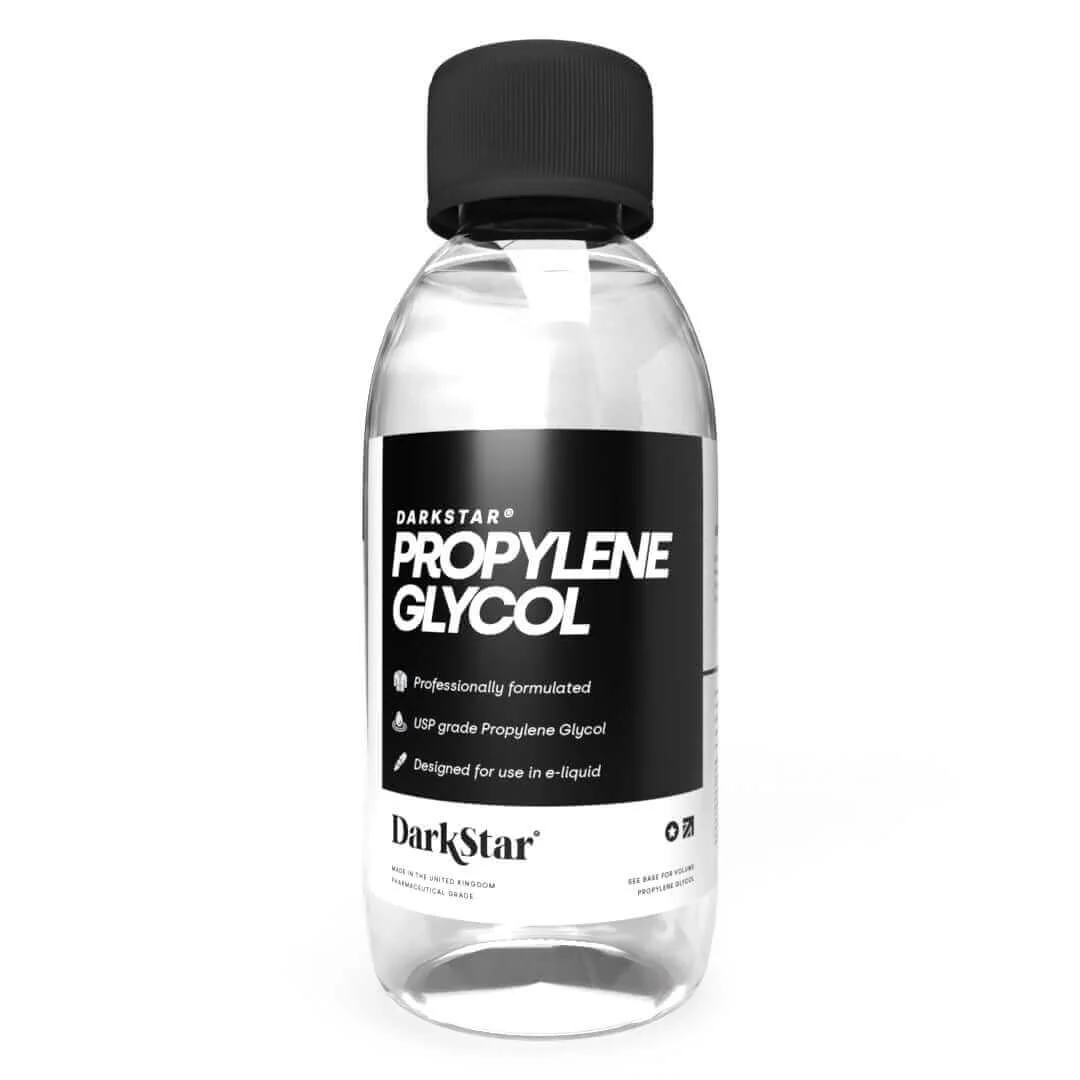

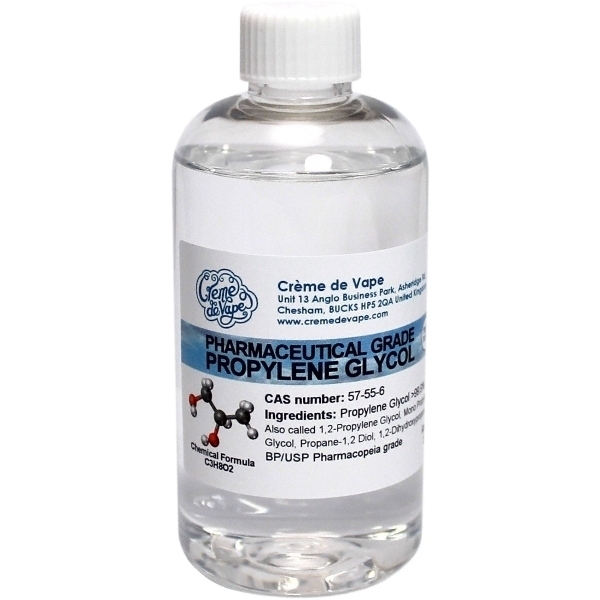
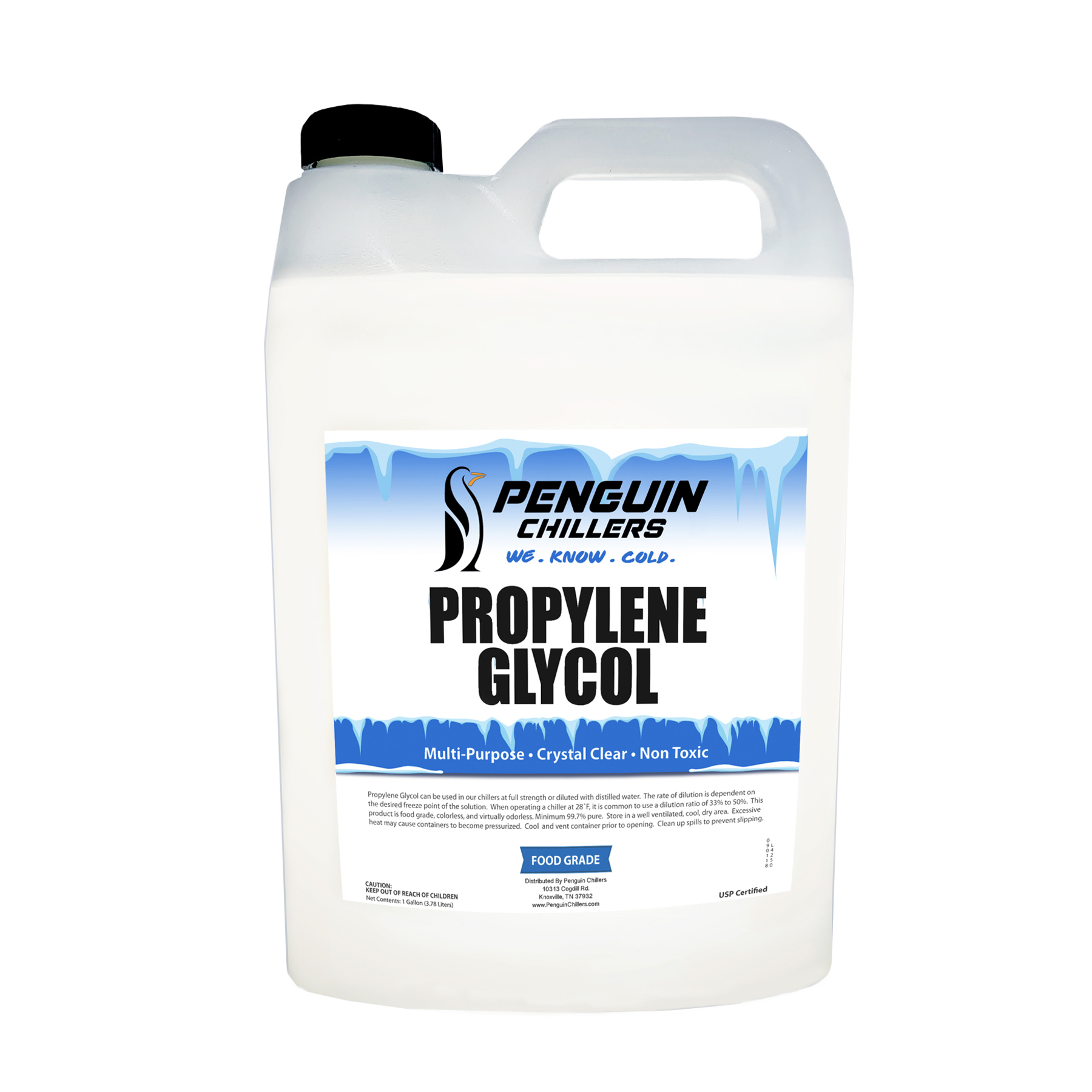

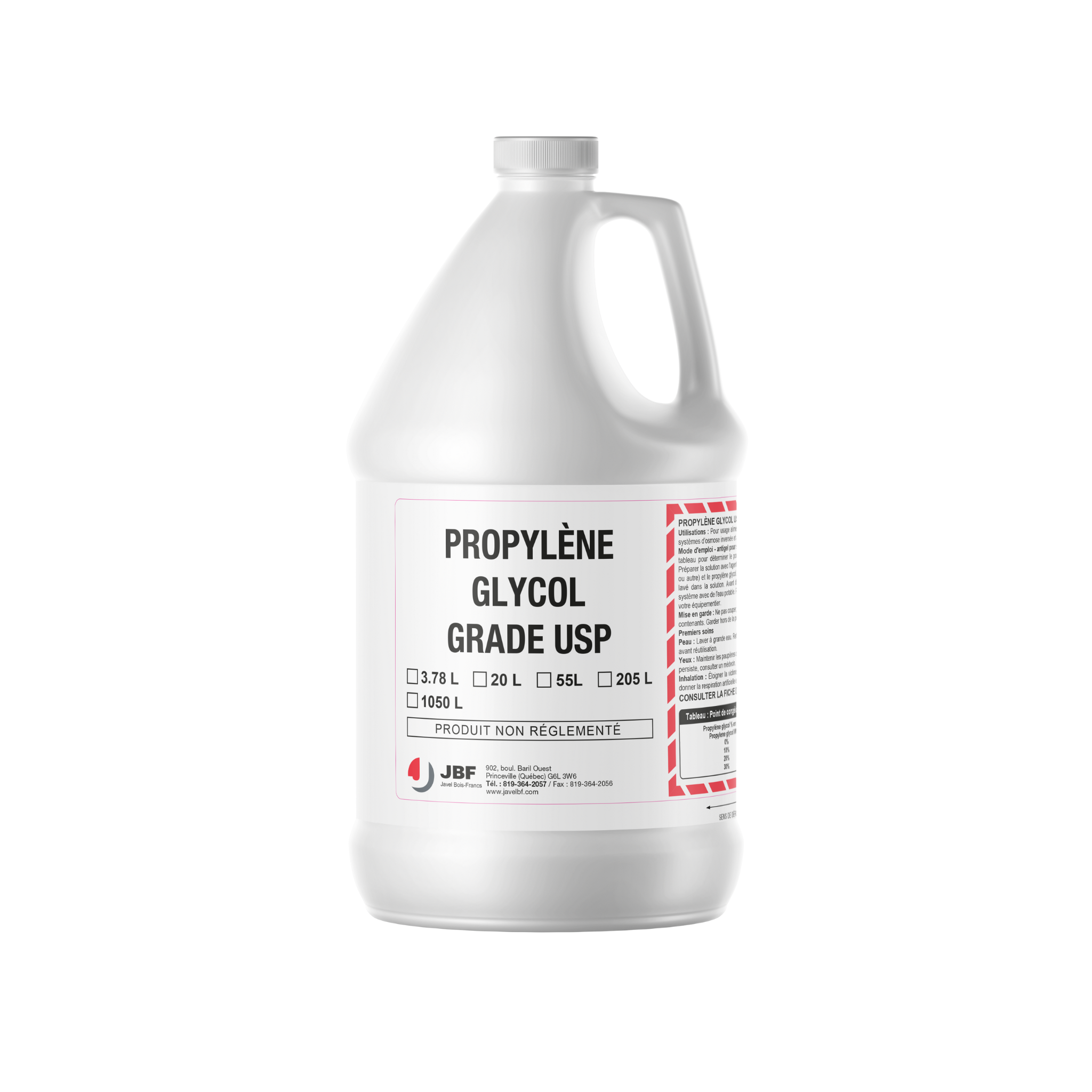
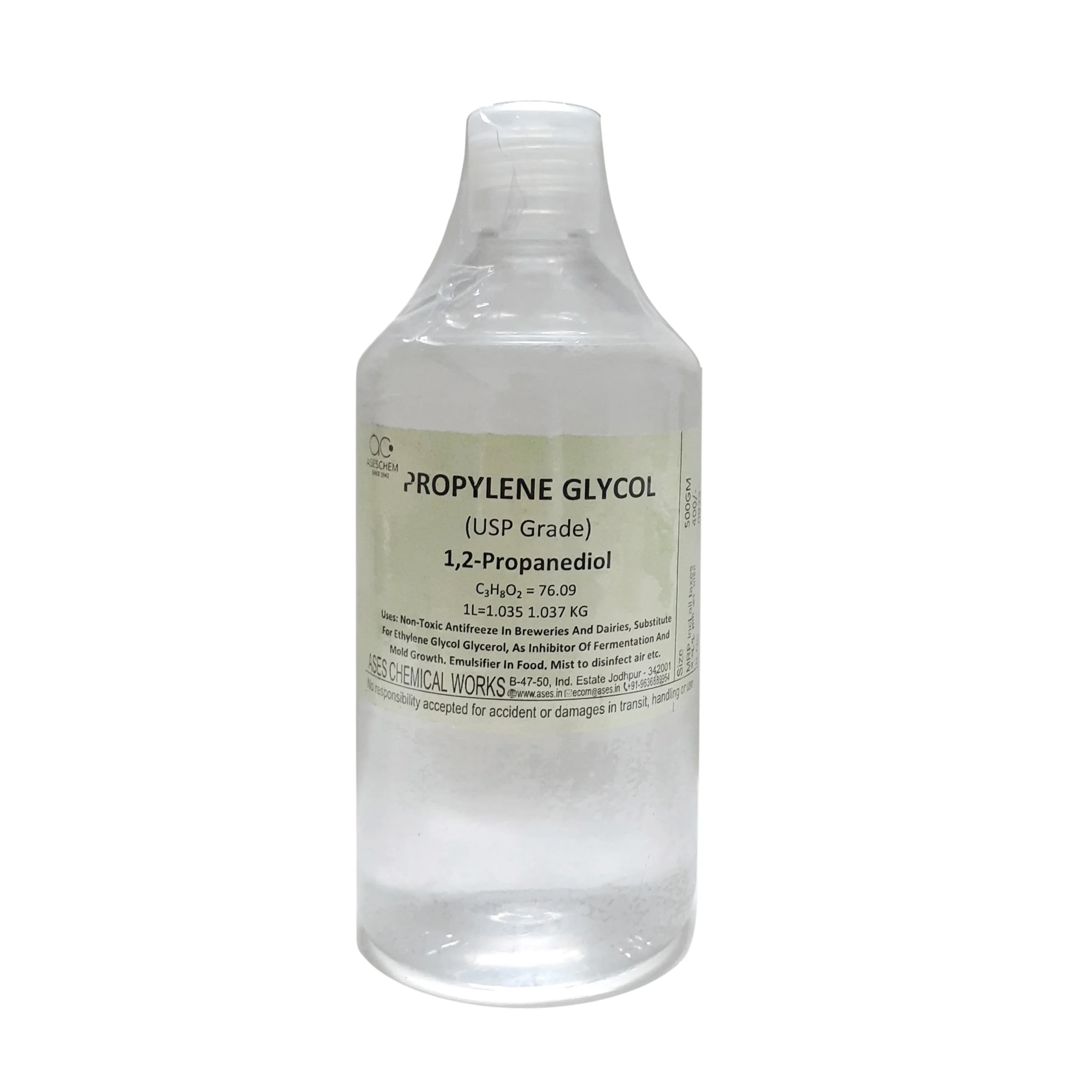
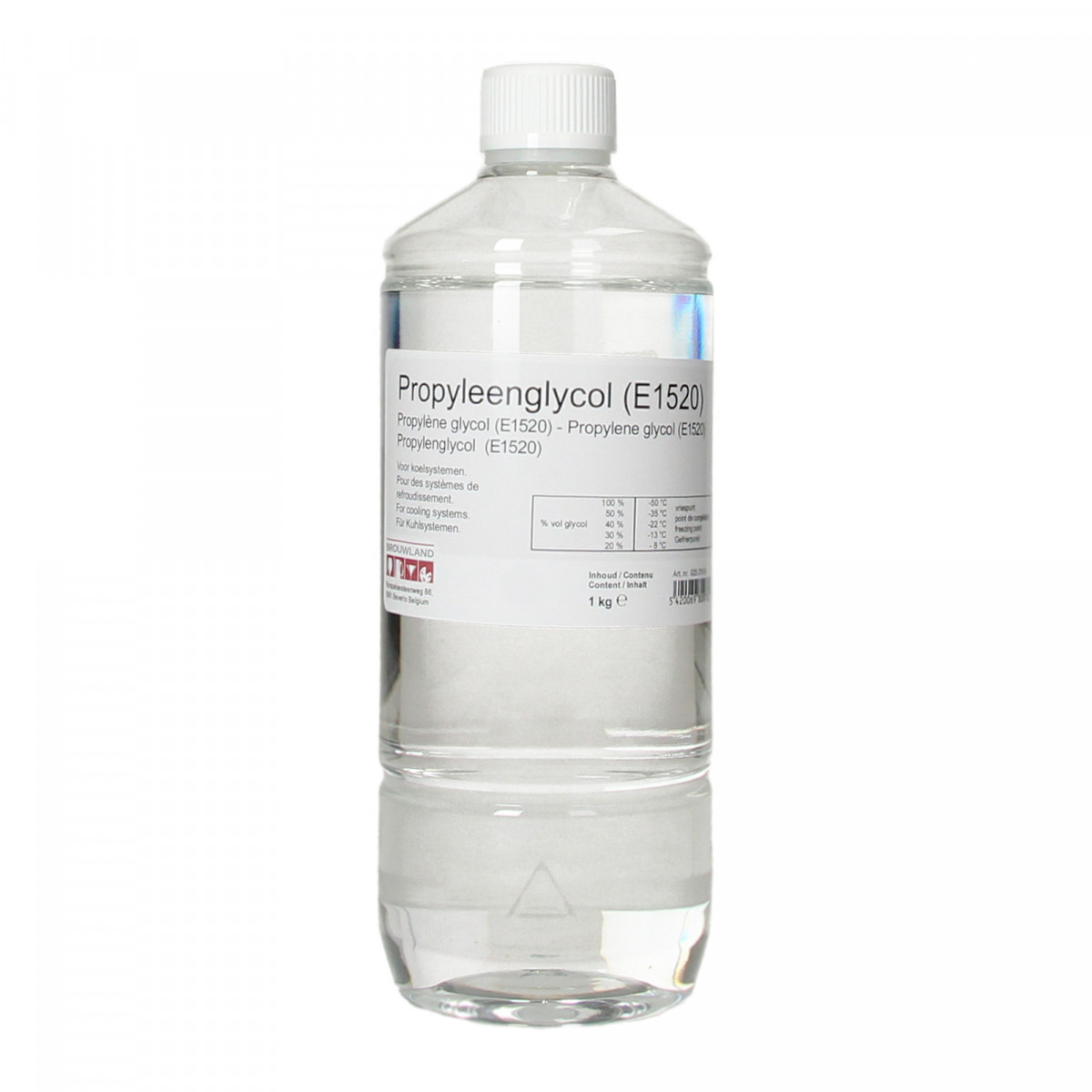
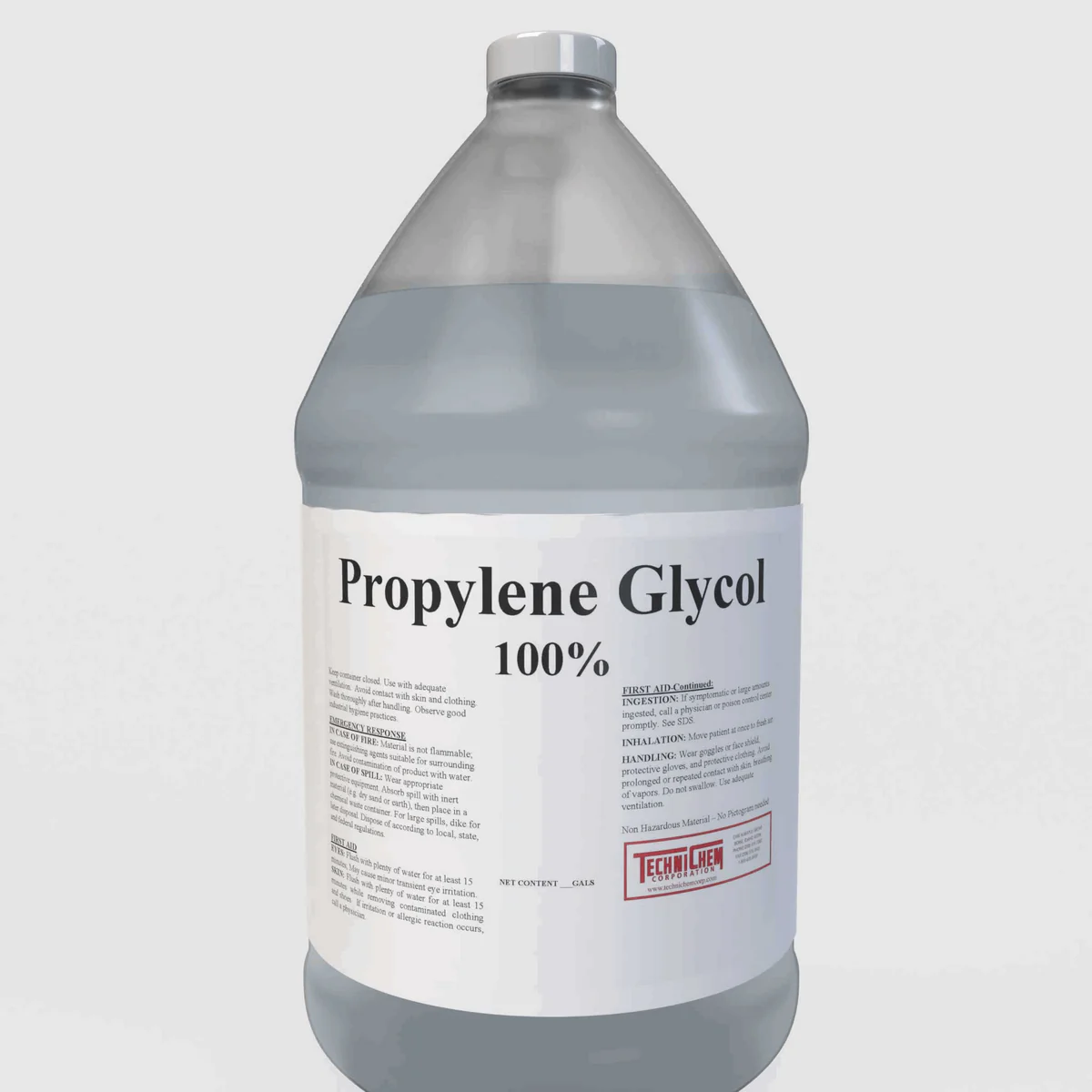
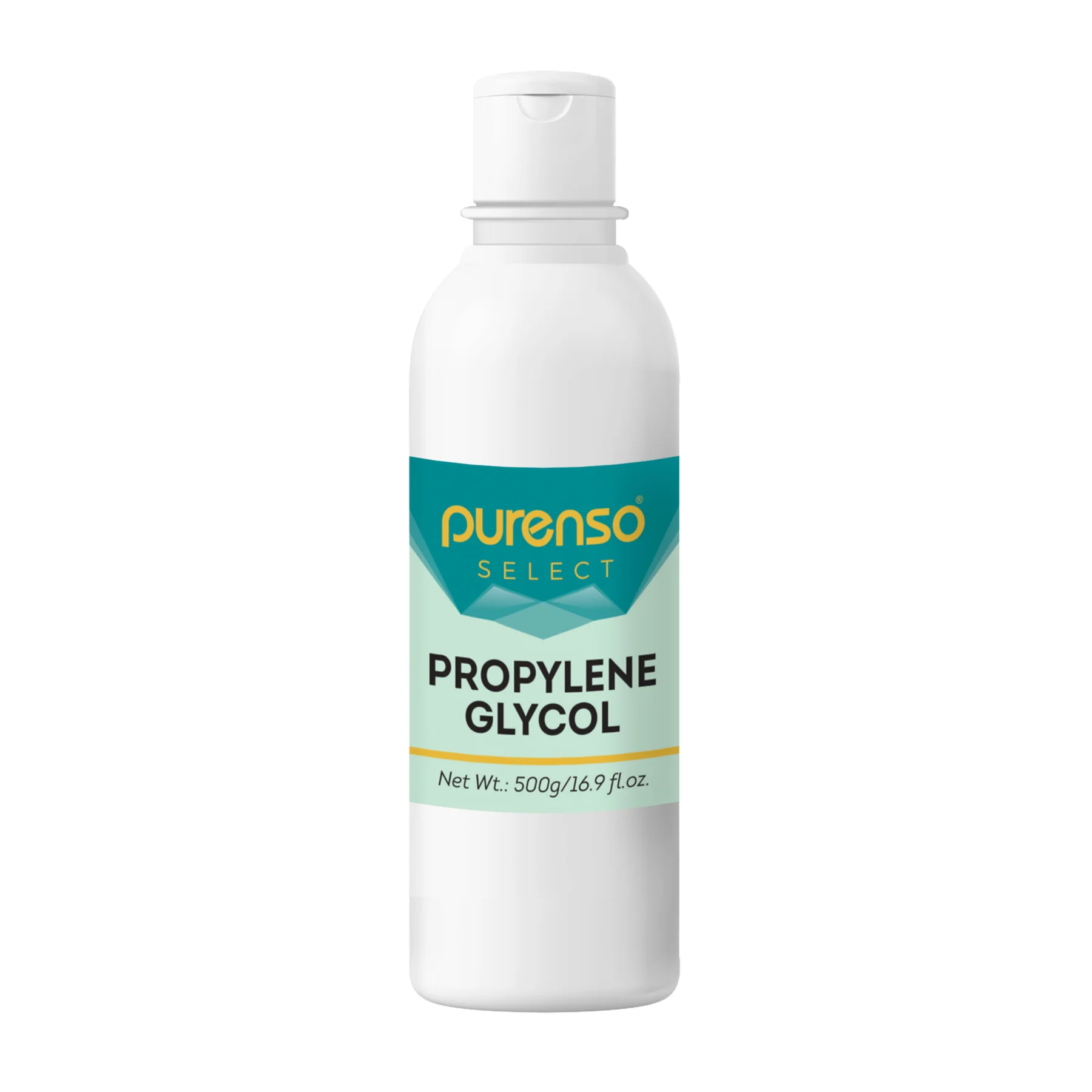
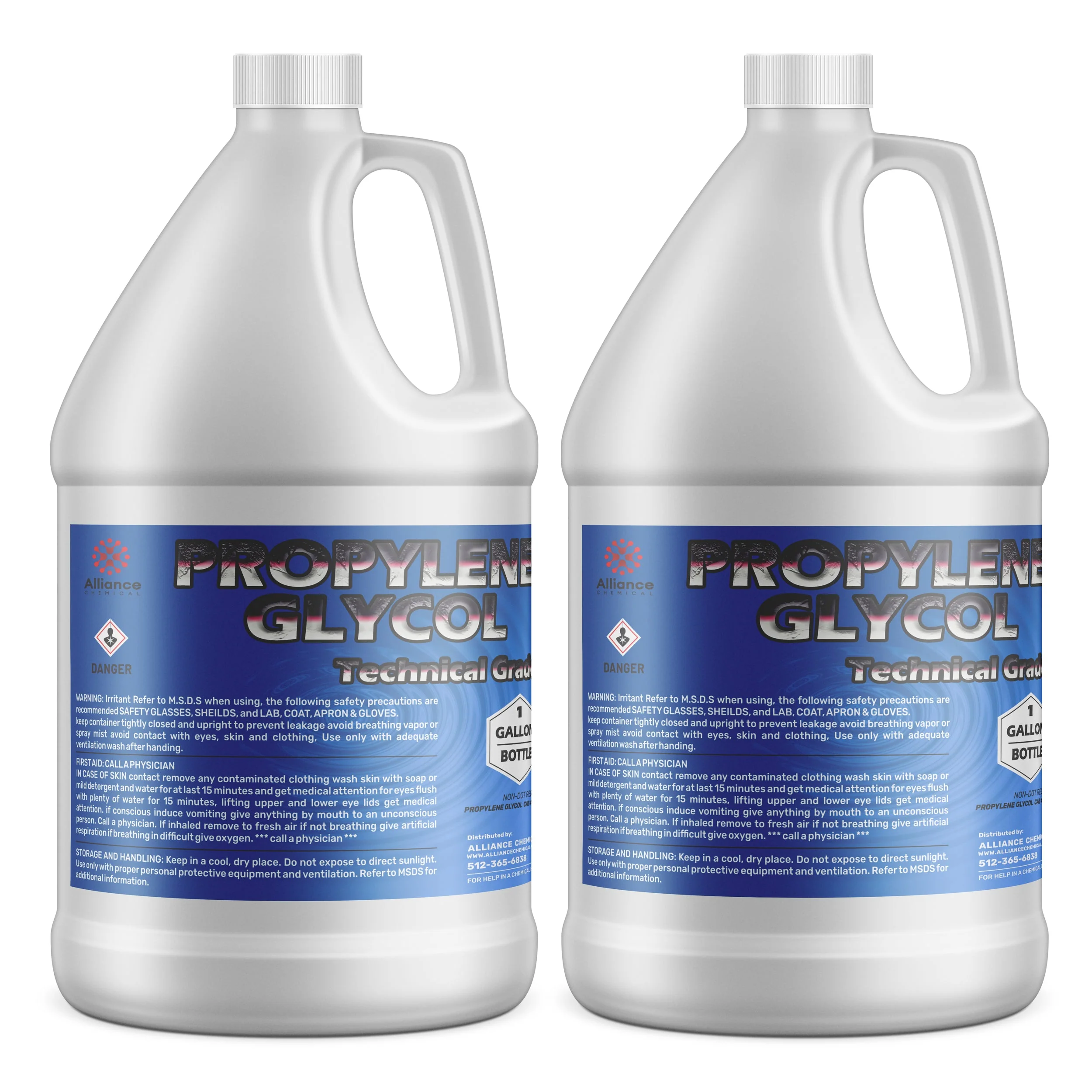
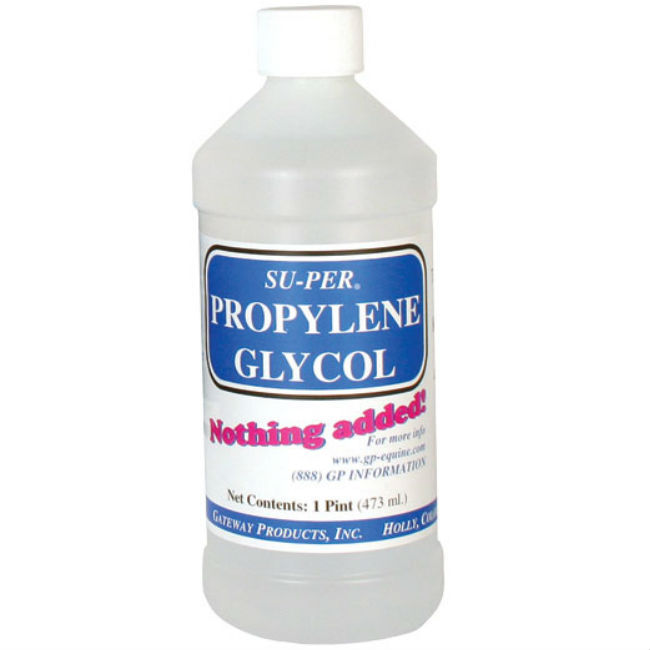
Description
Propylene Glycol: The Unsung Workhorse of Modern Life
Propylene glycol. It’s a name you might not recognize, but chances are you encounter it daily. This versatile, synthetic liquid is a workhorse ingredient found in a surprisingly diverse array of products, from the antifreeze in your car to the lotion on your skin. But what exactly is propylene glycol, and why is it so widely used?
Propylene glycol is a colorless, odorless, and slightly viscous liquid that’s derived from propylene oxide, a byproduct of petroleum processing. It’s a hygroscopic substance, meaning it readily absorbs moisture from the air, making it a valuable humectant. It’s also a solvent, a stabilizer, and a freezing point depressant, contributing to its multifaceted applications.
A Myriad of Uses:
The versatility of propylene glycol stems from its unique chemical properties. Here’s a glimpse into its widespread applications:
- Food and Beverages: Propylene glycol is used as a humectant, solvent, and preservative in a variety of foods and beverages. It helps maintain moisture in baked goods, prevents ice crystal formation in frozen desserts, and acts as a carrier for flavorings and colors.
- Cosmetics and Personal Care: This ingredient is a staple in the beauty industry, acting as a humectant in lotions, creams, shampoos, and conditioners. It helps attract and retain moisture, leaving skin and hair feeling hydrated and supple. It also functions as a solvent to dissolve other ingredients and helps deliver them effectively.
- Pharmaceuticals: Propylene glycol plays a crucial role in drug formulations, acting as a solvent and carrier for medications. It helps ensure the stability and bioavailability of active ingredients in oral solutions, injectable drugs, and topical applications.
- Industrial Applications: This synthetic compound finds application in antifreeze and de-icing solutions, where it lowers the freezing point of water, protecting engines and surfaces from damage. It’s also used in the production of unsaturated polyester resins, which are used in the manufacture of fiberglass reinforced plastics.
- Electronic Cigarettes: Propylene glycol is a key component of e-cigarette liquids, serving as a carrier for nicotine and flavorings. It produces a visible vapor when heated, mimicking the experience of smoking.
Safety Concerns and Considerations:
While generally considered safe for use in many applications, propylene glycol has faced some scrutiny. The concerns largely stem from its potential to trigger allergic reactions in some individuals, manifesting as skin irritation, redness, or itching.
It’s important to distinguish propylene glycol from ethylene glycol, a highly toxic substance used in industrial antifreeze. The two are chemically distinct, and propylene glycol is considered significantly less toxic.
The FDA (Food and Drug Administration) has classified propylene glycol as “generally recognized as safe” (GRAS) for use in food. However, individuals with sensitive skin or a history of allergic reactions should be mindful of products containing propylene glycol and consider patch testing before widespread use.
Looking Ahead:
Propylene glycol remains an indispensable ingredient in a vast range of products, playing a vital role in our daily lives. As research continues to explore its properties and potential impacts, it’s essential to stay informed about its uses and any associated risks.
Ultimately, while enjoying the benefits of products containing propylene glycol, awareness and informed decision-making are key to ensuring a safe and positive experience. From keeping your engine running smoothly to moisturizing your skin, this unsung chemical compound silently contributes to the comfort and convenience of modern living.


Reviews
There are no reviews yet.