
Description
Polyvinyl acetate (PVAc)
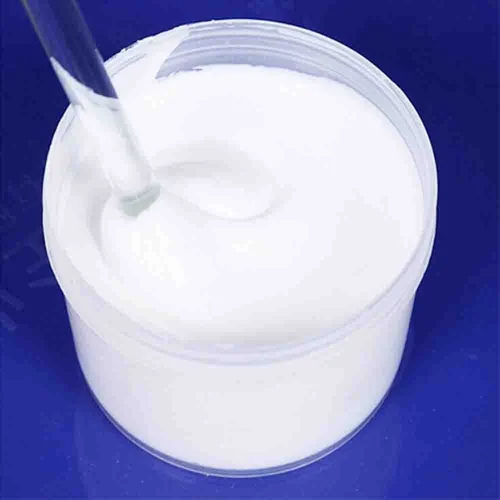
Polyvinyl acetate is a widely used vinyl polymer with the repeating unit -CH2-CH(OAc)- where OAc stands for the acetate group. It is most commonly encountered as an aqueous latex (dispersion) used in adhesives, but also exists as solid resins for coatings and other applications.
Key characteristics
- Chemical structure: Repeating vinyl acetate units; can be made as pure PVAc or as copolymers with other monomers.
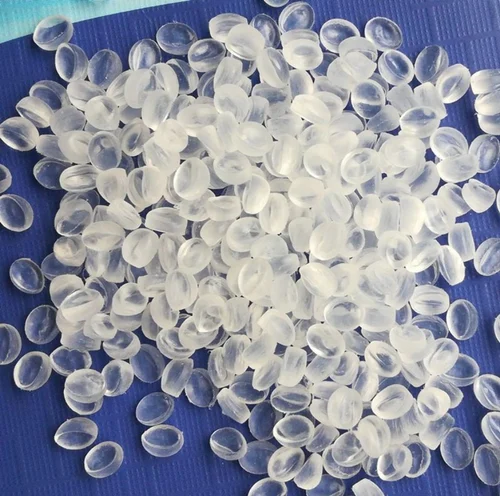
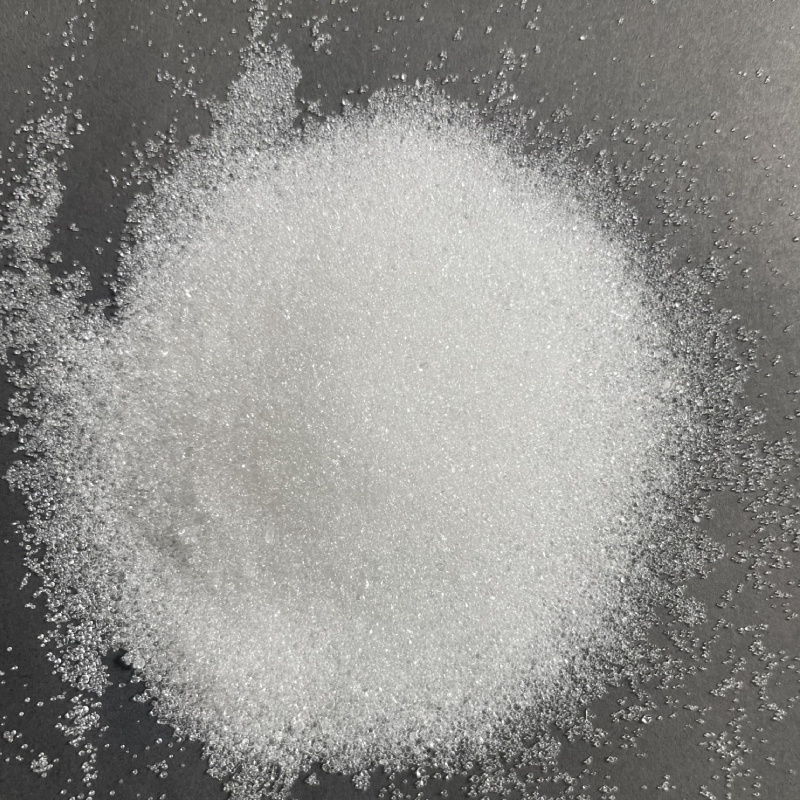
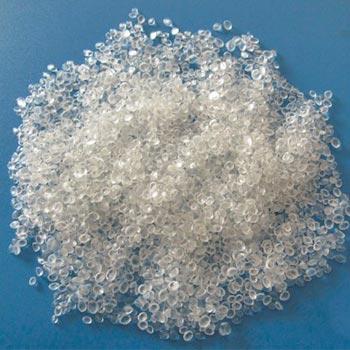
- Form: Often supplied as an aqueous latex for easy handling and low odor; solid PVAc resins are also used in coatings.
- Molecular weight: Typical PVAc polymers span a broad range of molecular weights, often optimized for viscosity, film formation, and adhesive strength.
- Glass transition temperature (Tg): The intrinsic Tg of PVAc is relatively low and can vary with molecular weight and plasticizers. In practice, the Tg is often in the range of roughly 30–40°C, but the presence of water, plasticizers, and comonomers can lower the effective Tg and enable tacky film formation at room temperature.
- Solubility and film behavior: PVAc films are not water-soluble once dry; they are soluble in certain organic solvents (e.g., acetone, ethyl acetate) to partially swollen states and can be water-sensitive when freshly cured or in moist conditions.
Synthesis and polymerization
- Monomer: Vinyl acetate (CH2=CHOAc).
- Polymerization methods:
- Free radical polymerization to produce PVAc with a wide range of molecular weights.
- Emulsion polymerization is the industrial workhorse, producing PVAc latex used directly as an adhesive binder.
- Copolymerization: PVAc is frequently copolymerized with small amounts of other monomers (e.g., ethylene, acrylates) to tailor properties such as open time, tack, hardness, and water resistance.
- Curing/film formation: In aqueous dispersions, film formation occurs as water (and other volatiles) evaporate and the polymer coalesces into a continuous film.
Typical properties and performance
- Adhesion: Excellent adhesion to a variety of substrates (wood, paper, textiles) when formulated as an emulsion adhesive.
- Open time and tack: Readily forms tacky films suitable for bonding with relatively long open times.
- Water resistance: Wet bond strength can improve with coalescence and curing; dry films are water resistant but not waterproof. Copolymers and additives can further modify water resistance.
- Mechanical properties: Flexible, cohesive films; properties depend on molecular weight and plasticizers.
- Processing: Water-based systems are easy to handle and low in volatile organic compounds (VOCs) relative to solvent-based binders.
Common applications
- Adhesives: Woodworking glues, wallpaper paste, bookbinding adhesives, paper and carton bonding, craft glues.
- Coatings and paints: Binder in decorative papers, pressure-sensitive coatings, and some decorative paints.
- Paper and textiles: Binder in paper coatings, textiles sizing, and laminates.
- Sealants and fillers: Used in formulations where a flexible, tacky binder is advantageous.
Processing considerations
- Storage and handling: PVAc latexes require standard precautions for water-based systems; avoid freezing for many formulations and store in sealed containers.
- Plasticizers and additives: Plasticizers and crosslinkers can tune open time, hardness, and water resistance; borax or other crosslinkers are sometimes used to modify set characteristics in wood adhesives.
- Compatibility: Works well with other water-based systems and can be formulated with pigments, fillers, and stabilizers for coatings and inks.
PVAc vs related materials
- PVAc vs PVA (polyvinyl alcohol): PVAc is water-insoluble in dried films and commonly supplied as an emulsion adhesive, whereas PVA is the hydrolyzed form and is typically water-soluble and used in different applications. Copolymers and blends allow varying degrees of water resistance and adhesion.
- PVAc emulsions vs solvent-based PVAc: Emulsion systems are water-based and environmentally friendlier than solvent-based binders, but may require curing and coalescing conditions to achieve full film strength.
Safety notes
- Vinyl acetate monomer is a hazardous industrial chemical. PVAc polymer and its latex are generally considered safe for typical consumer adhesive use, but manufacturing and handling should follow appropriate safety data sheets and regulatory guidelines.
- In consumer products, ensure proper ventilation and follow product labels and safety data sheets.
If you’d like, I can tailor this to a specific application (e.g., woodworking adhesives, wallpaper paste, or coatings) and include typical formulations, performance benchmarks, or a quick comparison table.
Key takeaway: PVAc is a versatile, water-based binder widely used in adhesives and coatings, with film-forming capability, tunable properties through formulation and copolymerization, and a strong track record in consumer and industrial applications.



Reviews
There are no reviews yet.