
Description
1. What Exactly Is Polyethylene Wax?
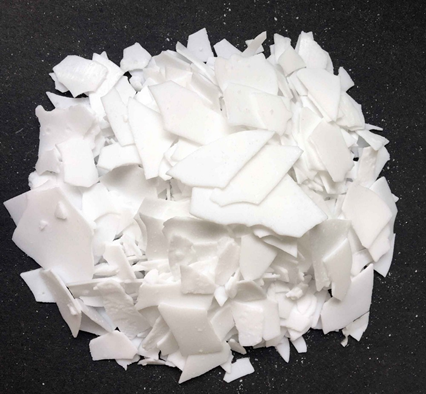
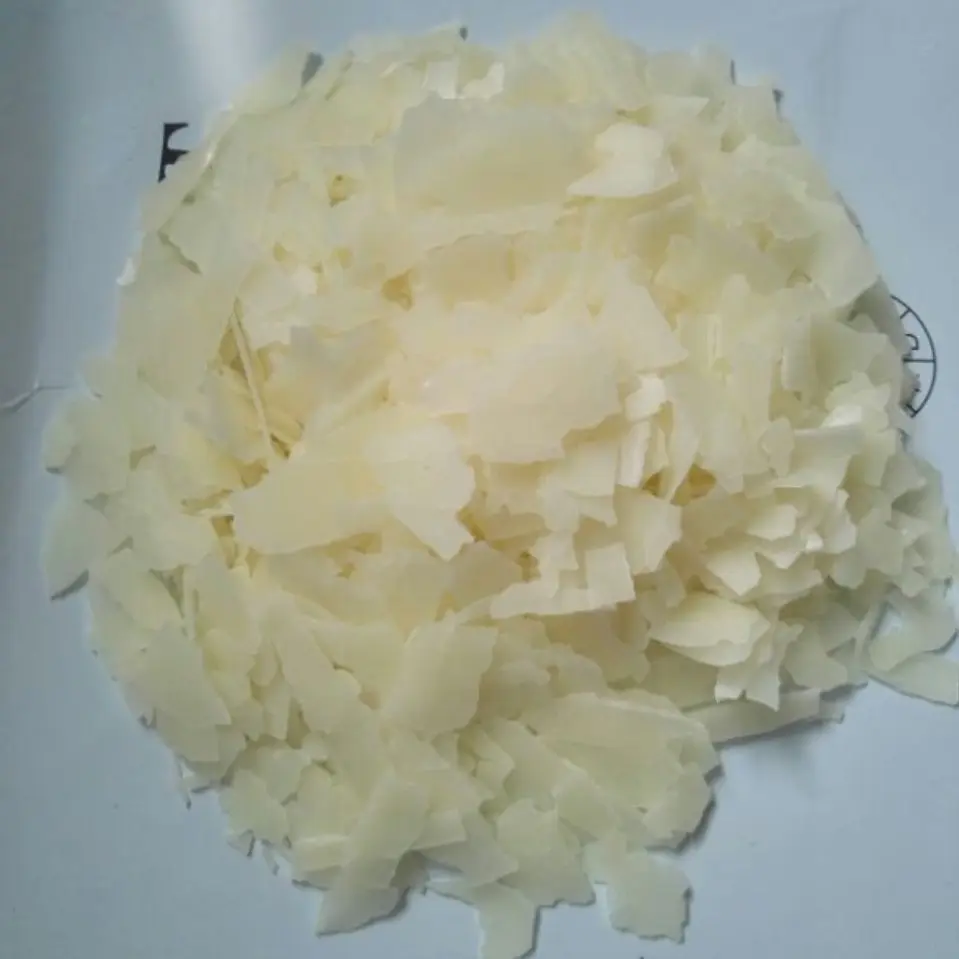
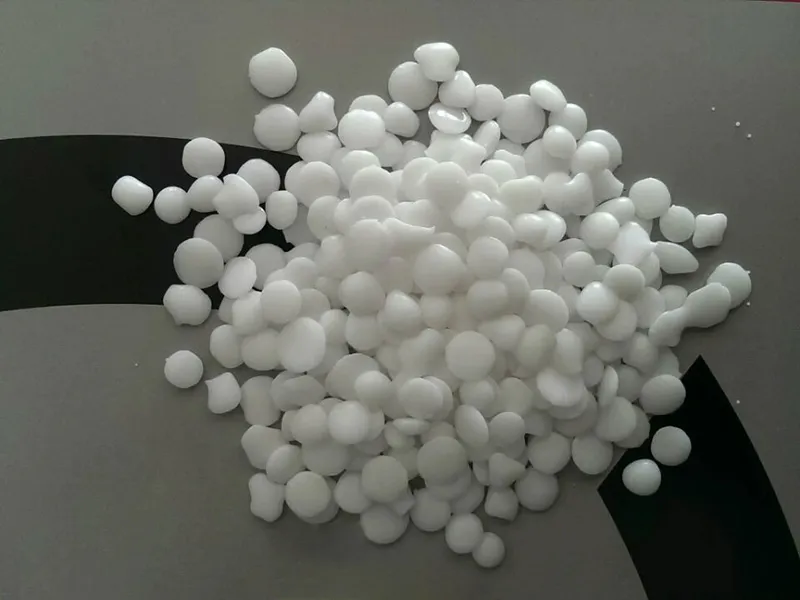
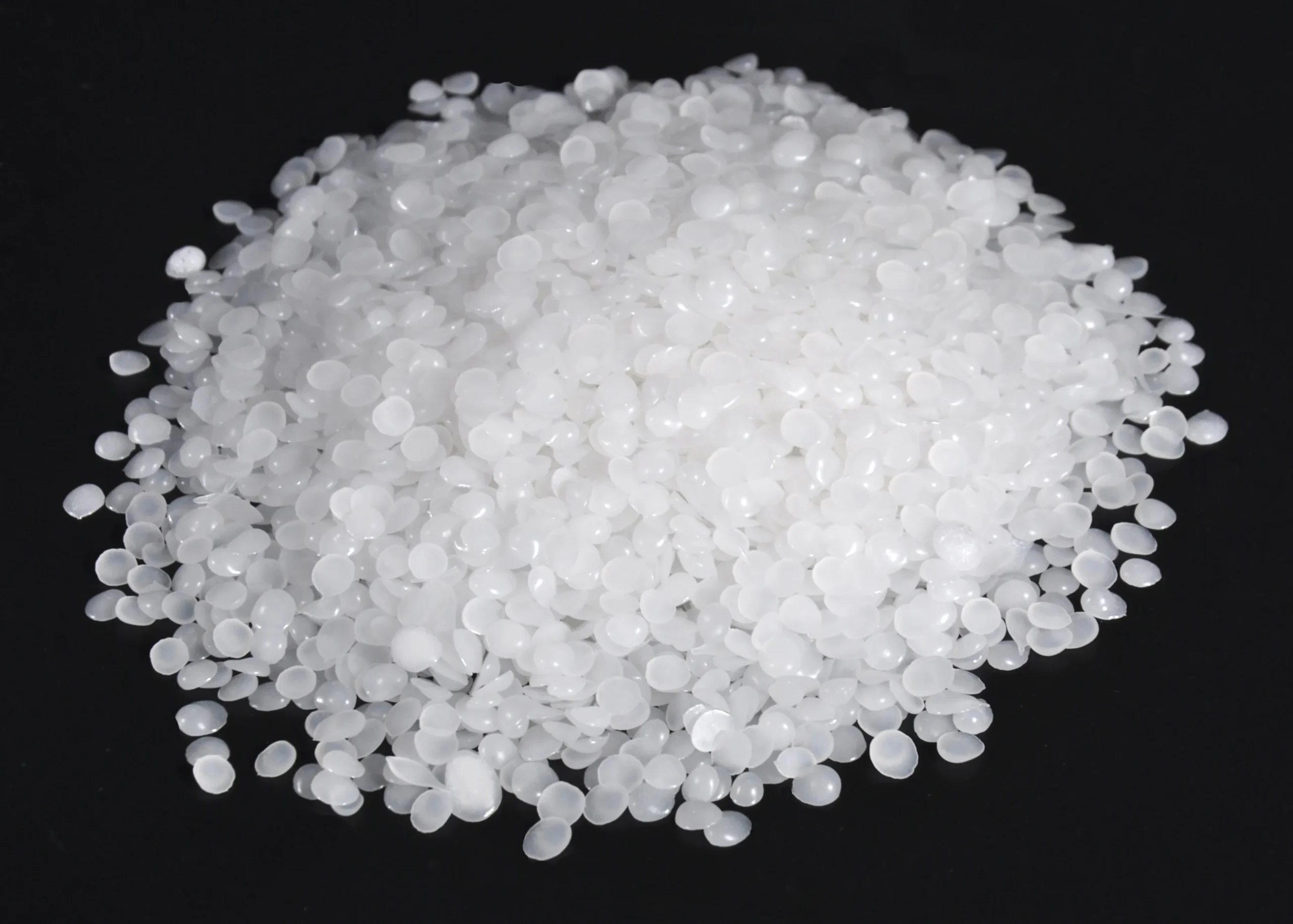
At its core, polyethylene wax is a low‑molecular‑weight version of the ubiquitous polymer polyethylene (PE). While “regular” PE chains can stretch to millions of carbon atoms, PE wax typically contains 10 – 1000 repeat units, giving it a molecular weight (Mᵥ) in the range of 200 – 10 000 g·mol⁻¹.
Because the chains are short, the material is solid at room temperature but melts at relatively low temperatures (≈ 80 – 150 °C). The result is a soft, tacky, semi‑crystalline wax that combines the chemical resistance of polyethylene with the flexibility and lubricity of a conventional wax.
Quick‑look definition
Polyethylene wax = low‑molecular‑weight polyethylene, semi‑crystalline, low‑melting, highly versatile polymeric wax.
2. How Is PE Wax Produced?
There are three main industrial routes, each delivering a slightly different wax profile:
| Method | Typical Feedstock | Reaction Conditions | Key Features of the Wax |
|---|---|---|---|
| Low‑Pressure (LDPE) Cracking | Ethylene (often from steam cracking) | 60‑80 °C, 1–5 MPa, Ziegler‑Natta or metallocene catalyst | Narrow molecular‑weight distribution, high density (0.92‑0.94 g·cm⁻³), excellent oxidative stability |
| High‑Pressure (HDPE) Cracking | Ethylene or natural‑gas liquids | 200‑300 °C, 30‑70 MPa, free‑radical mechanism | Broader distribution, lower density (0.90‑0.92 g·cm⁻³), higher melt flow index |
| Polymer‑Derived (PE‑Based) Wax | Post‑consumer or virgin LD/HDPE waste (recycling) | Controlled pyrolysis or melt‑blending, often followed by fractionation | Sustainable, customizable melt point, can embed additives directly during extrusion |
Metallocene catalysts have become especially popular because they allow precise tuning of chain length and branching, giving manufacturers the ability to “design‑by‑property” a wax for a specific end‑use.
3. Signature Properties That Make PE Wax Special
| Property | Typical Value | Why It Matters |
|---|---|---|
| Melt Flow Index (MFI) | 5‑500 g/10 min (210 °C, 2 kg) | Indicates processability – high MFI waxes flow easily into inks, coatings, or extrusion streams |
| Density | 0.90‑0.94 g·cm⁻³ | Determines the wax’s buoyancy and compatibility with other polymers |
| Hardness (Shore D) | 30‑70 | Balances tackiness and wear resistance in applications like polishes |
| Water/Oil Repellency | Contact angle > 90° | Critical for packaging films and surface‑treating agents |
| Chemical Resistance | Stable to acids, bases, solvents | Guarantees long‑term performance in harsh environments (e.g., lubricants, coatings) |
| Low Odor & Non‑Toxic | Meets REACH & FDA requirements | Enables use in food, cosmetics, and medical devices |
Because PE wax is entirely hydrocarbon‑based, it is inert, non‑reactive, and compatible with most other polymers (polyethylene, polypropylene, PVC, PET, etc.). This miscibility is a key driver for its role as a compatibilizer or processing aid in polymer blends.
4. Where Is Polyethylene Wax Used?
4.1. Plastics & Polymer Processing
| Application | How PE Wax Helps |
|---|---|
| Extrusion aids (e.g., in PE/PP films) | Reduces melt viscosity → lower screw torque, better heat transfer, smoother surfaces |
| Impact modifiers | Improves toughness of rigid plastics by creating a micro‑cavitation network |
| Anti‑block agents | Prevents film layers from sticking together in packaging |
| Slip agents | Lowers coefficient of friction on molded parts, facilitating ejection from molds |
4.2. Coatings, Inks & Paints
- Industrial coatings – Provides gloss, flexibility, and weather resistance.
- Printing inks – Improves flow on high‑speed presses and enhances rub resistance.
- Wood finishes & furniture polishes – Gives a silky feel and water‑repellent surface.
4.3. Lubricants & Release Agents
- Metalworking fluids – Acts as a thickening and anti‑wear component.
- Mold release agents – Prevents adhesion of rubber, silicone, and thermoplastic composites to tooling.
4.4. Personal Care & Cosmetics
- Lipsticks, balms, and creams – Supplies a smooth, non‑sticky base and helps lock in fragrance.
- Hair care products – Offers slip and conditioning without greasiness.
4.5. Food & Pharmaceutical Packaging
Because PE wax meets stringent food‑contact regulations, it is frequently blended into PE films, pouches, and blister packs to enhance sealability and moisture barrier performance.
5. Sustainability Angle – Why PE Wax Is “Green” (When It’s Green)
| Sustainable Feature | Impact |
|---|---|
| Recycled‑Feedstock Wax | Using post‑consumer PE as a raw material cuts virgin fossil feedstock demand. |
| Low Energy Processing | Lower melt temperatures (≤ 150 °C) mean less electricity in extrusion or coating operations. |
| Long Service Life | The chemical inertness of PE wax extends product lifetimes, reducing waste. |
| Biodegradability? | Pure PE wax is not biodegradable, but it can be combined with biodegradable polymers to create compostable blends. |
The key takeaway: the environmental profile of PE wax hinges on its source and end‑use. Companies that source from recycled streams and design for recyclability can claim a notably lower carbon footprint.
6. Market Snapshot – Where Are We Headed?
- Global demand: Estimated at ≈ 2.5 Mt in 2023, with a projected CAGR of 4–5 % through 2030.
- Regional drivers:
- Asia‑Pacific – Fast‑growing packaging and automotive sectors.
- Europe – Stricter REACH regulations boosting demand for low‑odor, non‑toxic waxes.
- Emerging niches: 3‑D printing (as a rheology modifier), renewable‑energy equipment (wind‑turbine gearboxes), and electric‑vehicle battery manufacturing (where PE wax is used as a binder in electrode slurry formulations).
7. Choosing the Right PE Wax for Your Application
- Define the target melt temperature – Low‑melting wax (≈ 80 °C) for cosmetics; high‑melting (≈ 150 °C) for polymer processing.
- Check the molecular‑weight distribution – Narrow distribution → uniform performance; broader distribution → cost‑effective bulk use.
- Match the density – Higher density improves compatibility with HDPE blends; lower density works better with PP.
- Consider additive compatibility – If you need color, UV‑stabilizers, or anti‑oxidants, select a wax that can be pre‑masterbatted or that already contains these additives.
Pro tip: Run a small‑scale melt‑flow test (e.g., ASTM D1238) before committing to a full‑scale production run. It’s the fastest way to verify that the chosen wax will deliver the expected processing torque and surface finish.
8. Bottom Line
Polyethylene wax may sound like a niche polymer, but its versatility, chemical robustness, and tunable properties make it a cornerstone material across a spectrum of industries—from everyday cosmetics to high‑performance automotive components.
Whether you’re a formulation chemist looking for a low‑odor slip agent, a packaging engineer seeking a sustainable anti‑block additive, or a product manager scouting for a recyclable, cost‑effective processing aid, PE wax offers a “one‑size‑fits‑many” solution—provided you pick the right grade and source.


Reviews
There are no reviews yet.