
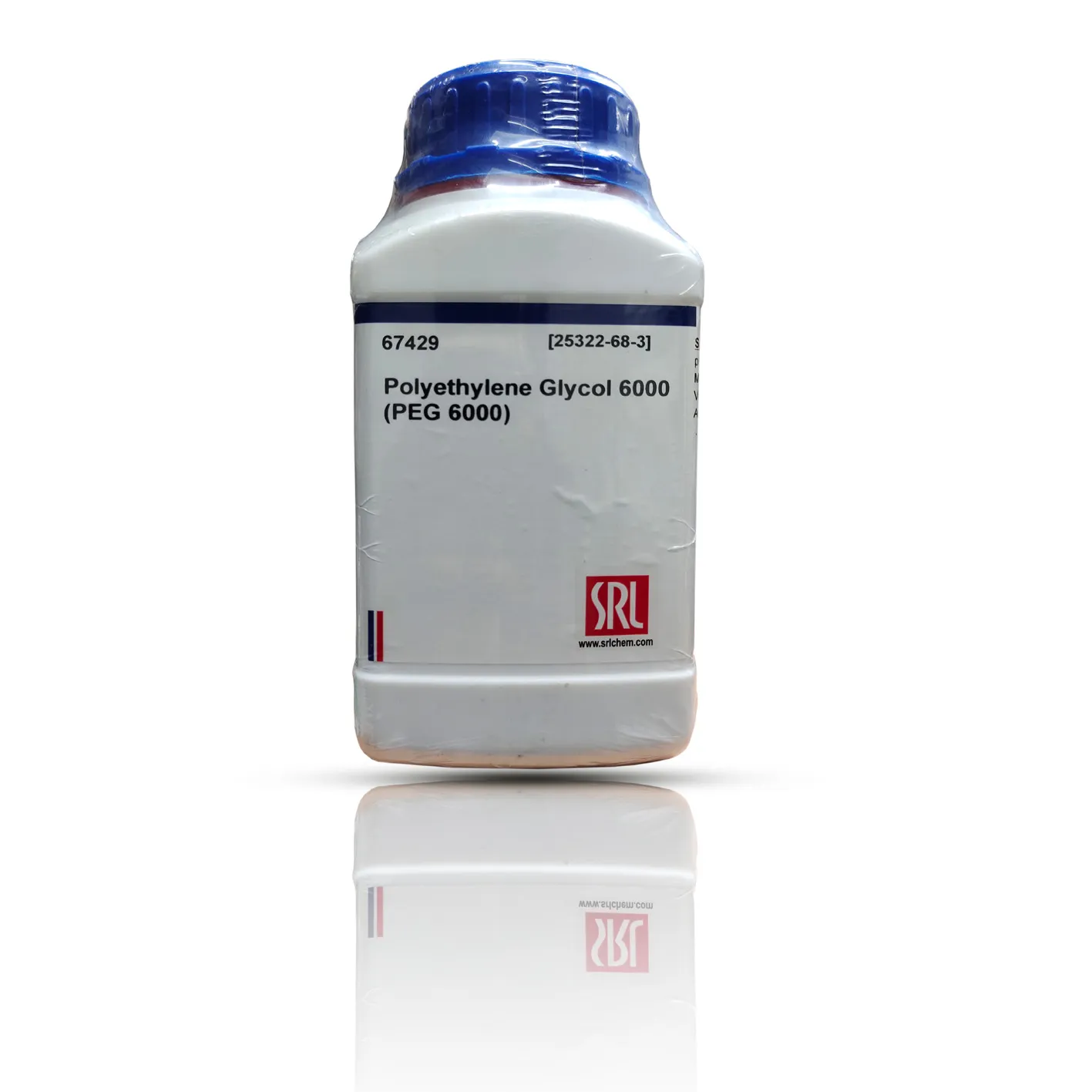
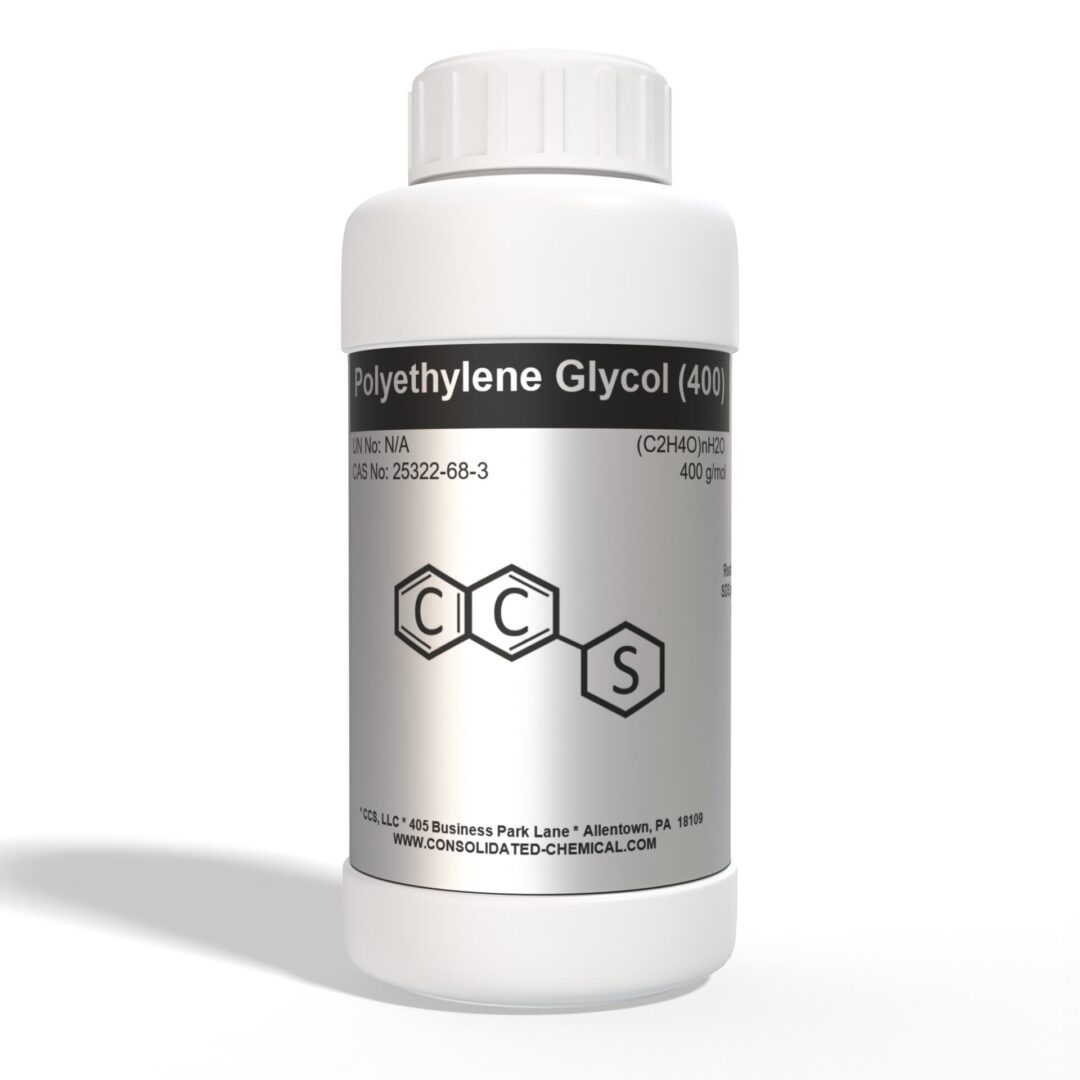
Description
Polyethylene Glycol (PEG): A Versatile Polymer Shaping Industries
Polyethylene glycol (PEG), often referred to as polyethylene oxide (PEO) or polyoxyethylene (POE) depending on its molecular weight, is a ubiquitous synthetic polymer with a wide array of applications across various industries. From medicine to manufacturing, its unique properties have made it an indispensable material.
What is PEG?
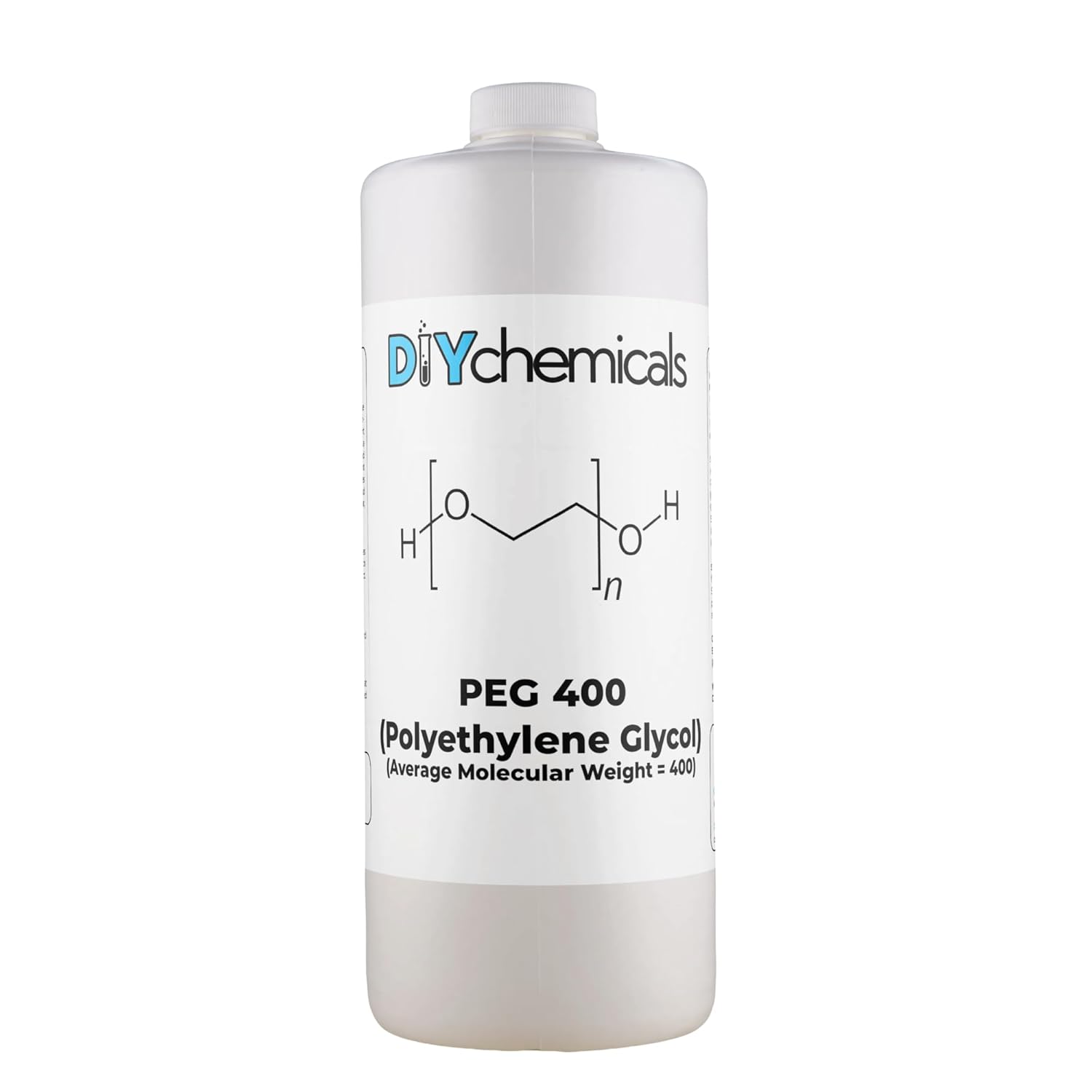
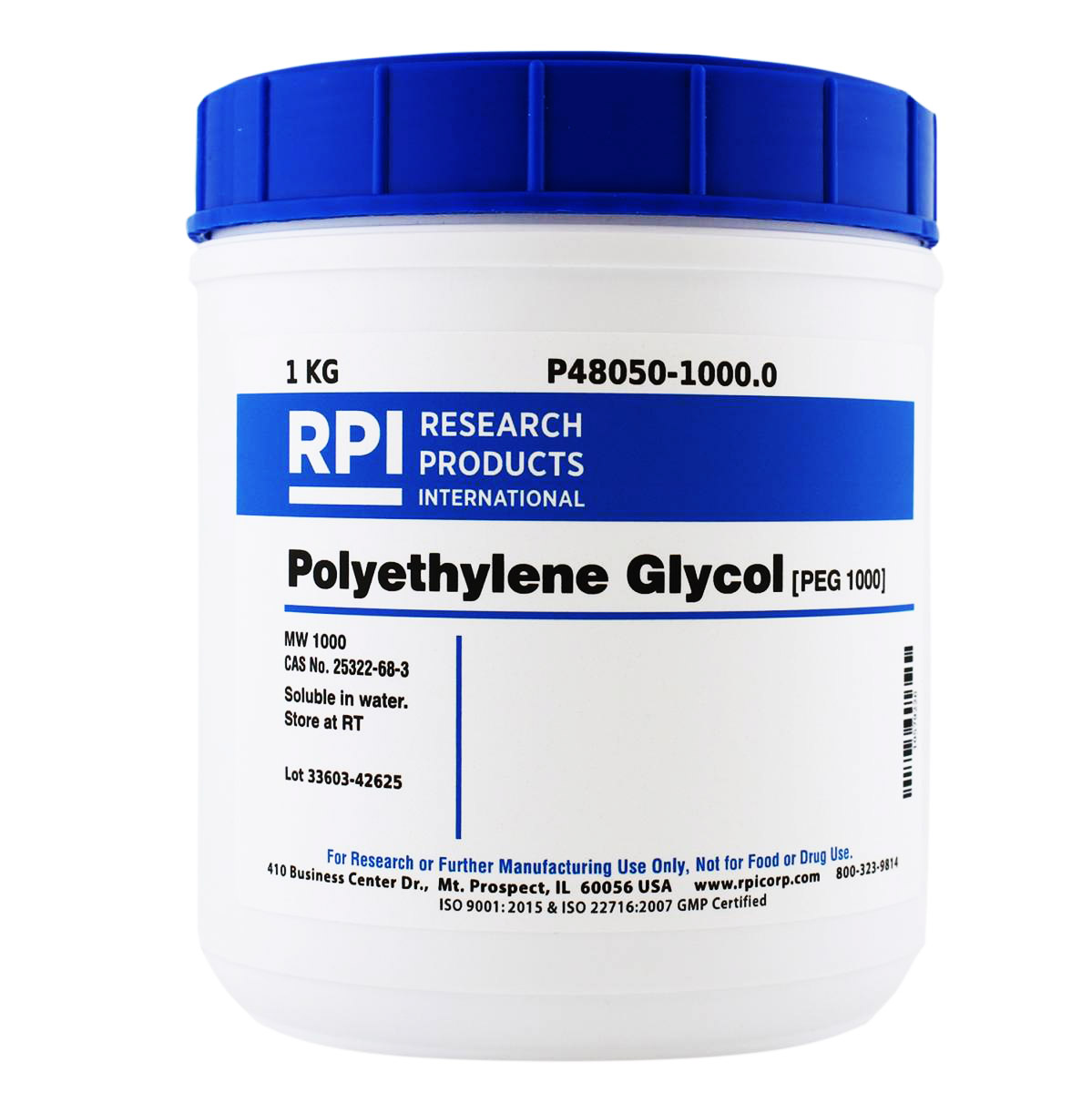
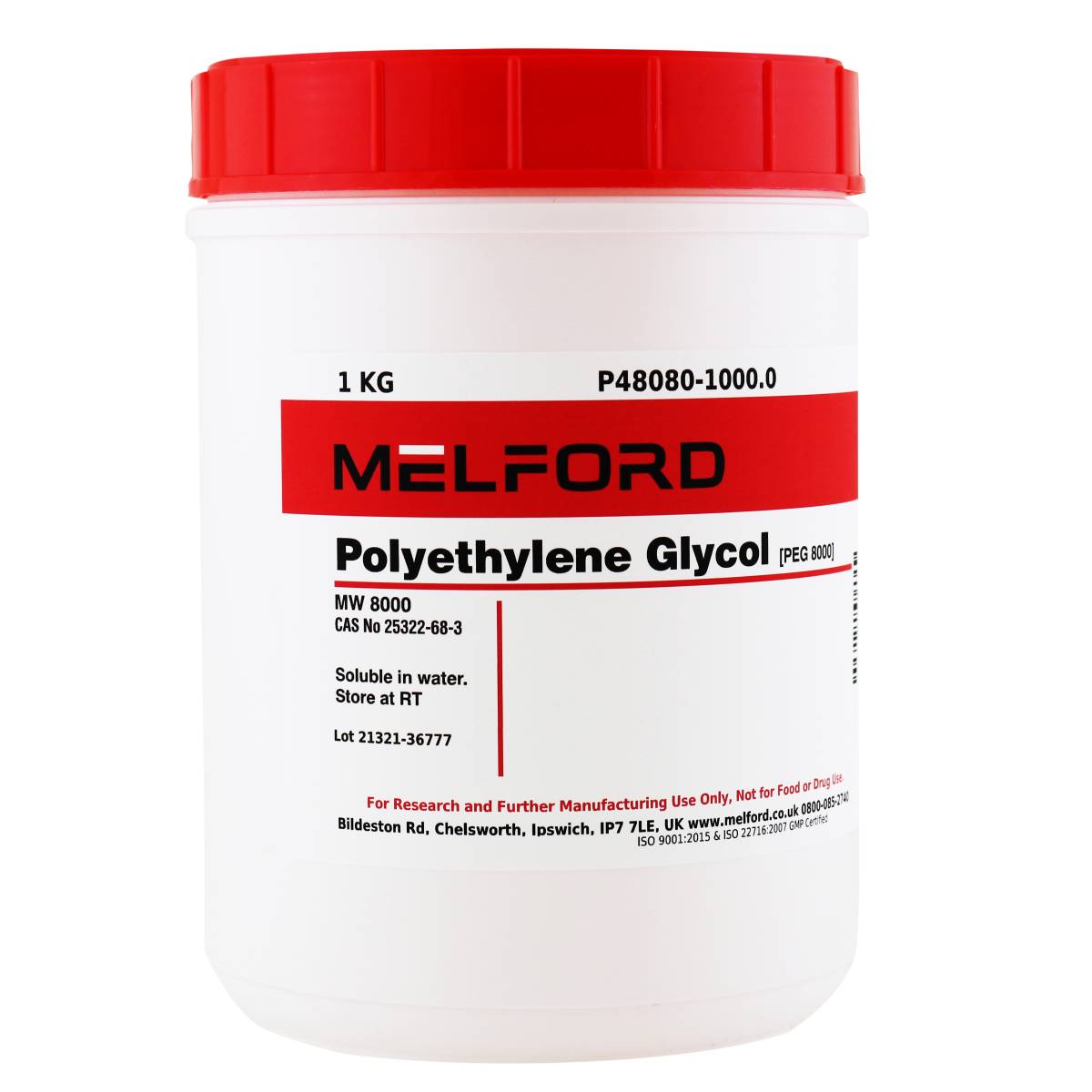
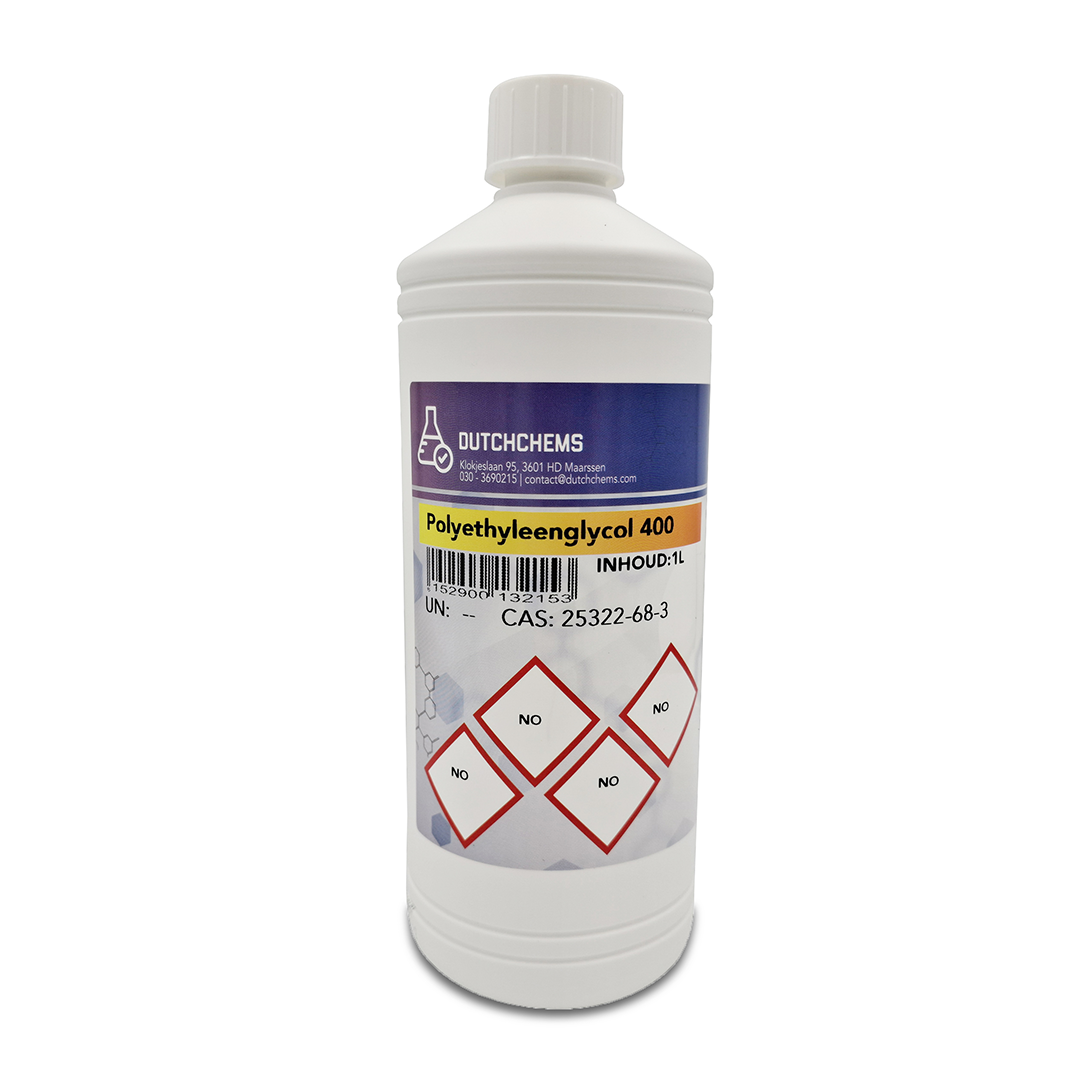
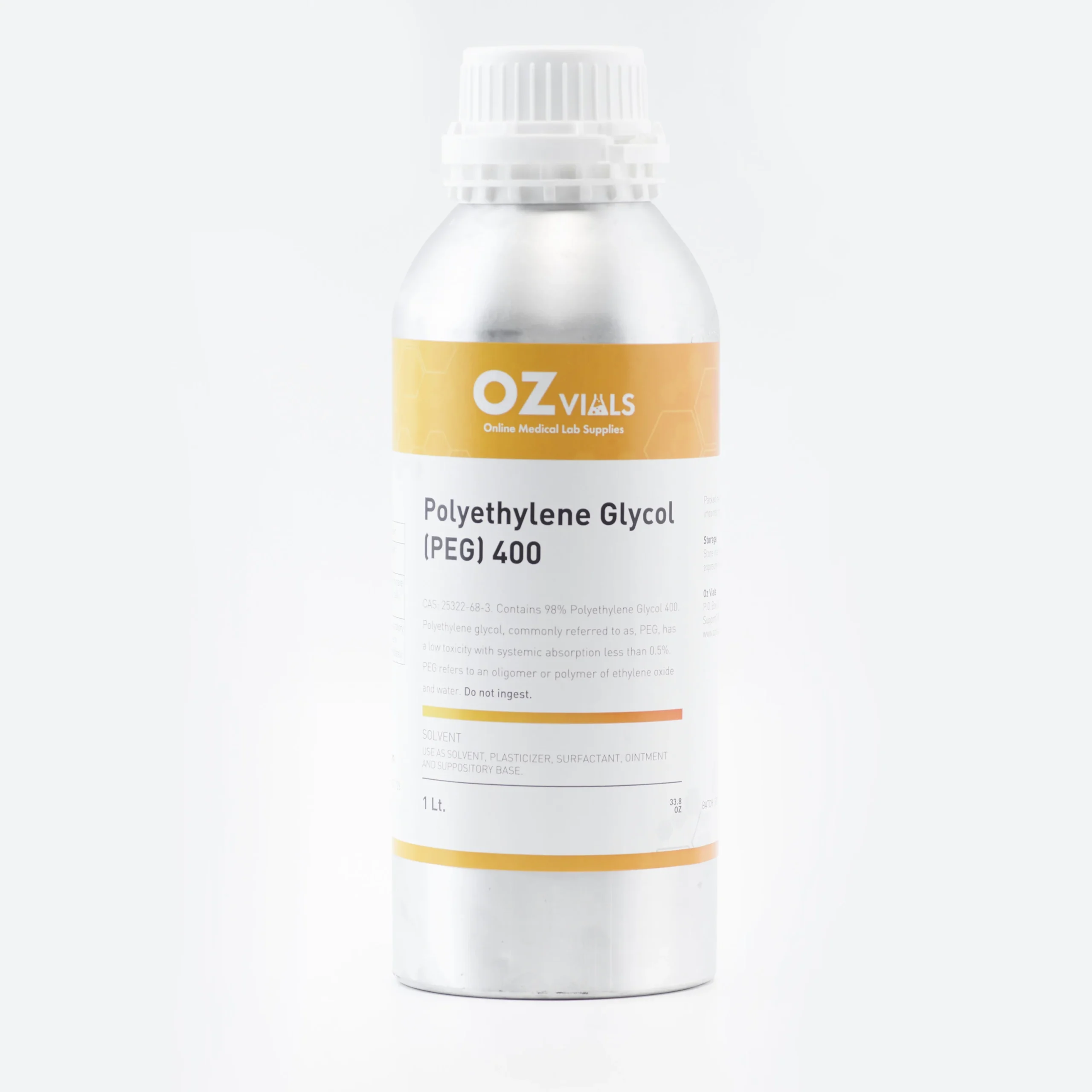
PEG is a polyether compound derived from petroleum. It’s produced through the polymerization of ethylene oxide, resulting in chains of repeating ethylene glycol units. The length of these chains, indicated by a number following “PEG” (e.g., PEG 400, PEG 8000), determines its molecular weight and, consequently, its physical properties. Lower molecular weight PEGs are typically liquids, while higher molecular weight PEGs are solid waxes.
Key Properties of PEG:
Several characteristics contribute to the widespread use of PEG:
- Water Solubility: PEG is highly soluble in water and many organic solvents, making it easy to incorporate into various formulations.
- Biocompatibility: Generally considered non-toxic and biocompatible, PEG doesn’t typically trigger immune responses.
- Lack of Immunogenicity: As mentioned above, PEG is poorly immunogenic, meaning it doesn’t stimulate the immune system to produce antibodies.
- Flexibility: The ethylene glycol chain provides PEG with considerable flexibility, allowing it to conform to different shapes and sizes.
- Hydrophilicity: Its hydrophilic nature enables it to attract water molecules, contributing to its solubility and lubrication properties.
- Non-ionic: Being non-ionic, PEG doesn’t carry an electrical charge, which is crucial for its use in biological applications.
Applications Across Industries:
PEG’s versatile properties have led to its incorporation in a diverse range of applications:
- Pharmaceuticals:
- Drug Delivery: PEGylation, the process of attaching PEG to drugs or proteins, increases their circulation time in the body, reduces immune responses, and improves their solubility. This is particularly crucial for delivering sensitive drugs like proteins and peptides.
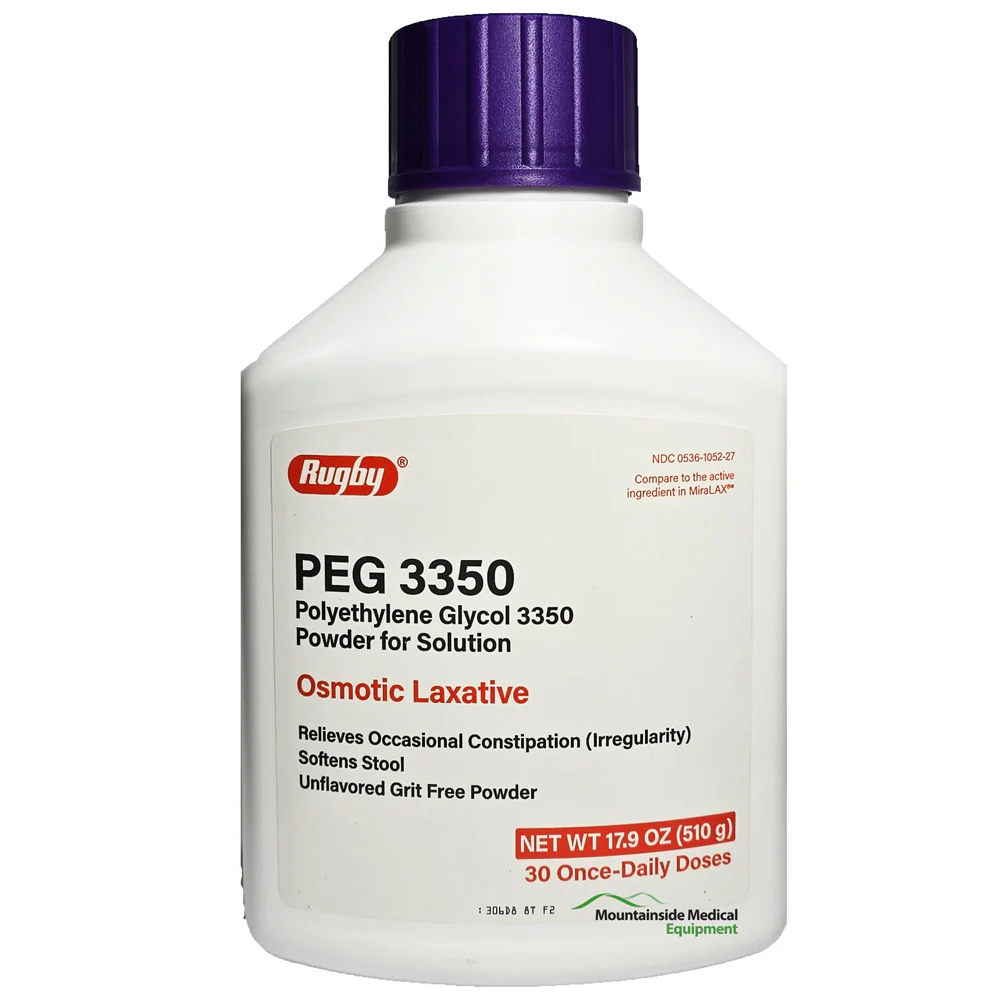
- Laxatives: Higher molecular weight PEG solutions, like PEG 3350, are commonly used as osmotic laxatives to treat constipation.
- Excipients: PEG is used as an excipient in many pharmaceutical formulations to improve solubility, stability, and bioavailability of drugs.
- Cosmetics and Personal Care:
- Humectants: PEG is used in lotions, creams, and shampoos as a humectant to attract and retain moisture, hydrating the skin and hair.
- Solvents and Emulsifiers: It acts as a solvent and emulsifier in various cosmetic products, helping to blend ingredients and create stable formulations.
- Industrial Applications:
- Lubricants: Its low toxicity and solubility in water make PEG a suitable lubricant in various industrial processes.
- Binders: PEG is used as a binder in ceramics, plastics, and other materials.
- Heat Transfer Fluids: Due to its high boiling point and thermal stability, PEG can be used as a heat transfer fluid.
- Biotechnology and Research:
- Protein Crystallization: PEG is used to induce protein crystallization, a crucial step in determining protein structure.
- Cell Fusion: It can be used to fuse cells together in laboratory settings.
Considerations and Future Directions:
While generally considered safe, PEG can, in rare cases, cause allergic reactions. Research is ongoing to better understand these reactions and develop alternative polymers.
The future of PEG lies in further exploring its potential in areas like targeted drug delivery, gene therapy, and tissue engineering. Researchers are constantly investigating new ways to utilize PEG’s unique properties to create innovative solutions for a wide range of challenges.
In Conclusion:
Polyethylene glycol (PEG) is a remarkably versatile polymer that plays a significant role in numerous industries. Its biocompatibility, solubility, and lack of immunogenicity make it an essential component in pharmaceuticals, cosmetics, and various industrial applications. As research continues to unlock its potential, PEG is poised to play an even more crucial role in shaping the future of medicine, technology, and beyond.
Reviews
There are no reviews yet.