
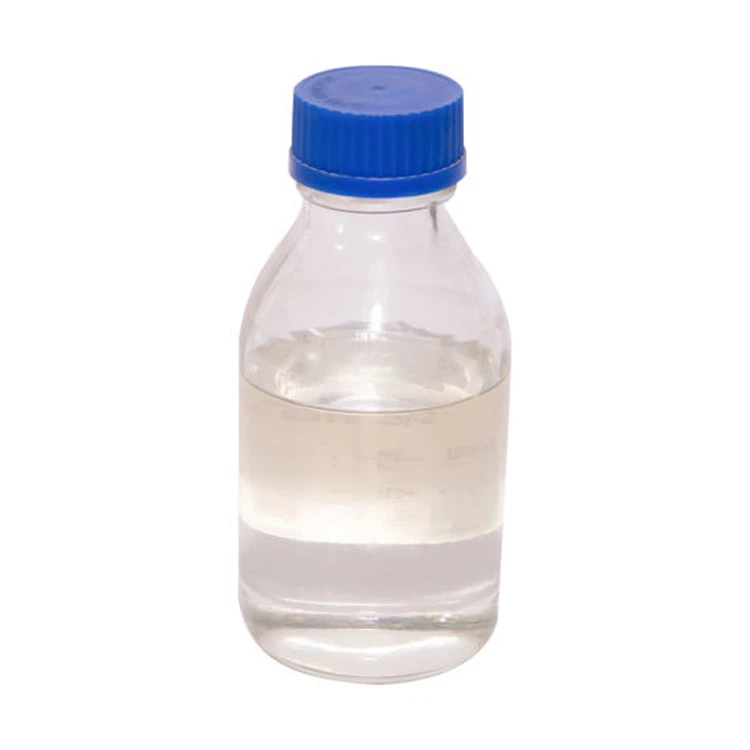
Description
An Overview of Polyether Polyols: Properties, Production, and Applications
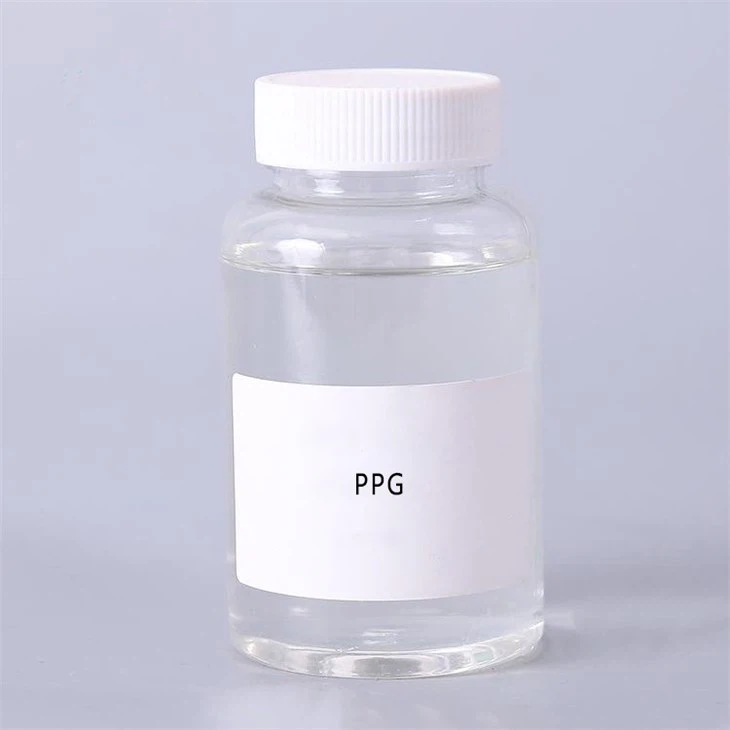
Polyether polyols are a versatile class of polymers widely used as key raw materials in the manufacture of polyurethane products. Characterized by their ether linkages (-C-O-C-) in the polymer backbone, these polyols offer unique chemical and physical properties that make them indispensable in various industrial applications.
What Are Polyether Polyols?
Polyether polyols are polymeric compounds composed of repeating ether units with multiple hydroxyl (-OH) functional groups. They differ from polyester polyols by the nature of their linkages; polyether polyols contain predominantly ether bonds, whereas polyester polyols have ester linkages. This structural difference imparts distinct chemical resistance, flexibility, and hydrophobicity to polyether polyols.
Synthesis of Polyether Polyols
The production of polyether polyols typically involves the ring-opening polymerization of alkylene oxides such as ethylene oxide (EO), propylene oxide (PO), or a combination of both, initiated by a multifunctional starter molecule containing active hydrogen atoms, such as glycerol, sorbitol, or sucrose. The process can be summarized as follows:
- Initiation: The starter molecule’s active hydrogen reacts with the alkylene oxide.
- Propagation: Repetitive insertion of alkylene oxide units in the growing chain to form long polymer chains.
- Termination: The polymerization is stopped once the desired molecular weight is reached.
By varying the types and ratios of alkylene oxides used, manufacturers can tailor the molecular weight, functionality, and hydrophilicity of polyether polyols, enabling customization for specific end uses.
Properties of Polyether Polyols
- Flexibility and Elasticity: Polyether polyols generally produce polyurethanes with excellent flexibility and resilience due to their flexible ether linkages.
- Hydrophobicity: Compared to polyester polyols, polyether polyols tend to be more hydrophobic, granting better moisture resistance.
- Chemical and Hydrolytic Stability: They exhibit superior resistance to hydrolysis and many chemicals, making them suitable for applications demanding durability.
- Low Glass Transition Temperature (Tg): This property contributes to enhanced elasticity and softer polymer characteristics.
Applications of Polyether Polyols
Polyether polyols serve as essential building blocks in polyurethane manufacturing. Some key application areas include:
- Flexible Foams: Used in furniture cushions, bedding, automotive seating, and mattresses due to their excellent cushioning properties.
- Elastomers: Providing durability and flexibility for wheels, tires, and seals.
- Coatings, Adhesives, Sealants, and Elastomers (CASE): Polyether polyols are integral to formulations that require durability and moisture resistance.
- Rigid Foams and Insulation: When combined with specific additives and isocyanates, polyether polyols contribute to thermal insulation materials.
- Synthetic Leather and Textiles: Enhancing flexibility and durability in coatings and finishes.
Environmental and Safety Considerations
Modern synthesis of polyether polyols increasingly prioritizes eco-friendly processes, such as reducing volatile organic compounds (VOCs) and implementing safer handling practices of alkylene oxides, which are hazardous chemicals. Additionally, research into bio-based starter molecules and alkylene oxides aims to develop more sustainable polyether polyols.
Conclusion
Polyether polyols are critical components in the polymer industry, offering a balance of flexibility, durability, and chemical resistance that can be fine-tuned to meet diverse manufacturing needs. As advancements in sustainable chemistry continue, the role of polyether polyols is set to expand, driving innovation in polyurethane technologies and contributing to enhanced material performance across sectors.

Reviews
There are no reviews yet.