
Description
Polyether Polyols: The Unsung Hero Behind Your Everyday Comfort and Innovation
Take a moment to look around you. The comfy sofa you’re sitting on, the insulation in your walls keeping you warm, the adhesive holding parts of your car together, even the waterproofing on your outdoor gear – many of these modern conveniences owe their existence, in part, to a remarkable class of chemical compounds: polyether polyols.
Often working behind the scenes, these versatile polymers are fundamental building blocks in countless industries, silently shaping the performance, durability, and comfort of products we interact with every day.
So, What Exactly Are Polyether Polyols?
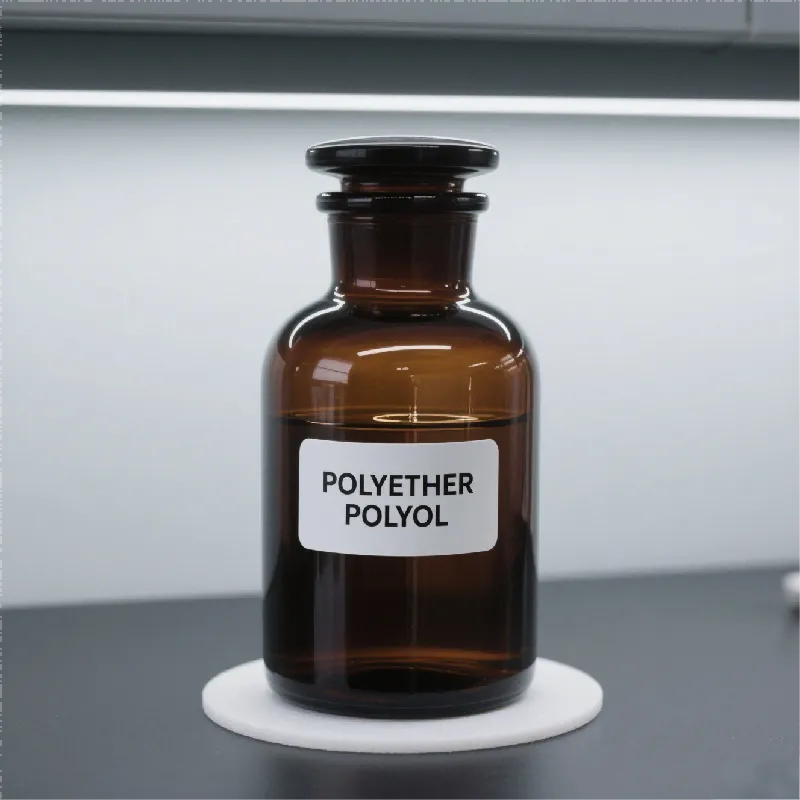
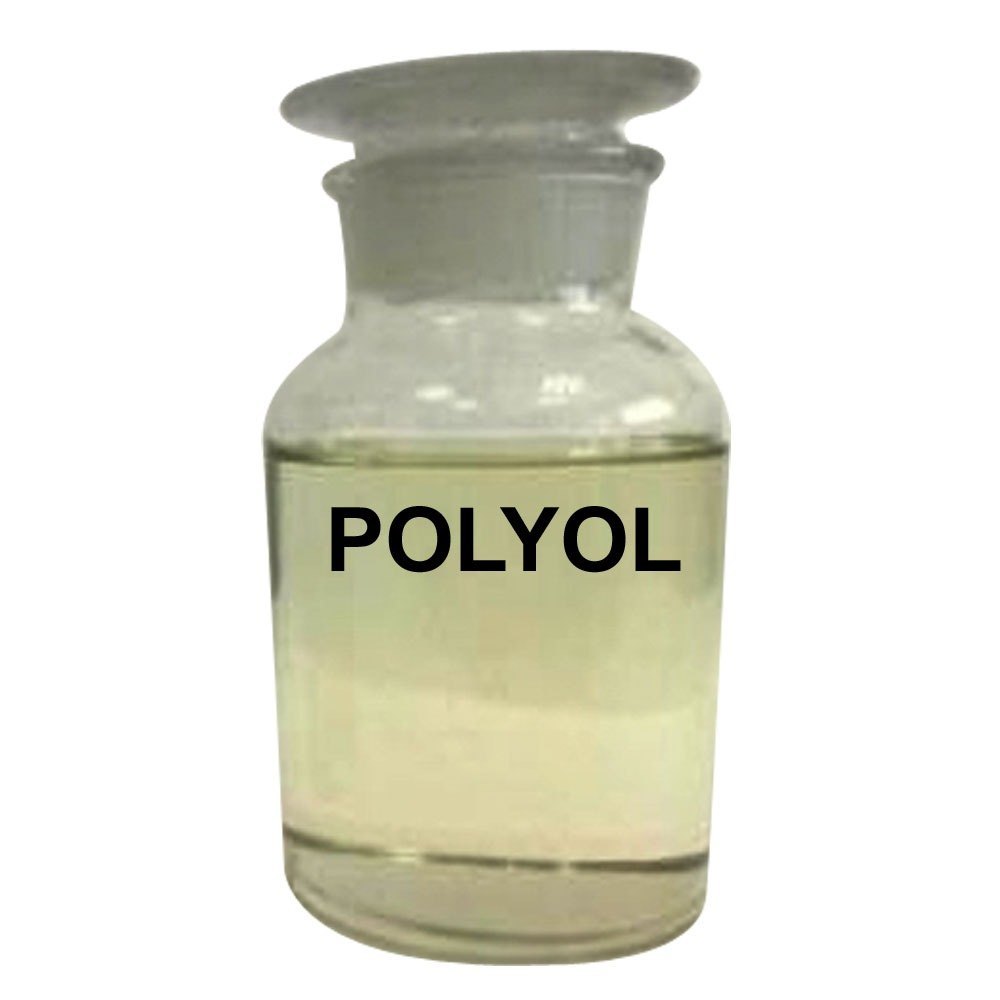
At their core, polyether polyols are long-chain molecules characterized by multiple hydroxyl (-OH) groups at their ends or along their chains, and ether linkages (-O-) within their backbone.
- “Polyol” means “many alcohols,” referring to those reactive -OH groups. These are the crucial sites where polyether polyols react with other chemicals, most notably isocyanates, to form polyurethanes.
- “Polyether” describes the unique backbone structure, comprised of repeating ether units. This backbone is what gives polyether polyols many of their distinctive properties, like flexibility and resistance to hydrolysis.
Think of them as molecular “Lego bricks” that can be precisely engineered. By varying their molecular weight, the number of hydroxyl groups (functionality), and the type of ether linkage, manufacturers can produce a vast array of polyether polyols, each designed for specific applications.
Why Are They So Versatile?
The magic of polyether polyols lies in their inherent customizability and the properties they impart to the final products:
- Flexibility and Resilience: The ether linkages in their backbone contribute significantly to the elasticity and ‘springiness’ of the resulting materials. This is why they are ideal for flexible foams.
- Hydrolytic Stability: Polyether polyols generally exhibit excellent resistance to degradation by water, making them suitable for demanding environments or products exposed to moisture.
- Low Viscosity: Many polyether polyols have relatively low viscosity, which makes them easier to process and mix during manufacturing.
- Wide Range of Properties: From low molecular weight polyols that yield rigid, high-strength materials to high molecular weight polyols that create incredibly soft and flexible products, their spectrum of capabilities is vast.
Where Do Polyether Polyols Shine?
Their versatility means polyether polyols are indispensable across a multitude of sectors:
-
- Foams (The Big One!):Flexible Foams: This is arguably their most significant application. Polyether polyols are the primary component in plush seating (furniture, automotive), comfortable mattresses, pillows, and even shoe soles, providing that beloved soft, resilient feel.
- Rigid Foams: Used extensively for insulation in refrigerators, freezers, construction panels, and industrial piping due to their excellent thermal efficiency and structural integrity.
- CASE Applications (Coatings, Adhesives, Sealants, Elastomers):Coatings: They contribute to durable, weather-resistant coatings for floors, automotive parts, and industrial equipment.
- Adhesives: Formulations based on polyether polyols create strong, flexible bonds in everything from packaging to construction materials.
- Sealants: Their flexibility and resistance to environmental factors make them perfect for sealants used in windows, doors, and automotive assemblies.
- Elastomers: Used in tough, rubber-like materials for wheels, rollers, gaskets, and even some highly durable sporting goods.
- Binders and Binders for Composites: Providing strength and flexibility to various composite materials.
The Unseen Architect of Modern Life
From the silent hum of your energy-efficient refrigerator to the comforting embrace of your favorite chair, polyether polyols are the unseen architects providing the performance, durability, and comfort we often take for granted. They empower manufacturers to create products that are not only more efficient and longer-lasting but also enhance our quality of life in tangible ways.
As research continues, we can expect polyether polyols to evolve further, with a growing emphasis on bio-based and sustainable options, ensuring this remarkable material continues to play a pivotal role in the innovations of tomorrow.
So, next time you lean back on your sofa or step into a well-insulated building, give a little nod to the humble polyether polyol – the chemical wonder doing extraordinary work, out of sight but never out of mind.


Reviews
There are no reviews yet.