
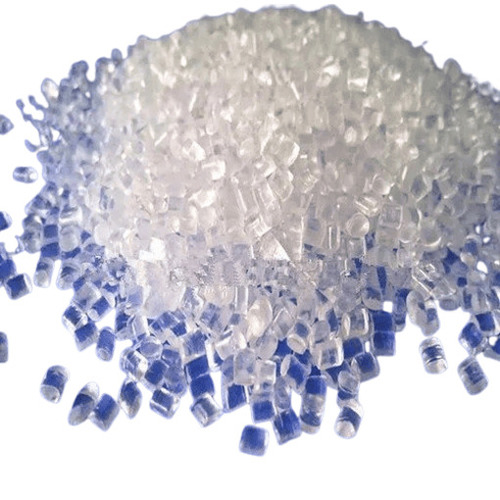
Description
Understanding Polycarbonate Resin: Properties, Uses, and Benefits
Polycarbonate resin is a versatile and widely used thermoplastic polymer known for its exceptional strength, transparency, and impact resistance. It has become a critical material in various industries, ranging from electronics and automotive to construction and consumer goods. This article explores the key characteristics, applications, and advantages of polycarbonate resin, highlighting why it remains a popular choice for manufacturers and designers alike.
What is Polycarbonate Resin?
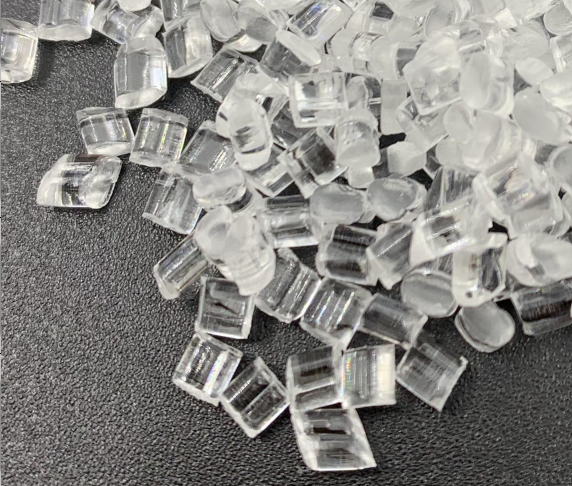
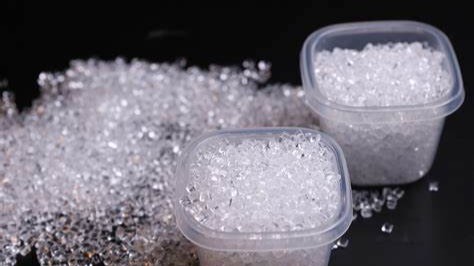
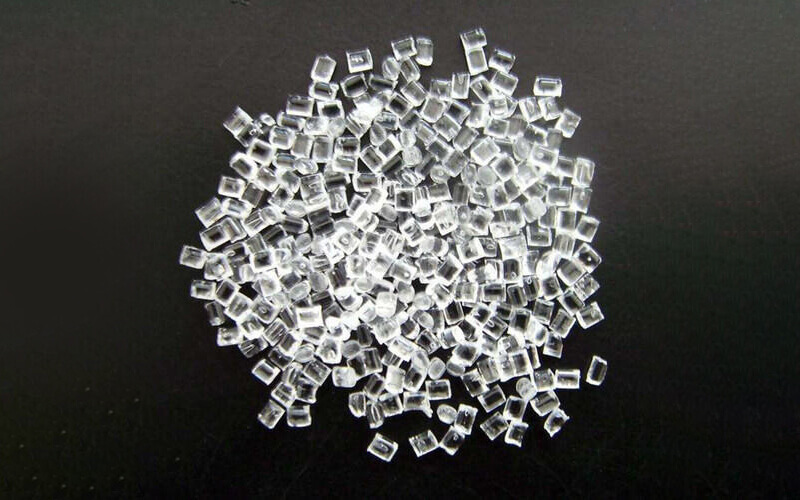
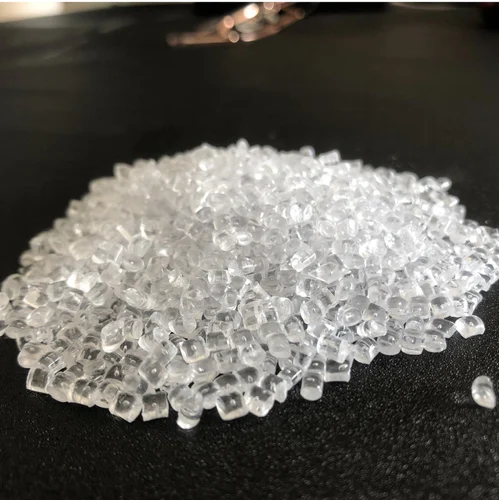
Polycarbonate resin is a type of plastic made from polymerized carbonate monomers. It belongs to the thermoplastic family, meaning it can be melted and remolded multiple times without significant degradation. Its molecular structure provides a balance of flexibility and rigidity, making it durable yet lightweight.
Key Properties
- High Impact Resistance: One of the most notable features of polycarbonate resin is its outstanding toughness. It can withstand significant impact without cracking or breaking, making it ideal for protective applications.
- Transparency: Polycarbonate is naturally clear and allows up to 90% light transmission. Unlike glass, it’s shatter-resistant, making it a safer alternative in many situations.
- Thermal Resistance: It can withstand a wide range of temperatures, typically from -40°C up to 135°C, without losing its structural integrity.
- Dimensional Stability: Polycarbonate maintains its shape and size well even under stress, which is crucial for precision components.
- Electrical Insulation: It has excellent electrical insulating properties, making it suitable for electronic housings and connectors.
- Chemical Resistance: While resistant to many chemicals, it can be vulnerable to certain solvents and should be used accordingly.
Common Applications
- Optical Discs and Lenses: Polycarbonate is used in CDs, DVDs, and Blu-ray discs due to its clarity and precision molding capabilities. Eyeglass lenses also benefit from its lightweight and impact resistance.
- Automotive Components: Its ability to withstand impact and heat makes it suitable for headlamp lenses, dashboards, and interior panels.
- Construction Materials: Polycarbonate sheets are popular for skylights, roofing, and windows because they provide transparency with superior durability compared to glass.
- Consumer Electronics: Housings for smartphones, laptops, and other gadgets use polycarbonate for its strength and lightweight properties.
- Safety Equipment: Helmets, riot shields, and bulletproof glass often incorporate polycarbonate for its protective qualities.
Advantages Over Other Materials
Compared to glass, polycarbonate is far lighter and more impact-resistant, reducing the risk of injury and breakage. Unlike acrylic, polycarbonate boasts better toughness and thermal resistance. Its ability to be easily molded and thermoformed allows manufacturers to create complex shapes with fine detail.
Challenges and Considerations
While polycarbonate resin is durable, it can scratch more easily than glass, necessitating coatings for abrasion resistance. It is also sensitive to UV radiation, which can cause yellowing or degradation over time if not properly stabilized with additives.
Environmental Impact and Recycling
Polycarbonate is recyclable, although the recycling rate varies by region. Efforts are ongoing to improve recycling technologies and promote sustainable use. Some manufacturers are also developing bio-based polycarbonate alternatives to reduce reliance on fossil fuels.
Conclusion
Polycarbonate resin stands out as a high-performance material combining transparency, strength, and versatility. Its unique mixture of properties allows it to serve critical roles across diverse industries, contributing to safer, lighter, and more durable products. As technology advances and sustainability becomes a priority, polycarbonate resin will likely continue evolving to meet future demands.


Reviews
There are no reviews yet.