
Description
Platinum Black: The Dark Side of a Noble Metal
Platinum, known for its shimmering silver-white luster and remarkable resistance to corrosion, is a precious metal prized in jewelry, industrial applications, and catalytic converters. But did you know it can also exist in a dramatically different form? Enter platinum black, a fascinating variation that reveals a surprising dark side to this noble metal.
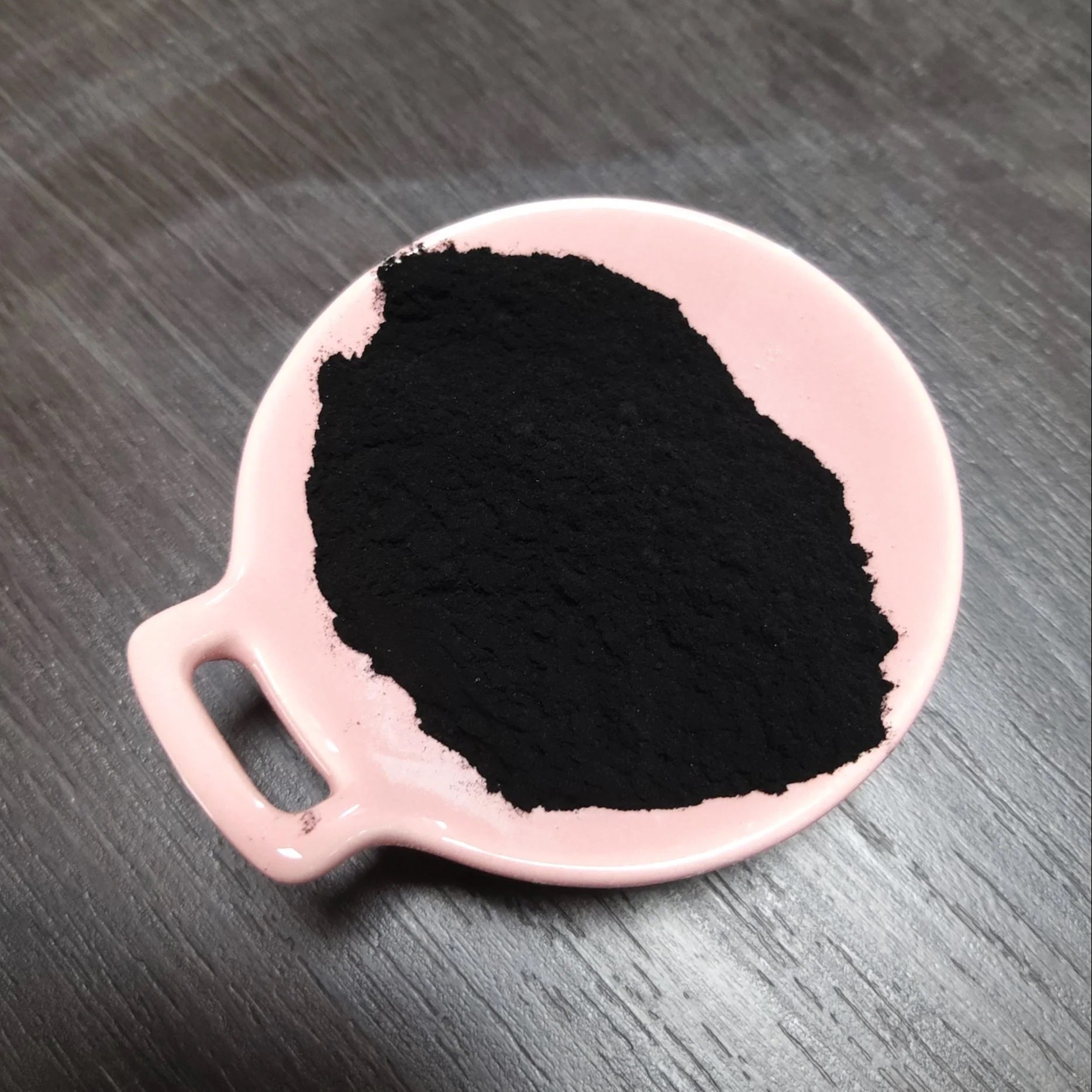
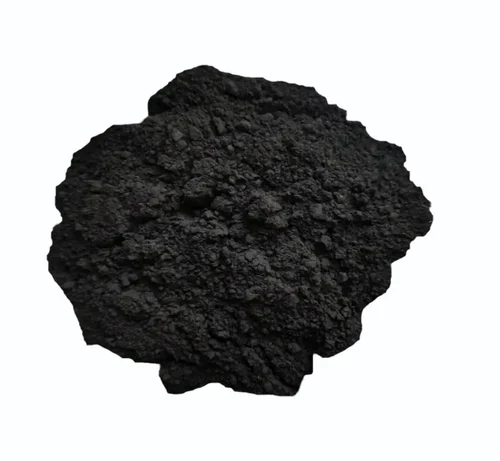
While traditional platinum gleams, platinum black is a fine, powdery material that appears, as the name suggests, black. This stark contrast in appearance stems from its unique structure. Unlike crystalline platinum, which has a highly ordered atomic arrangement, platinum black is composed of extremely small, irregularly shaped platinum particles. This high surface area is the key to its unusual properties and applications.
What Makes Platinum Black Different?
- High Surface Area: The primary difference lies in the surface area. The finely divided nature of platinum black provides a massive surface area compared to an equal mass of solid platinum. Imagine crumpling a sheet of paper into a ball; the surface exposed to the outside world increases dramatically. This is analogous to the difference between crystalline platinum and platinum black.
- Enhanced Catalytic Activity: This vast surface area makes platinum black an exceptional catalyst. Catalysts speed up chemical reactions without being consumed in the process. The more surface area available, the more sites exist for reactants to bind and react. This translates to significantly enhanced catalytic activity compared to solid platinum in many applications.
- Optical Properties: The black color is a direct consequence of light absorption. The finely divided particles absorb a broad spectrum of light wavelengths, leaving little to be reflected, hence the dark appearance.
Applications of Platinum Black:
Platinum black’s unique properties make it invaluable in various fields:
- Catalysis: It’s a powerful catalyst in various chemical processes, including oxidation, reduction, and hydrogenation reactions. It finds use in laboratory settings, industrial processes, and even in fuel cells. Its ability to efficiently catalyze reactions is crucial for improving the performance and efficiency of these technologies.
- Electrocatalysis: Platinum black is widely used in electrocatalysis, particularly in fuel cells and electrolyzers. In fuel cells, it facilitates the oxidation of hydrogen and the reduction of oxygen, generating electricity. Its high surface area allows for efficient electrochemical reactions, contributing to higher power output.
- Sensors: Its catalytic properties also make it suitable for gas sensors. By measuring the change in electrical resistance or current caused by the adsorption and reaction of specific gases on the platinum black surface, these sensors can detect even trace amounts of certain gases.
- Laboratory Reagent: Platinum black is often employed as a reagent in chemical research and synthesis, providing a highly active catalytic surface for specific reactions.
Producing Platinum Black:
Platinum black is typically produced through chemical reduction methods. One common technique involves reducing a platinum salt solution, such as chloroplatinic acid (H₂PtCl₆), with a reducing agent like formaldehyde or sodium borohydride. The reduction process results in the precipitation of finely divided platinum particles, which are then carefully washed and dried to yield platinum black.
Challenges and Future Directions:
While platinum black offers significant advantages, there are also challenges associated with its use.
- Dispersion: The fine particles can easily aggregate, reducing the effective surface area and catalytic activity. Researchers are exploring methods to improve the dispersion and stability of platinum black, often by supporting it on various materials like carbon nanotubes or metal oxides.
- Cost: Platinum itself is a precious metal, and platinum black is no exception. Reducing the amount of platinum required while maintaining high activity is a key area of research. This includes exploring alternative catalysts or developing platinum-based alloys with enhanced performance.
Conclusion:
Platinum black, the dark and powerful counterpart to the well-known silvery-white platinum, showcases the fascinating versatility of this noble metal. Its high surface area and exceptional catalytic activity make it a crucial material in various applications, from chemical synthesis to energy conversion and environmental monitoring. As research continues to address the challenges associated with its use, platinum black is poised to play an even greater role in shaping future technologies and addressing critical global challenges. It serves as a reminder that even the most familiar elements can hold hidden depths and surprising functionalities when explored at the nanoscale.

Reviews
There are no reviews yet.