
Description
Phthalic Anhydride: A Versatile Chemical Building Block
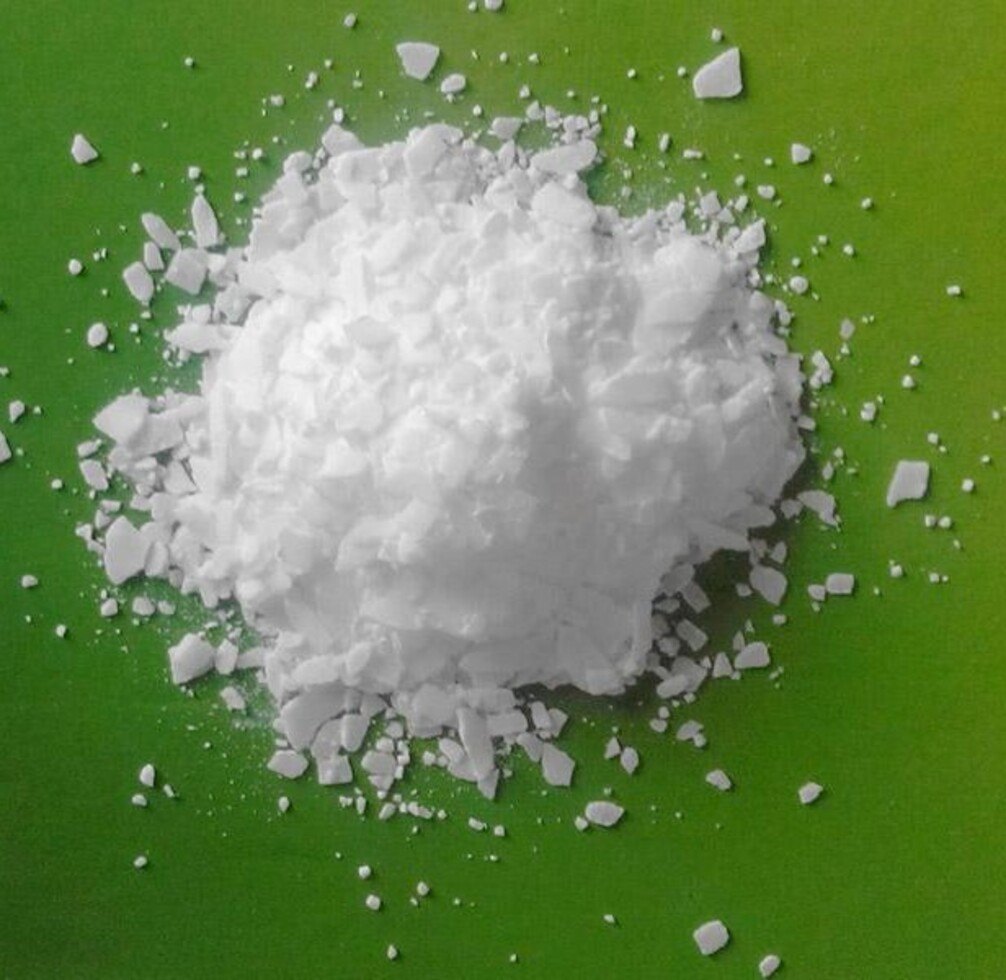
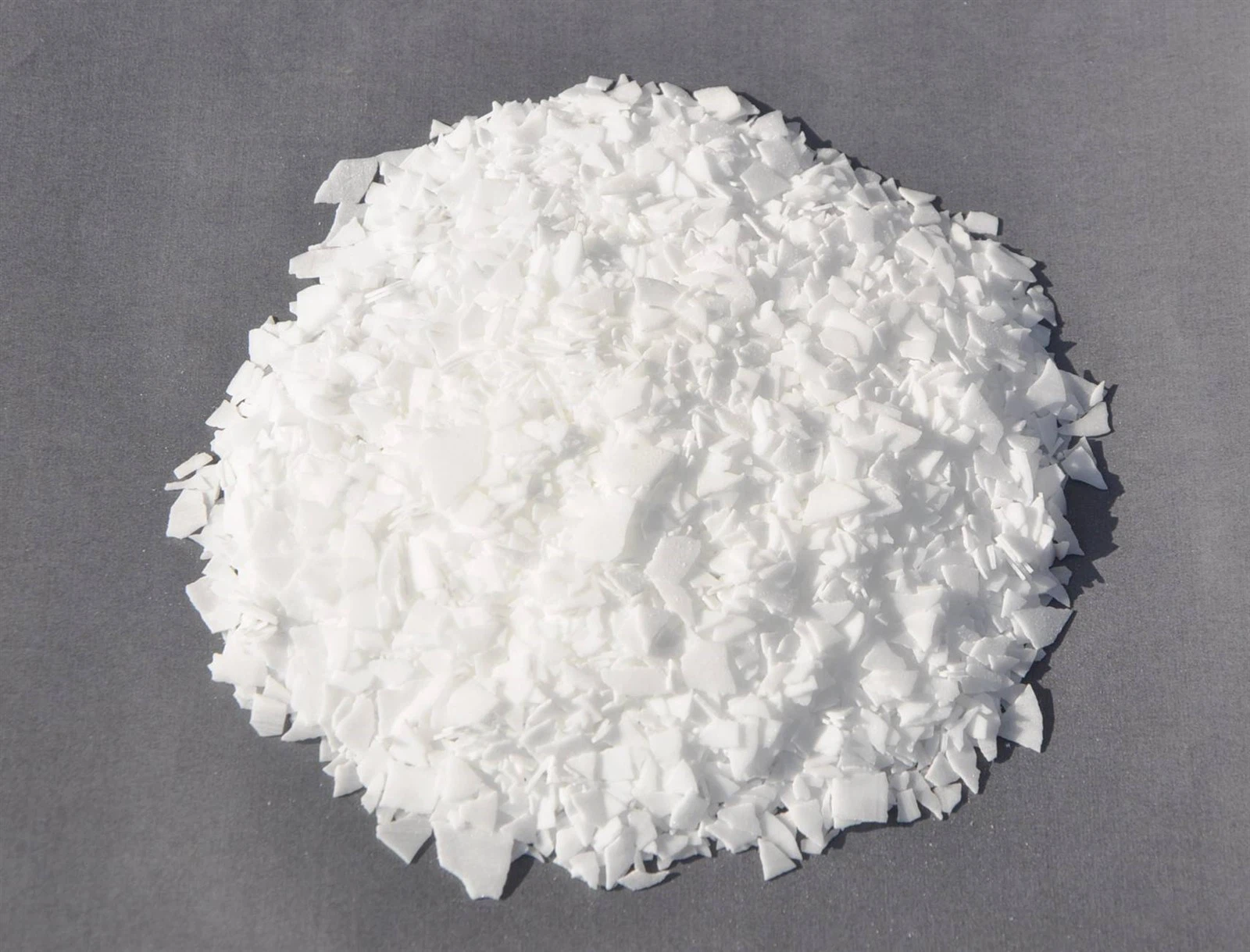
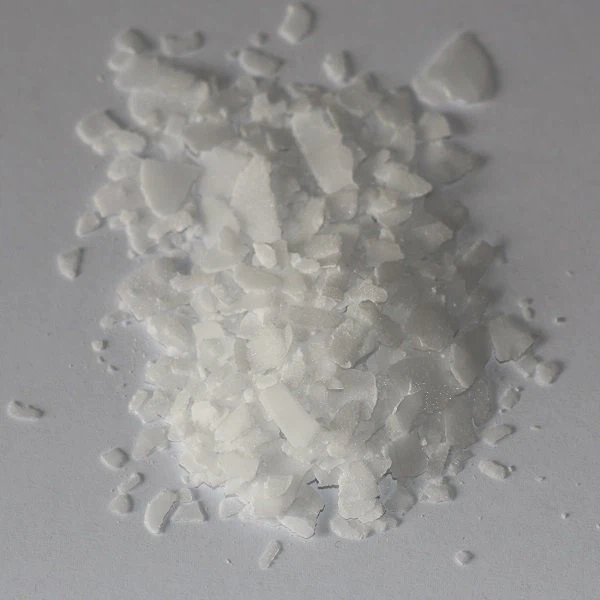
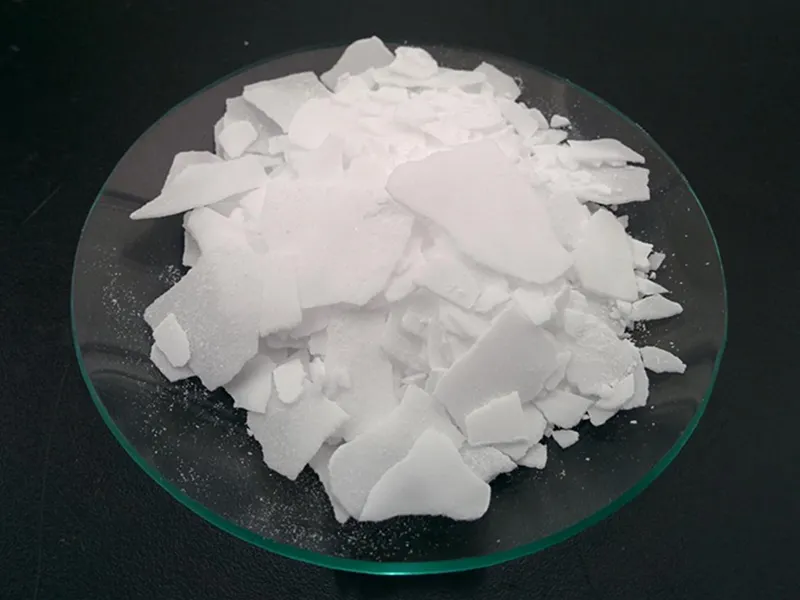
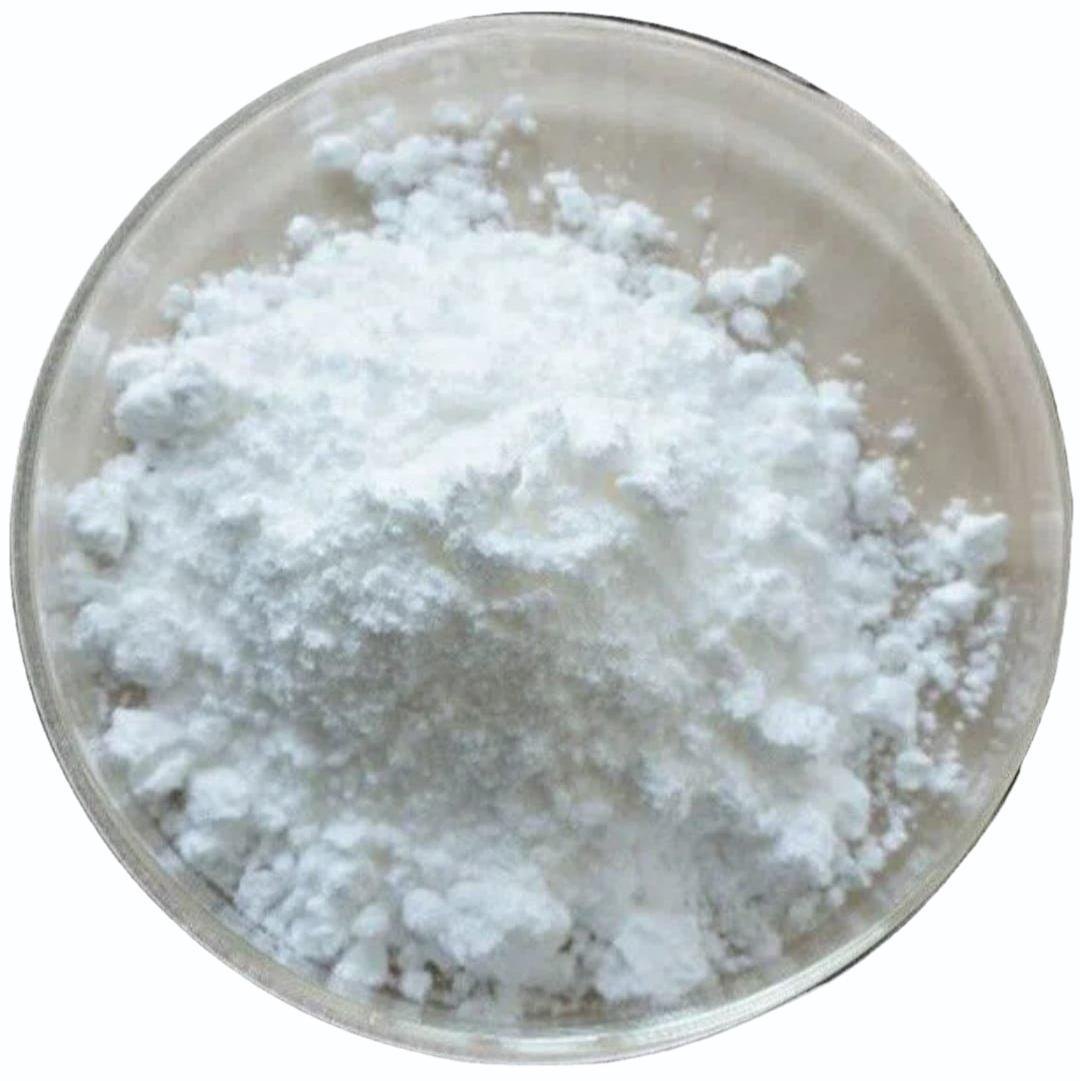
Phthalic anhydride (PA), a white crystalline solid, is a crucial organic compound used extensively in a wide range of industrial applications. Its versatility stems from its reactivity and ability to serve as a building block in the synthesis of various polymers, dyes, plasticizers, and other chemical products. This article explores the properties, production, applications, and safety considerations associated with this important chemical.
Properties and Structure:
Phthalic anhydride is the anhydride of phthalic acid. Its chemical formula is C8H4O3. It exists as colorless or white needles, with a pungent odor. Key properties include:
- Melting Point: Approximately 131°C (268°F)
- Boiling Point: Approximately 284°C (543°F)
- Solubility: Soluble in alcohol, ether, and hot water, but sparingly soluble in cold water.
- Reactivity: Highly reactive due to the presence of the anhydride group, readily undergoing hydrolysis, alcoholysis, and amination reactions.
Production:
Phthalic anhydride is primarily produced through the catalytic oxidation of o-xylene or naphthalene. The process involves passing a mixture of o-xylene (or naphthalene) and air over a vanadium pentoxide catalyst at elevated temperatures. The overall reaction can be summarized as follows:
- For o-Xylene: C8H10 + 3O2 → C8H4O3 + 3H2O
- For Naphthalene: C10H8 + 4.5O2 → C8H4O3 + 2CO2 + 2H2O
The crude product is then purified through distillation or sublimation to obtain high-purity phthalic anhydride.
Applications:
The versatility of phthalic anhydride is reflected in its diverse range of applications across various industries:
- Plasticizers: A significant portion of PA is used in the production of plasticizers, particularly phthalate esters, which are added to plastics, especially polyvinyl chloride (PVC), to improve their flexibility, durability, and processability. These plasticizers are used in a wide array of products, including flooring, wall coverings, cables, and medical devices.
- Alkyd Resins: PA is a key component in the manufacture of alkyd resins, which are used extensively in paints, coatings, and varnishes. Alkyd resins provide excellent adhesion, durability, and gloss to coated surfaces.
- Unsaturated Polyester Resins: Another major application is in the production of unsaturated polyester resins. These resins, combined with fiberglass, are used to create strong and lightweight composite materials commonly found in boats, automotive parts, and construction materials.
- Dyes and Pigments: PA is a crucial intermediate in the synthesis of various dyes and pigments, particularly anthraquinone dyes, which are used in textile dyeing, printing inks, and other coloring applications.
- Pharmaceuticals and Agrochemicals: PA serves as a building block in the synthesis of certain pharmaceuticals, agrochemicals, and other fine chemicals.
- Other Applications: PA also finds application in the production of flame retardants, artificial sweeteners (saccharin), and certain types of resins.
Safety Considerations:
While phthalic anhydride is a valuable industrial chemical, it is important to handle it with appropriate safety precautions:
- Irritant: PA is an irritant to the eyes, skin, and respiratory tract. Exposure can cause irritation, redness, and inflammation.
- Sensitizer: Prolonged or repeated exposure can lead to skin sensitization, resulting in allergic contact dermatitis.
- Inhalation Hazard: Inhalation of PA dust or vapors can cause respiratory irritation, coughing, and shortness of breath.
- Fire Hazard: PA is combustible and can form explosive dust clouds in air.
Handling and Storage:
Proper handling and storage practices are essential to minimize the risks associated with phthalic anhydride:
- Personal Protective Equipment (PPE): Wear appropriate PPE, including gloves, eye protection (goggles or face shield), and respiratory protection (dust mask or respirator), when handling PA.
- Ventilation: Ensure adequate ventilation in areas where PA is handled or processed to minimize exposure to vapors and dust.
- Storage: Store PA in tightly closed containers in a cool, dry, and well-ventilated area, away from incompatible materials such as strong oxidizers and bases.
- Dust Control: Implement dust control measures to prevent the formation of explosive dust clouds.
- Emergency Procedures: Have emergency procedures in place, including first aid measures and spill cleanup procedures.
Environmental Considerations:
The environmental impact of phthalic anhydride production and use is also a concern. Efforts are being made to develop more sustainable production processes and alternative plasticizers with improved environmental profiles. Responsible waste management and proper disposal procedures are crucial to minimize the environmental impact of PA.
Conclusion:
Phthalic anhydride is a highly versatile chemical building block with a wide range of applications in various industries. Its use in the production of plasticizers, resins, dyes, and other chemical products makes it an essential component of modern manufacturing. Understanding its properties, applications, and safety considerations is crucial for ensuring its safe and responsible use. As research and development continue, efforts are focused on improving production processes and finding alternative materials with reduced environmental impact, ensuring a more sustainable future for the use of this important chemical.


Reviews
There are no reviews yet.