
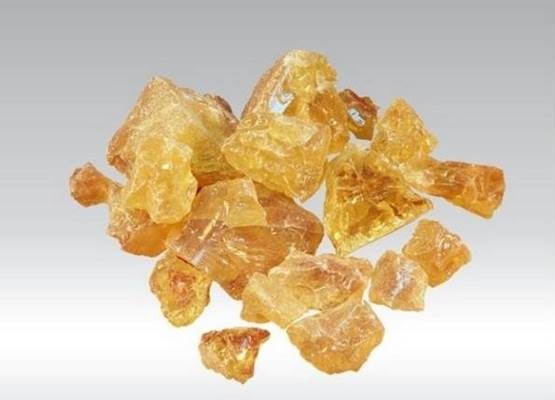

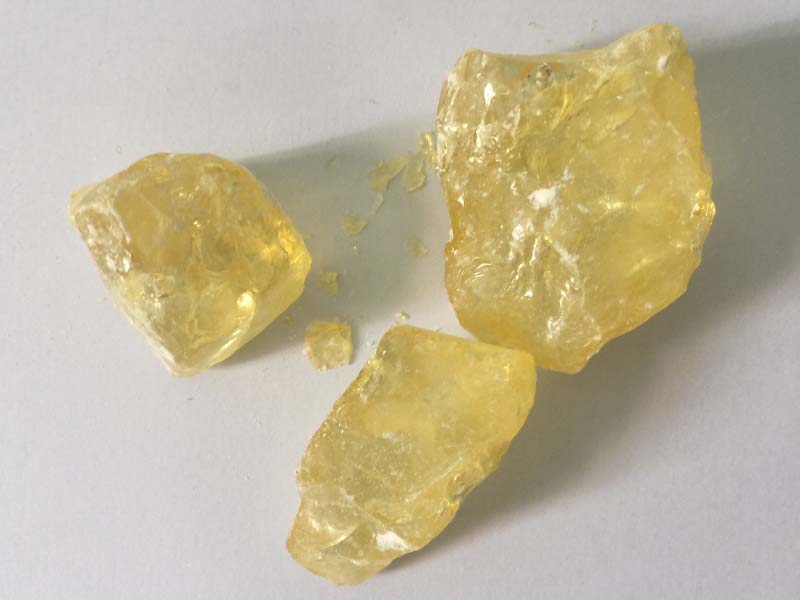
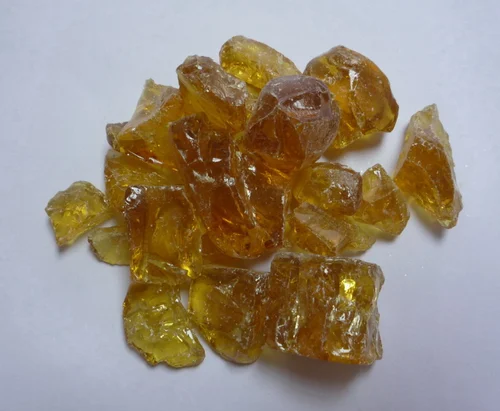

Description
Phenolic Resins: The Enduring Legacy of a Pioneering Polymer
In the vast landscape of modern materials, few can claim the historical significance and enduring versatility of phenolic resins. Often operating behind the scenes, these remarkable polymers have been foundational to countless innovations, from the first commercially viable plastics to critical components in today’s advanced industries.
A Glimpse into History: The Dawn of Plastics
The story of phenolic resins begins in the early 20th century with Belgian-American chemist Leo Baekeland. In 1907, he patented Bakelite, the first truly synthetic plastic made from phenol and formaldehyde. This groundbreaking invention revolutionized manufacturing, offering a material that was strong, heat-resistant, electrically non-conductive, and moldable – a significant leap beyond natural materials. Baekeland famously dubbed it “the material of a thousand uses,” and indeed, Bakelite products permeated every aspect of daily life, from radios and telephones to kitchenware and automotive parts.
What Makes Them Unique? The Science Behind the Strength
Phenolic resins belong to the family of thermosetting polymers. Unlike thermoplastics, which can be repeatedly melted and reformed, thermosets undergo an irreversible chemical change during curing, forming a rigid, three-dimensional cross-linked structure. This process, initiated by heat and/or pressure, locks the polymer chains into a robust network, imparting their characteristic properties:
- Raw Materials: The primary building blocks are phenol (an aromatic alcohol) and formaldehyde (a simple aldehyde). The precise ratio and reaction conditions determine the type of phenolic resin formed:
- Novolacs: Formed with an acid catalyst and an excess of phenol. They are thermoplastic in their initial state and require a curing agent (like hexamethylenetetramine, “hexa”) and heat to cross-link.
- Resols: Formed with an alkaline catalyst and an excess of formaldehyde. They are “self-curing” and will cross-link with the application of heat, though catalysts can accelerate the process.
Unrivaled Properties: Why Phenolics Endure
The tightly cross-linked structure of cured phenolic resins imbues them with a unique combination of highly desirable properties:
- High Heat Resistance and Thermal Stability: They retain their strength and shape even at elevated temperatures, making them ideal for high-temperature applications.
- Excellent Chemical Resistance: They are largely impervious to many solvents, acids, and bases, resisting degradation in harsh environments.
- Exceptional Mechanical Strength and Rigidity: They offer high compressive strength, stiffness, and hardness.
- Good Electrical Insulation: Their non-conductive nature makes them vital in electrical and electronic components.
- Dimensional Stability: Once cured, they exhibit minimal shrinkage or warping.
- Low Smoke Emission and Flame Retardancy: Phenolics inherently produce less smoke than many other plastics when exposed to fire, and their charring nature provides a protective layer.
- Cost-Effectiveness: Relative to their performance, phenolic resins remain an economical choice for many applications.
Beyond Bakelite: Diverse Applications in Modern Industry
While Bakelite may evoke a sense of nostalgia, phenolic resins are far from obsolete. Their diverse properties make them indispensable across a wide array of industries:
- Adhesives and Binders:
- Wood Products: Crucial in the manufacture of plywood, particleboard, and oriented strand board (OSB), providing unparalleled moisture resistance and structural integrity.
- Abrasives: Used as binders in sandpaper, grinding wheels, and cutting discs, holding the abrasive grains firmly in place against high forces and temperatures.
- Friction Materials: Essential in brake linings, clutch facings, and automatic transmission components due to their heat resistance, wear resistance, and stable friction properties.
- Laminates:
- Decorative Laminates: Famously used in countertop materials (like Formica), providing a hard, durable, and chemical-resistant surface.
- Industrial Laminates: Basis for printed circuit boards (PCBs) in electronics, offering excellent electrical insulation and mechanical strength for complex circuitry.
- Molding Compounds:
- Electrical Components: Used for switches, circuit breakers, connectors, and light fixtures due to their dielectric strength and heat resistance.
- Appliance Parts: Handles for pots and pans, iron bases, and other parts that require heat resistance and durability.
- Refractory Materials:
- Used as binders for high-temperature materials in furnaces, crucibles, and ladles, providing strength and resistance to extreme heat.
- Coatings:
- Applied as protective coatings for pipes, tanks, and industrial equipment due to their excellent chemical and corrosion resistance.
- Composites:
- Reinforced with fibers (e.g., glass, carbon) to create high-performance composite materials used in aerospace, automotive, and industrial applications where high strength-to-weight ratios and heat resistance are critical.
Challenges and the Future Outlook
Despite their many advantages, phenolic resins do present some challenges. They are typically opaque and range from dark brown to black, limiting aesthetic applications. Their inherent brittleness can be a disadvantage, though this is often overcome by incorporating fillers and reinforcements. Furthermore, as thermosets, they are difficult to recycle through conventional melting processes, posing an end-of-life challenge. Concerns over formaldehyde emissions during the manufacturing process have also led to the development of low-VOC (volatile organic compound) alternatives.
Nevertheless, the demand for high-performance, cost-effective materials ensures the continued relevance of phenolic resins. Ongoing research focuses on:
- Sustainable Formulations: Developing bio-based phenols and formaldehyde alternatives, or exploring more environmentally friendly curing agents.
- Enhanced Properties: Tailoring formulations to improve impact strength, processability, and specific performance attributes for niche applications.
- Recycling Solutions: Investigating chemical recycling methods to break down cured phenolic resins into their constituent monomers or other valuable chemicals.
Phenolic resins, the pioneering polymers that launched an era, continue to be indispensable workhorses of industry. Their unique blend of thermal, chemical, and mechanical properties ensures their “enduring legacy” as unsung heroes, silently forming the backbone of countless products that shape our modern world.


Reviews
There are no reviews yet.