


Description
Perfluoropolyether (PFPE)
What it is
- Perfluoropolyether is a family of fluorinated polymers and fluids with a backbone of ether linkages flanked by fluorinated carbon groups. They are valued for extremely high chemical and thermal stability, very low surface energy, and outstanding lubricity.
Structure and forms
- Typical repeating unit: [-O-CF2-CF(CF3)-]n, with end groups that tailor properties.
- Available as:
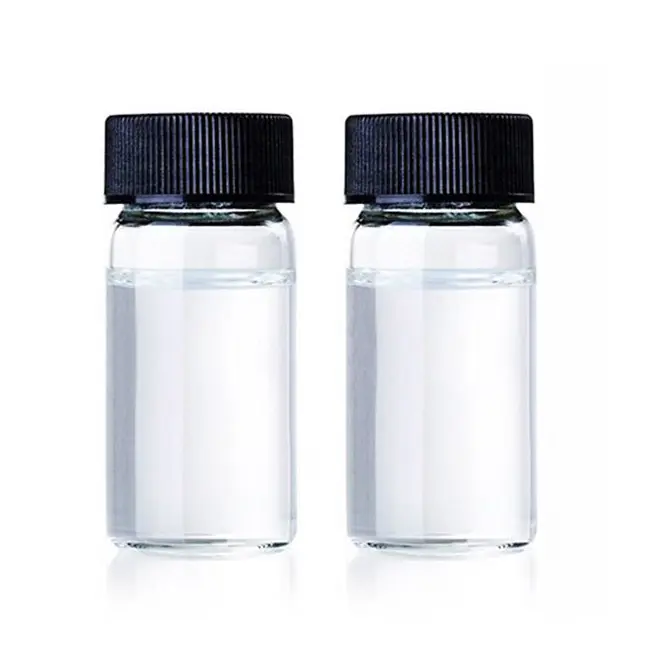
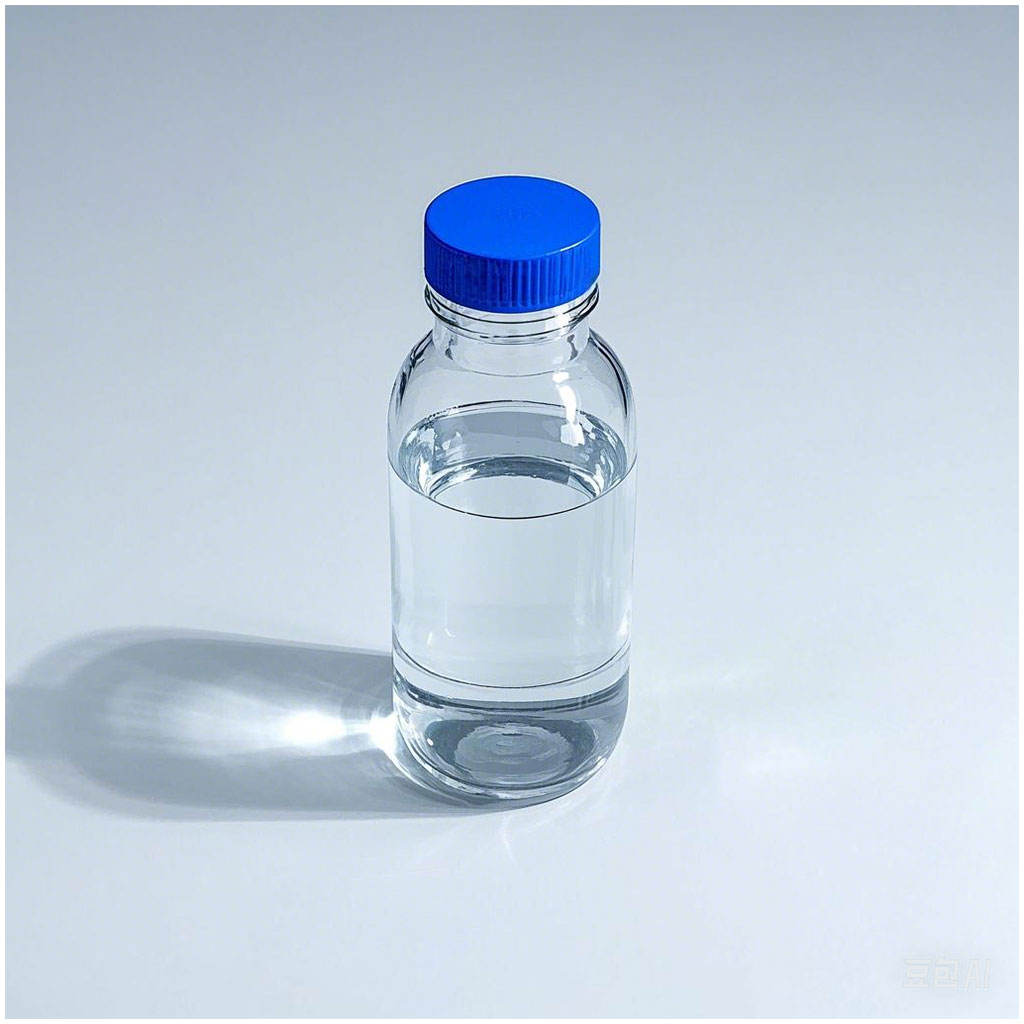
- PFPE fluids (liquids) with a wide range of viscosities
- PFPE greases (fluorinated base fluids thickened with a PTFE phase)
- PFPE coatings and vacuum-compatible films
Key properties
- Thermal stability: excellent stability over broad temperatures, often usable from below -60 °C to well above 200 °C depending on grade
- Chemical inertness: highly resistant to solvents, fuels, and oxidizers
- Low vapor pressure: very low volatility, making them ideal for vacuum and clean environments
- Dielectric properties: excellent electrical insulation
- Lubricity: very low friction coefficients and good compatibility with many materials
- Non-bioactive and low toxicity: generally considered low-risk for handling, though typical PPE and MSDS guidance still apply
Common uses
- High-performance lubricants in aerospace, vacuum systems, space applications, and semiconductor manufacturing
- Bearings, gears, seals, O-rings in extreme environments
- Cleanroom and ultra-high vacuum (UHV) devices due to minimal outgassing
- Cryogenic lubrication in specialized equipment
Formats and selection considerations
- PFPE fluids cover a wide viscosity range (from very light to very heavy oils) to match load, speed, and temperature requirements
- PFPE greases use a PFPE base fluid thickened with PTFE; chosen for ease of application and staying power under vacuum
- Important compatibility considerations:
- Elastomers: use fluorinated elastomers (FKM/Viton) or other compatible seals
- Metals and coatings: generally excellent compatibility, but verify with Material Compatibility data for your specific alloy or coating
- Typical trade-offs:
- Higher stability and cleanliness come at a higher cost and sometimes higher viscosity
- Very high purity PFPEs reduce outgassing but may require specific handling to preserve cleanliness
Safety and handling
- Generally low acute toxicity; handle with standard PPE: gloves, goggles, and lab coat
- In a vacuum or clean environment, ensure proper containment to prevent contamination of the workpiece or chamber
- Disposal should follow local regulations for fluorinated polymers; incineration must be done with appropriate controls due to fluorinated combustion byproducts
- PFPEs are not readily biodegradable; consider environmental and waste-management guidelines
Degradation and limitations
- Inadequate lubrication or extreme high temperatures in the presence of oxygen can lead to thermal decomposition and formation of fluorinated degradation products
- Some PFPE formulations may interact with certain metals or elastomers over long time scales; always verify compatibility for the intended service life
Quick reference
| Aspect | PFPE characteristics |
|---|---|
| Common forms | PFPE fluids, PFPE greases, PFPE coatings |
| Typical environments | Vacuum, cryogenic, high temperature, chemically inert contexts |
| Key advantages | Exceptional thermal/chemical stability, very low outgassing, high dielectric strength |
| Considerations | Higher cost, material compatibility with seals, environmental persistence |
Examples and brands (contextual)
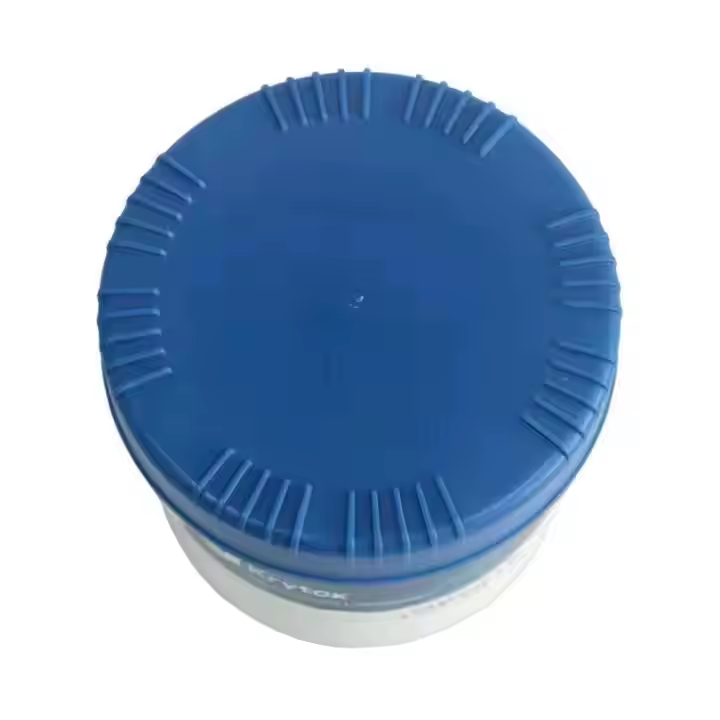
- Brands commonly associated with PFPE lubricants include Krytox and Fomblin. These are often used as representative products for PFPE fluids and greases in specialty applications.
Summary
Perfluoropolyether (PFPE) provides an extraordinary combination of chemical inertness, thermal stability, and low outgassing, making it a go-to choice for high-end lubrication in vacuum, aerospace, and semiconductor environments. Choose the specific PFPE grade (fluid or grease) based on viscosity, temperature range, and material compatibility, and always consult the manufacturer’s data sheet for end-group details and compatibility with seals and housing materials.
If you’d like, I can tailor this to a specific application (e.g., vacuum system, bearing lubrication, or semiconductor equipment) and suggest suitable PFPE grades and compatibility considerations.


Reviews
There are no reviews yet.