

Description
Title: Harnessing the Power of Palladium-on-Carbon Catalyst: A Comprehensive Guide to its Applications and Benefits
Introduction
Catalysts play a crucial role in various chemical reactions, accelerating the rate of reaction and reducing the energy required for the process. Among the numerous types of catalysts available, the palladium-on-carbon (Pd/C) catalyst has gained significant attention due to its remarkable efficiency, versatility, and eco-friendly nature. In this article, we will delve into the world of Pd/C catalysts, exploring their applications, benefits, and the underlying science behind their effectiveness.
What is a Palladium-on-Carbon Catalyst?
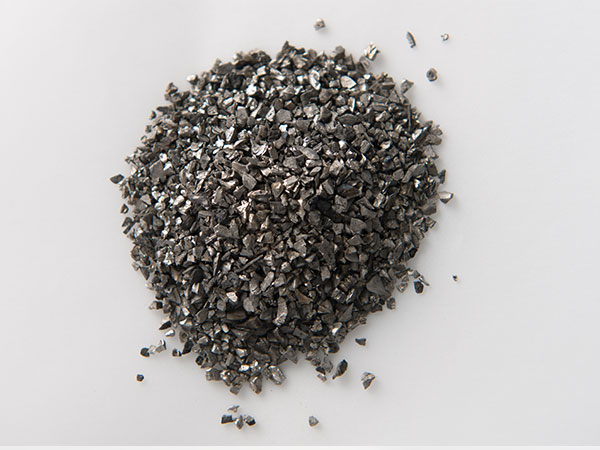
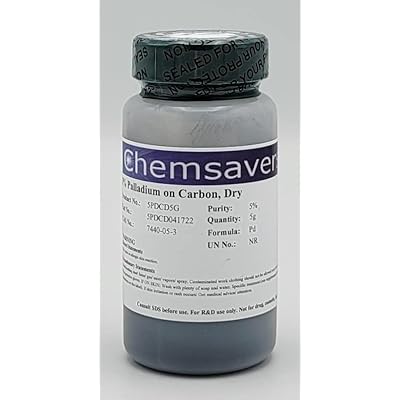
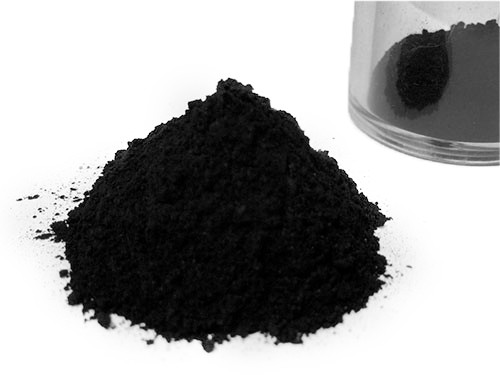
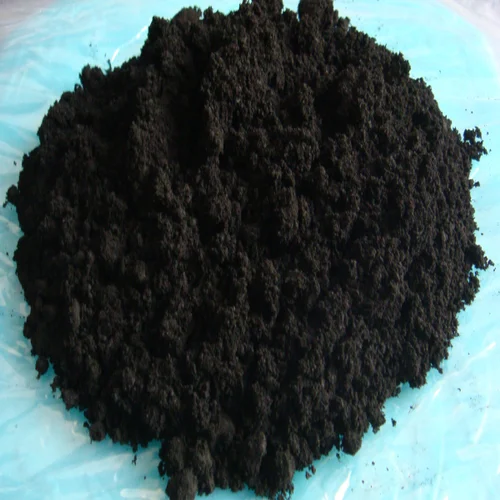
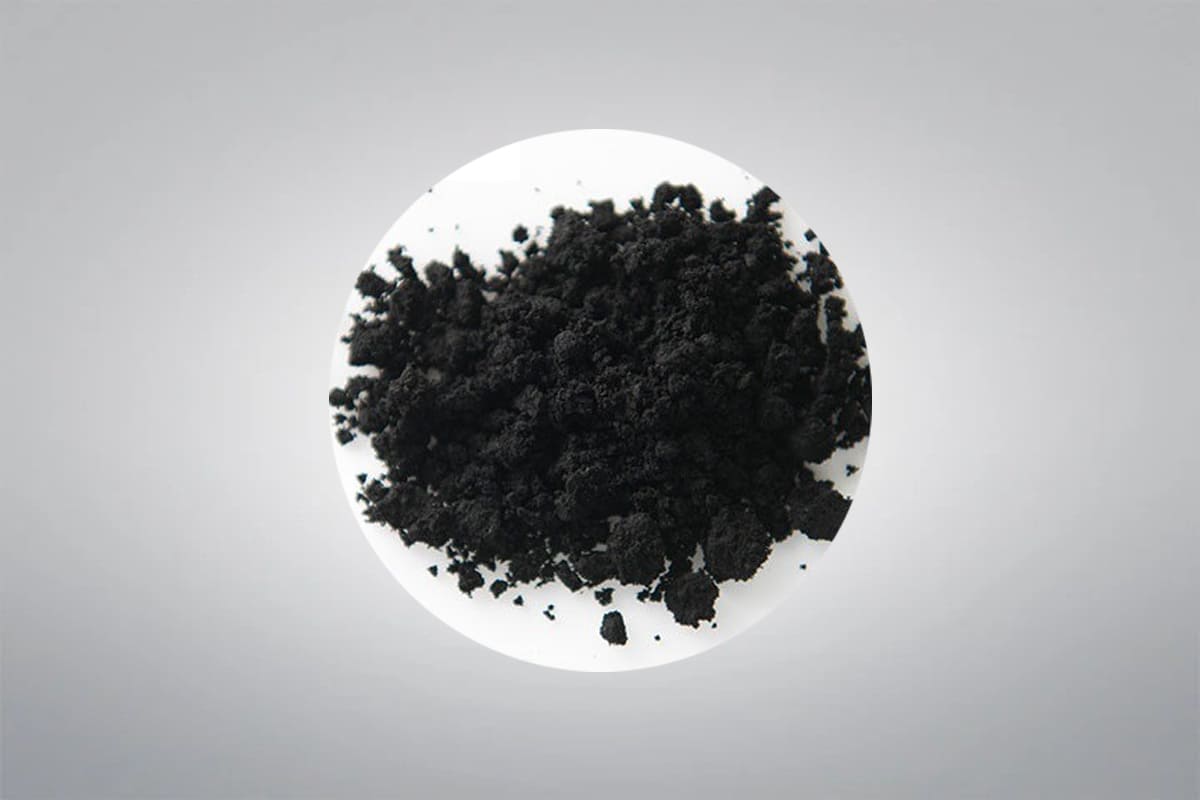
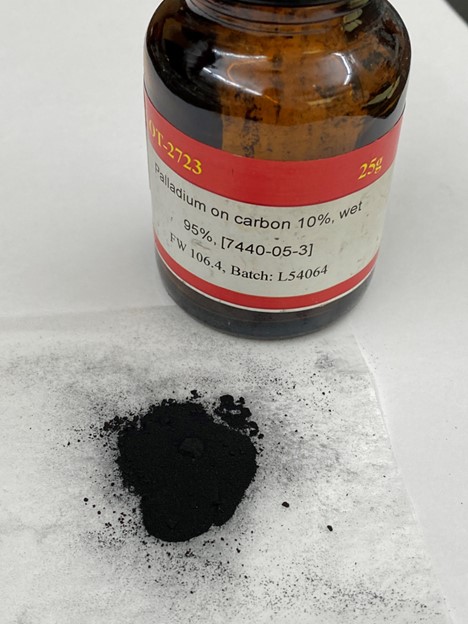
A palladium-on-carbon catalyst is a heterogeneous catalyst composed of palladium nanoparticles dispersed on a carbon support. The carbon support, typically in the form of activated carbon, provides a high surface area for the dispersion of palladium nanoparticles, ensuring a high concentration of active sites for catalytic reactions. The palladium nanoparticles, on the other hand, serve as the catalytic active sites, facilitating the desired chemical reactions.
The synthesis of Pd/C catalysts involves impregnating the carbon support with a palladium precursor, followed by reduction of the precursor to form the nanoparticles. This process can be tailored to control the size, shape, and distribution of the palladium nanoparticles, which in turn affects the catalytic properties of the material.
Applications of Pd/C Catalysts
Palladium-on-carbon catalysts find widespread applications in various industries due to their unique properties. Some of the most notable applications include:
- Hydrogenation Reactions: Pd/C catalysts are extensively used in hydrogenation reactions, where they facilitate the addition of hydrogen atoms to unsaturated organic compounds, such as alkenes and alkynes. This process is essential in the production of fine chemicals, pharmaceuticals, and food additives.
- Cross-Coupling Reactions: Pd/C catalysts play a vital role in cross-coupling reactions, which involve the formation of carbon-carbon bonds between two different organic molecules. These reactions are widely used in the synthesis of complex organic molecules, such as pharmaceuticals and agrochemicals.
- Dehalogenation Reactions: Pd/C catalysts can effectively catalyze the removal of halogen atoms from organic compounds, a process known as dehalogenation. This reaction is particularly useful in the purification of organic compounds and the synthesis of halogen-free compounds.
- Catalytic Reduction of Nitrogen Oxides: Pd/C catalysts have shown promise in the catalytic reduction of nitrogen oxides (NOx), which are major air pollutants emitted by combustion processes. This application is particularly relevant in the development of cleaner and more efficient exhaust gas treatment systems for vehicles and industrial plants.
Benefits of Pd/C Catalysts
- High Activity and Selectivity: Pd/C catalysts exhibit high catalytic activity and selectivity, which translates into efficient and targeted chemical reactions. This makes them ideal for a wide range of applications, from fine chemical synthesis to environmental remediation.
- Stability and Reusability: Pd/C catalysts are known for their excellent stability and resistance to deactivation. This allows them to be reused multiple times, reducing the overall cost of the catalytic process and minimizing waste generation.
- Eco-Friendly: Pd/C catalysts are considered eco-friendly due to their low toxicity, minimal waste generation, and the ability to catalyze reactions under mild conditions. This makes them an attractive alternative to traditional catalysts that may pose environmental risks.
- Versatility: The unique properties of Pd/C catalysts make them suitable for a wide range of chemical reactions, from hydrogenation to cross-coupling and dehalogenation. This versatility allows for the synthesis of a diverse array of organic compounds with varying functional groups and structures.
Conclusion
Palladium-on-carbon catalysts have emerged as a powerful tool in the field of catalysis, offering high activity, selectivity, and stability in a wide range of chemical reactions. Their eco-friendly nature and versatility make them an attractive choice for various industries, from pharmaceuticals to environmental remediation. As research continues to uncover new applications and improve the synthesis of Pd/C catalysts, their potential impact on the chemical industry and beyond is bound to grow.


Reviews
There are no reviews yet.