


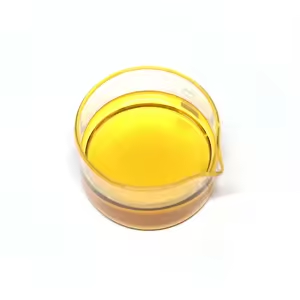


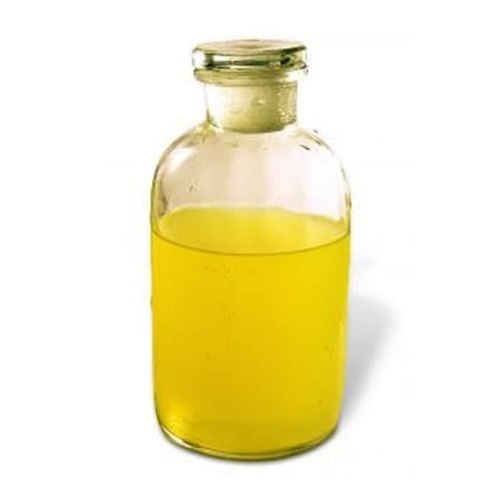
Description
Octyl Methoxycinnamate: Your Sunscreen’s Unsung Hero (and Potential Concerns)
We slather it on before hitting the beach, rub it into our skin before a hike, and rely on it to protect us from the sun’s harmful rays. But do we really know what’s in our sunscreen? While brand names and SPF numbers might be familiar, many of the active ingredients remain a mystery. Today, we’re shedding light on one common sunscreen component: Octyl Methoxycinnamate (OMC).
What is Octyl Methoxycinnamate?
Also known as octinoxate, OMC is a chemical sunscreen filter. It’s an ester formed from methoxycinnamic acid and 2-ethylhexanol. In layman’s terms, it’s a synthetic organic compound that absorbs UVB rays, the primary culprit behind sunburn. It’s virtually insoluble in water, making sunscreens more water-resistant.
Why is it Used in Sunscreen?
OMC is a popular ingredient in sunscreens and other cosmetic products for several key reasons:
- Effective UVB Protection: OMC is highly effective at absorbing UVB radiation, preventing sunburn and reducing the risk of skin cancer.
- Availability and Cost-Effectiveness: Compared to some newer or naturally derived sunscreen filters, OMC is relatively inexpensive and readily available, making it a common choice for manufacturers.
- Ease of Formulation: OMC is easily incorporated into various sunscreen formulations, allowing for a range of textures and application methods.
Consequently, it’s found in a wide array of products beyond sunscreen, including:
- Lip balms with SPF
- Foundations and tinted moisturizers
- Hair care products designed to protect against UV damage
The Controversy Surrounding OMC
While OMC offers significant sun protection, it’s also been the subject of debate and research, raising some potential concerns:
- Hormone Disruption: Studies have suggested that OMC may have endocrine-disrupting properties, potentially mimicking estrogen in the body. While research is ongoing and mostly conducted in vitro or on animals, concerns have been raised about potential impacts on human health, especially with prolonged and widespread use.
- Environmental Impact: OMC has been detected in marine environments, where it can accumulate in coral reefs and disrupt their growth and reproduction. This has led to bans or restrictions on OMC-containing sunscreens in some regions with sensitive marine ecosystems.
- Potential for Skin Irritation: Some individuals may experience skin irritation or allergic reactions to OMC, particularly those with sensitive skin.
Navigating the OMC Debate: What You Should Consider
Given the conflicting information, how should consumers approach the use of OMC-containing products? Here are some factors to consider:
- Risk Assessment: Weigh the benefits of sun protection against the potential risks associated with OMC. For many, the risks of sun exposure outweigh the potential risks of OMC.
- Alternative Sunscreen Filters: Consider exploring alternative sunscreen filters, such as zinc oxide and titanium dioxide (mineral sunscreens), which are generally considered safer for both human health and the environment.
- Product Label Awareness: Read product labels carefully and be aware of the ingredients in your sunscreen. Look for sunscreens labeled as “mineral sunscreens” or those that specifically exclude OMC.
- Application Practices: Use sunscreen responsibly, applying it properly and reapplying frequently, especially after swimming or sweating.
- Stay Informed: Keep abreast of the latest research and recommendations on sunscreen ingredients from reputable sources like the Environmental Working Group (EWG) and dermatological associations.
The Bottom Line
Octyl Methoxycinnamate remains a widely used and effective UVB filter in many sunscreens. However, concerns about its potential hormonal effects and environmental impact have prompted scrutiny and the exploration of alternative sunscreen ingredients. By staying informed and making conscious choices, consumers can prioritize both sun protection and their overall well-being. As with any product you apply to your skin, understanding the ingredients and their potential effects is crucial for making informed decisions that are right for you and the planet.


Reviews
There are no reviews yet.