

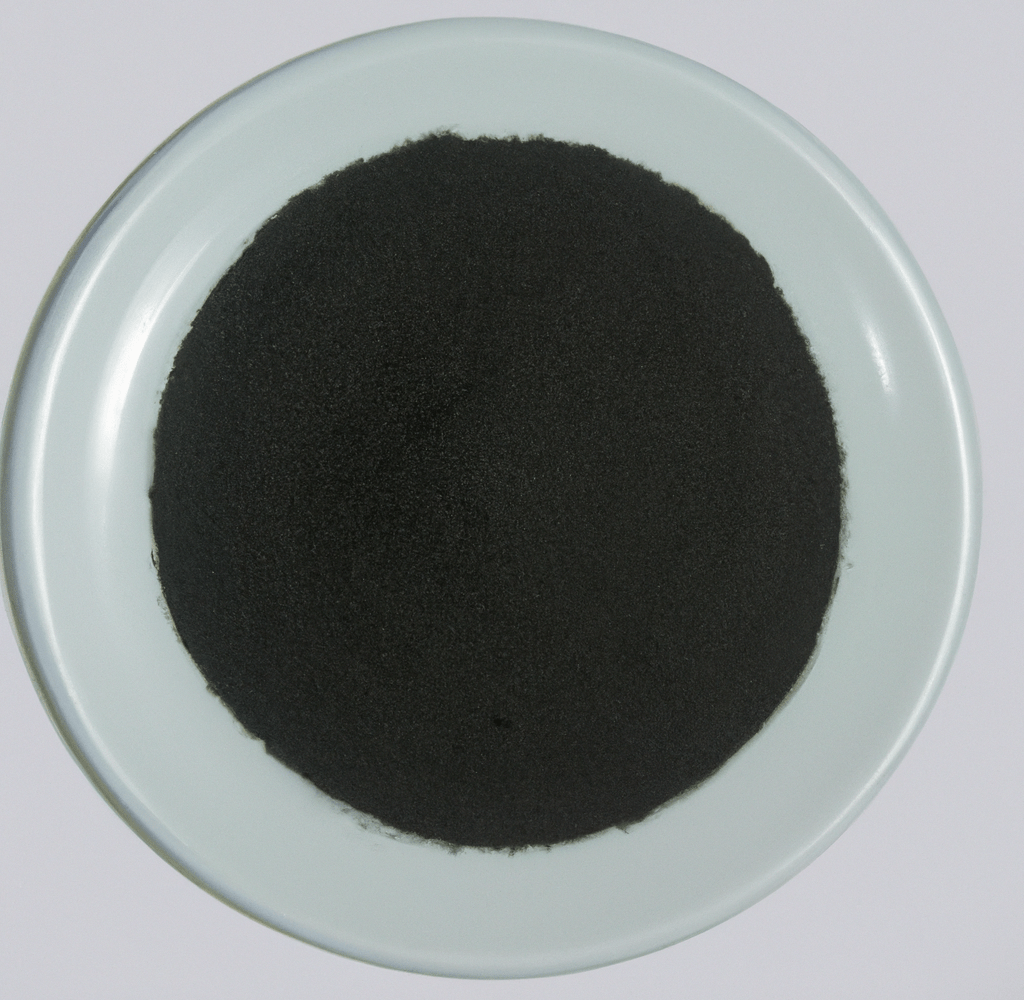
Description
Nickel Carbonyl: The Ghost in the Machine of High-Purity Nickel
At first glance, it appears unassuming: a colorless, volatile liquid with a faintly musty or “soapy” odor, boiling at a mere 42°C. Yet, this simple compound, nickel carbonyl (Ni(CO)₄), is a chemical marvel, a historical milestone, and an exceptionally dangerous substance, all rolled into one. It holds the key to producing some of the world’s purest nickel, a metal vital for countless industries, but it does so with a whisper of deadly peril.
A Serendipitous Discovery
The story of nickel carbonyl begins in 1890 with German chemist Ludwig Mond, who was attempting to purify nickel. He noticed that when producer gas (a mixture rich in carbon monoxide) was passed over finely divided nickel at moderate temperatures, a volatile compound formed. This compound, upon heating to slightly higher temperatures, completely decomposed, leaving behind pure nickel and releasing carbon monoxide. Mond quickly grasped the significance of this reversible reaction, birthing a revolutionary process for nickel purification that still bears his name: The Mond Process.
Chemical Chameleon: Properties and Structure
Nickel carbonyl is an organometallic compound, specifically a metal carbonyl. In Ni(CO)₄, a central nickel atom is bonded to four carbon monoxide (CO) ligands. This arrangement gives it a tetrahedral geometry, meaning the CO molecules are symmetrically arrayed around the nickel.
Its most notable properties include:
- Extreme Volatility: Its low boiling point means it easily vaporizes into a gas at room temperature, making its handling particularly challenging.
- Thermal Instability: This is its defining characteristic for industrial use. It readily decomposes upon mild heating (around 180-200°C) back into elemental nickel and carbon monoxide.
- Reactivity: It’s quite reactive, burning with a sooty flame to produce nickel oxide and carbon dioxide, and reacting with acids and halogens.
The Mond Process: Purity Personified
The primary and almost exclusive industrial application of nickel carbonyl is in the Mond Process for the refining of nickel. This ingenious method leverages the unique properties of Ni(CO)₄:
- Formation: Impure nickel, often mixed with copper, cobalt, and iron, is reacted with carbon monoxide gas at relatively low temperatures (50-60°C) and slightly elevated pressures. Only nickel reacts readily under these conditions to form volatile nickel carbonyl gas. Impurities like iron and cobalt react much more slowly or not at all, and copper does not form a carbonyl.
- Purification: The gaseous Ni(CO)₄ is then separated from the solid impurities and unreacted metals.
- Decomposition: The pure nickel carbonyl gas is subsequently heated to higher temperatures (180-200°C). This causes the Ni(CO)₄ to decompose, depositing extremely pure nickel onto heated nickel pellets or surfaces, while the carbon monoxide is regenerated and recycled back into the process.
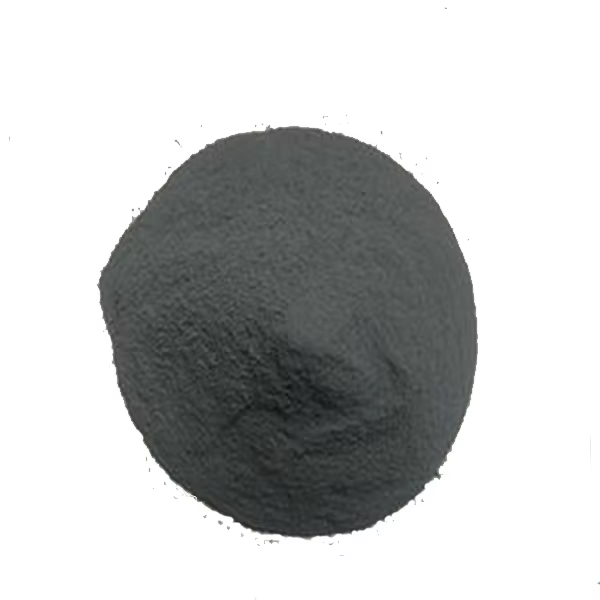
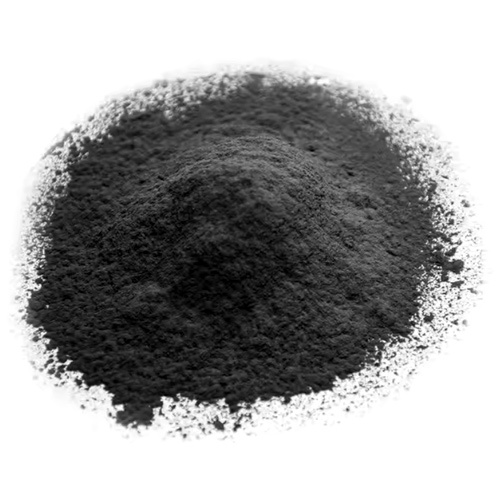
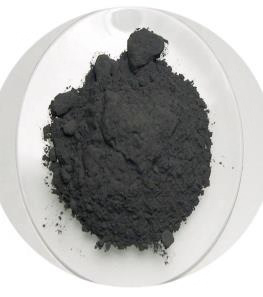
This process yields nickel of exceptional purity (typically greater than 99.99%), which is crucial for applications requiring high performance, such as specialized alloys, catalysts, and electronic components.
A Double-Edged Sword: Extreme Toxicity
Despite its industrial utility, nickel carbonyl is notorious for its extreme toxicity. It is one of the most hazardous substances encountered in industrial chemistry, primarily due to its ability to be readily absorbed via inhalation, skin contact, and ingestion.
- Inhalation: This is the most common and dangerous route of exposure. Even minute concentrations in the air can be lethal. Symptoms often have a delayed onset, appearing hours or even days after exposure. Initial symptoms may include headache, nausea, vertigo, and shortness of breath. This is followed by a more severe phase involving chemical pneumonitis, pulmonary edema (fluid in the lungs), respiratory failure, and neurological damage, which can be fatal.
- Mechanism of Toxicity: The exact mechanisms are complex, but it’s believed that nickel carbonyl damages cell membranes and inhibits various enzyme systems. The nickel itself is toxic, and the carbon monoxide released during metabolic decomposition also contributes to the harm.
- Safety Precautions: Due to its volatility and toxicity, nickel carbonyl is handled with the utmost care in tightly sealed, fully enclosed systems with extensive ventilation and monitoring. Workers in facilities using the Mond Process undergo rigorous training and use specialized personal protective equipment.
Conclusion: A Legacy of Innovation and Caution
Nickel carbonyl stands as a powerful testament to the ingenuity of chemical engineering. It transformed the nickel industry, making high-purity nickel widely available for a multitude of essential applications. However, its story is also a stark reminder of the inherent dangers that can lie within seemingly simple compounds. The delicate dance between its remarkable utility and its profound toxicity underscores the critical importance of safety, containment, and respect when working with the more potent tools in the chemist’s arsenal.


Reviews
There are no reviews yet.