

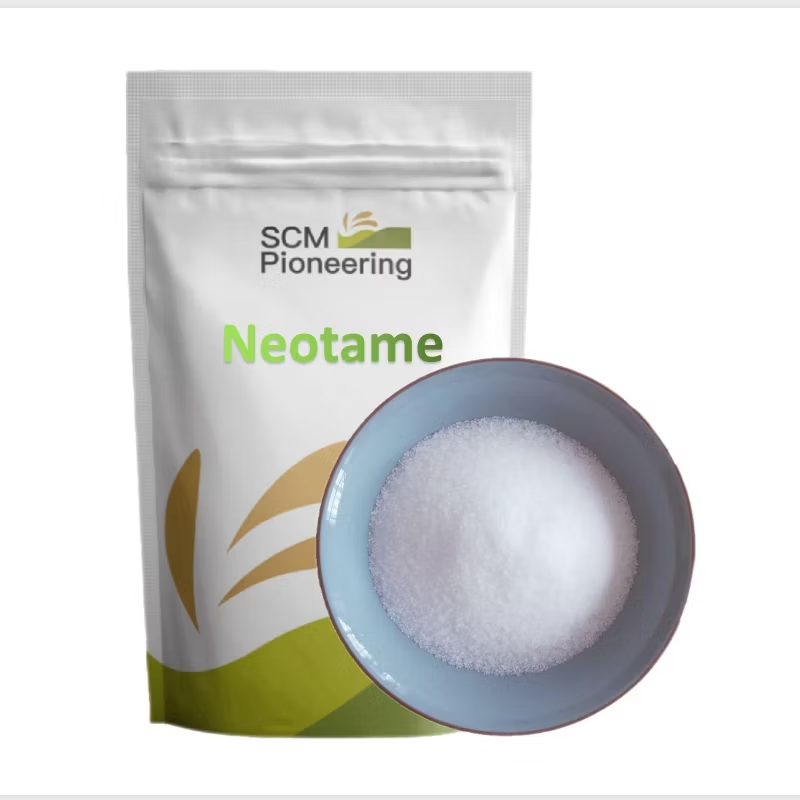
Description
Neotame: A Deep Dive into This High-Intensity Sweetener
In the ever-evolving world of food and beverages, the search for healthier alternatives to sugar continues to drive innovation. One such innovation is Neotame, a high-intensity artificial sweetener gaining traction as a sugar substitute. While it offers sweetness without the calories, understanding its properties, applications, and potential effects is crucial for informed consumption.
What is Neotame?
Neotame is a potent artificial sweetener derived from naturally occurring amino acids, aspartic acid and phenylalanine. It’s structurally similar to Aspartame, another popular artificial sweetener, but with a crucial difference: a 3,3-dimethylbutyl group attached to the aspartic acid portion. This addition significantly alters its properties and metabolism.
Key Features and Advantages of Neotame:
- Intense Sweetness: Neotame is approximately 7,000 to 13,000 times sweeter than sucrose (table sugar). This extreme sweetness means only tiny amounts are needed to achieve desired sweetness levels, making it a cost-effective option for manufacturers.
- Low Calorie: Due to the minuscule amount required for sweetening, Neotame contributes virtually no calories to the diet. This makes it an attractive option for those managing weight or with diabetes.
- Heat Stability: Unlike some other artificial sweeteners, Neotame is relatively stable under heat, making it suitable for use in baked goods, cooked products, and processed foods.
- Improved Flavor Profile: In some applications, Neotame can enhance the flavor of the product by masking off-flavors or providing a smoother, more rounded sweetness compared to other sweeteners.
- Metabolism and Excretion: Neotame is rapidly metabolized in the body and excreted through urine and feces. The key difference from Aspartame is that the added 3,3-dimethylbutyl group prevents it from breaking down to phenylalanine, which is a concern for individuals with phenylketonuria (PKU).
Applications of Neotame:
Neotame is approved for use in a wide range of food and beverage products, including:
- Beverages: Soft drinks, juices, flavored water, and other sweetened beverages.
- Baked Goods: Cakes, cookies, pastries, and other baked products.
- Dairy Products: Yogurt, ice cream, and other dairy desserts.
- Processed Foods: Breakfast cereals, chewing gum, condiments, and tabletop sweeteners.
- Pharmaceuticals: Used as a masking agent for taste in medications.
Safety Considerations and Potential Concerns:
Neotame has been approved for use by regulatory agencies like the U.S. Food and Drug Administration (FDA) and the European Food Safety Authority (EFSA). These agencies have conducted extensive evaluations of the safety of Neotame, concluding that it is safe for human consumption at the established acceptable daily intake (ADI) levels.
However, some potential concerns remain:
- Limited Long-Term Studies: While studies have assessed the safety of Neotame, long-term studies evaluating its impact on human health over decades are relatively limited compared to more established sweeteners.
- Sensitivity and Side Effects: While rare, some individuals may experience sensitivities or side effects to Neotame, such as headaches, nausea, or digestive issues. These reactions are subjective and vary from person to person.
- Potential Impact on Gut Microbiome: Research suggests that artificial sweeteners, including Neotame, may have an impact on the gut microbiome, potentially affecting digestion and overall health. However, more research is needed to understand the extent and implications of these effects.
- Phenylketonuria (PKU) Considerations: Although Neotame is metabolized differently than Aspartame, individuals with PKU should still be aware of its presence, as trace amounts of phenylalanine might be present. Labeling typically alerts consumers to its presence.
Conclusion:
Neotame is a powerful and versatile artificial sweetener that offers a calorie-free alternative to sugar in various food and beverage applications. Its heat stability, flavor-enhancing properties, and cost-effectiveness make it an attractive option for manufacturers. While regulatory agencies have deemed it safe for consumption at established levels, it’s essential to be aware of potential concerns, such as limited long-term studies and potential sensitivities. Like any food additive, moderation and informed consumption are key. As research continues to evolve, our understanding of the long-term effects of Neotame will undoubtedly deepen, allowing for more informed choices about its use in our diets.



Reviews
There are no reviews yet.