



Description
N-Butanol: A Versatile Alcohol with a Growing Role in Industry and Renewable Energy
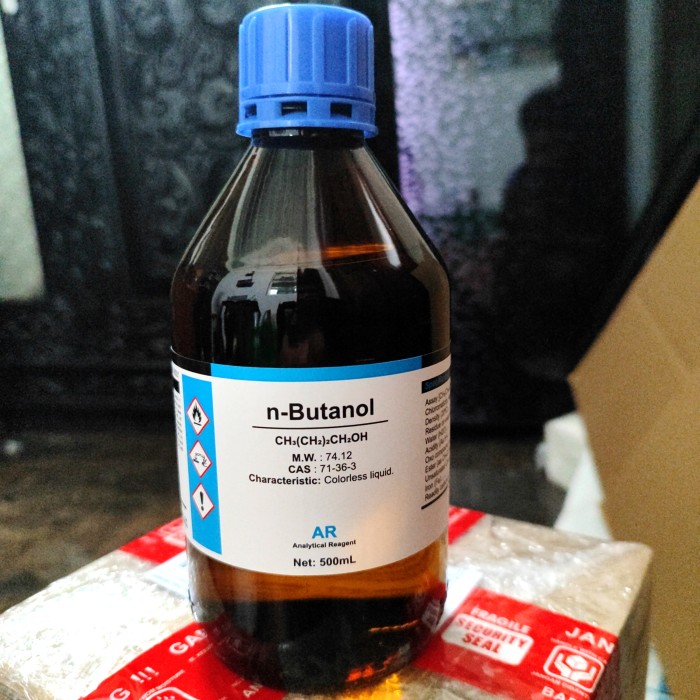
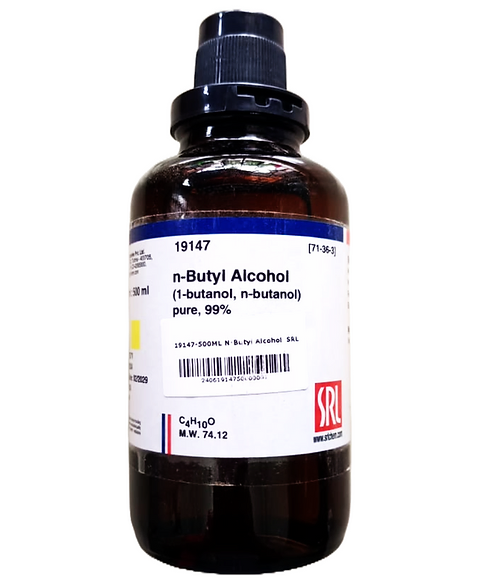
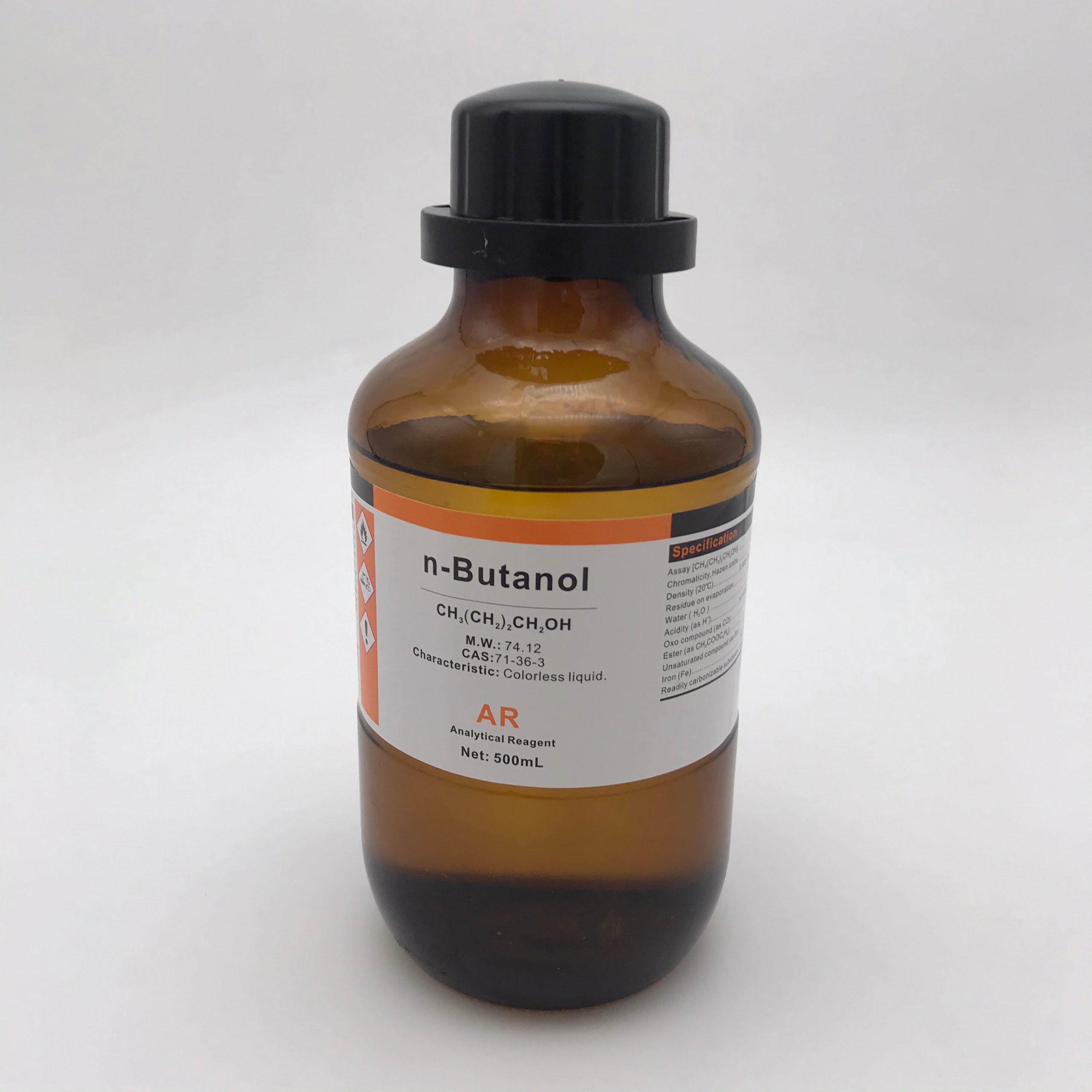
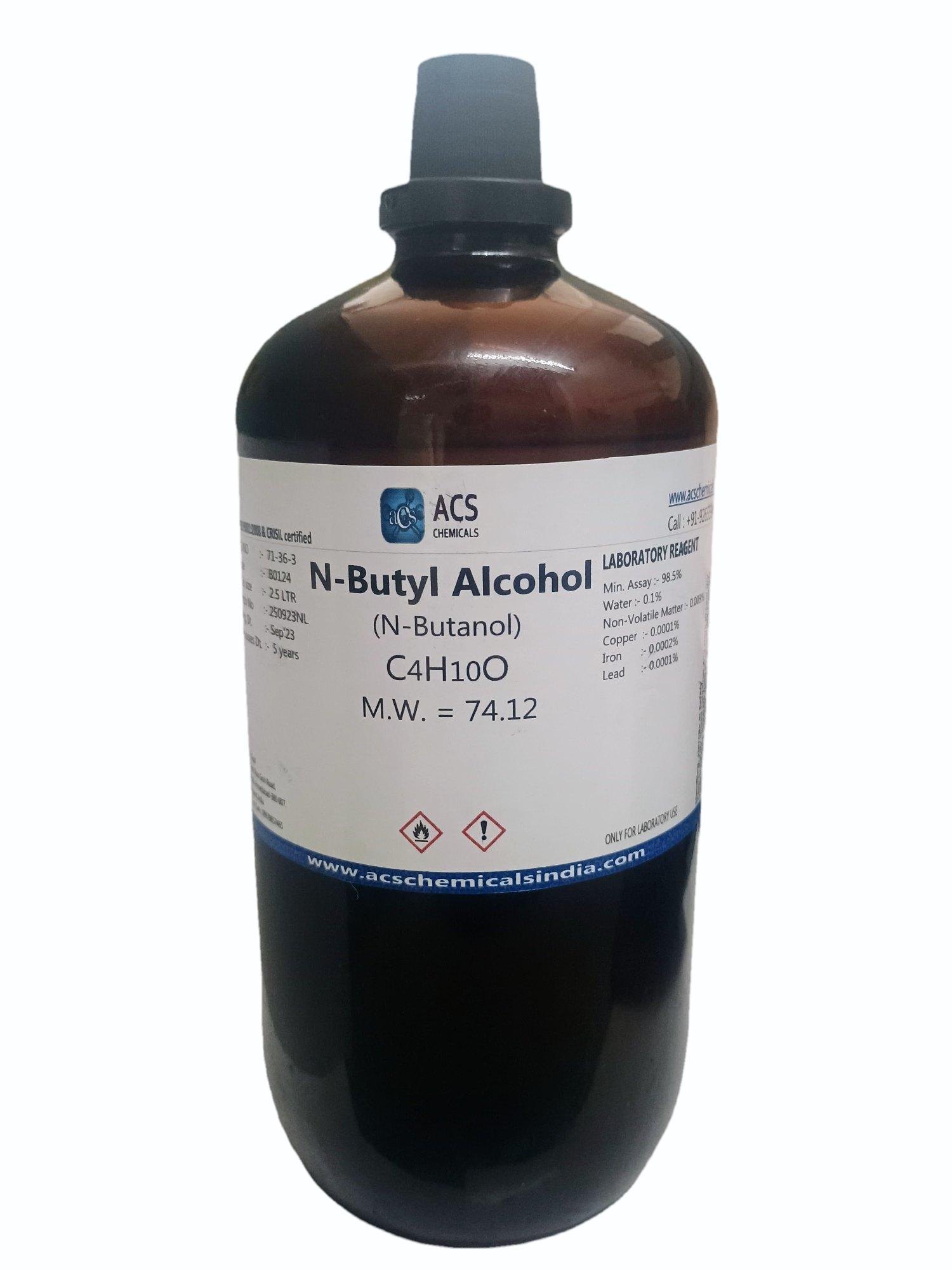
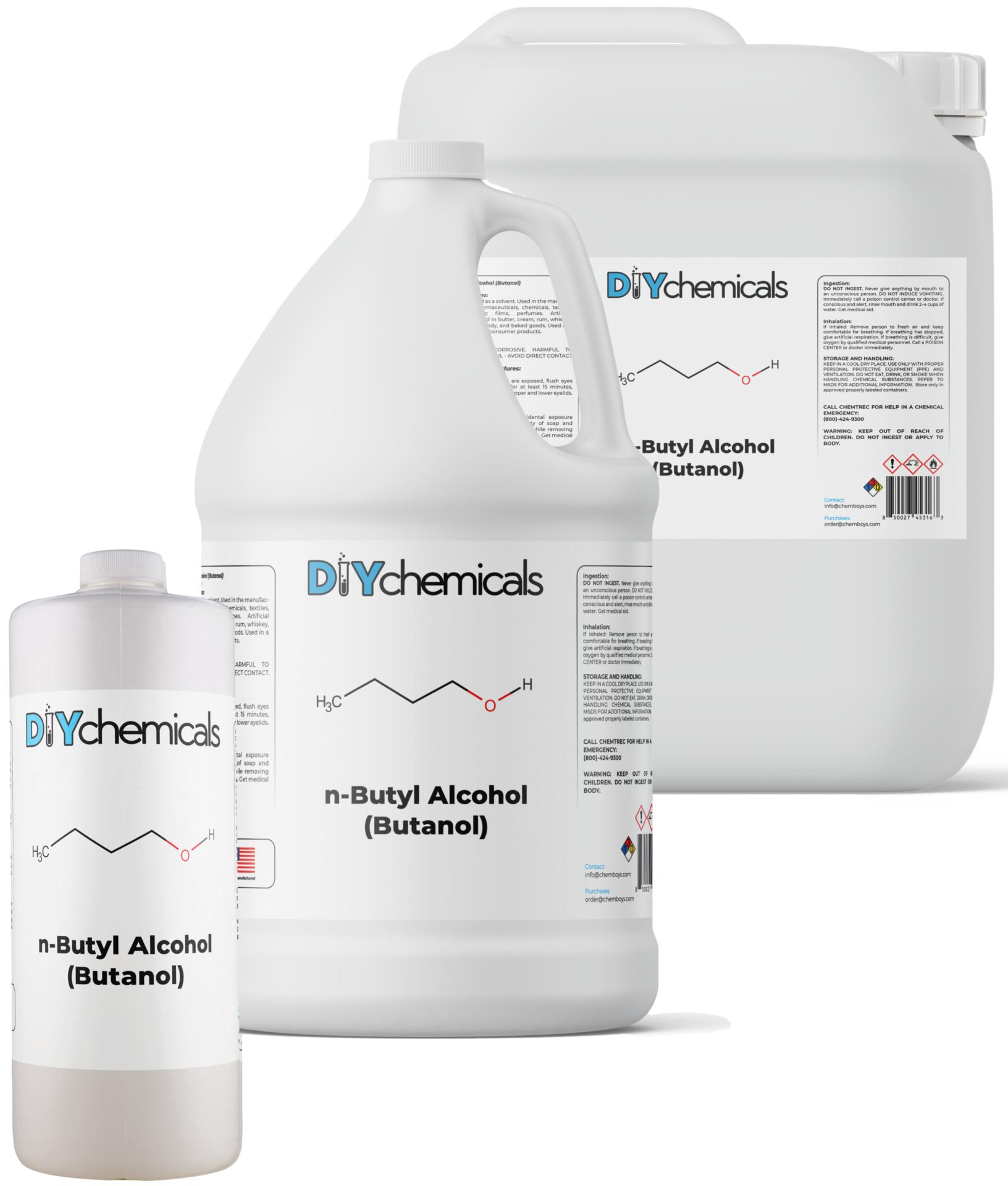
N-Butanol, also known as 1-butanol or butyl alcohol, is a colorless, flammable liquid with a characteristic, slightly sweet odor. It’s an alcohol with four carbon atoms, making it a valuable chemical building block and a promising alternative fuel. While it’s been utilized in various industries for decades, its potential as a biofuel and its improved production methods are driving renewed interest and innovation.
Applications Across Diverse Industries:
N-Butanol’s properties make it highly versatile, finding applications in numerous sectors:
- Solvent: N-Butanol boasts excellent solvency for a wide array of substances, including fats, waxes, resins, varnishes, and paints. This makes it a key ingredient in coatings, adhesives, and cleaning products. Its ability to dissolve both polar and nonpolar compounds contributes to its widespread use in chemical reactions and extractions.
- Chemical Intermediate: N-Butanol is a crucial intermediate in the synthesis of various chemicals, including:
- Butyl Acetate: Widely used as a solvent in lacquers and as a flavoring agent.
- Glycol Ethers: Used as solvents, cleaning agents, and in the production of brake fluids.
- Plasticizers: Added to plastics to increase their flexibility and durability.
- Fuel Additive: N-Butanol can be blended with gasoline to improve its combustion characteristics and reduce emissions. Compared to ethanol, it offers several advantages as a fuel additive:
- Higher Energy Content: N-Butanol provides more energy per unit volume than ethanol, resulting in improved fuel economy.
- Less Corrosive: It is less corrosive than ethanol, reducing the risk of damage to fuel systems.
- Lower Hygroscopicity: N-Butanol absorbs less water than ethanol, minimizing phase separation issues in gasoline blends.
- Pharmaceuticals and Cosmetics: N-Butanol can be found in the production of certain pharmaceuticals and cosmetic products, acting as a solvent or intermediate.
Production Methods: From Petrochemicals to Renewable Bio-butanol
Traditionally, N-Butanol has been produced from petrochemical feedstocks. The most common processes involve:
- Oxo Process: This process reacts propylene with carbon monoxide and hydrogen using a catalyst to produce butyraldehyde, which is then hydrogenated to N-Butanol.
- Reppe Chemistry: Involves the reaction of acetylene with formaldehyde and water, followed by hydrogenation.
However, the rising demand for sustainable alternatives has spurred significant advancements in the production of bio-butanol. This method utilizes:
- A.B.E. Fermentation: Certain bacteria, primarily from the Clostridium genus, can ferment various carbohydrates (e.g., corn, sugarcane, cellulose) into a mixture of Acetone, Butanol, and Ethanol (A.B.E.). While this process has been known for over a century, ongoing research focuses on:
- Improving Bacterial Strains: Enhancing the butanol yield and tolerance of the microorganisms to the alcohol itself.
- Optimizing Fermentation Processes: Developing more efficient bioreactors and separation techniques to reduce production costs.
- Utilizing Waste Feedstocks: Employing agricultural residues and other waste materials as feedstock to promote sustainability and reduce reliance on food crops.
Advantages and Challenges of Bio-butanol:
Bio-butanol offers several advantages over traditional petrochemical-derived N-Butanol:
- Renewable Resource: It is produced from renewable biomass, reducing dependence on fossil fuels.
- Lower Greenhouse Gas Emissions: The production process can result in a lower carbon footprint compared to petrochemical production.
- Potential for Waste Utilization: It can be produced from waste materials, contributing to waste management and resource recovery.
However, challenges remain in the widespread adoption of bio-butanol:
- Production Costs: Currently, bio-butanol production costs are often higher than petrochemical-based methods.
- Yield and Efficiency: Improving the efficiency and yield of fermentation processes is crucial to reducing production costs.
- Separation and Purification: Separating N-Butanol from the fermentation broth can be energy-intensive and costly.
The Future of N-Butanol:
N-Butanol’s versatility and potential as a renewable biofuel position it for significant growth in the coming years. As research and development efforts continue to address the challenges associated with bio-butanol production, its adoption in various industries is expected to increase. Innovations in fermentation technology, feedstock utilization, and separation techniques will play a crucial role in unlocking the full potential of this valuable alcohol and contributing to a more sustainable future.


Reviews
There are no reviews yet.