
Description
Methanol: A Versatile Chemical with a Complex Story
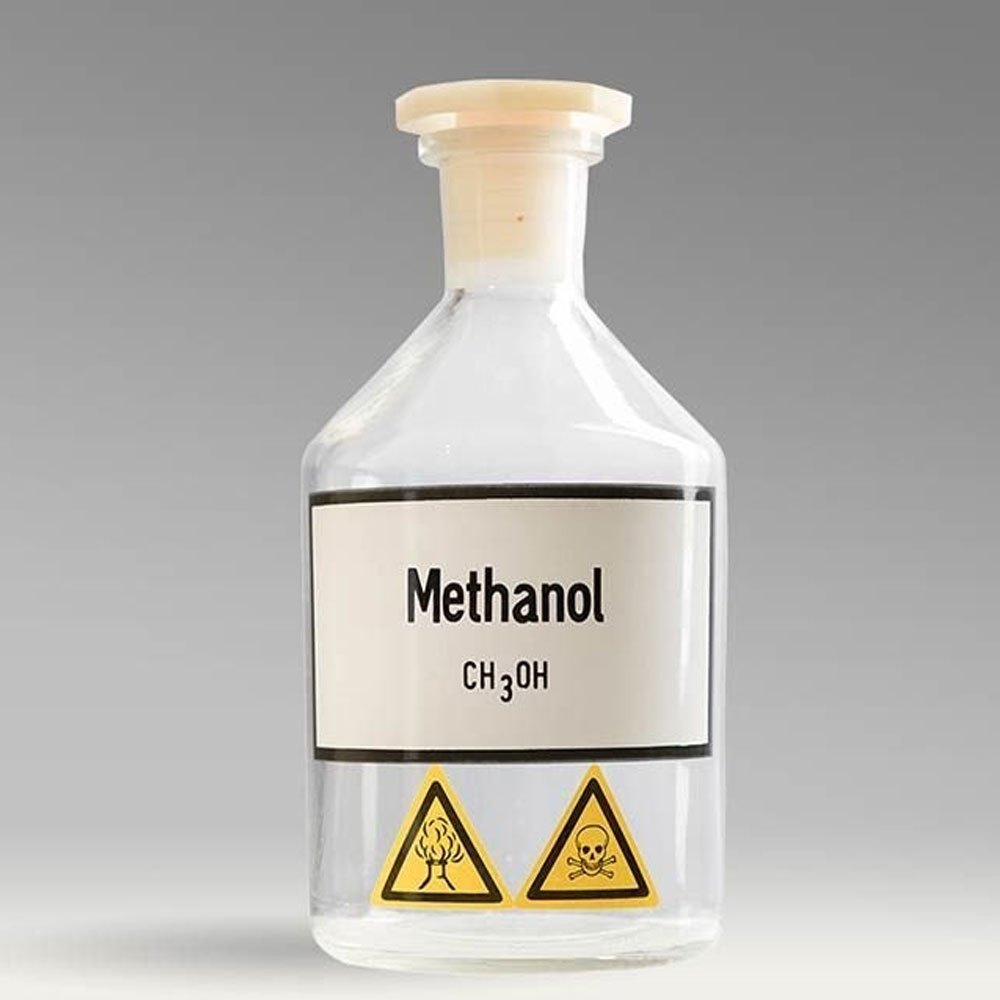
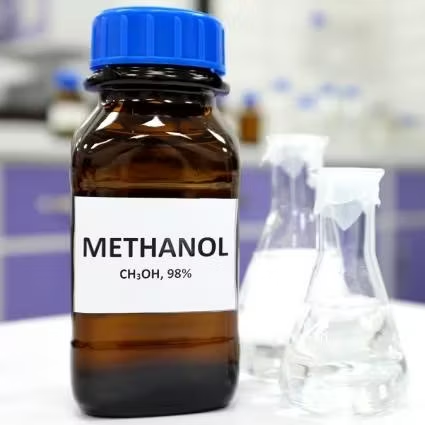
Methanol, also known as methyl alcohol, wood alcohol, or wood spirit, is a simple alcohol with the chemical formula CH3OH. It’s a clear, colorless, flammable liquid with a distinctive odor, often described as slightly sweet or alcoholic, though it’s important never to taste it, as it is highly toxic. While often overshadowed by its more widely known cousin, ethanol (the alcohol in alcoholic beverages), methanol plays a crucial role in various industrial processes and applications. However, its toxicity demands careful handling and awareness.
Properties and Production:
Methanol is a polar solvent, meaning it readily dissolves many substances. It is miscible (mixes completely) with water, ethanol, and many other organic solvents. Chemically, it’s a highly reactive molecule, which contributes to its usefulness in synthesizing other chemicals.
Industrially, methanol is primarily produced through a catalytic process involving synthesis gas, a mixture of carbon monoxide, carbon dioxide, and hydrogen. This synthesis gas is typically derived from natural gas, coal, or biomass. The process involves reacting the gases under high pressure and temperature in the presence of a catalyst, usually copper-based. Efforts are underway to develop more sustainable methods of methanol production, focusing on renewable feedstocks and improved energy efficiency.
Uses of Methanol: A Chemical Workhorse
Methanol boasts a wide range of applications:
- Industrial Solvent: It is used as a solvent in paints, varnishes, lacquers, adhesives, and cleaning products.
- Chemical Feedstock: A significant portion of methanol production is used as a building block for manufacturing other chemicals, including formaldehyde (used in resins and adhesives), acetic acid (used in vinegar and plastics), and methyl tert-butyl ether (MTBE), a gasoline additive (though its use is declining in some areas due to environmental concerns).
- Fuel: Methanol can be used as a fuel, either directly or as a blend with gasoline. It has a high octane rating and can improve engine performance. It is also being explored as a fuel for fuel cells.
- Antifreeze: Methanol is used in antifreeze formulations for automotive cooling systems, though ethylene glycol is more common due to its lower toxicity.
- Denaturant for Ethanol: Methanol is often added to ethanol to make it undrinkable, thereby avoiding excise taxes on alcoholic beverages. This “denatured alcohol” is used in various industrial and laboratory applications.
- Wastewater Treatment: Methanol is sometimes used as a carbon source in wastewater treatment plants to facilitate denitrification, the removal of nitrates from wastewater.
The Dark Side: Toxicity and Safety
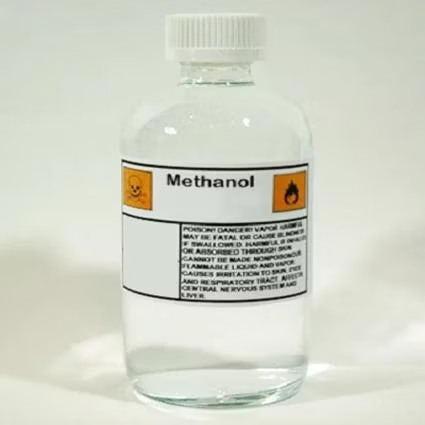
Methanol is highly toxic and can be fatal if ingested, inhaled, or absorbed through the skin. Even small amounts can cause serious health problems.
- Mechanism of Toxicity: The toxicity of methanol stems from its metabolism in the body. It is converted into formaldehyde and then formic acid, both of which are highly toxic. Formic acid inhibits cellular respiration, leading to a buildup of lactic acid and metabolic acidosis.
- Symptoms of Methanol Poisoning: Symptoms can include headache, nausea, vomiting, dizziness, blurred vision, blindness, seizures, coma, and death. The onset of symptoms can be delayed for several hours after exposure.
- Treatment: Treatment for methanol poisoning typically involves administering ethanol (which competes with methanol for the same metabolic enzymes) and/or fomepizole (an inhibitor of alcohol dehydrogenase, the enzyme responsible for methanol metabolism). Hemodialysis may also be necessary to remove methanol and its toxic metabolites from the body.
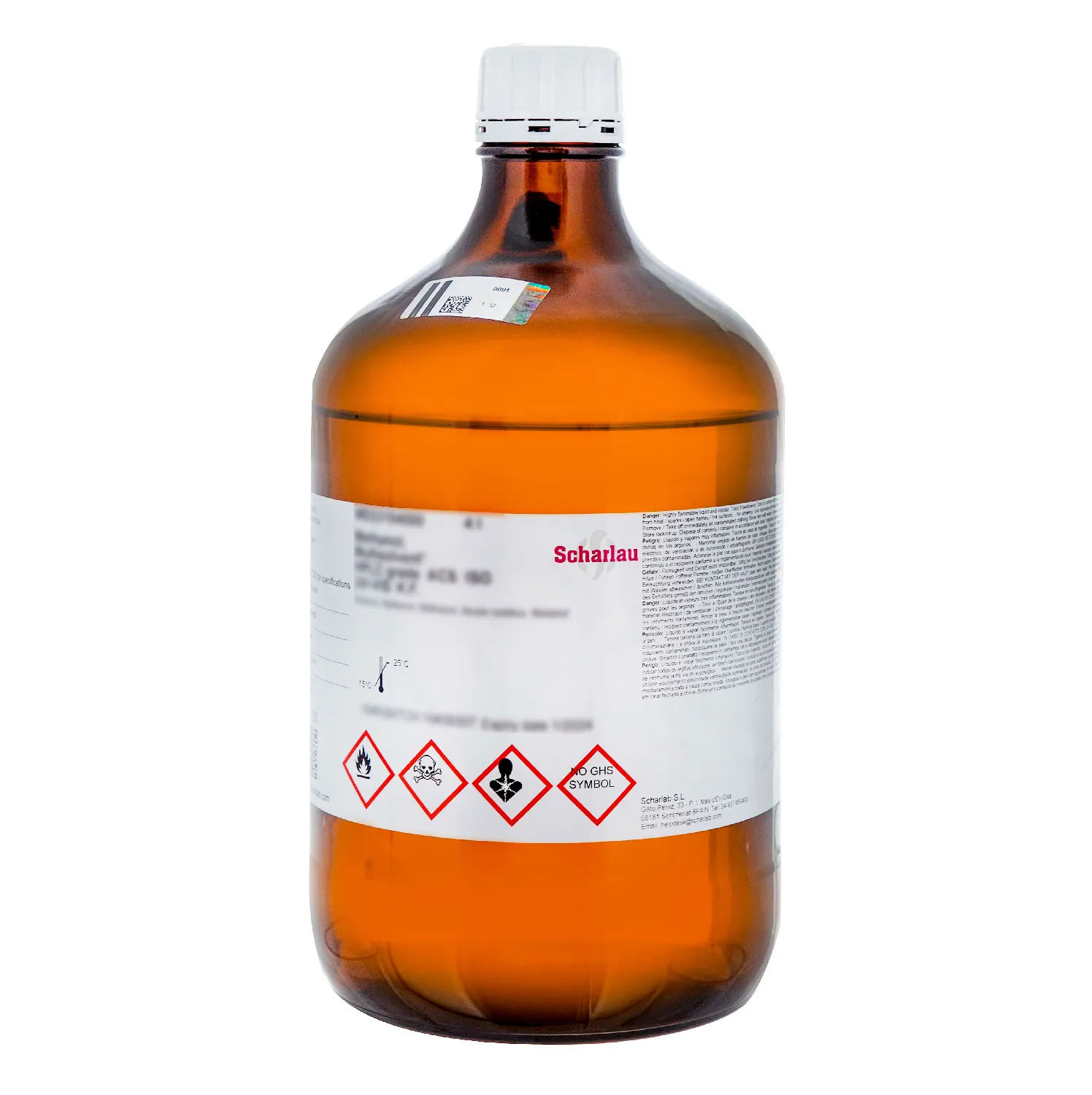
- Safety Precautions: Because of its toxicity, methanol must be handled with extreme care. Appropriate personal protective equipment (PPE), such as gloves, goggles, and respirators, should be worn when handling methanol. Work areas should be well-ventilated. Methanol should be stored in tightly sealed containers in a cool, well-ventilated area, away from heat, sparks, and open flames. Accidental ingestion should be treated as a medical emergency, and immediate medical attention should be sought.
The Future of Methanol:
Despite its toxicity, methanol holds significant promise for the future. Research is ongoing to develop safer and more sustainable production methods, as well as new applications. Its potential as a clean-burning fuel and a versatile chemical feedstock makes it a key component of efforts to transition to a more sustainable economy. However, realizing this potential requires a continued focus on safety and responsible handling to minimize the risks associated with this complex and powerful chemical.
In Conclusion:
Methanol is a valuable chemical intermediate and fuel source with a wide range of applications. However, its inherent toxicity necessitates careful handling and strict safety protocols. Balancing its benefits with its potential risks will be crucial as we continue to explore its role in a more sustainable future.


Reviews
There are no reviews yet.