
Description
1. Product Overview
LNG Cargoes (DES) refers to liquefied natural gas supplied under Delivered Ex-Ship (DES) contractual terms, where the seller assumes responsibility for transporting LNG directly to the buyer’s designated receiving terminal. LNG is natural gas that has been cooled to approximately −162°C to convert it into liquid form, enabling efficient long-distance maritime transport and high-volume energy delivery. Its primary industrial use is as a clean-burning fuel for power generation, industrial energy systems, petrochemical feedstock, and gas grid supply. The key value proposition lies in providing large-scale, reliable energy supply with lower carbon intensity compared to traditional fossil fuels. Strategically, LNG cargoes delivered under DES terms play a critical role in global energy security, flexible fuel sourcing, and the ongoing transition toward cleaner energy systems.
2. Key Specifications & Technical Characteristics
- Chemical Composition:
- Methane (CH₄): Typically 85–95%
- Ethane (C₂H₆), Propane (C₃H₈), Butane (C₄H₁₀): Minor components
- Nitrogen (N₂): Trace amounts
- Virtually sulfur-free
- Purity Level / Grade:
- Commercial LNG specification
- Pipeline-quality natural gas equivalent after regasification
- Composition verified by cargo certificate and terminal analysis
- Physical Characteristics:
- Cryogenic liquid
- Colorless and odorless in liquid state
- Boiling point: Approximately −162°C at atmospheric pressure
- Density: Approximately 430–470 kg/m³ (composition dependent)
- Non-corrosive but requires specialized cryogenic storage and handling systems
- Packaging Options:
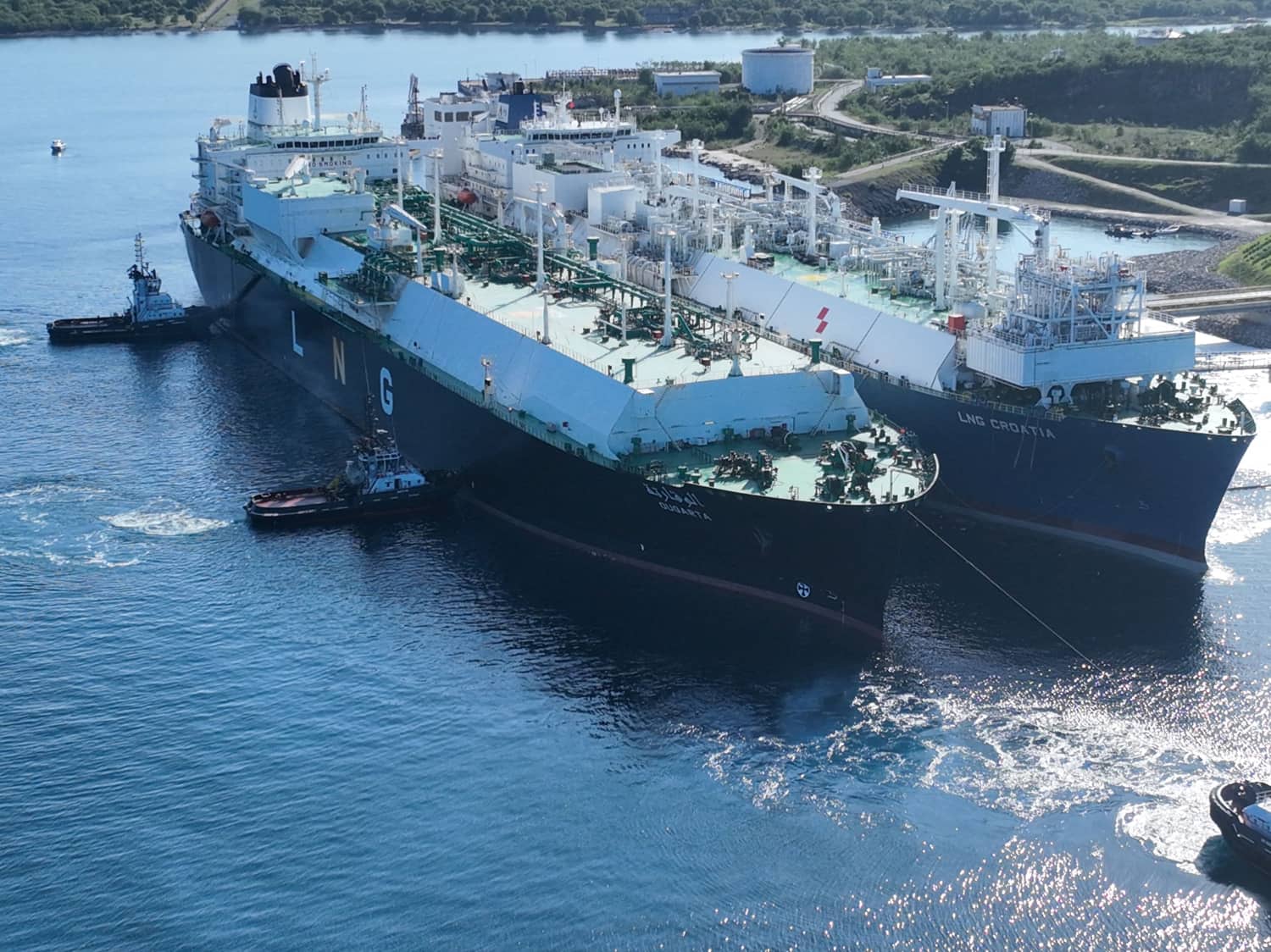
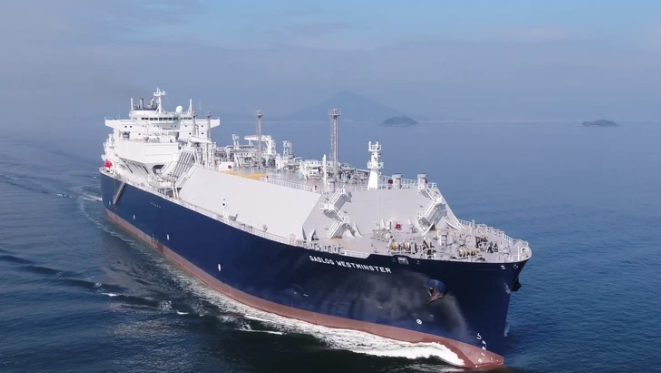
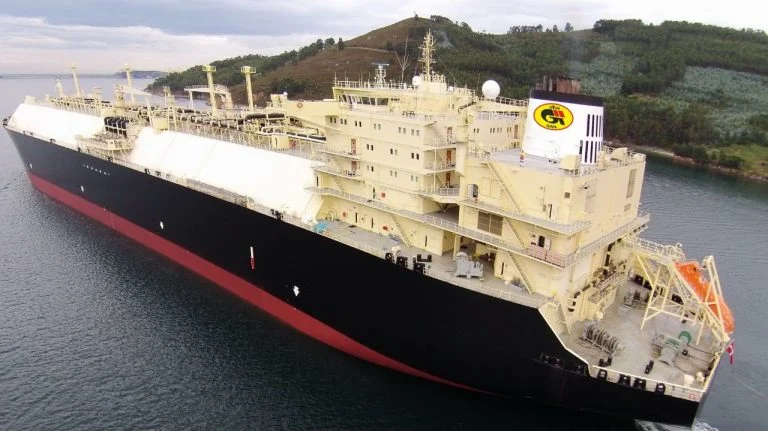
- Bulk LNG cargo via specialized LNG carriers
- Delivered directly to LNG receiving terminals under DES contract structure
- Transfer to onshore LNG storage tanks at receiving facilities
- Shelf Life:
- Stable under cryogenic storage conditions in insulated LNG tanks
- Managed through boil-off gas control systems during storage and transport
3. Core Industrial Applications
Primary Industries:
- Power generation utilities
- National gas distribution networks
- Petrochemical and chemical manufacturing
- Industrial manufacturing sectors
- Marine fuel supply (LNG bunkering)
Operational Use Cases:
- Fuel supply for combined-cycle gas turbine (CCGT) power plants
- Feedstock for hydrogen, ammonia, and methanol production
- Regasification and injection into national natural gas pipelines
- Energy source for energy-intensive industries such as steel, cement, and glass manufacturing
- Marine fuel for LNG-powered vessels
Performance & Cost Advantages:
LNG provides higher combustion efficiency and significantly lower emissions of sulfur oxides, nitrogen oxides, and particulates compared to coal or heavy fuel oil. The liquefaction process enables cost-effective intercontinental transportation, allowing buyers to diversify energy supply sources. Under DES contracts, buyers benefit from simplified logistics, reduced shipping risk, and reliable delivery directly to import terminals.
4. Competitive Advantages
- Quality Consistency: Cargo composition verified through internationally recognized LNG certification and testing protocols
- Supply Reliability: Sourced from established LNG production facilities with long-term production capacity
- Logistics Capability: Delivery via modern LNG carrier fleets under DES contractual structure
- Price Competitiveness: Access to global LNG pricing benchmarks and flexible sourcing opportunities
- Sustainability Benefits: Lower carbon intensity compared to coal and oil-based fuels, supporting energy transition goals
- Technical Documentation: Full cargo documentation including certificate of quantity, certificate of quality, and safety documentation
Positioned as a strategic energy procurement solution, LNG Cargoes (DES) enable industrial buyers and energy utilities to secure reliable, scalable, and cleaner fuel supply within an increasingly dynamic global energy market.
5. Commercial & Supply Information
- Minimum Order Quantity (MOQ): BULK 20MT
- Loading Capacity (MT per container): Approximately 125,000–175,000 MT per LNG carrier cargo (depending on vessel capacity and contract specifications)


Reviews
There are no reviews yet.