

Description
Lithium Hexafluorophosphate (LiPF6)
What it is
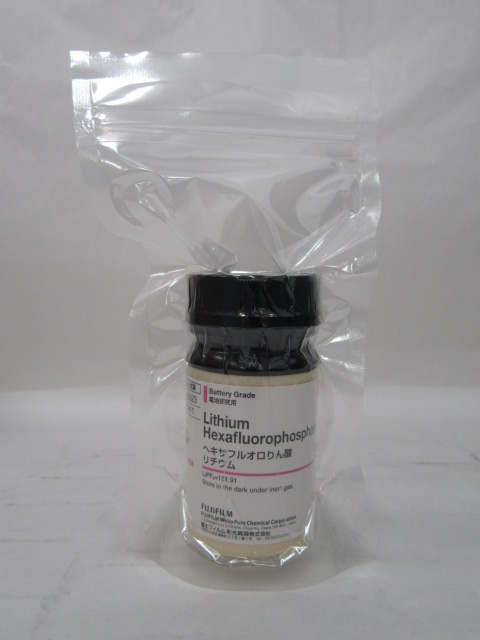
- Lithium hexafluorophosphate is a lithium salt with the chemical formula LiPF6. It is one of the most commonly used lithium salts in electrolytes for lithium-ion batteries.
Key properties
- Molar mass: approximately 151.91 g/mol
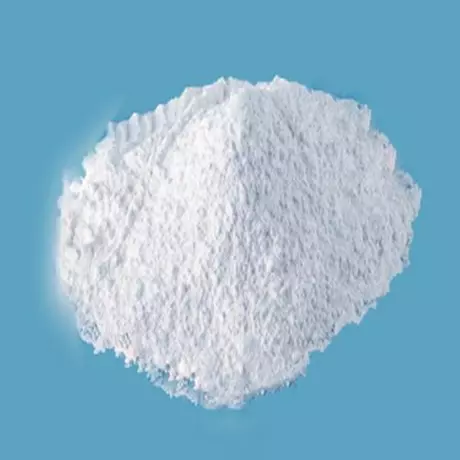
- Appearance: white crystalline solid
- Solubility: highly soluble in polar organic carbonate solvents used in battery electrolytes; insoluble in water
- Stability: stable when dry and stored under inert conditions; it is highly moisture sensitive and begins to hydrolyze in the presence of water
How it is used
- Acts as the conductive source of lithium ions in battery electrolytes
- Typically paired with organic carbonate solvents such as ethylene carbonate (EC), dimethyl carbonate (DMC), diethyl carbonate (DEC), or ethyl methyl carbonate (EMC)
- Common electrolyte formulation is around 1 M LiPF6 in a mixture of carbonates (for example EC:DMC or EC:DEC)
Common formulations in practice
- 1 M LiPF6 in EC/DMC or EC/DEC mixtures
- Variations include different solvent ratios to optimize viscosity, volatility, and temperature performance
- Some formulations use additives to improve SEI formation, gas suppression, or thermal stability
Safety and handling
- Hazards: LiPF6 is corrosive and can release toxic gases, especially HF, if it reacts with moisture
- Moisture sensitivity: extremely moisture sensitive; even small amounts of water can trigger hydrolysis
- Personal protection: use appropriate PPE (gloves, goggles, lab coat) and work in a dry, inert atmosphere or tightly sealed, dry environment
- Storage: store in moisture-free containers, ideally with desiccants, under inert gas or in a dry box; keep away from water, humidity, and reactive materials
Decomposition and reactivity
- In the presence of moisture or at elevated temperatures, LiPF6 can decompose to produce PF5, POF3, and HF
- Decomposition can degrade electrolyte performance and form corrosive byproducts
Alternatives to LiPF6
- Other lithium salts used in batteries include LiBF4, LiTFSI, and LiFSI
- Each alternative has different trade-offs in terms of conductivity, thermal stability, compatibility with solvents, and SEI formation
Quick reference table
| Topic | LiPF6 details |
|---|---|
| Formula | LiPF6 |
| Molar mass | ~151.9 g/mol |
| Appearance | White crystalline solid |
| Solubility | Soluble in organic carbonate solvents; insoluble in water |
| Stability | Stable when dry; hydrolyzes with moisture; decomposes at high temperature |
| Common use | Electrolyte salt in lithium-ion batteries (~1 M) |
| Safety | Moisture sensitive; releases HF upon hydrolysis; handle under dry/inert conditions |
Summary
Lithium hexafluorophosphate is the default electrolyte salt for many lithium-ion batteries due to its favorable balance of ionic conductivity and electrochemical stability in carbonate solvents. It is, however, highly moisture sensitive and requires careful handling and dry storage to prevent hydrolysis and formation of hazardous byproducts.
If you’d like, I can tailor this to a specific context, such as battery chemistry, safety data sheets, or formulation examples.
01:27 AM


Reviews
There are no reviews yet.