
Description
1. Product Overview
Industrial Polyethylene Glycol Residue is a secondary material derived from the production and processing of polyethylene glycol (PEG) and related polymer systems. Containing residual polyethylene glycol fractions along with associated processing compounds, it offers a cost-effective resource for industrial applications that require functional polymeric additives or organic processing media. The material is commonly utilized in chemical manufacturing, industrial formulations, polymer modification, and lubricant blending. Its key value proposition lies in delivering useful PEG-based functionality at a significantly reduced cost compared with refined grades. In an increasingly circular industrial economy, Industrial Polyethylene Glycol Residue plays a strategic role in enabling material recovery, reducing waste streams, and supporting sustainable manufacturing practices.
2. Key Specifications & Technical Characteristics
- Chemical Composition: Polyethylene Glycol (PEG) fractions, residual glycols, polymer intermediates, trace processing additives, water
- Typical PEG Content: 40–80% combined polyethylene glycol fractions (varies by batch and production source)
- Purity/Grade: Industrial Grade (process residue)
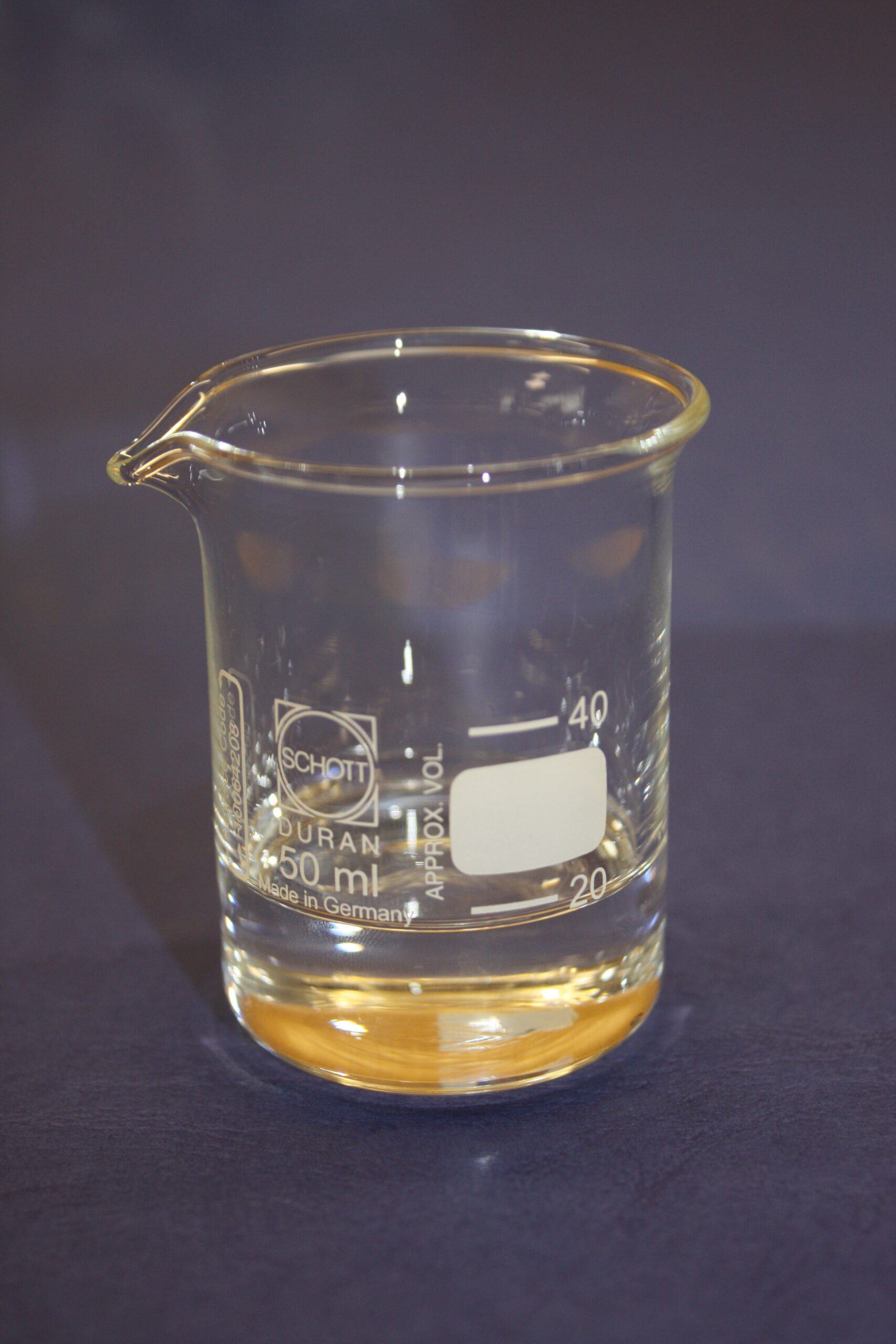
- Physical Form: Viscous liquid to semi-liquid
- Color: Pale yellow to amber
- Odor: Mild glycol-like odor
- Density: Approximately 1.05 – 1.15 g/cm³
- Solubility: Highly soluble in water and many organic solvents
- Viscosity: Variable depending on PEG molecular weight distribution
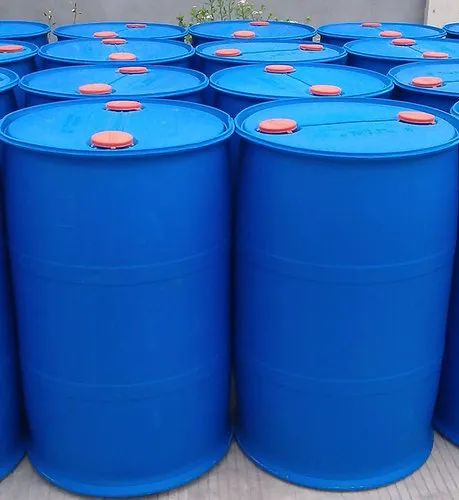
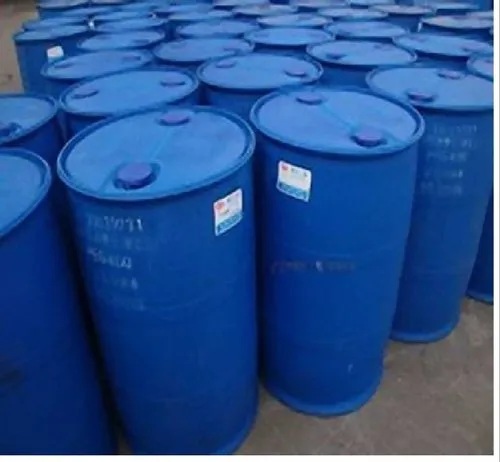
- Packaging Options: Bulk tanker loads, IBC totes (1000L), or industrial drums (200L)
- Shelf Life: Typically 12 months when stored in sealed containers under dry, controlled conditions
3. Core Industrial Applications
Chemical Processing & Industrial Formulations
Used as a functional additive in chemical formulations where PEG-based compounds act as dispersants, wetting agents, or processing aids. The residue provides similar functional performance at a fraction of the cost of refined PEG.
Polymer & Resin Manufacturing
Serves as a modifier or plasticizing component in polymer systems, helping improve flexibility, processing characteristics, and product performance in industrial-grade materials.
Lubricants & Industrial Fluids
Applied in the formulation of industrial lubricants, metalworking fluids, and process oils where glycol-based compounds provide lubricity and thermal stability.
Surfactant & Detergent Production
Utilized as a secondary feedstock in the manufacturing of industrial cleaning agents, emulsifiers, and surfactant blends.
Compared with virgin polyethylene glycol, this residue offers substantial cost efficiency while retaining many functional properties required in large-scale industrial applications. It is particularly attractive for manufacturers seeking economical feedstocks for bulk production processes.
4. Competitive Advantages
- Quality Consistency: Controlled sourcing from industrial PEG production streams ensures predictable composition and reliable performance
- Supply Reliability: Continuous availability from large-scale polymer manufacturing operations supports stable long-term supply
- Logistics Capability: Flexible bulk shipping formats including tanker loads, IBC containers, and drums for global industrial distribution
- Price Competitiveness: Significantly lower cost than refined PEG products, improving margins for high-volume industrial users
- Sustainability Benefits: Supports circular manufacturing by repurposing industrial process residues into valuable production inputs
- Technical Documentation: Material specifications and safety documentation available to assist procurement and regulatory compliance
5. Commercial & Supply Information
- Minimum Order Quantity (MOQ): BULK 20 MT
- Loading Capacity: 20–24 MT per 20’ container depending on packaging configuration
Reviews
There are no reviews yet.