


Description
1. Product Overview
Industrial Mannitol Residue is a by-product generated during the large-scale production and purification of mannitol through catalytic hydrogenation and crystallization processes. The material contains residual mannitol, sorbitol derivatives, carbohydrates, and trace organic compounds, making it a valuable secondary industrial feedstock. It is widely utilized in fermentation industries, chemical processing, and energy recovery applications where organic carbon sources are required. Its key value proposition lies in providing a cost-effective alternative to refined sugar alcohol inputs while maintaining strong functional performance in industrial processes. Strategically, Industrial Mannitol Residue supports circular manufacturing models by converting production residues into commercially viable raw materials.
2. Key Specifications & Technical Characteristics
- Chemical Composition: Residual Mannitol, Sorbitol, Sugar Alcohols, Organic Carbohydrates, Trace Minerals, Water
- Mannitol Content: Typically 10–35% (varies depending on production source)
- Purity/Grade: Industrial Grade (By-product stream from mannitol production)
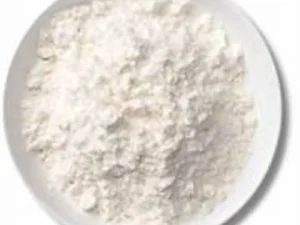
- Physical Form: Semi-solid paste, syrup, or crystalline residue depending on recovery stage
- Color: Off-white to light brown
- Odor: Mild carbohydrate or fermentation-like odor
- Moisture Content: Typically 15–40% depending on processing conditions
- Density: Approximately 1.10 – 1.35 g/cm³ (liquid/paste form)
- Solubility: Partially to fully soluble in water depending on composition
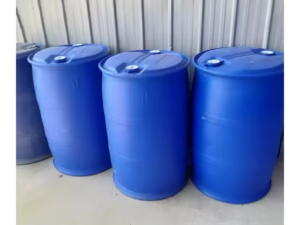
- Packaging Options: Bulk bags (500–1000 kg), IBC totes, or industrial drums
- Shelf Life: Typically 6–12 months when stored in sealed containers under dry, controlled conditions
3. Core Industrial Applications
Fermentation & Biochemical Processing
Industrial Mannitol Residue serves as an economical carbon source in microbial fermentation processes, supporting the production of organic acids, enzymes, and bio-based chemicals.
Animal Feed & Nutritional Additives
Residual sugar alcohols and carbohydrates can provide supplemental energy sources in specific livestock feed formulations or fermentation-derived feed additives.
Industrial Bioenergy & Biomass Utilization
Used as a feedstock for anaerobic digestion and biomass conversion processes where carbohydrate-rich residues improve energy yield and biogas generation.
Chemical Manufacturing & Process Inputs
Applied as a secondary raw material in chemical synthesis processes where polyol-containing feedstocks are required.
Compared with refined mannitol or pure carbohydrate feedstocks, the residue offers a significantly lower-cost input while still providing valuable fermentable carbon content and polyol functionality.
4. Competitive Advantages
- Quality Consistency: Sourced from controlled industrial mannitol manufacturing processes ensuring predictable composition ranges
- Supply Reliability: Continuous availability as a by-product stream from large-scale sugar alcohol production facilities
- Logistics Capability: Bulk packaging and containerized shipping options for efficient global distribution
- Price Competitiveness: Substantially lower cost compared with purified mannitol or refined polyol inputs
- Sustainability Benefits: Promotes resource efficiency and waste minimization through industrial by-product reuse
- Technical Documentation: Material specifications and safety documentation available for industrial procurement and regulatory compliance
5. Commercial & Supply Information
- Minimum Order Quantity (MOQ): BULK 20 MT
- Loading Capacity: 20–25 MT per 20’ container depending on packaging configuration

Reviews
There are no reviews yet.