
Description
1. Product Overview
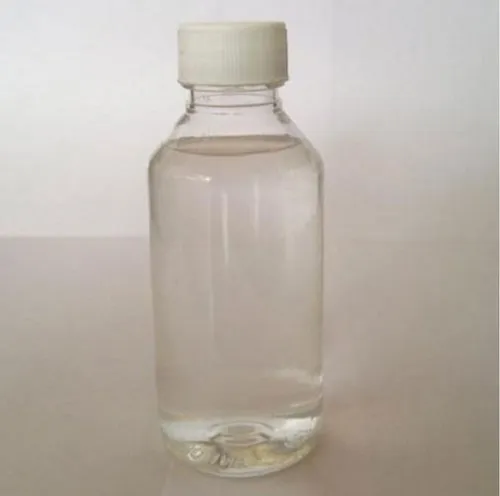
Industrial Glycerol Streams are glycerin-rich liquid by-products generated during large-scale biodiesel, oleochemical, and fatty acid production processes. These streams contain significant concentrations of glycerol along with residual organic compounds, making them valuable feedstock for various industrial applications. They are widely utilized in chemical processing, fermentation industries, energy production, and industrial formulation sectors that require cost-effective carbon sources or chemical intermediates. The key value proposition lies in providing a high-volume, economical alternative to refined glycerin for industrial processes where ultra-high purity is not required. Strategically, Industrial Glycerol Streams support circular resource utilization by converting process by-products into valuable raw materials for downstream industries.
2. Key Specifications & Technical Characteristics
- Chemical Composition: Glycerol (Glycerin), Water, Residual Fatty Acids, Methanol traces, Organic Salts, Minor Organic Compounds
- Typical Glycerol Content: 40–80% depending on source and process
- Purity/Grade: Industrial Grade (Crude or Semi-refined glycerol stream)
- Physical Form: Viscous liquid
- Color: Light brown to dark brown
- Odor: Mild organic or fatty odor
- Density: Approximately 1.15 – 1.26 g/cm³
- Solubility: Fully miscible with water
- pH Range: Typically 5.0 – 8.0
- Packaging Options: Bulk tanker, IBC totes (1000L), or 200L industrial drums
- Shelf Life: Typically 12 months when stored in sealed containers under recommended conditions
3. Core Industrial Applications
Biochemical & Fermentation Industry
Used as an economical carbon source in microbial fermentation processes for producing enzymes, organic acids, amino acids, and bio-based chemicals. The glycerol content supports efficient microbial metabolism and biomass growth.
Chemical Processing & Intermediates
Applied as feedstock in chemical conversion processes for producing glycerol derivatives, solvents, and polymer intermediates where crude glycerol streams can be refined or chemically transformed.
Bioenergy & Fuel Production
Utilized as a combustion fuel or processed into energy carriers in biomass boilers and bioenergy plants. Its high organic content provides a viable supplemental energy source.
Industrial Formulations & Processing
Used in industrial formulations where humectant or carbon-source functionality is required but pharmaceutical-grade glycerin is unnecessary.
Compared to refined glycerin, Industrial Glycerol Streams offer significant cost efficiency while maintaining the functional chemical properties required for industrial-scale operations. Their availability from large biodiesel and oleochemical facilities also ensures scalable supply for high-volume applications.
4. Competitive Advantages
- Quality Consistency: Sourced from controlled industrial production streams with stable glycerol content profiles
- Supply Reliability: Continuous availability driven by global biodiesel and oleochemical manufacturing output
- Logistics Capability: Bulk liquid transport systems and containerized shipments designed for international industrial buyers
- Price Competitiveness: Substantially lower cost compared with refined glycerin while maintaining functional performance
- Sustainability Benefits: Supports circular economy practices by repurposing biodiesel production by-products
- Technical Documentation: Product specifications, safety data sheets, and analytical reports available for industrial procurement requirements
5. Commercial & Supply Information
- Minimum Order Quantity (MOQ): BULK 20 MT
- Loading Capacity: 20–24 MT per 20’ container depending on packaging configuration

Reviews
There are no reviews yet.