





Description
1. Product Overview
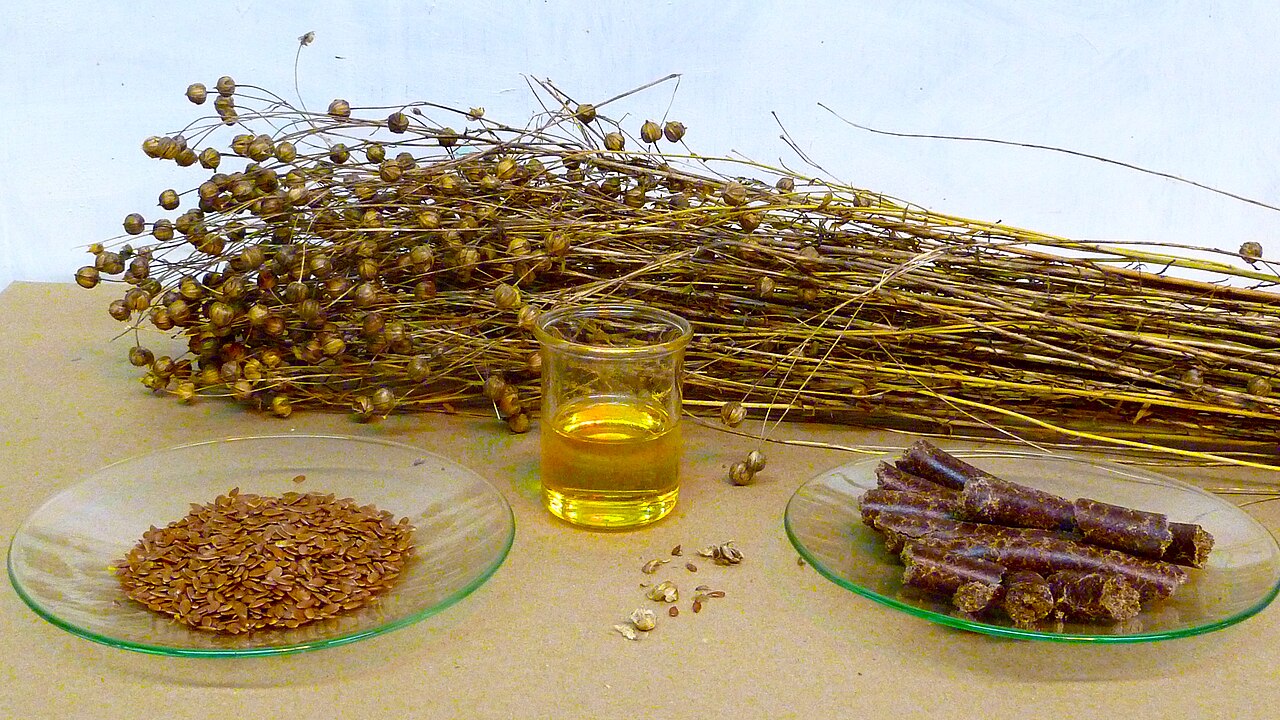
Industrial Flaxseed Oil Residue is a valuable by-product generated during the extraction and processing of flaxseed oil. Rich in fibrous organic matter and residual bioactive compounds, it serves as a cost-effective raw material for various industrial and agricultural applications. This material is widely utilized in sectors such as animal nutrition, organic fertilizers, biomass energy, and industrial feedstock processing. Its strategic importance lies in transforming oil-processing waste into a commercially viable resource, supporting circular economy models while providing manufacturers with a reliable and economical input material.
2. Key Specifications & Technical Characteristics
- Material Composition:
- Residual flaxseed fiber
- Organic plant proteins
- Trace oil content
- Natural lignocellulosic compounds
- Purity / Grade:
- Industrial-grade plant residue
- Free from hazardous contaminants under standard processing conditions
- Physical Characteristics:
- Form: Powder, meal, or granular residue
- Color: Brown to dark brown
- Odor: Mild natural seed aroma
- Particle Size: Typically 0.5–5 mm depending on processing
- Bulk Density: Approx. 450–650 kg/m³
- Packaging Options:
- 25 kg industrial bags
- 500–1000 kg jumbo bags (FIBC)
- Bulk loose loading for large-scale buyers
- Shelf Life:
- 12–18 months when stored in a cool, dry environment away from moisture and direct sunlight
3. Core Industrial Applications
Animal Feed & Nutrition Industry
Industrial Flaxseed Oil Residue is frequently incorporated into feed formulations as a fiber-rich additive. The remaining protein and organic content support nutritional balance in livestock diets while offering a cost-efficient alternative to conventional feed components.
Organic Fertilizer & Soil Conditioning
Due to its natural organic composition, the residue is widely used in composting operations and fertilizer blends. It enhances soil structure, improves microbial activity, and contributes valuable organic matter to agricultural systems.
Biomass Energy Production
The lignocellulosic content makes this residue suitable as a renewable biomass feedstock for energy generation, pellet production, and biofuel applications.
Industrial Processing & Raw Material Blending
Manufacturers use flaxseed residue as a filler or organic input material in certain bio-based industrial products, improving sustainability while maintaining operational efficiency.
Compared with many agricultural by-products, flaxseed oil residue provides strong value through its balanced organic composition, versatility, and availability from established oil-processing supply chains.
4. Competitive Advantages
- Consistent Industrial Quality
Produced from controlled flaxseed oil processing operations, ensuring uniform composition and reliable performance. - Stable Global Supply Chain
Derived from established oilseed processing industries with scalable production capacity. - Efficient Bulk Logistics
Available in large-volume packaging formats suitable for international bulk shipping and industrial consumption. - Cost-Effective Raw Material
Provides an economical alternative to higher-cost organic fillers and feed components. - Sustainability & Circular Economy Value
Utilizes oil-processing by-products, reducing waste while supporting environmentally responsible manufacturing and agriculture. - Technical Documentation Available
Material specifications and handling guidance available for procurement and compliance teams.
5. Commercial & Supply Information
- Minimum Order Quantity (MOQ): BULK 20 MT
- Loading Capacity: 20–22 MT per 20 ft container depending on packaging configuration.


Reviews
There are no reviews yet.