
Description
Hydrogenated Starch Hydrolysates (HSH): A Sweet Solution with Versatile Applications
Hydrogenated Starch Hydrolysates, often abbreviated as HSH, might sound like a complex chemical compound destined only for a laboratory. However, these versatile ingredients are found in a surprising number of everyday products, from sugar-free candies to moisturizing lotions. But what exactly are they, and why are they so widely used?
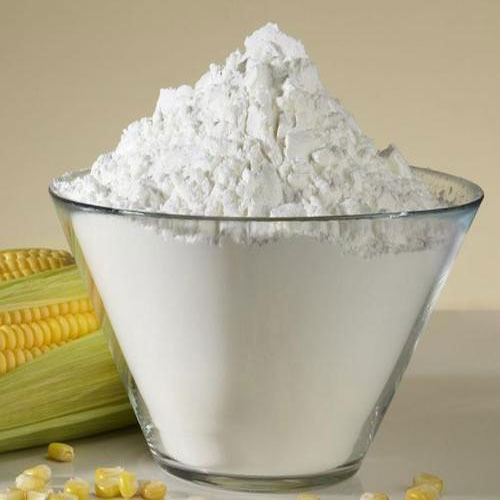
Essentially, HSHs are a group of polyols (sugar alcohols) derived from starch. Starch, typically sourced from corn, wheat, or potatoes, is broken down through hydrolysis, a process that involves using water to cleave the complex carbohydrate molecules into smaller units. This liquid mixture is then hydrogenated, converting the sugars (glucose, maltose, etc.) into their corresponding sugar alcohols (sorbitol, maltitol, etc.).
The Many Faces of HSH: Properties and Benefits
The unique properties of HSHs make them valuable ingredients in various industries:
- Sweetness and Texture: HSHs offer a clean, sweet taste that’s less intense than sucrose (table sugar), making them ideal replacements or complements to traditional sweeteners. They also contribute to the texture of products, adding bulk and preventing crystallization.
- Humectancy: HSHs are excellent humectants, meaning they attract and retain moisture. This property makes them invaluable in personal care products like lotions, creams, and hair conditioners, helping to keep skin and hair hydrated.
- Non-Cariogenic: Unlike sugars, HSHs are not readily fermented by oral bacteria, making them non-cariogenic, meaning they don’t promote tooth decay. This is a major advantage in sugar-free candies, chewing gum, and oral hygiene products.
- Low Glycemic Index (GI): Depending on the specific composition of HSHs, they can have a lower GI than sucrose. This means they cause a smaller and slower rise in blood glucose levels, making them a potentially suitable option for individuals managing their blood sugar.
- Versatility: HSHs are highly versatile and can be formulated to achieve a wide range of sweetness levels, viscosities, and hygroscopic properties, allowing manufacturers to tailor them to specific product needs.
Applications Across Industries
Due to their diverse properties, HSHs find applications in various industries:
- Food and Beverage: They are widely used in sugar-free confections, chewing gum, baked goods, beverages, and processed foods, providing sweetness, texture, and humectancy.
- Personal Care: HSHs act as humectants in lotions, creams, conditioners, and shampoos, contributing to moisturization and improved product feel.
- Pharmaceuticals: They are used as binders, fillers, and sweeteners in tablets, syrups, and other pharmaceutical formulations.
Safety Considerations
HSHs are generally recognized as safe (GRAS) by regulatory bodies like the FDA. However, consuming large amounts of HSHs, like with any sugar alcohol, can lead to gastrointestinal discomfort in some individuals, such as bloating, gas, or diarrhea. It’s always recommended to consume products containing HSHs in moderation.
Conclusion
Hydrogenated Starch Hydrolysates are a significant innovation in food science and beyond. Their combination of sweetness, humectancy, non-cariogenicity, and versatility makes them a valuable ingredient in a wide range of products. While consumption should be moderate, HSHs offer a compelling alternative to traditional sugars, particularly for those seeking healthier or sugar-free options. As research continues, we can expect to see even more innovative applications of these versatile ingredients in the future.


Reviews
There are no reviews yet.