
Description
Hydrogen Peroxide: More Than Just a Medicine Cabinet Staple
Hydrogen peroxide (H₂O₂) is a ubiquitous chemical compound found in most households, primarily recognized for its antiseptic properties. However, this clear, colorless liquid is far more versatile than just a first-aid solution. From household cleaning to industrial applications, hydrogen peroxide plays a significant role in our lives, though it’s crucial to understand its properties and proper usage.
The Science Behind the Fizz:
Hydrogen peroxide is essentially water (H₂O) with an extra oxygen atom. This extra oxygen atom is what makes it so reactive and useful. It readily decomposes into water and oxygen, a reaction often catalyzed by light, heat, or the presence of metal ions. This decomposition is what causes the characteristic fizzing seen when hydrogen peroxide is applied to a wound. This fizzing helps to physically flush out debris and dead tissue.
Beyond the Band-Aid: A Multitude of Uses
While its role in first aid is well-known, hydrogen peroxide boasts a surprising range of applications:
- Household Cleaning: A diluted solution of hydrogen peroxide can be used as a disinfectant for surfaces like countertops, cutting boards, and sinks. Its non-toxic nature makes it a safer alternative to harsh chemical cleaners. It can also be used to whiten laundry, remove stains, and even clean mold and mildew.
- Oral Hygiene: Some people use hydrogen peroxide to gargle with as a mouthwash, as it can help kill bacteria and freshen breath. However, it’s important to use a diluted solution and avoid swallowing it.
- Gardening: Diluted hydrogen peroxide can be used to aerate soil, promote root growth, and even combat fungal diseases in plants.
- Beauty Applications: In diluted form, hydrogen peroxide can be used for lightening hair. It is also found in some teeth whitening products.
- Industrial Applications: On a larger scale, hydrogen peroxide is used in various industries, including pulp and paper bleaching, textile bleaching, wastewater treatment, and as a component in rocket propellants.
Understanding Different Concentrations:
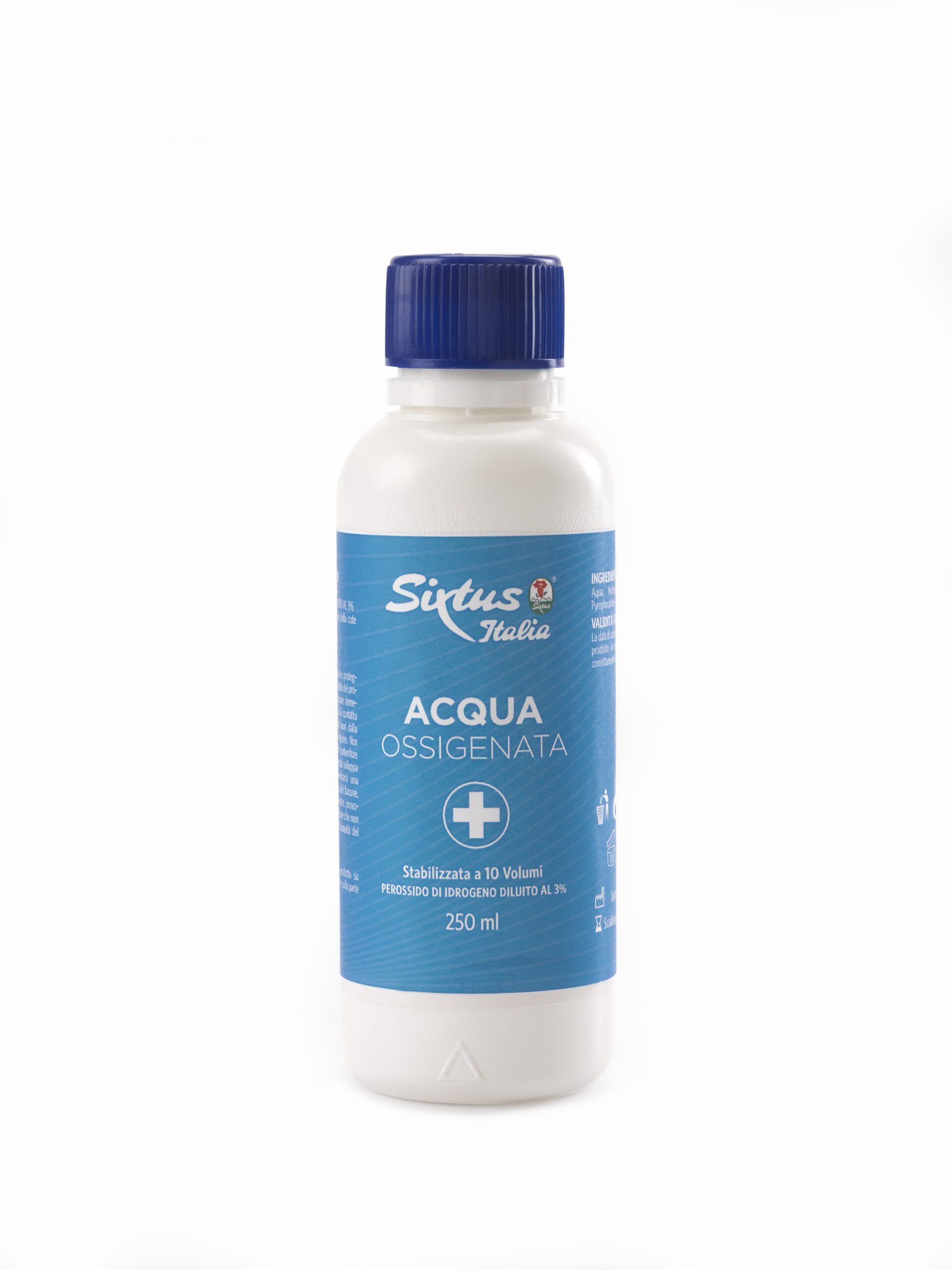
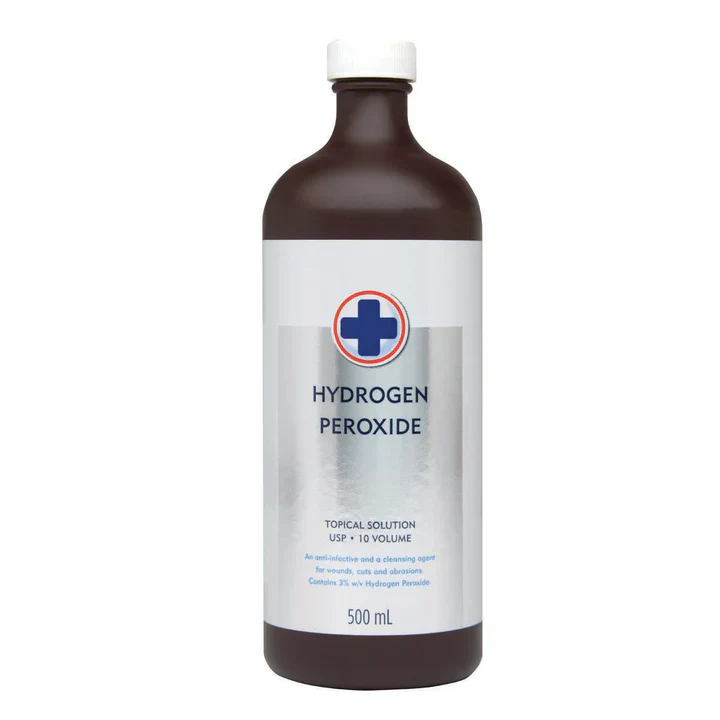
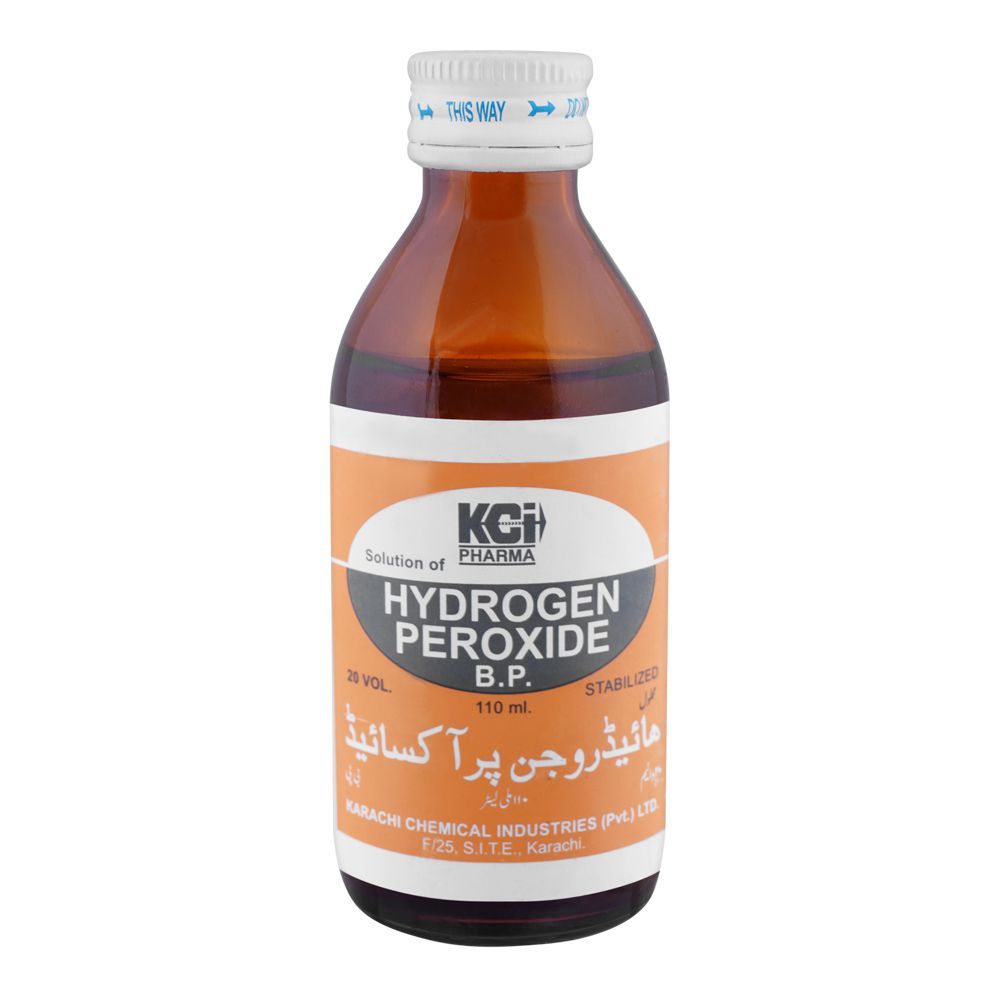
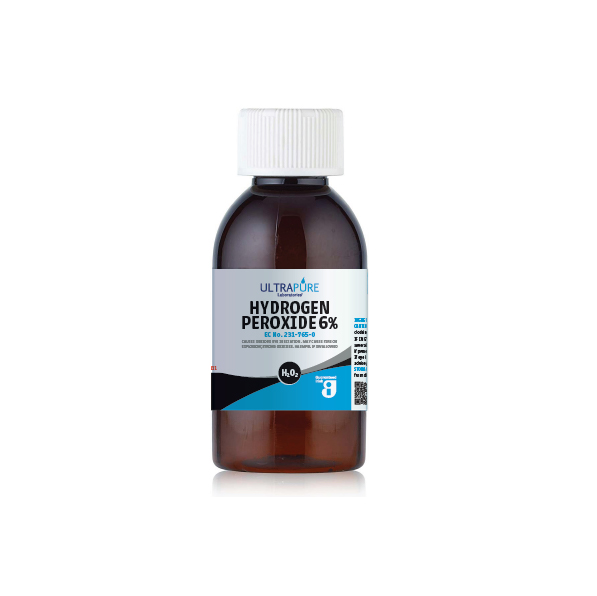
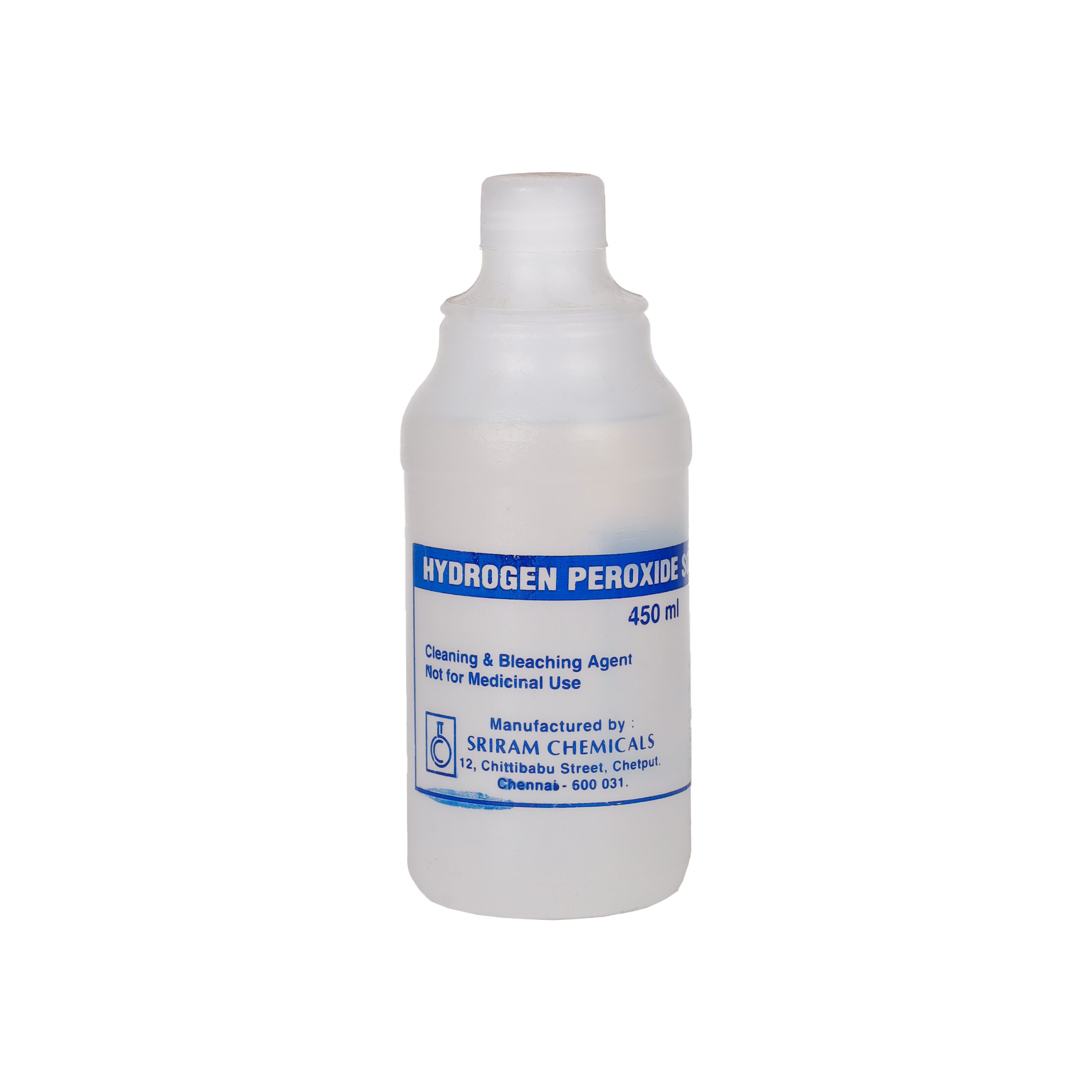
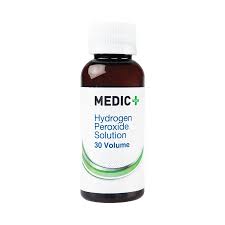
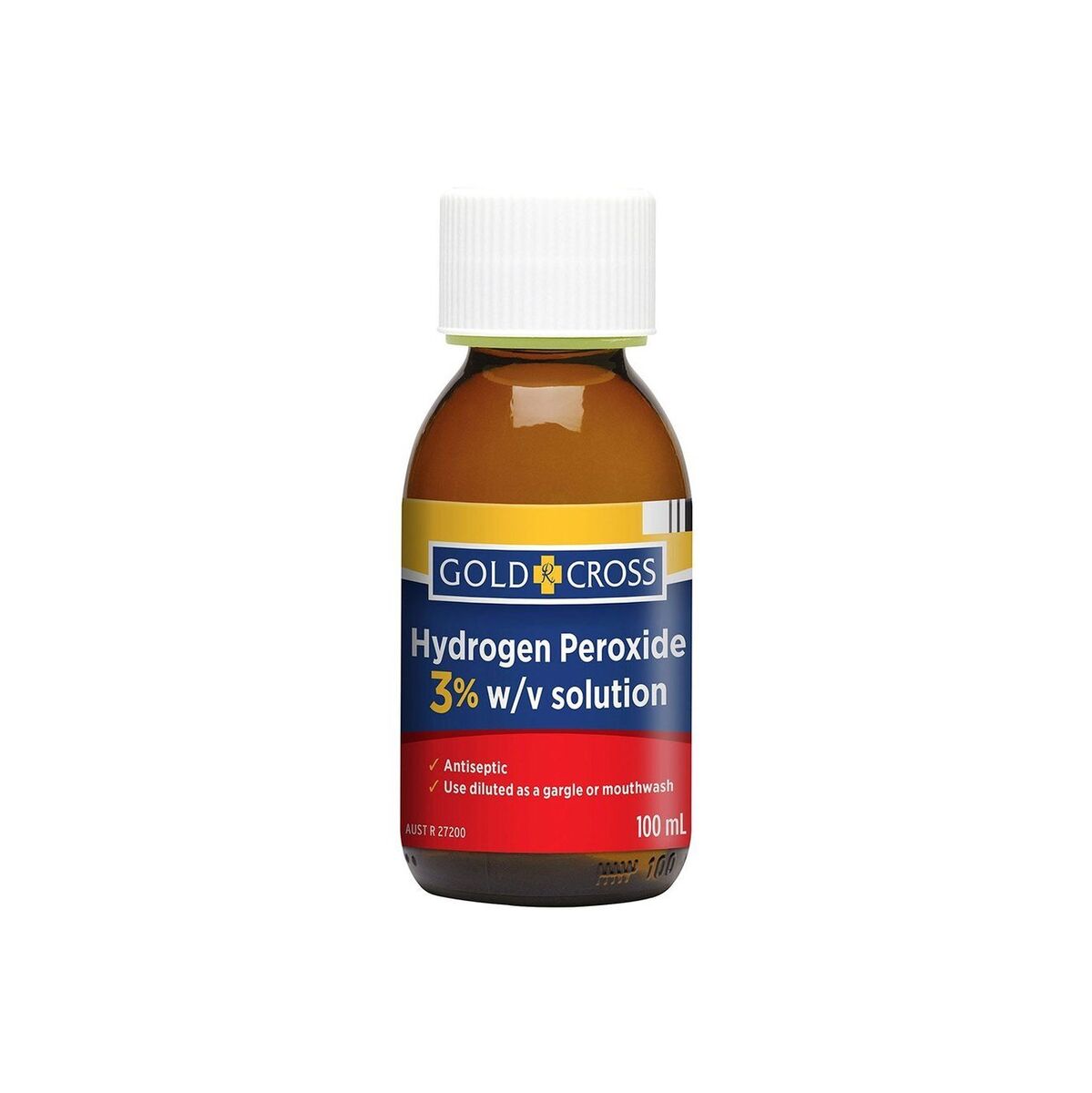
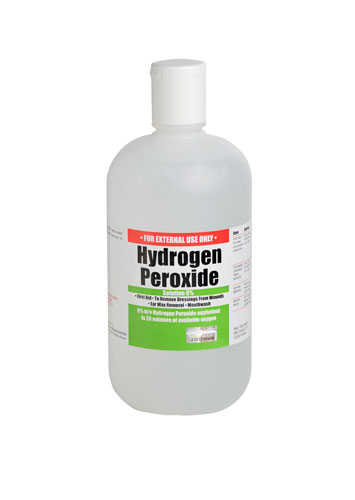
Hydrogen peroxide is available in various concentrations, each suited for different purposes. The most common household concentration is 3%, while higher concentrations are used in industrial and other specialized applications. It is crucial to exercise caution when handling higher concentrations as they can cause burns and other injuries. Always read and follow the manufacturer’s instructions carefully.
Safety Precautions are Essential:
Despite its many uses, hydrogen peroxide should be handled with care. Here are some important safety precautions:
- Avoid Ingestion: Hydrogen peroxide is toxic if ingested, and can cause internal burns and other serious health problems.
- Eye Protection: Always wear eye protection when handling hydrogen peroxide, especially in higher concentrations.
- Skin Contact: Avoid prolonged contact with skin as it can cause irritation. Rinse immediately with water if contact occurs.
- Storage: Store hydrogen peroxide in a dark, cool place, away from direct sunlight and heat, as these can accelerate its decomposition. Keep it out of reach of children and pets.
- Mixing: Never mix hydrogen peroxide with other cleaning products, especially ammonia or vinegar, as this can create toxic fumes.
Conclusion:
Hydrogen peroxide is a versatile and readily available chemical compound with a wide range of applications. While it’s best known for its antiseptic properties, it’s also used for household cleaning, oral hygiene, gardening, and even industrial processes. By understanding its properties and following proper safety precautions, you can effectively and safely utilize hydrogen peroxide for its many benefits. Remember to always use the appropriate concentration for the intended purpose and prioritize safety above all else.

Reviews
There are no reviews yet.