
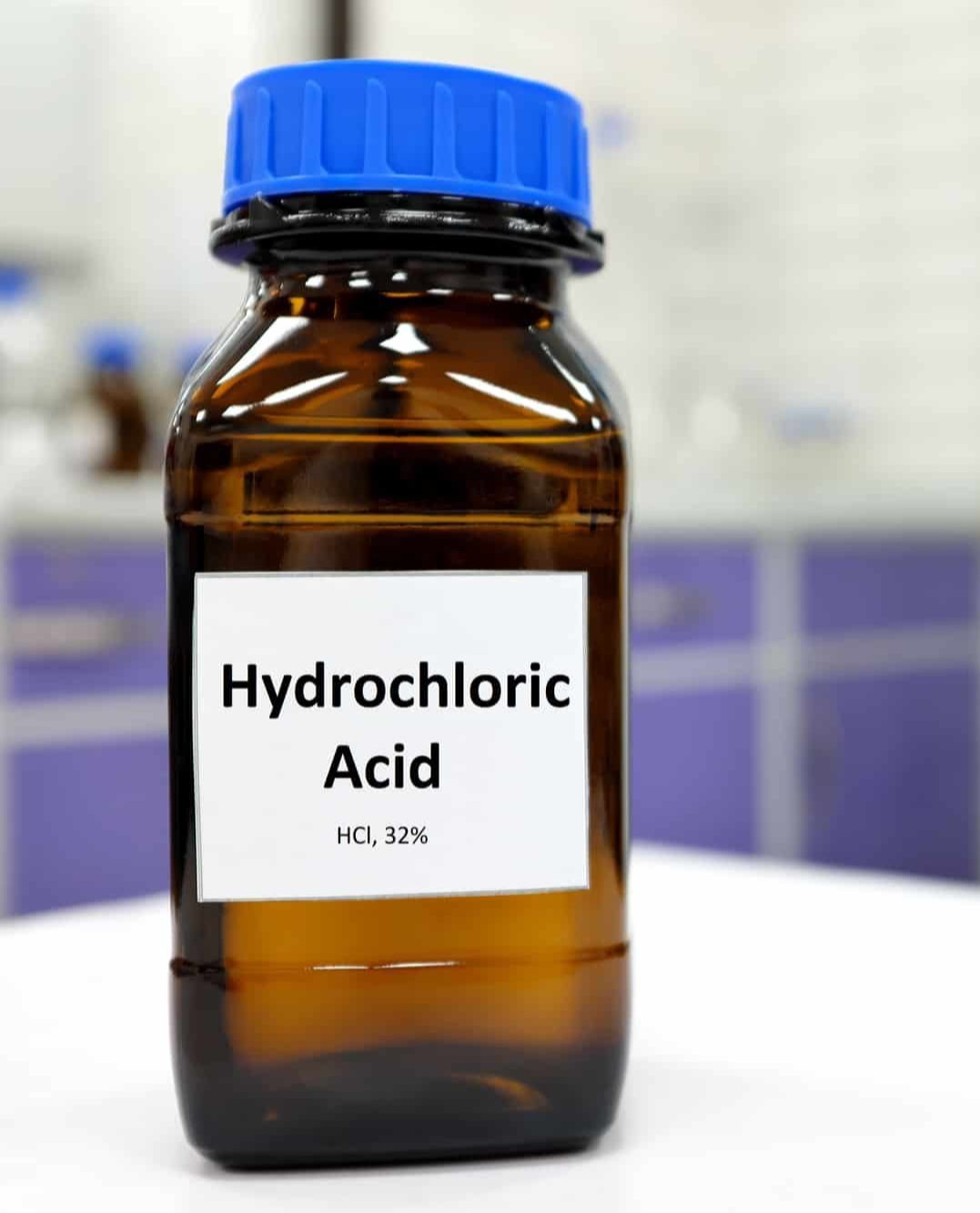
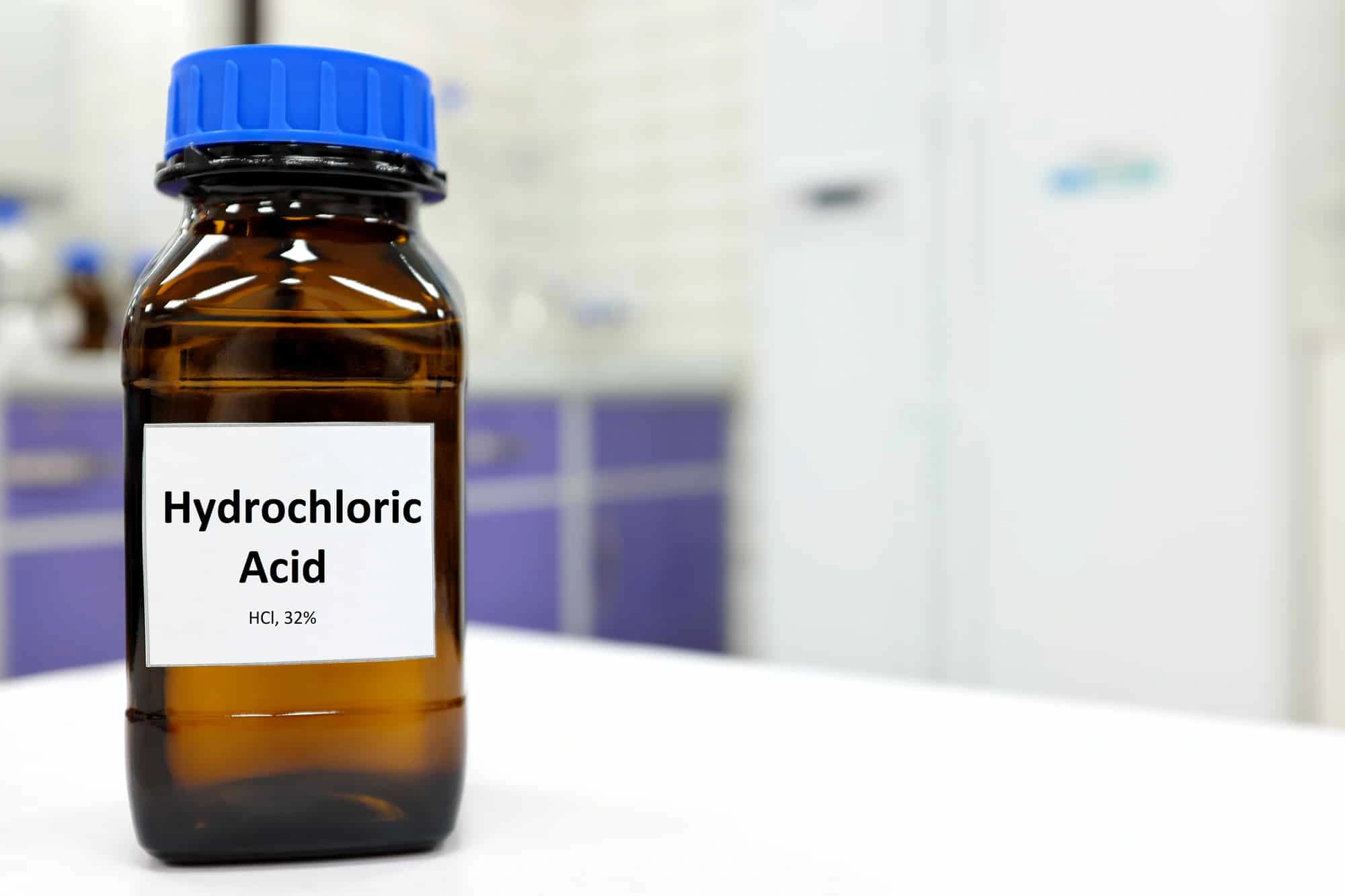
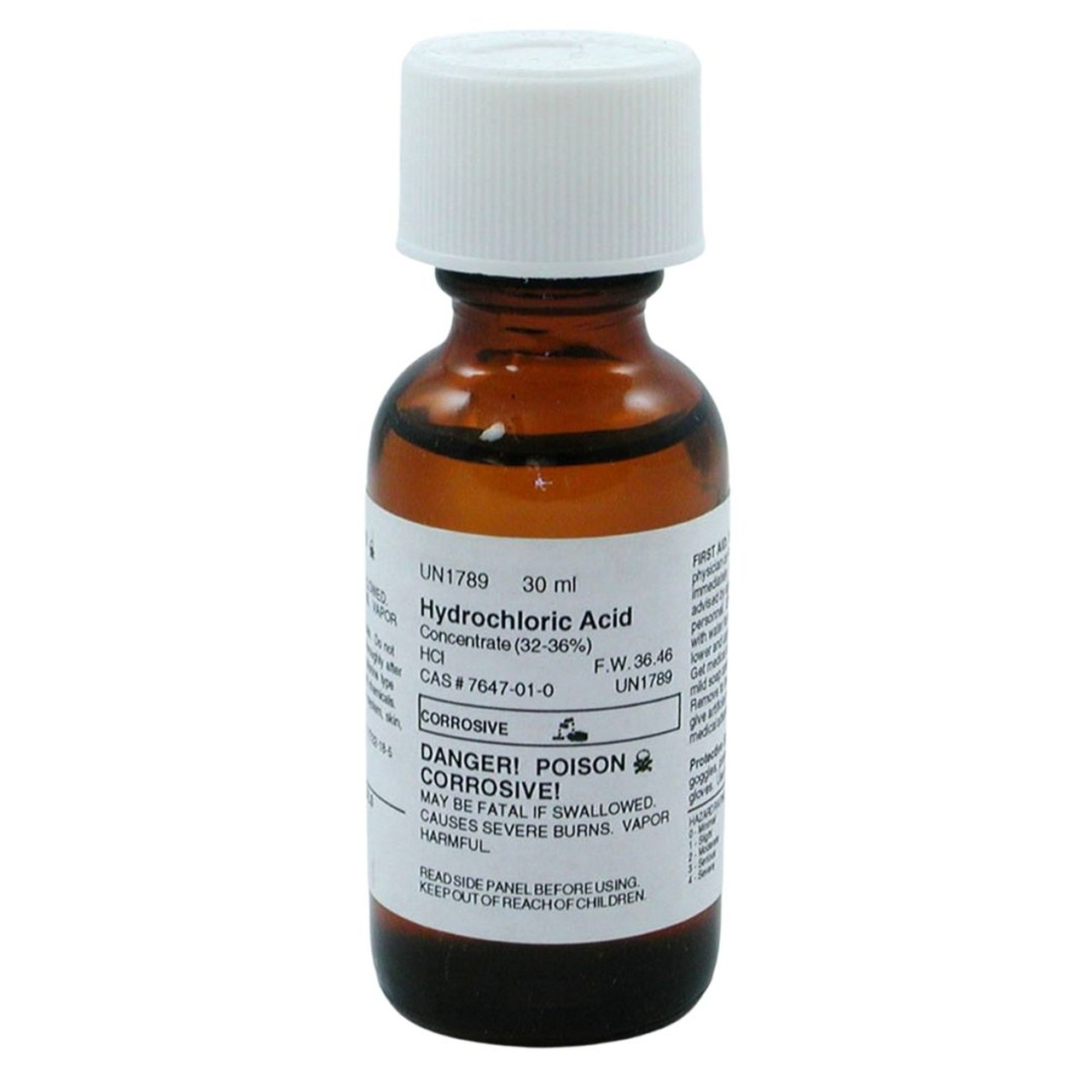
Description
Hydrochloric Acid: An Essential Compound in Chemistry and Industry
Hydrochloric acid (HCl) is a colorless, pungent solution of hydrogen chloride in water. As one of the strongest acids known, it plays a vital role in various chemical processes, both in nature and industry. Understanding hydrochloric acid’s properties, applications, and safety considerations is essential for anyone working in chemistry-related fields or industries.
Chemical Properties
Hydrochloric acid is a simple diatomic molecule consisting of one hydrogen atom and one chlorine atom. Its molecular formula is HCl, and in its aqueous form, it dissociates completely into hydrogen ions (H⁺) and chloride ions (Cl⁻). This complete ionization results in its strong acidic properties, making hydrochloric acid a powerful proton donor.
The pH of a concentrated hydrochloric acid solution can be as low as 0, indicating its highly corrosive nature. It has a density of approximately 1.18 g/cm³, and its boiling point is around 110 °C. Because of these properties, hydrochloric acid can react vigorously with bases, metals, and organic compounds, producing heat and gas.
Production
Hydrochloric acid is produced commercially through several methods. One primary method is the absorption of hydrogen chloride gas, which can be generated by the reaction of concentrated sulfuric acid with sodium chloride (table salt). The HCl gas is then dissolved in water to form hydrochloric acid.
Additionally, hydrochloric acid is a byproduct in various industrial processes, such as the production of chlorinated organic compounds and the manufacturing of fertilizers. This versatility contributes to its widespread availability and use.
Industrial Applications
Hydrochloric acid is utilized in a variety of industries due to its reactivity and effectiveness as a chemical reagent. Some key applications include:
- Metal Processing: It is used for pickling steel, a process that removes rust and scale from metals before further processing or coating.
- pH Regulation: Hydrochloric acid is employed to adjust the pH levels in various chemical solutions and processes, ensuring optimal conditions for reactions.
- Production of Chemicals: It serves as a crucial reactant in the synthesis of various chemicals, including chlorine, vinyl chloride (for PVC production), and isocyanates.
- Food Industry: It is used in food processing, specifically in the manufacturing of food additives and for pH control in food products.
- Water Treatment: Hydrochloric acid is applied in water treatment facilities to regulate acidity and remove harmful contaminants.
- Oil and Gas Industry: In oil well stimulation, hydrochloric acid is injected to dissolve limestone and other minerals, enhancing the flow of oil and gas.
Laboratory Uses
In laboratory settings, hydrochloric acid is commonly used as a reagent in various chemical analyses and experiments. Its strong acidity makes it ideal for titrations, the calibration of pH meters, and other titrimetric methods. Additionally, it is utilized to prepare chloride salts and is often a component in laboratory-grade acid solutions.
Safety Considerations
Despite its widespread use and essential applications, hydrochloric acid can be hazardous. Its corrosive nature means that it can cause severe burns upon skin contact and damage to the respiratory tract if inhaled. Therefore, appropriate safety measures should always be employed, including:
- Personal Protective Equipment (PPE): Gloves, goggles, and lab coats should be worn to minimize exposure.
- Proper Ventilation: Work with hydrochloric acid should be conducted in well-ventilated areas or fume hoods to prevent inhalation.
- Storage: Hydrochloric acid should be stored in labeled, corrosion-resistant containers, away from incompatible substances such as bases and oxidizing agents.
In case of accidental exposure, it is crucial to flush the affected area with copious amounts of water and seek medical attention immediately.
Conclusion
Hydrochloric acid is a fundamental compound in chemistry and industry, with applications ranging from metal processing to food production. Its strong acidic properties and reactivity make it invaluable across various sectors. However, understanding and implementing proper safety protocols is essential to mitigate the risks associated with its use. As industries continue to evolve, hydrochloric acid will likely maintain importance due to its versatility and effectiveness in numerous applications.


Reviews
There are no reviews yet.