
Description
Germanium tetrachloride (GeCl4)
Overview
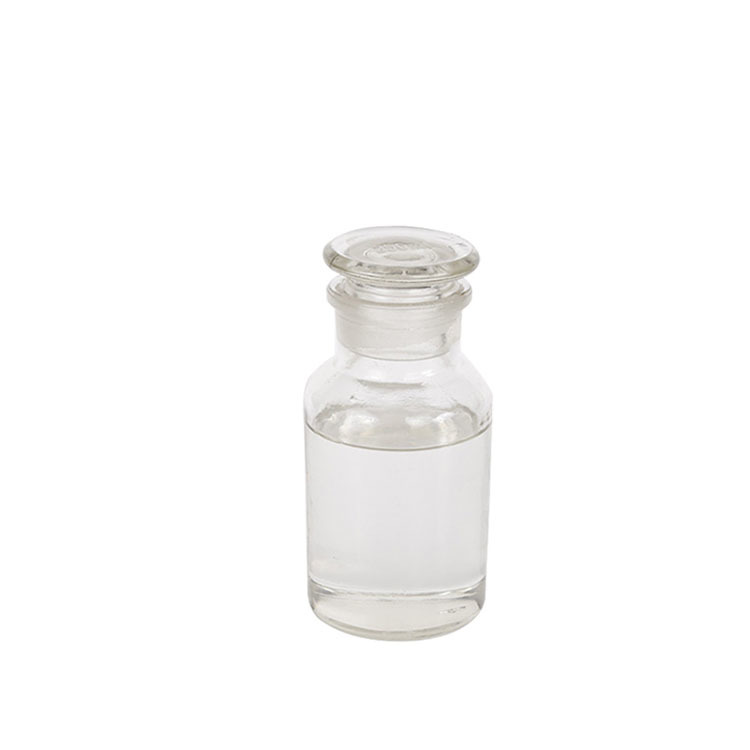
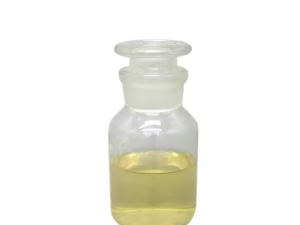
- GeCl4 is a volatile, colorless liquid at room temperature that fumes in air due to hydrolysis. It is a classic tetrahedral complex with four chlorine ligands around the germanium center.
Structure and properties
- Molecular geometry: tetrahedral around Ge(IV).
- Molecular weight: approximately 214.44 g/mol (Ge 72.63 + 4 × Cl 35.45).
- Physical state: liquid at room temperature; bp around 86 °C.
- Reactivity: strong Lewis acid; reacts readily with moisture to release HCl and form germanium oxides/hydroxides.
Preparation and synthesis (high-level)
GeCl4 can be prepared or obtained via a couple of routes:
- Direct chlorination of germanium metal:
- Ge + 2 Cl2 → GeCl4
- Oxide-based route (used in some processes):
- GeO2 + 4 HCl → GeCl4 + 2 H2O Note: Commercial GeCl4 is widely available and used as a precursor for other germanium compounds.
Common reactions and behavior
- Hydrolysis: GeCl4 + 2 H2O → GeO2 + 4 HCl (in aqueous environments, GeCl4 rapidly hydrolyzes).
- With alcohols: GeCl4 can react with alcohols to give germanium alkoxides (Ge(OR)4) with the release of HCl; typically requires a base to neutralize the acid.
- Adduct formation: GeCl4 acts as a Lewis acid and forms adducts with donors such as ethers or phosphines.
- Use as a precursor: Serves as a versatile starting material to prepare organogermanium compounds, inorganic germanium oxides, and dielectric materials.
Uses and applications
- Precursor for organogermanium compounds and germanium oxides.
- Used in the production of germanium-containing glasses and optical materials (for example in specialty fibers and coatings).
- Employed as a reagent in synthetic chemistry to introduce Ge units into compounds and materials.
Safety, handling, and storage
- GeCl4 is moisture sensitive and reacts vigorously with water, releasing corrosive HCl fumes.
- Handle under strictly dry conditions, in a well-ventilated area or fume hood, with appropriate personal protective equipment (gloves, goggles, lab coat).
- Store in a tightly sealed container, away from moisture and bases, at a cool, dry place.
- In case of exposure or contact with moisture, treat as a corrosive hazard and seek appropriate safety guidance.

Reviews
There are no reviews yet.