


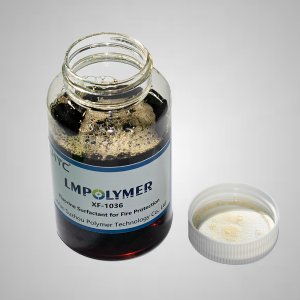
Description
The Double-Edged Sword: Understanding Fluorinated Surfactants
Fluorinated surfactants, also known as fluorosurfactants or PFAS (per- and polyfluoroalkyl substances), are a class of synthetic chemical compounds celebrated for their exceptional properties and simultaneously feared for their potential environmental and health risks. Used extensively in a wide range of applications, from firefighting foams to non-stick cookware, understanding their unique characteristics and associated concerns is crucial.
What Makes Fluorinated Surfactants So Special?
The key to the unique properties of fluorinated surfactants lies in the strong carbon-fluorine bond. This bond is remarkably stable and resistant to chemical and thermal degradation. Replacing hydrogen atoms with fluorine atoms in a surfactant molecule results in compounds that are:
- Highly surface active: They dramatically reduce surface tension and interfacial tension, meaning they can easily spread and stabilize interfaces between different substances like water and oil.
- Water and oil repellent: This dual repellency makes them ideal for applications requiring stain and water resistance.
- Chemically inert: Their stability makes them resistant to degradation in harsh environments.
- Thermally stable: They can withstand high temperatures without breaking down.
These exceptional properties have led to their widespread use in a variety of industries:
- Firefighting: Aqueous film-forming foams (AFFFs) containing fluorosurfactants are highly effective in extinguishing flammable liquid fires.
- Textiles: They provide water and stain-resistant coatings for clothing, upholstery, and carpets.
- Food packaging: They can be used in grease-resistant paper and cardboard.
- Non-stick cookware: PTFE (Teflon) is a well-known example used to create non-stick surfaces.
- Industrial applications: They are used in lubricants, paints, coatings, and many other industrial processes.
The Dark Side: Environmental and Health Concerns
While their properties are undeniably valuable, the very factors that make fluorinated surfactants so useful are also the source of concern. The strong carbon-fluorine bond makes them incredibly persistent in the environment. They don’t readily break down and can remain in the environment for decades, earning them the nickname “forever chemicals.”
Here’s why this persistence is problematic:
- Environmental contamination: PFAS have been found in soil, water, and air globally. They can contaminate drinking water sources, impacting entire communities.
- Bioaccumulation: These chemicals can accumulate in the bodies of living organisms, including humans, as they move up the food chain.
- Potential health effects: Studies have linked exposure to certain PFAS to a range of health effects, including:
- Increased cholesterol levels
- Immune system dysfunction
- Liver and kidney damage
- Thyroid abnormalities
- Developmental effects in infants and children
- Increased risk of certain cancers
Addressing the Challenge: Regulations and Alternatives
Recognizing the risks, governments and regulatory agencies worldwide are taking action to address the challenges posed by fluorinated surfactants:
- Regulation: Many countries have implemented or are considering regulations to limit the use and discharge of certain PFAS. The European Union is actively working on extensive restrictions.
- Monitoring: Enhanced monitoring programs are being established to track PFAS levels in the environment and drinking water.
- Remediation: Efforts are underway to develop and implement technologies for removing PFAS from contaminated sites.
- Research and development: There is a growing focus on developing safer alternatives to fluorinated surfactants. This includes exploring non-fluorinated surfactants, bio-based materials, and novel technologies that can provide similar performance without the same environmental and health risks.
The Future of Surfactants:
The future of surfactant technology lies in finding a balance between performance and sustainability. While fluorinated surfactants have undeniably provided valuable benefits, their environmental and health concerns are undeniable. The focus is shifting towards developing and adopting safer alternatives that can provide comparable performance without the long-term risks. Ongoing research, stringent regulations, and responsible innovation are crucial to ensuring a future where the benefits of surfactants are realized without compromising the health of our planet and its inhabitants. The story of fluorinated surfactants serves as a valuable lesson about the importance of thoroughly evaluating the long-term consequences of new technologies and prioritizing sustainability in chemical development.



Reviews
There are no reviews yet.