


Description
Fire sprinkler systems are a crucial component of fire safety in residential, commercial, and industrial buildings. While often hidden from view, the network of pipes that delivers water to sprinkler heads plays a vital role in quickly suppressing fires and protecting lives and property. Understanding the basics of fire sprinkler pipes can empower homeowners and building managers to ensure their systems are functioning correctly and ready to respond in an emergency.
Types of Fire Sprinkler Pipes:
The type of pipe used in a fire sprinkler system is critical to its reliability and performance. Several materials are commonly employed, each with its own advantages and disadvantages:
- Steel Pipes (Black Steel/Carbon Steel): Traditionally, black steel pipes have been the standard. They are strong and durable, capable of withstanding high pressures and temperatures. However, they are susceptible to corrosion, especially in damp environments, requiring regular inspection and maintenance.
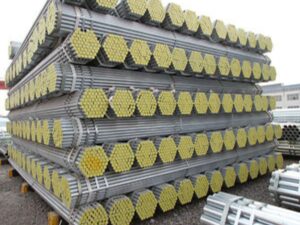
- Galvanized Steel Pipes: Galvanizing steel pipes with a zinc coating provides increased protection against corrosion compared to black steel. This makes them suitable for areas with moderate humidity. However, the zinc coating can still degrade over time, especially in highly corrosive environments.
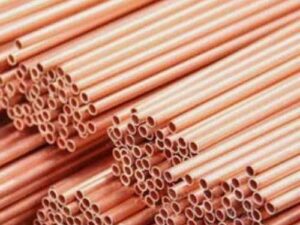
- Copper Pipes: Copper pipes are known for their excellent corrosion resistance and durability. They are a popular choice, especially in residential settings, due to their long lifespan and relatively low maintenance requirements. However, copper is generally more expensive than steel options.
- CPVC (Chlorinated Polyvinyl Chloride) Pipes: CPVC is a thermoplastic material that is increasingly used in fire sprinkler systems, particularly in residential and light commercial applications. It is lightweight, easy to install, and highly resistant to corrosion. CPVC is also less expensive than copper or steel. However, it may not be suitable for all applications due to temperature limitations.
- PEX (Cross-linked Polyethylene) Pipes: PEX is another type of plastic pipe gaining popularity, especially in residential systems. Like CPVC, it is flexible, easy to install, and corrosion-resistant. PEX is particularly well-suited for retrofitting existing buildings due to its flexibility, which allows it to navigate tight spaces.
Key Considerations for Fire Sprinkler Pipes:
- Pipe Size and Layout: The diameter of the pipes and the overall layout of the system are crucial for delivering adequate water pressure to the sprinkler heads. These factors are determined by fire protection engineers based on the building’s size, occupancy, and potential fire hazards.
- Installation and Maintenance: Proper installation is essential for the reliable operation of a fire sprinkler system. It should be performed by qualified professionals who are familiar with local building codes and fire safety regulations. Regular maintenance, including inspections and testing, is also necessary to ensure the system is functioning correctly.
- Corrosion Prevention: Corrosion is a major threat to the integrity of fire sprinkler pipes. Implementing corrosion prevention measures, such as nitrogen inerting or using corrosion inhibitors, can significantly extend the lifespan of the system.
- Code Compliance: Fire sprinkler systems must comply with relevant building codes and fire safety standards, such as those established by the National Fire Protection Association (NFPA).
Ensuring Your System is Ready:
- Regular Inspections: Schedule regular inspections by a qualified fire protection company to identify any potential problems, such as leaks, corrosion, or damaged components.
- Testing: Conduct periodic testing of the system to ensure it is functioning correctly.
- Professional Maintenance: Address any issues promptly and perform necessary maintenance to keep the system in optimal condition.
By understanding the importance of fire sprinkler pipes and taking proactive measures to maintain your system, you can help protect your building and its occupants from the devastating effects of fire. Consult with a qualified fire protection professional to assess your specific needs and ensure your system is properly designed, installed, and maintained.
— Variations Based on Focus —
Option 2: Technical Article for Fire Protection Professionals
- Focus: Detailed information on pipe materials, hydraulic calculations, corrosion prevention strategies, and code compliance.
- Target Audience: Fire protection engineers, sprinkler fitters, and building inspectors.
- Content: In-depth discussions of NFPA 13 requirements, hydraulic design software, specific corrosion inhibitor products, and advanced testing methods.
Option 3: Article for Plumbers Considering Specialization
- Focus: Overview of the fire sprinkler industry, training and certification requirements, and the career opportunities available to plumbers who specialize in fire sprinkler systems.
- Target Audience: Plumbers seeking to expand their skill set and enter a growing field.
- Content: Information on apprenticeship programs, licensing exams, and the demand for qualified sprinkler fitters.
Option 4: Article Focusing on Cost-Effectiveness
- Focus: Comparing the costs of different pipe materials (steel vs. copper vs. CPVC/PEX), installation techniques, and long-term maintenance.
- Target Audience: Building owners and developers looking to minimize costs while ensuring adequate fire protection.
- Content: A cost-benefit analysis of different options, including factors such as initial investment, lifespan, maintenance costs, and insurance premiums.
Key Considerations When Writing:
- Target Audience: Who are you writing for? This will determine the level of technical detail and the tone of the article.
- Purpose: What do you want the reader to take away from the article?
- Accuracy: Ensure all information is accurate and up-to-date, especially regarding codes and regulations. Consult reputable sources such as the NFPA.
- Clarity: Use clear and concise language, avoiding jargon where possible.
To best tailor the article, please provide more information about the specific audience you are targeting and any particular aspects of fire sprinkler pipes you want to emphasize.

Reviews
There are no reviews yet.