
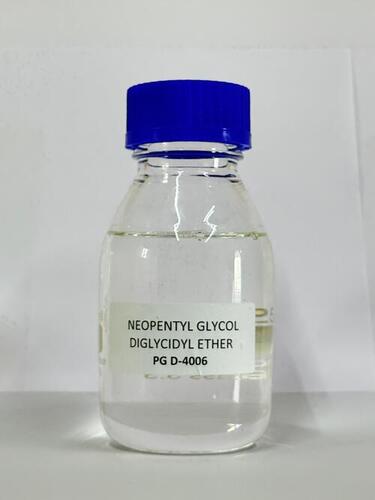
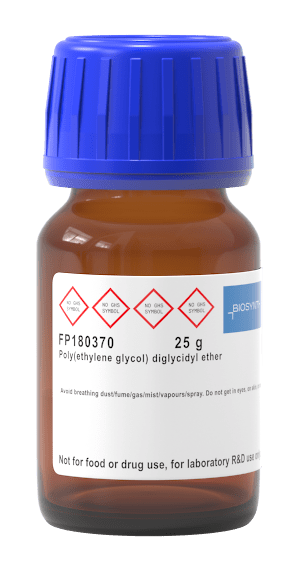
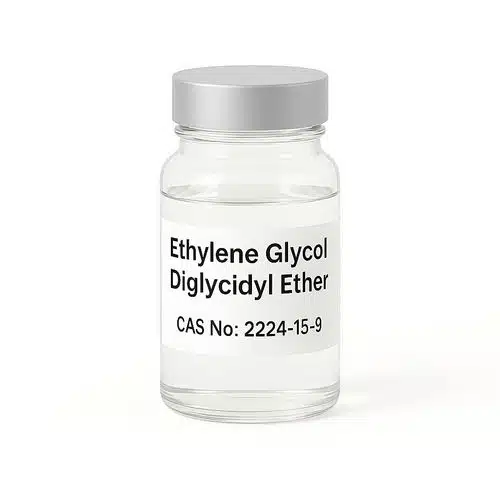
Description
The Power of Crosslinking: Exploring the Versatility of Ethylene Glycol Diglycidyl Ether (EGDE)
In the world of polymer chemistry and material science, some of the most influential components are often the ones working behind the scenes. Ethylene glycol diglycidyl ether, commonly referred to as EGDE, is one such chemical.
As a highly reactive diepoxide, EGDE serves as a critical bridge in the synthesis of advanced materials, from life-saving biomedical hydrogels to high-performance industrial coatings. In this post, we’ll dive into what makes this compound unique, its primary applications, and why it is a staple in modern manufacturing.
What is Ethylene Glycol Diglycidyl Ether?
Ethylene glycol diglycidyl ether ($C_8H_{14}O_4$) is a clear, colorless to pale yellow liquid. Chemically, it is a glycidyl ether formed by the reaction of ethylene glycol with epichlorohydrin.
What makes it stand out to chemists is its difunctionality. With an epoxide group at both ends of its molecular structure, it acts as an exceptionally efficient “crosslinker.” This means it can bond two different polymer chains together, transforming a liquid or a soft substance into a durable, structured network.
Key Properties at a Glance:
- Low Viscosity: It acts as an excellent reactive diluent, reducing the thickness of resins without compromising their final properties.
- Water Solubility: Unlike many other epoxy resins, EGDE is soluble in water, making it ideal for applications involving aqueous solutions or natural polymers.
- High Reactivity: The epoxide rings are highly strained and ready to react with amines, alcohols, and carboxylic acids.
Major Applications of EGDE
The versatility of EGDE allows it to transition seamlessly between heavy industry and delicate medical technology.
1. Biomedical and Pharmaceutical Research
One of the most exciting uses of EGDE is in the creation of hydrogels. Because EGDE is water-soluble, it is frequently used to crosslink natural polymers like hyaluronic acid, cellulose, and starch.
- Dermal Fillers: In the cosmetic industry, EGDE is used to stabilize hyaluronic acid, ensuring that fillers maintain their shape and longevity once injected.
- Drug Delivery: It helps create the structural matrix for controlled-release drug systems.
2. Industrial Epoxy Resins
In the industrial sector, EGDE is primarily used as a reactive diluent. Standard epoxy resins can be incredibly thick and difficult to apply. Adding EGDE lowers the viscosity, making the resin easier to pour, brush, or spray.
- It is widely used in potting compounds for electronics.
- It improves the wetting capability of adhesives, ensuring a stronger bond on various surfaces.
3. Textile and Paper Treatment
EGDE plays a significant role in improving the physical properties of fibers. When applied to textiles (like silk or cotton), it reacts with the fibers to improve crease resistance and dimensional stability. In the paper industry, it can be used to enhance wet strength, making paper products more durable when exposed to moisture.
4. Electronics and Coatings
Thanks to its excellent electrical insulation properties, EGDE is a component in several specialized coatings and laminates used in circuit boards and high-performance automotive parts.
Why Choose EGDE?
Engineers and researchers favor EGDE over other crosslinkers for several reasons:
- Flexibility: While it provides a strong bond, the ethylene glycol spacer between the epoxide groups provides a degree of molecular flexibility that shorter-chain crosslinkers lack.
- Compatibility: Its ability to work in both organic and aqueous environments is a rare and valuable trait.
- Mechanical Enhancement: It significantly improves the thermal and chemical resistance of the polymers it modifies.
Safety and Handling
As with any reactive chemical, professional handling is paramount. EGDE is classified as a skin and eye irritant and can cause sensitization upon repeated contact.
Best practices include:
- Working in well-ventilated areas or under a fume hood.
- Using appropriate Personal Protective Equipment (PPE), including nitrile gloves and safety goggles.
- Storing the compound in a cool, dry place away from strong acids or bases that could trigger unintended polymerization.
Final Thoughts
Ethylene glycol diglycidyl ether may not be a household name, but its impact on modern life is undeniable. Whether it’s providing the structural integrity for a new medical implant or ensuring an industrial coating can withstand extreme conditions, EGDE is a cornerstone of material innovation.
As industries move toward more sustainable and high-performing materials, the role of efficient crosslinkers like EGDE will only continue to grow.
Are you working on a project involving epoxy resins or hydrogel synthesis? Contact our technical team today to learn more about how EGDE can optimize your formulation.


Reviews
There are no reviews yet.