
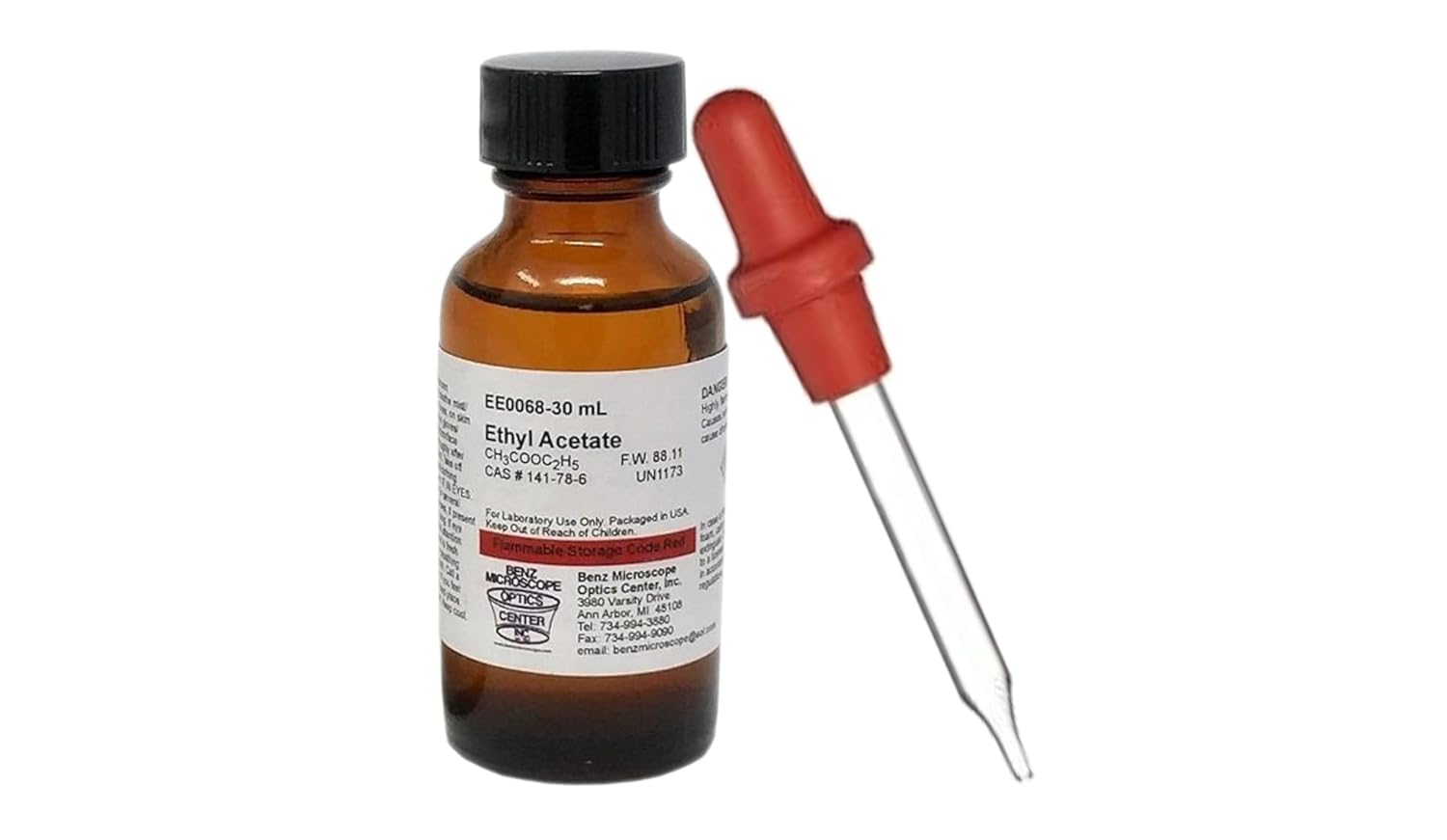
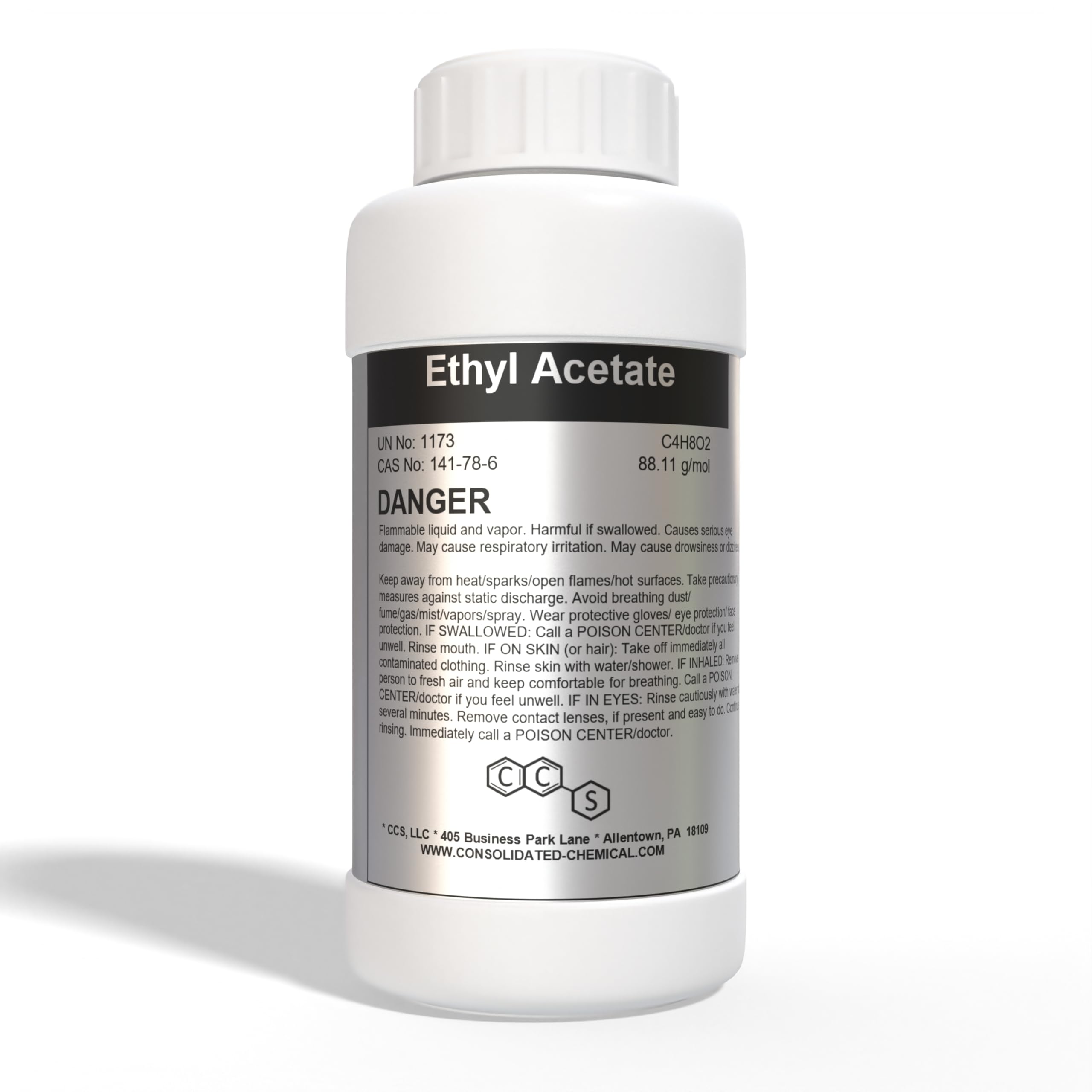
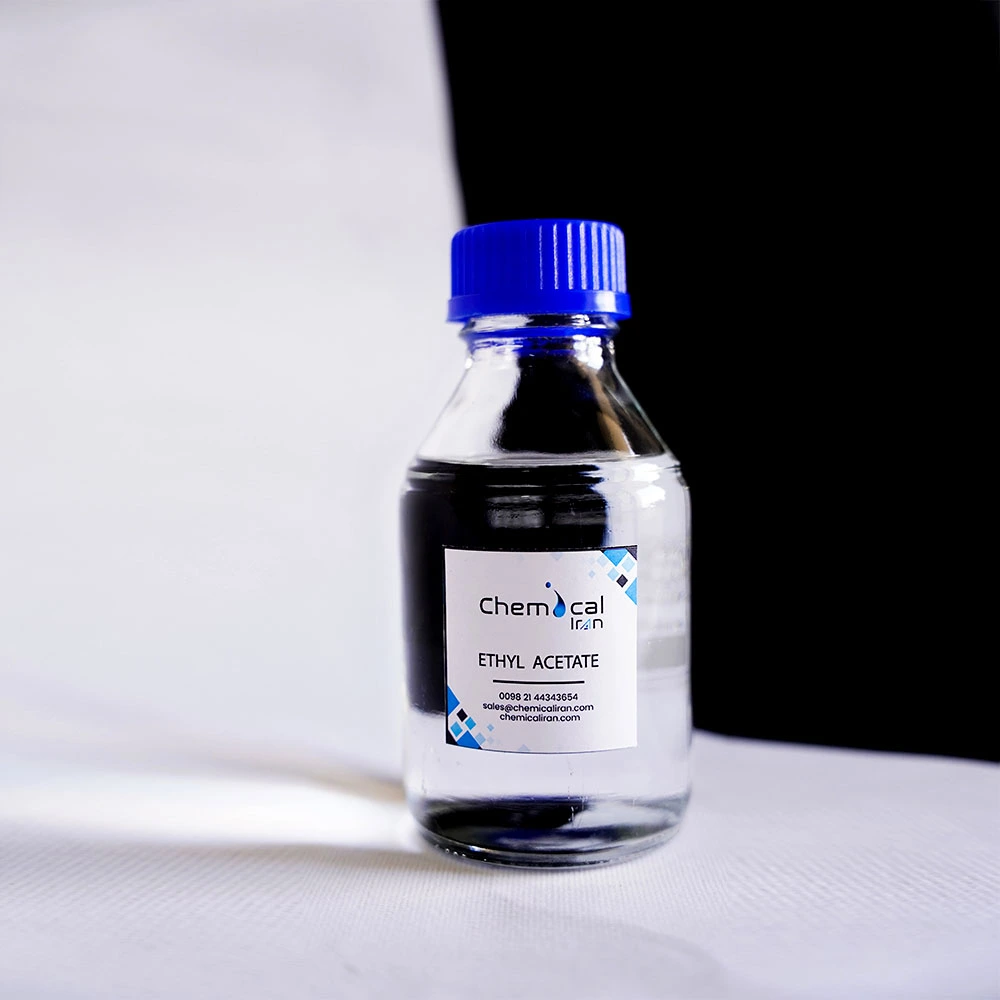
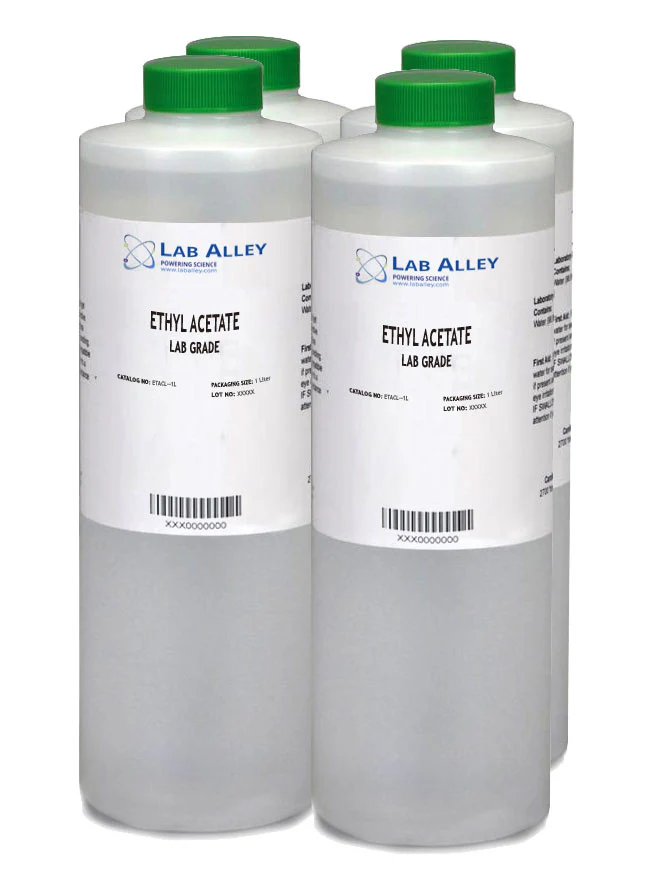
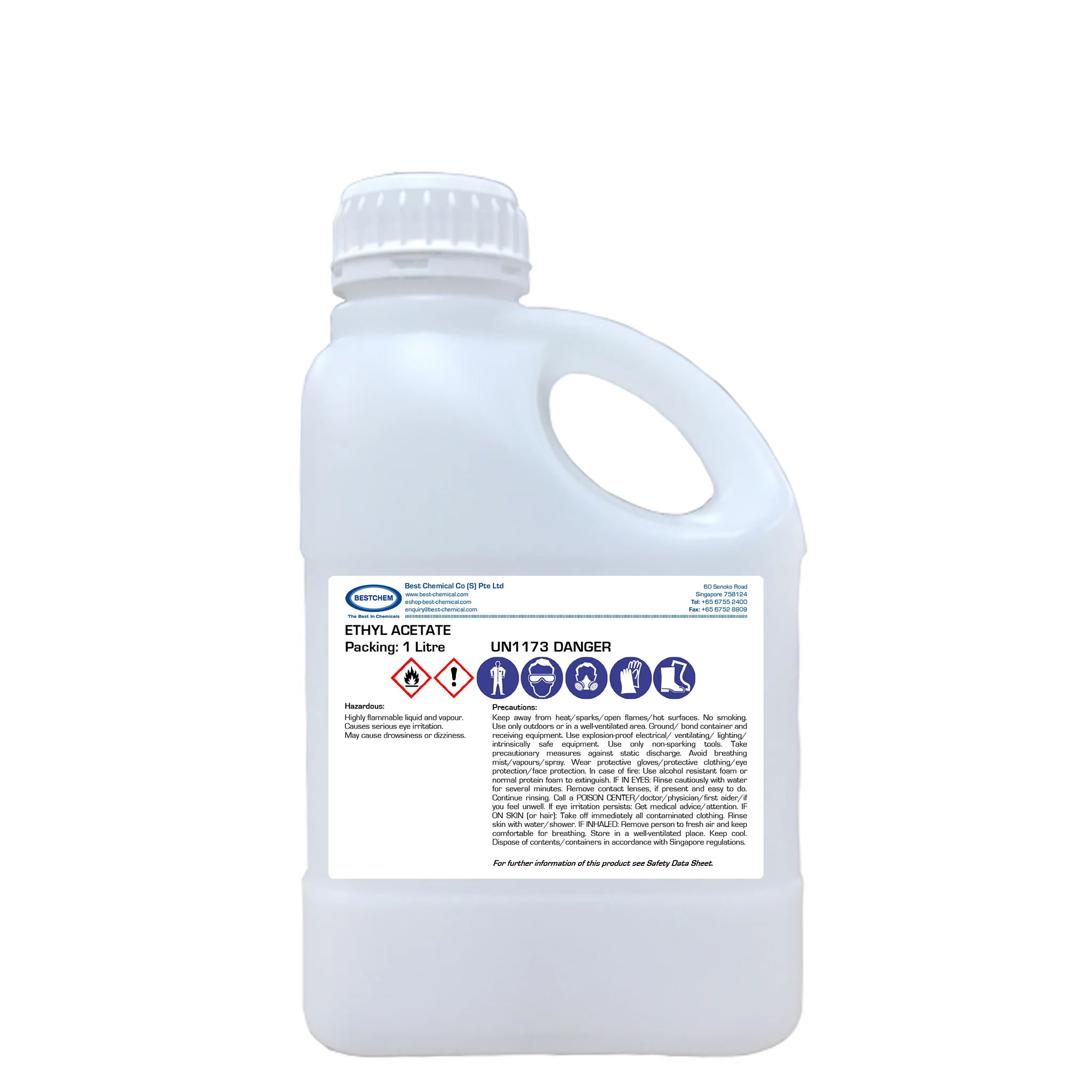
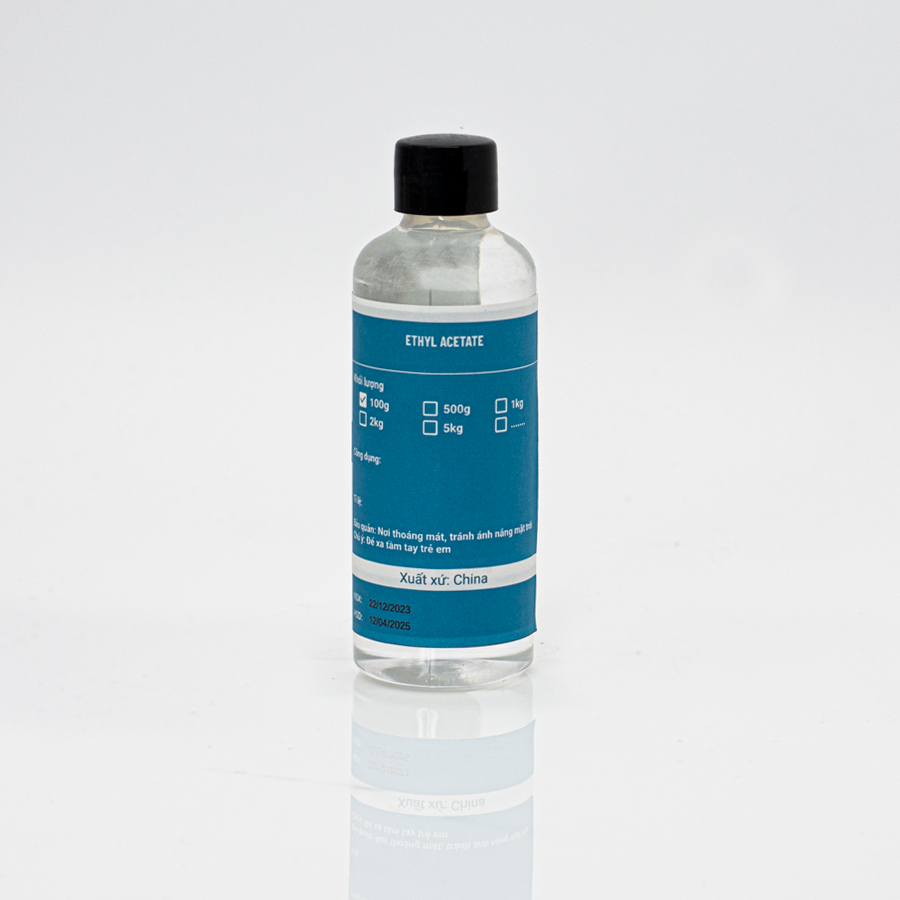
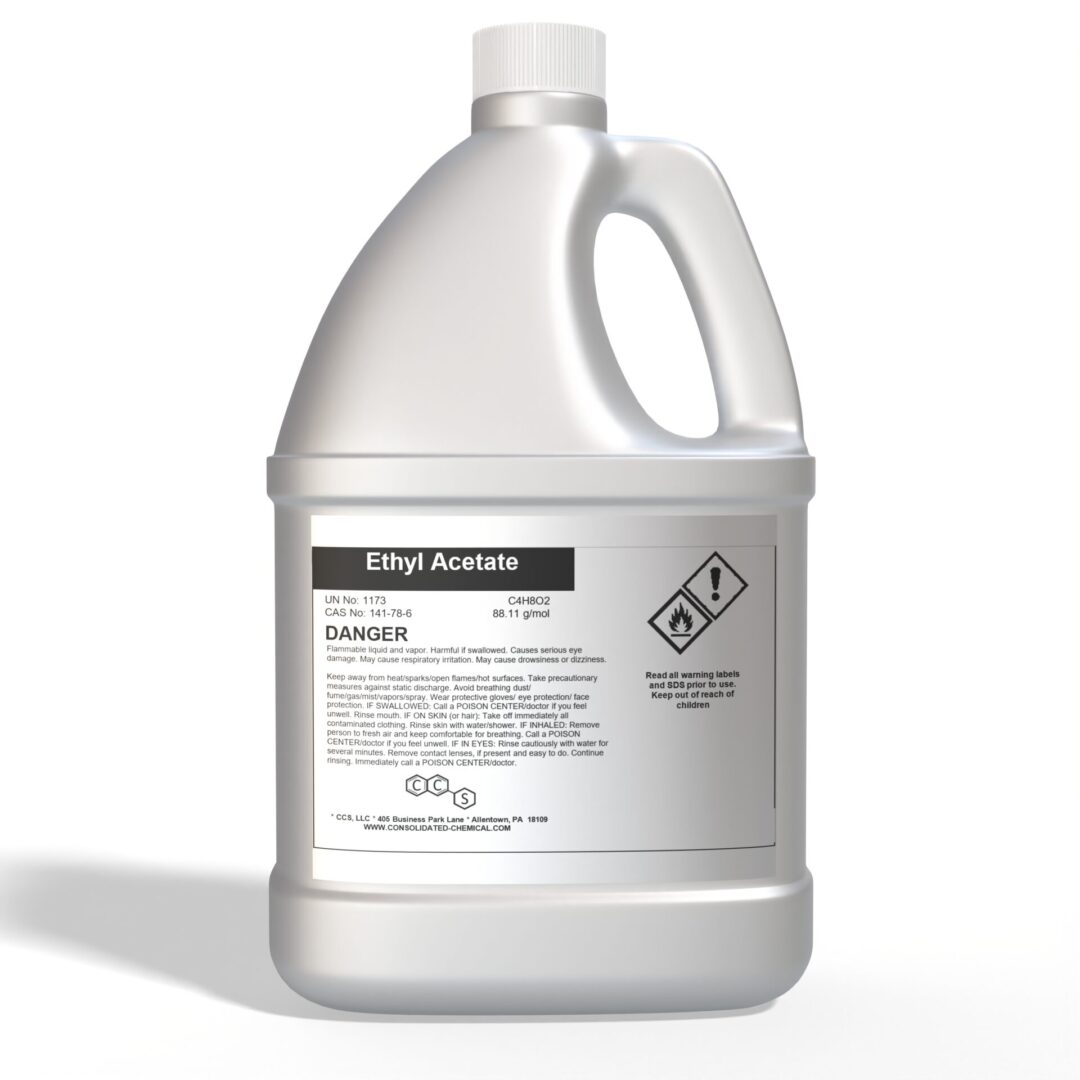
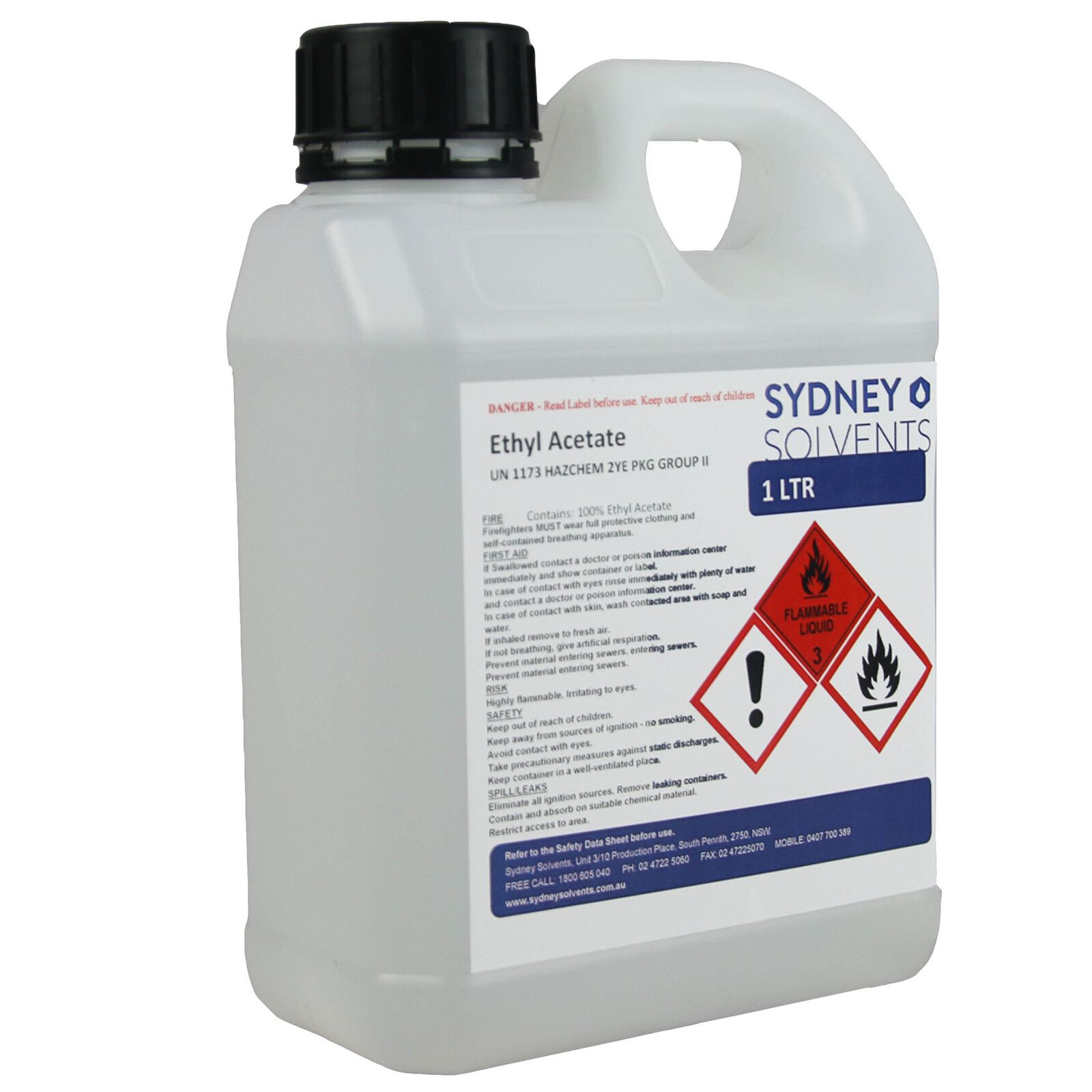
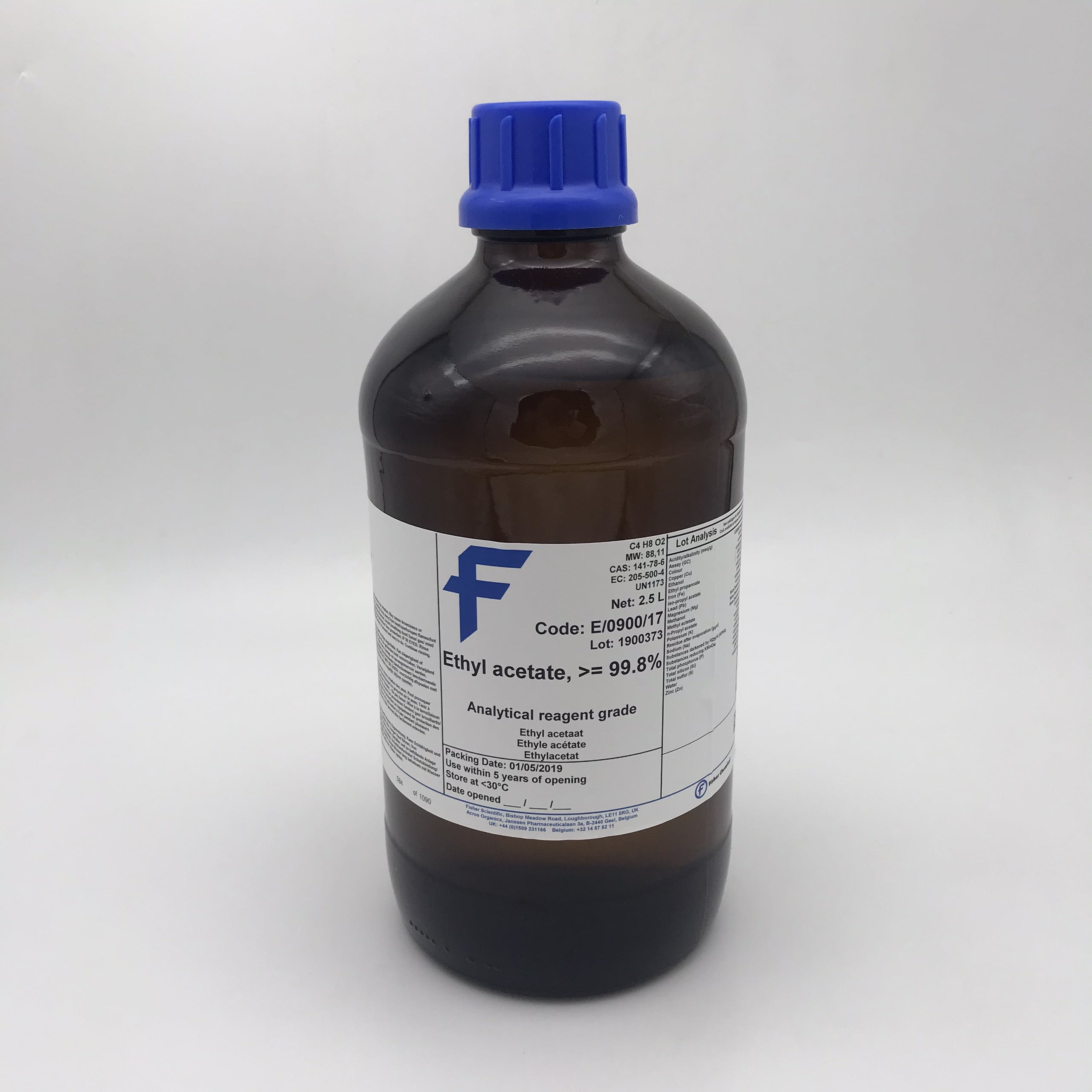
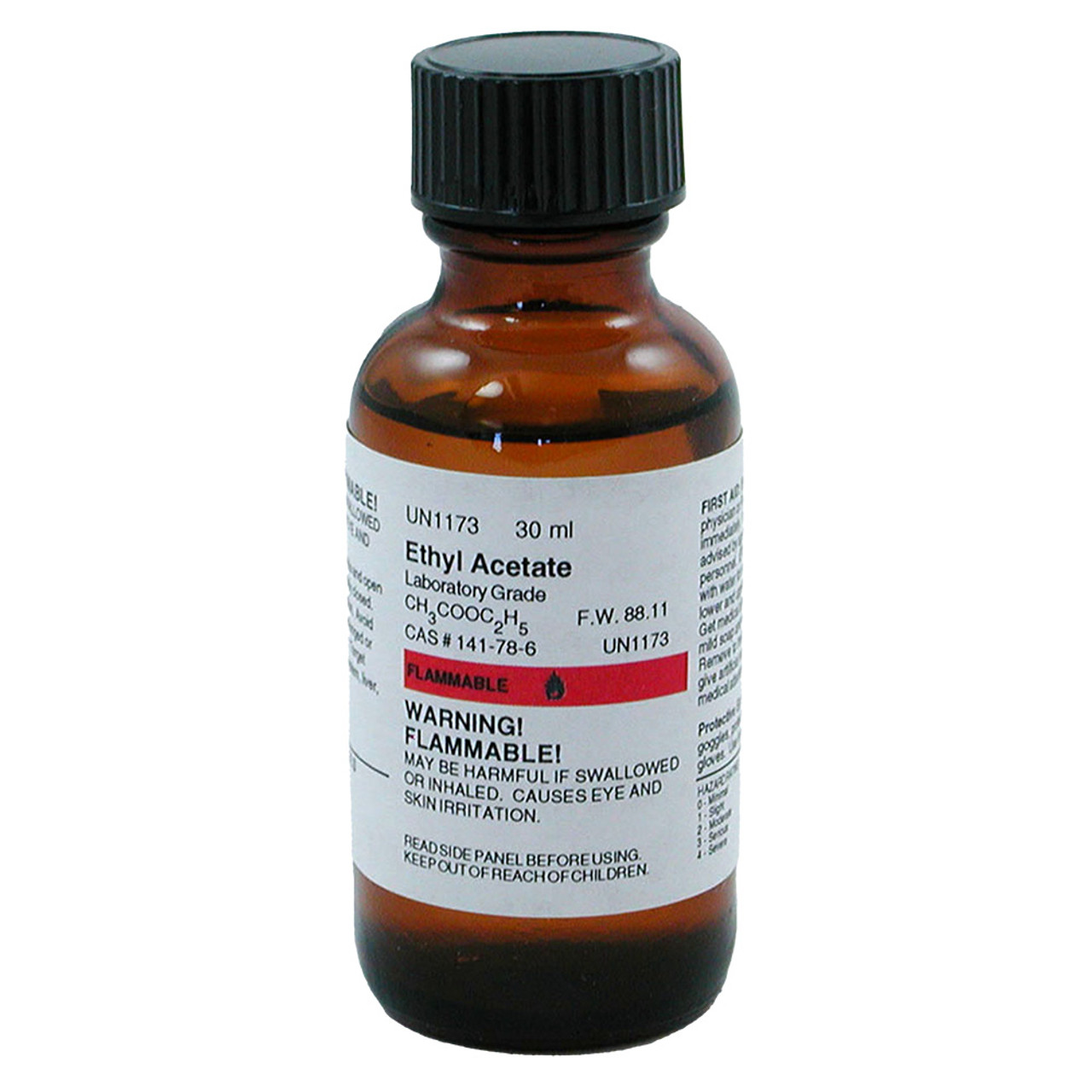
Ethyl acetate

£42.00

The Benefits of Ethyl Acetate: Prescription, Nutritional Information, and Ingredients

Introduction
When it comes to ethyl acetate, many people are unaware of the numerous benefits this compound can offer. From its potential use in prescription medications to its nutritional value and key ingredients, ethyl acetate is a versatile compound that deserves more attention. In this article, we will explore the various benefits of ethyl acetate, its potential prescription uses, its nutritional information, and the key ingredients that make it so effective.

Ethyl Acetate Benefits

  • Ethyl acetate is commonly used as a solvent in a variety of industries, including pharmaceuticals, cosmetics, and food production. Its low toxicity and pleasant odor make it a popular choice for these applications.
  • In addition to its use as a solvent, ethyl acetate is also used as a flavoring agent in foods and beverages. Its fruity aroma makes it a common ingredient in items such as confectionery, ice cream, and alcoholic beverages.
  • Some studies have suggested that ethyl acetate may have potential health benefits, including antioxidant properties. Antioxidants help protect the body from damage caused by free radicals, which are unstable molecules that can lead to chronic diseases.
  • Ethyl acetate has also been studied for its potential anti-inflammatory properties. Inflammation is the body’s natural response to injury or infection, but chronic inflammation can lead to a range of health issues. By reducing inflammation, ethyl acetate may help improve overall health.

Prescription Uses of Ethyl Acetate

  • While ethyl acetate is primarily used in non-prescription products, such as cosmetics and food items, it also has potential prescription uses. Some pharmaceutical companies are exploring the use of ethyl acetate in medications for various conditions.
  • Ethyl acetate may have application in prescription medications for its solvent properties. It can help improve the solubility of certain active ingredients, making them easier for the body to absorb and utilize.
  • Additionally, research is ongoing to determine if ethyl acetate has any direct medicinal properties that could be beneficial in the treatment of specific health conditions. These studies are still in the early stages, but the potential is promising.

Nutritional Information

  • Ethyl acetate itself does not have any significant nutritional value, as it is primarily a solvent and flavoring agent. However, foods and beverages that contain ethyl acetate as an ingredient may have varying nutritional profiles.
  • When consuming products that contain ethyl acetate, it is important to consider the overall nutritional content of the item. Reading labels and understanding the ingredients list can help you make informed choices about the foods and beverages you consume.
  • As with any food additive, moderation is key when it comes to consuming ethyl acetate. While it is generally recognized as safe for use in foods and beverages, consuming large quantities of products containing ethyl acetate may not be advisable.

Key Ingredients in Ethyl Acetate

  • Ethyl acetate is a simple compound with a molecular formula of C4H8O2. Its key ingredients are ethyl alcohol and acetic acid, which react together to form ethyl acetate in a process known as esterification.
  • The production of ethyl acetate typically involves the reaction of ethyl alcohol with acetic acid, which is catalyzed by a strong acid or base. This process results in the formation of ethyl acetate, which is then purified and used in various industrial applications.
  • Ethyl acetate can also be produced through fermentation, where enzymes in yeast cells catalyze the reaction between ethyl alcohol and acetic acid. This natural process is used in the production of certain alcoholic beverages and other fermented products.
    In conclusion, ethyl acetate offers a range of benefits, from its solvent properties to its potential health benefits. While more research is needed to fully understand the extent of its medicinal properties, ethyl acetate remains a versatile compound with a variety of uses in different industries. Whether used in prescription medications or as a flavoring agent in foods and beverages, ethyl acetate is a compound worth exploring further.

Description

Ethyl Acetate: A Versatile Solvent with a Sweet Side

Ethyl acetate, often abbreviated as EtOAc or EA, is a ubiquitous organic compound with a distinctive, fruity odor. This colorless liquid plays a crucial role in a wide array of industries, from the manufacture of paints and coatings to the extraction of natural products. Due to its relatively low toxicity, affordability, and excellent solvent properties, ethyl acetate has become a workhorse in laboratories and production facilities worldwide.

What is Ethyl Acetate and How is it Made?

Ethyl acetate is an ester formed through the reaction of ethanol and acetic acid, a process known as esterification. This reaction typically requires a catalyst, often sulfuric acid, to speed up the process. The reaction is reversible, meaning it can proceed in both directions, eventually reaching an equilibrium. Industrial production often employs techniques like continuous distillation to remove the produced water and shift the equilibrium towards ethyl acetate production, maximizing yield.

A Solvent Superstar: Properties and Applications

The widespread use of ethyl acetate stems from its favorable properties as a solvent. It effectively dissolves a variety of substances including:

  • Resins and Polymers: This makes it invaluable in the coatings industry for formulating paints, varnishes, lacquers, and adhesives.
  • Greases, Oils, and Waxes: Ethyl acetate is frequently used as a cleaning agent and degreaser in manufacturing and laboratory settings.
  • Cellulose Nitrate and Other Cellulosic Materials: This property contributes to its application in the production of photographic films and certain types of inks.

Beyond its role as a solvent, ethyl acetate finds application in various fields:

  • Food and Beverage Industry: In small quantities, ethyl acetate is used as a flavoring agent, contributing to the aromas of fruits like apples and pears. It’s also utilized in the extraction of caffeine from coffee beans, resulting in decaffeinated products.
  • Pharmaceutical Industry: Ethyl acetate serves as a solvent in the production of pharmaceuticals and as a component in some medications.
  • Laboratory Research: Scientists across various disciplines rely on ethyl acetate for extraction, chromatography, and other analytical techniques. Its miscibility with both polar and nonpolar solvents makes it a versatile choice for separating and purifying compounds.
  • Insecticide and Herbicide Formulations: Ethyl acetate can enhance the effectiveness of certain pesticides and herbicides by improving their penetration into plant or insect tissues.

Safety Considerations and Responsible Use

While ethyl acetate is considered relatively safe compared to some other organic solvents, proper handling and safety precautions are essential.

  • Flammability: Ethyl acetate is highly flammable and should be kept away from open flames and potential ignition sources.
  • Inhalation: Prolonged exposure to high concentrations of ethyl acetate vapor can cause dizziness, drowsiness, headache, and respiratory irritation. Proper ventilation is crucial when working with this solvent.
  • Skin and Eye Contact: Ethyl acetate can cause skin and eye irritation. Protective gloves and eye protection should be worn when handling the chemical.

The Future of Ethyl Acetate

As industries increasingly seek sustainable and environmentally friendly alternatives, research is focused on developing bio-based ethyl acetate. This involves utilizing renewable resources like biomass-derived ethanol and acetic acid to produce ethyl acetate, reducing reliance on fossil fuels and minimizing environmental impact.

In Conclusion

Ethyl acetate is a versatile and widely used solvent with a multitude of applications spanning various industries. Its favorable properties, coupled with its relatively low toxicity, have cemented its position as a valuable chemical compound. As research continues to explore more sustainable production methods, ethyl acetate is poised to remain a crucial player in the chemical landscape for years to come.

Reviews

There are no reviews yet.

Be the first to review “Ethyl acetate”

Your email address will not be published. Required fields are marked *

Add to cart