
Ethyl-2-Cyanoacrylate

Title: The Versatility and Applications of Ethyl-2-Cyanoacrylate: A Comprehensive Overview Introduction Ethyl-2-cyanoacrylate, commonly known as super glue or instant adhesive, is a versatile and widely used chemical compound that has revolutionized various industries and aspects of daily life. This essay aims to provide a comprehensive overview of ethyl-2-cyanoacrylate, exploring its chemical structure, properties, applications, advantages, and potential limitations. Chemical Structure and Properties Ethyl-2-cyanoacrylate is a colorless, liquid monomer with a molecular formula of C6H7NO2. It is a cyanoacrylate ester, a type of acrylic resin, which is synthesized through the reaction of cyanoacetate and ethyl acetate. This liquid monomer has a low viscosity, low surface tension, and high reactivity, making it an ideal adhesive for bonding various materials. The most distinctive feature of ethyl-2-cyanoacrylate is its ability to polymerize rapidly in the presence of moisture, forming a strong and flexible bond. This process is exothermic, releasing heat, which can aid in the curing process. The resulting polymer is a transparent, colorless, and flexible material with high tensile strength, impact resistance, and chemical resistance. Applications The versatility of ethyl-2-cyanoacrylate has led to its widespread use in various industries, including: 1. Adhesives and Bonding: Ethyl-2-cyanoacrylate is commonly used as a super glue or instant adhesive for bonding plastics, metals, glass, and other materials. Its high bonding strength and rapid curing time make it an ideal choice for various applications, such as repairing broken objects, assembling parts, and creating prototypes. 2. Medical and Dental: In the medical field, ethyl-2-cyanoacrylate is used as a tissue adhesive for closing wounds, repairing skin defects, and attaching medical devices. In dentistry, it is used as a dental adhesive for bonding dental materials, such as crowns and bridges. 3. Industrial and Manufacturing: Ethyl-2-cyanoacrylate is used in various industrial processes, including assembly, repair, and manufacturing. It is used to bond materials, such as plastics, metals, and composites, in the production of consumer goods, automotive parts, and aerospace components. 4. Art and Craft: The adhesive properties of ethyl-2-cyanoacrylate make it a popular choice among artists, crafters, and hobbyists. It is used to create intricate designs, bond materials, and assemble models. Advantages The advantages of ethyl-2-cyanoacrylate are numerous, including: 1. Rapid Curing Time: The monomer polymerizes rapidly, allowing for fast bonding and assembly. 2. High Bonding Strength: The resulting polymer has high tensile strength, impact resistance, and chemical resistance. 3. Versatility: Ethyl-2-cyanoacrylate can bond a wide range of materials, including plastics, metals, glass, and composites. 4. Easy to Use: The adhesive is easy to apply, and its low viscosity makes it suitable for small, intricate applications. Limitations and Precautions While ethyl-2-cyanoacrylate is a highly versatile and effective adhesive, it also has some limitations and precautions to consider: 1. Toxicity: The monomer can be toxic if ingested or inhaled, and skin contact can cause irritation. 2. Flammability: The monomer is flammable and can ignite if exposed to heat or sparks. 3. Bonding Limitations: Ethyl-2-cyanoacrylate may not bond well with certain materials, such as oily or dirty surfaces, or materials with low surface energy. 4. Environmental Concerns: The production and disposal of ethyl-2-cyanoacrylate can have environmental implications, such as air and water pollution. Conclusion Ethyl-2-cyanoacrylate is a highly versatile and widely used chemical compound with a range of applications in various industries and aspects of daily life. Its unique properties, such as rapid curing time, high bonding strength, and versatility, make it an ideal adhesive for bonding various materials. However, it is essential to consider the limitations and precautions associated with ethyl-2-cyanoacrylate, including toxicity, flammability, bonding limitations, and environmental concerns. With proper use and handling, ethyl-2-cyanoacrylate can continue to revolutionize various industries and aspects of daily life.

Description

Ethyl-2-Cyanoacrylate: The Science Behind Super Glue

Ethyl-2-Cyanoacrylate, often shortened to ECA, is a name that might not roll off the tongue, but the product it represents is a household staple: Super Glue. This powerful adhesive, known for its rapid bonding and strong hold, owes its magic to the unique properties of this chemical compound.

What is Ethyl-2-Cyanoacrylate?

ECA is a cyanoacrylate ester, meaning it’s an organic ester derived from cyanoacrylic acid. In simpler terms, it’s a small, reactive molecule with a specific structure that allows it to polymerize rapidly in certain conditions, forming long, interwoven chains that create a strong, durable bond.

How Does Super Glue Work?

The remarkable adhesive properties of ECA are due to its ability to undergo a process called anionic polymerization. This process is triggered by the presence of even trace amounts of moisture, which are almost always present on surfaces, including seemingly dry ones. Here’s a breakdown:

  1. Moisture Activation: The minute amount of moisture on the surface acts as a catalyst.
  2. Chain Reaction: The hydroxyl ions (OH-) from the water react with the ECA molecules, initiating a chain reaction where ECA molecules link together.
  3. Polymer Formation: This cascading linkage of monomers creates long, entangled polymer chains.
  4. Strong Bond: These polymer chains interlock with the surface irregularities of the materials being joined, forming a strong, rigid bond.

Key Properties of ECA:

  • Rapid Curing: ECA is renowned for its incredibly fast curing time, often bonding in seconds. This is why it’s ideal for quick fixes and repairs.
  • Strong Adhesion: The resulting polymer matrix provides significant tensile strength, allowing it to adhere strongly to a variety of materials.
  • Versatility: ECA can bond to a wide range of materials, including plastics, rubber, metal, leather, and even skin.
  • Solvent Resistance: Once fully cured, ECA is resistant to many solvents, making it a durable bond.

Applications Beyond the Home:

While Super Glue is its most well-known application, ECA has found its way into numerous other fields:

  • Medical: In the medical field, ECA is used as a surgical adhesive for wound closure, particularly in situations where sutures would be difficult or time-consuming. It’s also used to embolize (block) blood vessels.
  • Cosmetics: Some nail glues and artificial eyelash adhesives contain ECA.
  • Forensic Science: Crime scene investigators use ECA fuming to develop latent fingerprints on non-porous surfaces.
  • Industrial Applications: ECA adhesives are used in manufacturing for bonding small parts, assembling electronic components, and more.

Safety Considerations:

While ECA is a powerful and versatile adhesive, it’s important to handle it with care:

  • Skin Bonding: ECA bonds skin rapidly and strongly. If skin contact occurs, avoid pulling the bonded areas apart. Soak the affected area in soapy water. Acetone can also help loosen the bond.
  • Eye Irritation: Contact with the eyes can be extremely irritating. Flush immediately with plenty of water and seek medical attention.
  • Ventilation: Use ECA in a well-ventilated area, as the fumes can be irritating to the respiratory system.

Conclusion:

Ethyl-2-Cyanoacrylate is far more than just the key ingredient in Super Glue. Its unique chemical properties make it a versatile adhesive with a wide range of applications, from household repairs to life-saving medical procedures. Understanding the science behind ECA helps us appreciate its power and use it safely and effectively.

Additional information

Properties

Ethyl-2-cyanoacrylate is a chemical compound that is the main ingredient in super glues and instant glues. It is also known as super glue.
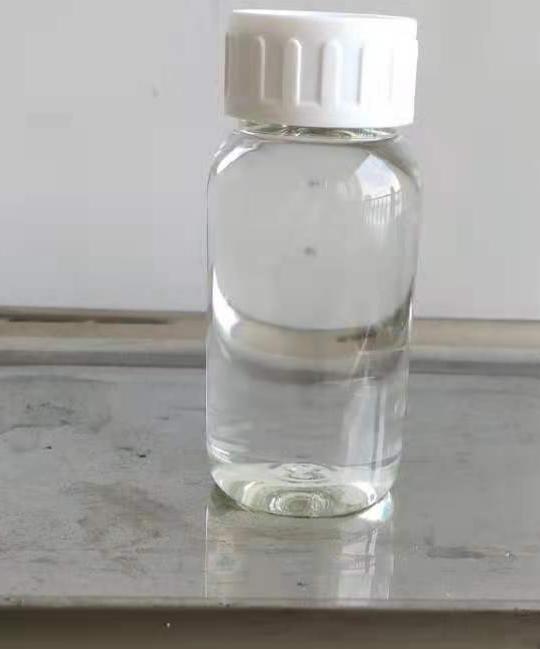
A colorless liquid with a faint sweet smell
Polymerizes instantly in water
Forms a strong bond when it comes into contact with moisture

Uses

Medical: Used to close small cuts and wounds, adhere tissues together, and in drug delivery systems
Construction: Used in adhesives and sealants
Manufacturing: Used in the manufacture of electrical, electronic, and optical equipment, furniture, machinery, and vehicles

Safety

A strong irritant to the lungs and eyes
In the U.S., the threshold limit value for ethyl-2-cyanoacrylate is 0.2 ppm

Disposal

Collect leaking and spilled liquid in sealable containers
Absorb remaining liquid in sand or inert absorbent
Store and dispose of according to local regulations
Discovery

Discovery

Ethyl-2-cyanoacrylate was discovered during World War II by scientists at B.F. Goodrich.

Reviews

There are no reviews yet.

Be the first to review “Ethyl-2-Cyanoacrylate”

Your email address will not be published. Required fields are marked *

Read more