

Description
Echinacea Extract: A Natural Remedy with a Rich History and Promising Potential
Echinacea, also known as the purple coneflower, is more than just a beautiful garden plant. For centuries, various species of Echinacea have been valued for their medicinal properties, and today, Echinacea extract remains a popular natural remedy for bolstering the immune system and combating various ailments. This article delves into the history, benefits, uses, and considerations surrounding Echinacea extract, offering a comprehensive overview of this fascinating botanical.
A Historical Legacy: From Native American Traditions to Modern Research
The use of Echinacea dates back to the Native American tribes of the Great Plains, who traditionally employed it for treating a wide array of conditions. They used different species of Echinacea, including Echinacea angustifolia, Echinacea purpurea, and Echinacea pallida, to address wounds, burns, infections, snake bites, and even toothaches.
European settlers adopted Echinacea in the 19th century, and its popularity soared. However, with the advent of antibiotics in the mid-20th century, its use declined. Nevertheless, interest in Echinacea as a natural alternative has resurged in recent decades, fueled by growing concerns about antibiotic resistance and a desire for more holistic healthcare options. Today, modern research is exploring the mechanisms behind its purported benefits, adding scientific validation to traditional knowledge.
Unveiling the Potential Benefits of Echinacea Extract:
Echinacea owes its medicinal properties to a complex array of active compounds, including:
- Alkylamides: These compounds are believed to interact with the body’s cannabinoid receptors, potentially influencing inflammatory responses.
- Polysaccharides: These complex carbohydrates may stimulate immune cells and enhance the body’s defense mechanisms.
- Flavonoids: Known for their antioxidant properties, flavonoids can help protect cells from damage caused by free radicals.
- Caffeic Acid Derivatives: These compounds possess antioxidant and anti-inflammatory activities.
These components contribute to the potential health benefits associated with Echinacea extract, including:
- Boosting the Immune System: Perhaps the most well-known benefit, Echinacea is often used to strengthen the immune system and reduce the severity and duration of common colds and other upper respiratory infections. It may stimulate the production of white blood cells, which are crucial for fighting off infections.
- Fighting Infections: Echinacea has demonstrated antimicrobial activity against certain bacteria and viruses, suggesting its potential in combating infections.
- Reducing Inflammation: The anti-inflammatory properties of Echinacea may help alleviate symptoms associated with inflammatory conditions.
- Wound Healing: Historically used for wound healing, some studies suggest Echinacea can promote faster tissue regeneration.
Exploring the Uses of Echinacea Extract:
Echinacea extract is available in various forms, including:
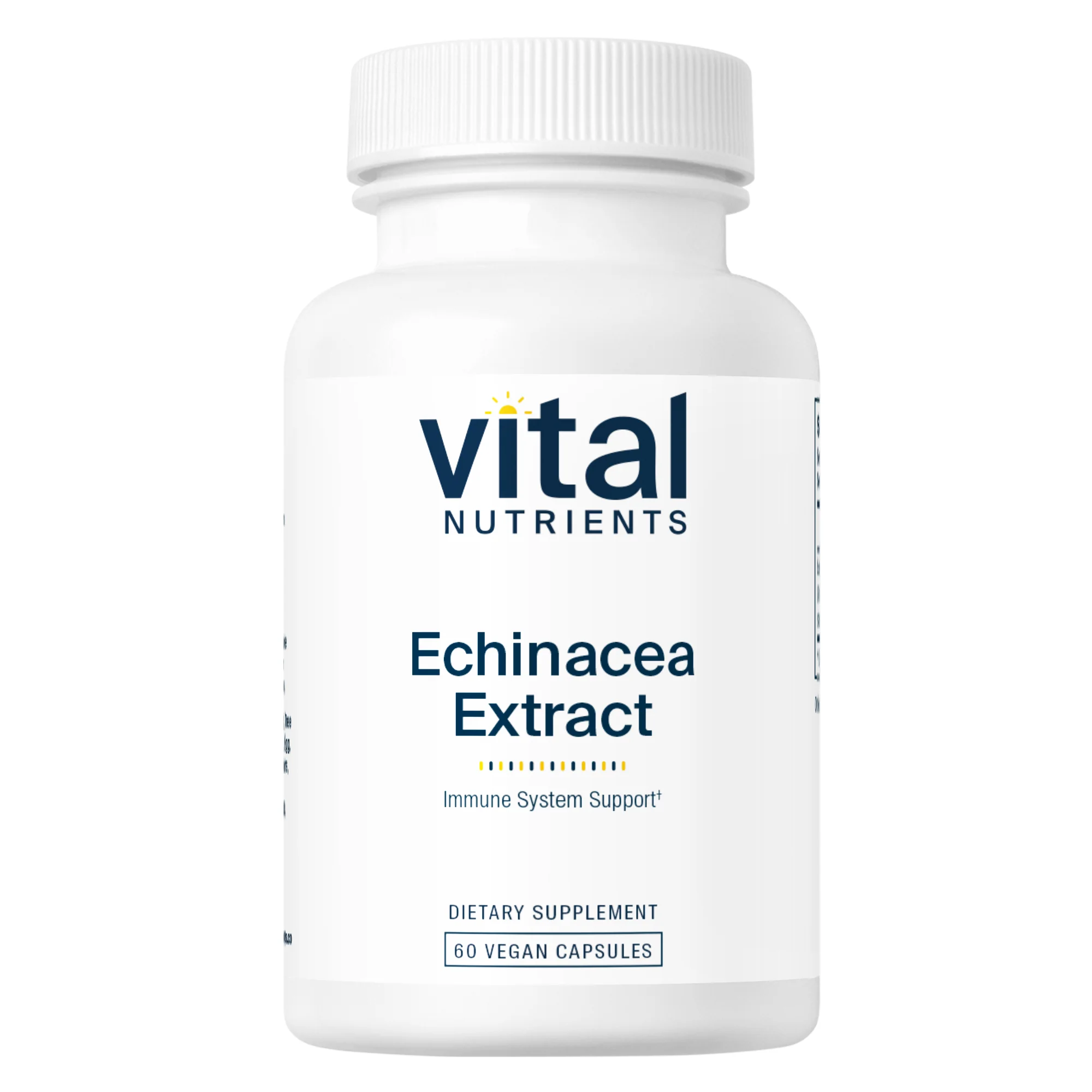
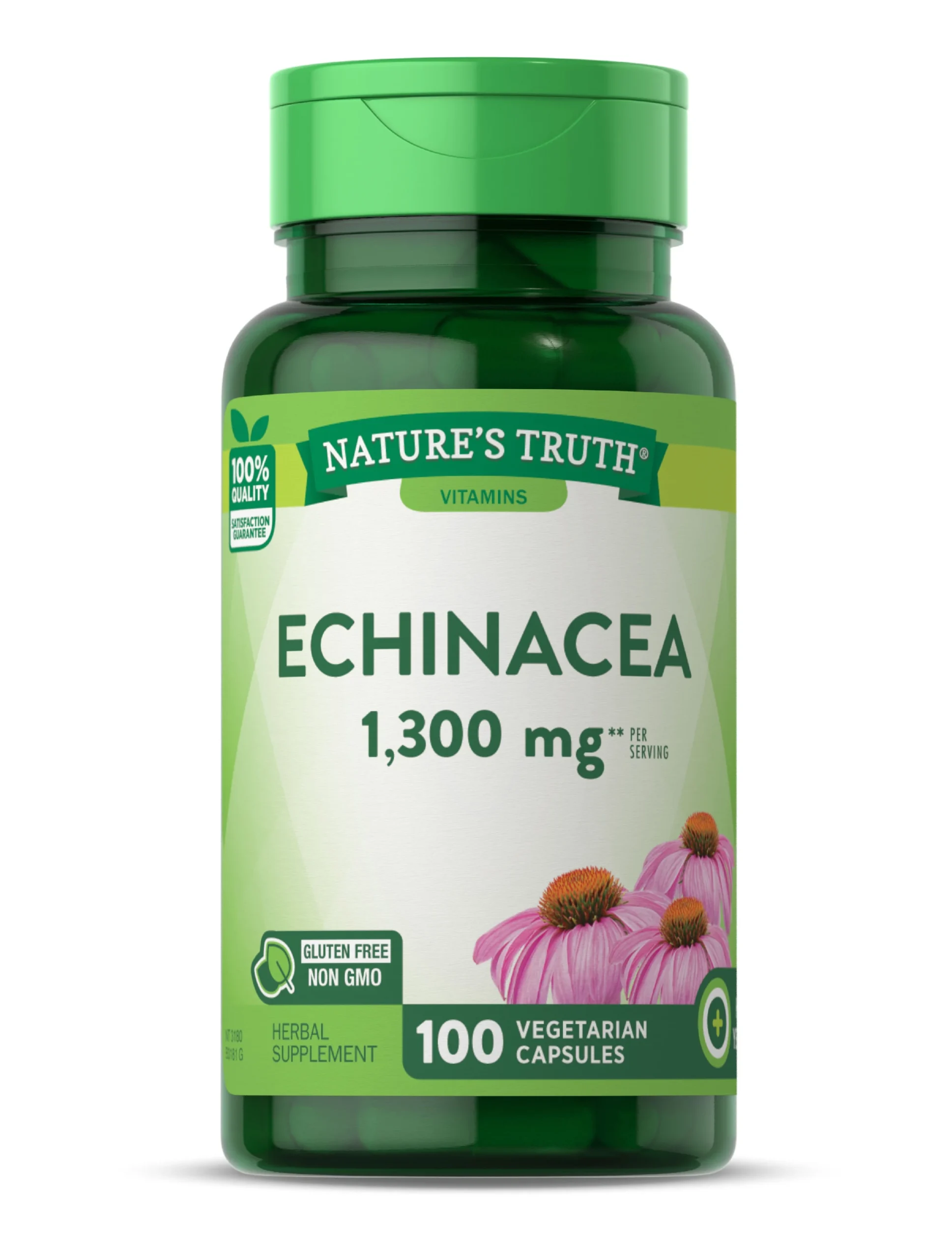
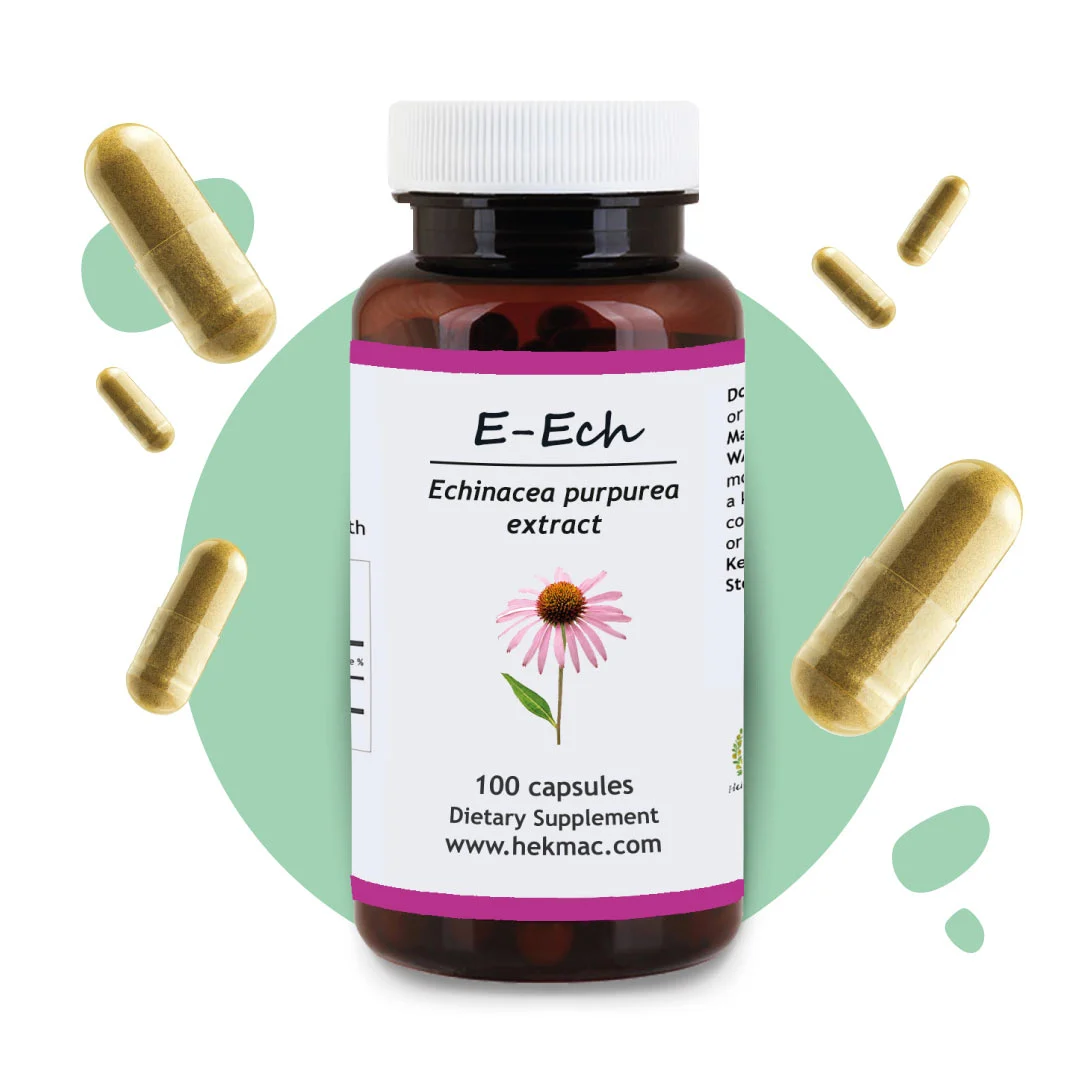
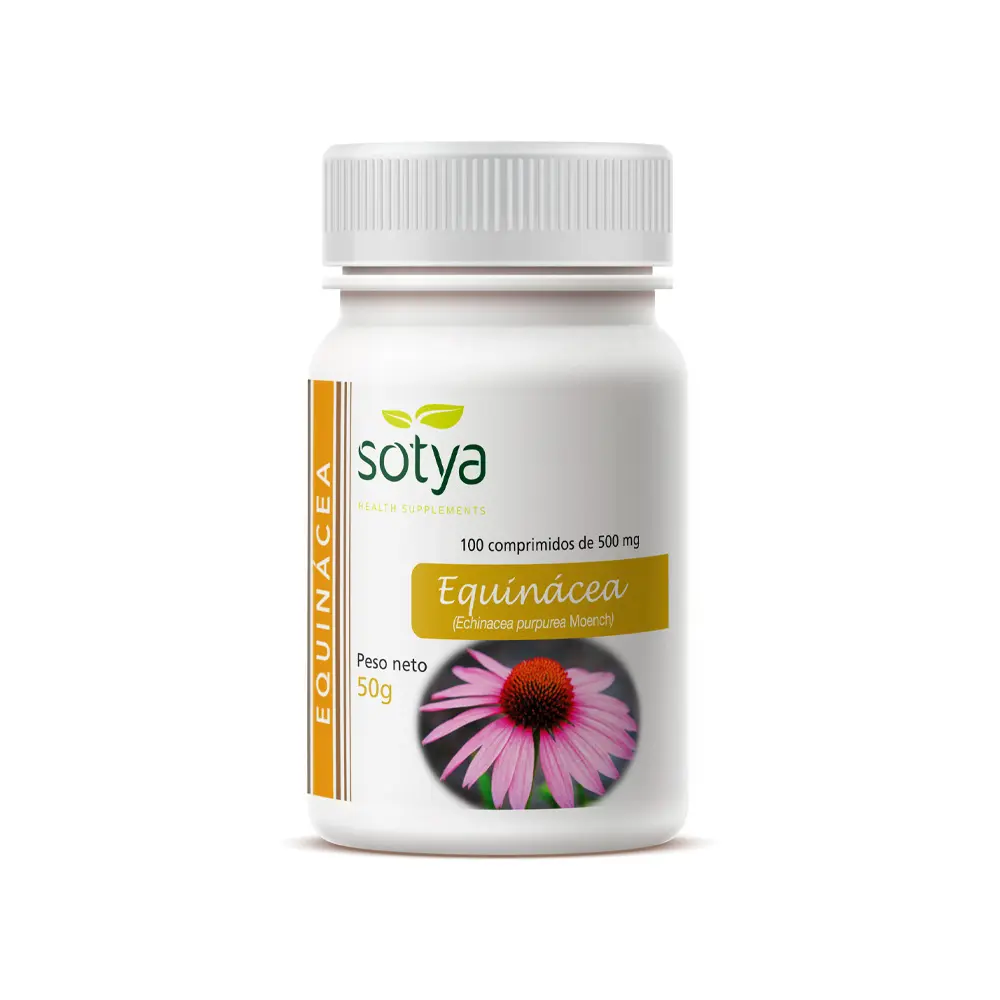
- Capsules and Tablets: These are convenient and readily available options for daily supplementation.
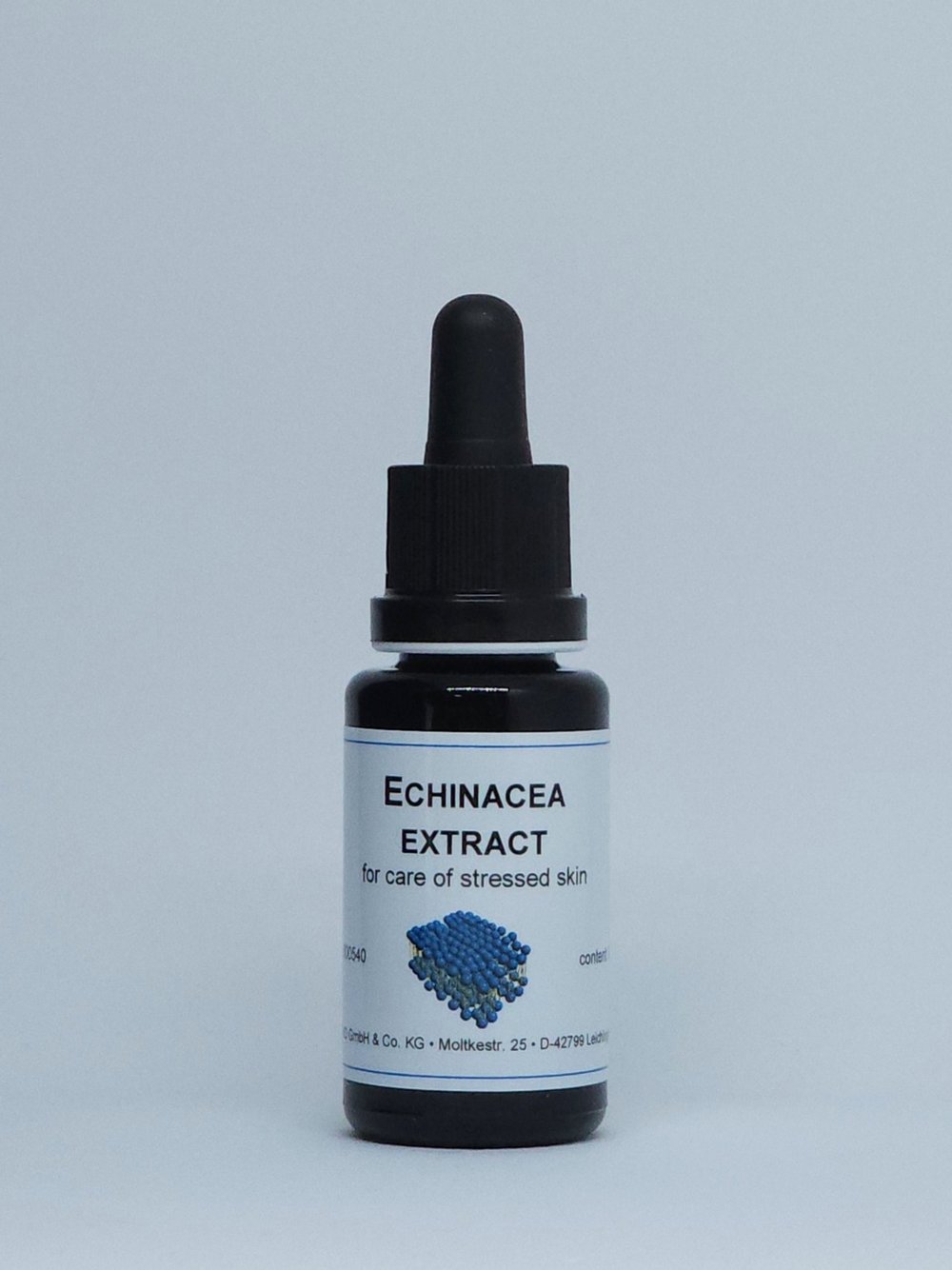
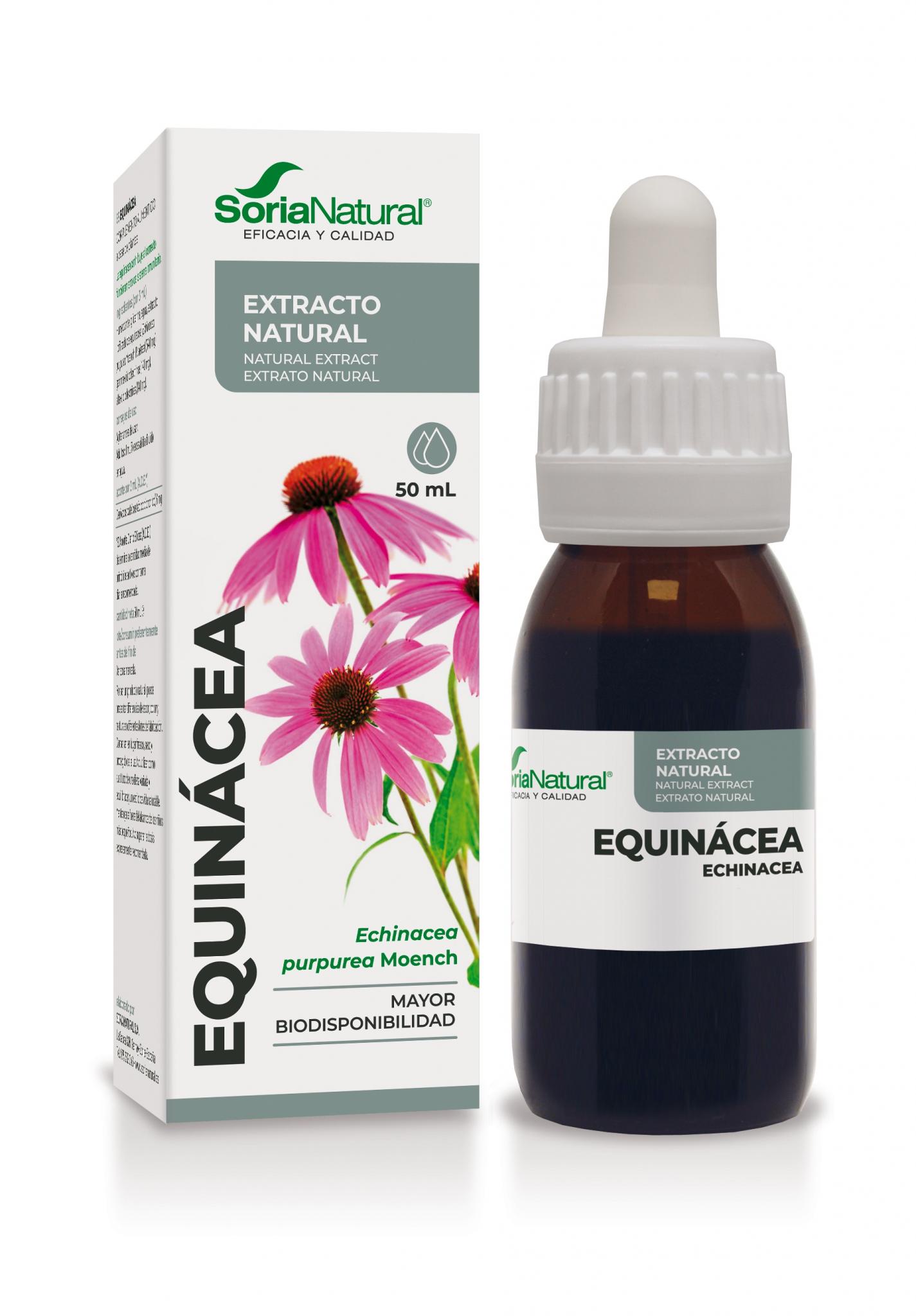
- Liquid Extracts (Tinctures): Liquid extracts allow for flexible dosing and can be added to water or juice.
- Teas: Echinacea tea offers a soothing way to consume the herb and may provide a mild immune boost.
- Topical Creams and Ointments: These are used for treating skin conditions and promoting wound healing.
Echinacea extract is commonly used for:
- Preventing and treating colds and flu: Many individuals take Echinacea at the first sign of illness to shorten its duration.
- Boosting overall immunity: Some people use it as a preventative measure, especially during cold and flu season.
- Treating skin infections and wounds: Topical applications can aid in healing minor cuts, scrapes, and skin irritations.
Important Considerations and Potential Side Effects:
While generally considered safe for short-term use, Echinacea extract is not without potential side effects. Common side effects are typically mild and may include:
- Upset stomach
- Nausea
- Dizziness
- Allergic reactions (rare but possible)
It’s crucial to note that:
- Individuals with autoimmune diseases: People with autoimmune conditions, such as lupus or rheumatoid arthritis, should consult a healthcare professional before using Echinacea.
- Pregnant and breastfeeding women: The safety of Echinacea during pregnancy and breastfeeding hasn’t been thoroughly established, so it’s best to avoid it during these periods.
- Drug interactions: Echinacea may interact with certain medications. Always inform your doctor about any supplements you’re taking.
- Long-term use: The long-term effects of Echinacea are not well-understood. It’s generally recommended to use it for short periods, such as a week or two at a time.
Conclusion: A Promising Natural Remedy with a Need for Further Research
Echinacea extract holds significant promise as a natural remedy for boosting the immune system, fighting infections, and promoting healing. Its rich history in Native American traditions and ongoing modern research lend credibility to its potential benefits. However, it’s crucial to use Echinacea responsibly, considering potential side effects and consulting with a healthcare professional, especially if you have underlying health conditions or are taking medications. As research continues to unravel the complexities of Echinacea’s mechanisms of action, we can look forward to a deeper understanding of its therapeutic potential and its role in promoting overall health and well-being.

Reviews
There are no reviews yet.