
Description
Diethyl Carbonate: A Versatile Solvent and Key Player in Modern Energy
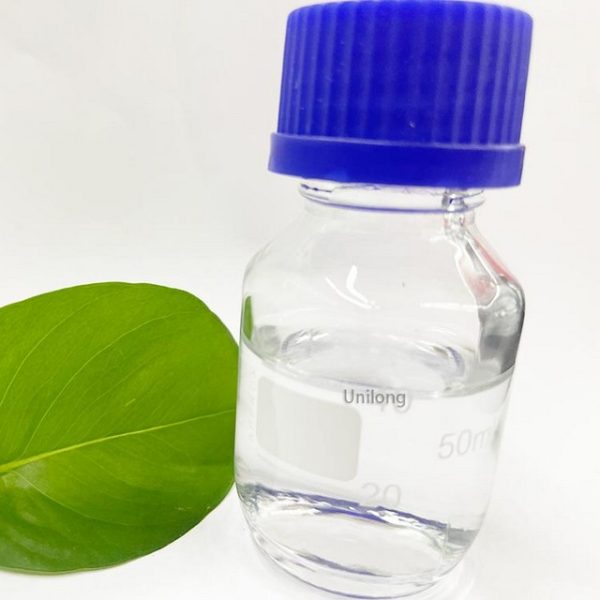
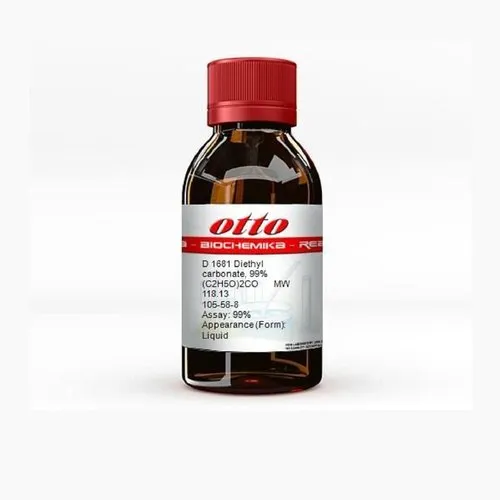
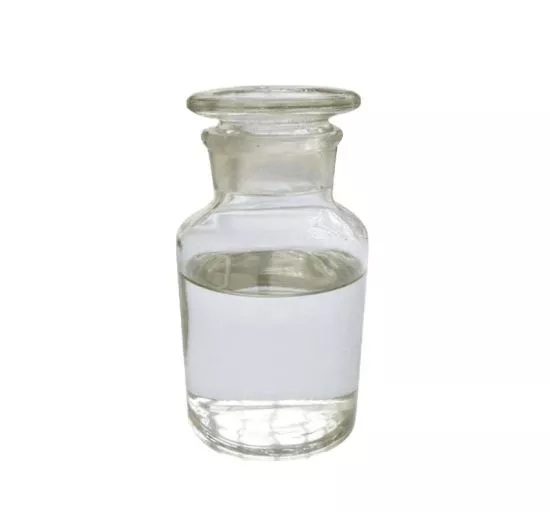
Diethyl carbonate (DEC) is an organic compound with the chemical formula (C2H5O)2CO, belonging to the class of organic carbonates. This clear, colorless liquid, with a mild, ethereal odor, might not be a household name, but it plays a crucial and increasingly vital role in various industrial applications, most notably as a key component in the electrolytes of lithium-ion batteries.
Chemical Identity and Properties
DEC is the diethyl ester of carbonic acid. Its unique molecular structure, featuring two ethyl groups attached to a carbonate core, grants it a range of desirable physical and chemical properties:
- Low Viscosity: This property is essential for efficient ion transport, particularly in battery applications.
- High Dielectric Constant: Facilitates the dissolution of various salts, including the lithium salts used in battery electrolytes.
- High Boiling Point (approx. 126 °C): Contributes to thermal stability and a wide operating temperature range.
- Low Melting Point (approx. -43 °C): Ensures it remains liquid and functional at low temperatures.
- Good Solvency: Makes it effective for dissolving a wide array of organic compounds, resins, and polymers.
- Relatively Low Toxicity: Compared to many other organic solvents, DEC is considered to have a more favorable toxicological profile.
- Biodegradable: Contributes to its appeal in environmentally conscious applications.
- Low Surface Tension: Allows for good wetting properties.
Synthesis and Production
Traditionally, diethyl carbonate could be synthesized by the phosgenation of ethanol. However, due to the high toxicity of phosgene, greener and safer production methods have been developed and are now widely adopted:
- Transesterification: This is a common route where dimethyl carbonate (DMC) reacts with ethanol to produce DEC, often catalyzed by a base or enzyme. This method is preferred due to its non-phosgene nature.
- Oxidative Carbonylation of Ethanol: A more environmentally friendly method involving the direct reaction of ethanol with carbon monoxide and oxygen, often in the presence of a catalyst. This route utilizes readily available and less hazardous raw materials.
Key Applications
Diethyl carbonate’s combination of excellent solvent properties, low toxicity, and thermal stability makes it indispensable in several sectors:
- Lithium-Ion Battery Electrolytes (Primary Application): DEC is a critical component in the electrolyte solutions for both primary (non-rechargeable) and secondary (rechargeable) lithium-ion batteries. It is typically blended with other organic carbonates like ethylene carbonate (EC), dimethyl carbonate (DMC), and ethyl methyl carbonate (EMC).
- Role: DEC contributes to the electrolyte’s overall low viscosity, enabling rapid diffusion of lithium ions between the anode and cathode during charge and discharge cycles. It also helps to dissolve the lithium salt (e.g., LiPF6) and forms a stable Solid Electrolyte Interphase (SEI) layer on the electrode surfaces, which is crucial for battery performance, safety, and longevity.
- Importance: With the booming demand for electric vehicles (EVs), portable electronics, and grid-scale energy storage, the demand for high-purity DEC is skyrocketing.
- General Solvent: Due to its good solvency for various organic compounds and its relatively low toxicity, DEC serves as a safe and effective solvent in numerous industrial processes. It can be used in:
- Coatings and Inks: As a solvent to dissolve resins and binders.
- Adhesives: To formulate various adhesive solutions.
- Chemical Reactions: As a reaction medium where its stability and non-reactivity with many common reagents are advantageous.
- Chemical Intermediate: DEC acts as a versatile building block in organic synthesis. It can be used in:
- Synthesis of Polycarbonates: While not the primary monomer for large-scale polycarbonates (which typically use bisphenol A), DEC can be used in specialized polycarbonate synthesis, often through non-phosgene routes.
- Pharmaceuticals and Agrochemicals: As a reagent for introducing carbonate groups or as a reactant in various synthesis pathways.
- Urethane Synthesis: As a precursor in some routes to urethanes.
- Green Chemistry Applications: Its role as a non-toxic alternative to phosgene in certain reactions and its biodegradability align well with the principles of green chemistry, promoting more sustainable industrial practices.
Safety and Environmental Considerations
Diethyl carbonate is generally considered to have low toxicity. However, like many organic solvents, it is flammable and can cause irritation to the skin, eyes, and respiratory tract upon exposure. Proper ventilation, personal protective equipment (PPE), and adherence to safety protocols are essential during handling and storage.
From an environmental standpoint, DEC is biodegradable, meaning it can be broken down naturally in the environment, reducing its persistence and impact.
Future Outlook
As the world transitions towards a more sustainable energy future, the demand for efficient and safe energy storage solutions will only grow. Diethyl carbonate, as a foundational component of lithium-ion battery electrolytes, is poised to remain a critical chemical in this evolution. Ongoing research continues to explore ways to optimize its performance in battery systems, improve its synthesis efficiency, and expand its applications in chemical synthesis, cementing its role as a versatile and indispensable compound.


Reviews
There are no reviews yet.