
Description
Diacetone Alcohol: Unpacking the Versatile Chemical Workhorse
In the vast landscape of industrial chemicals, some compounds quietly play a pivotal role, underpinning countless products we use daily. Diacetone Alcohol (DAA), often overlooked by the general public, is one such chemical workhorse. Known for its unique combination of properties, DAA serves as an indispensable solvent, coupling agent, and chemical intermediate across a diverse range of industries.
What is Diacetone Alcohol?
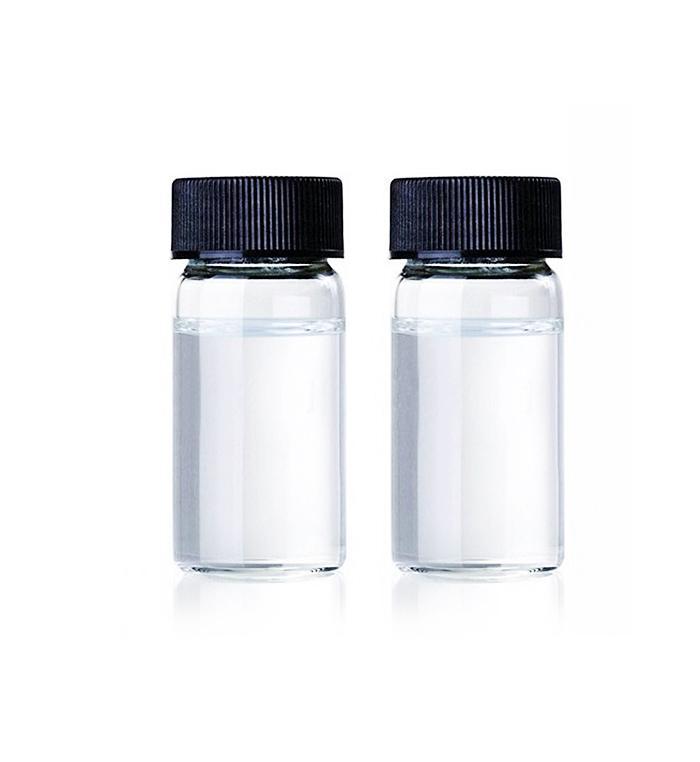
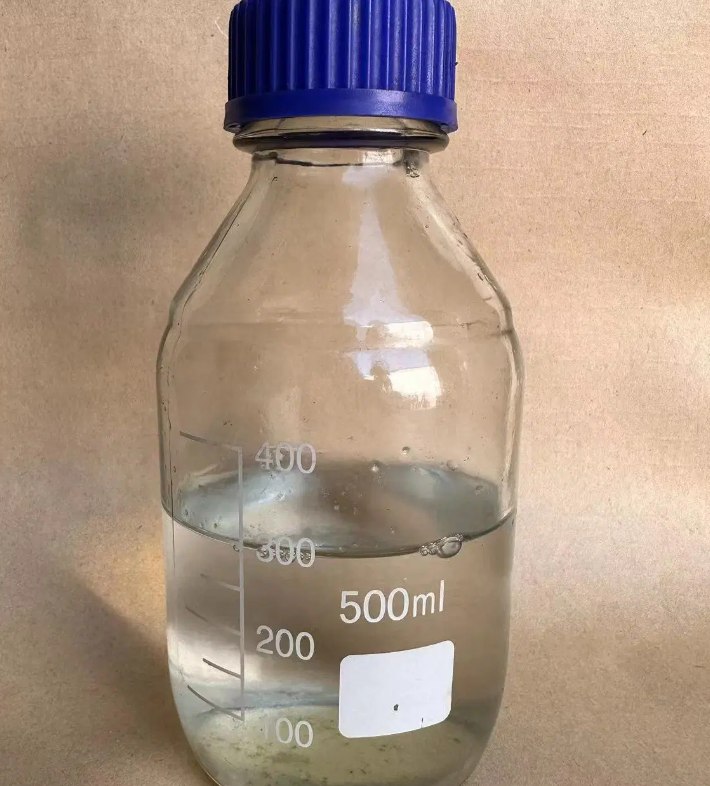
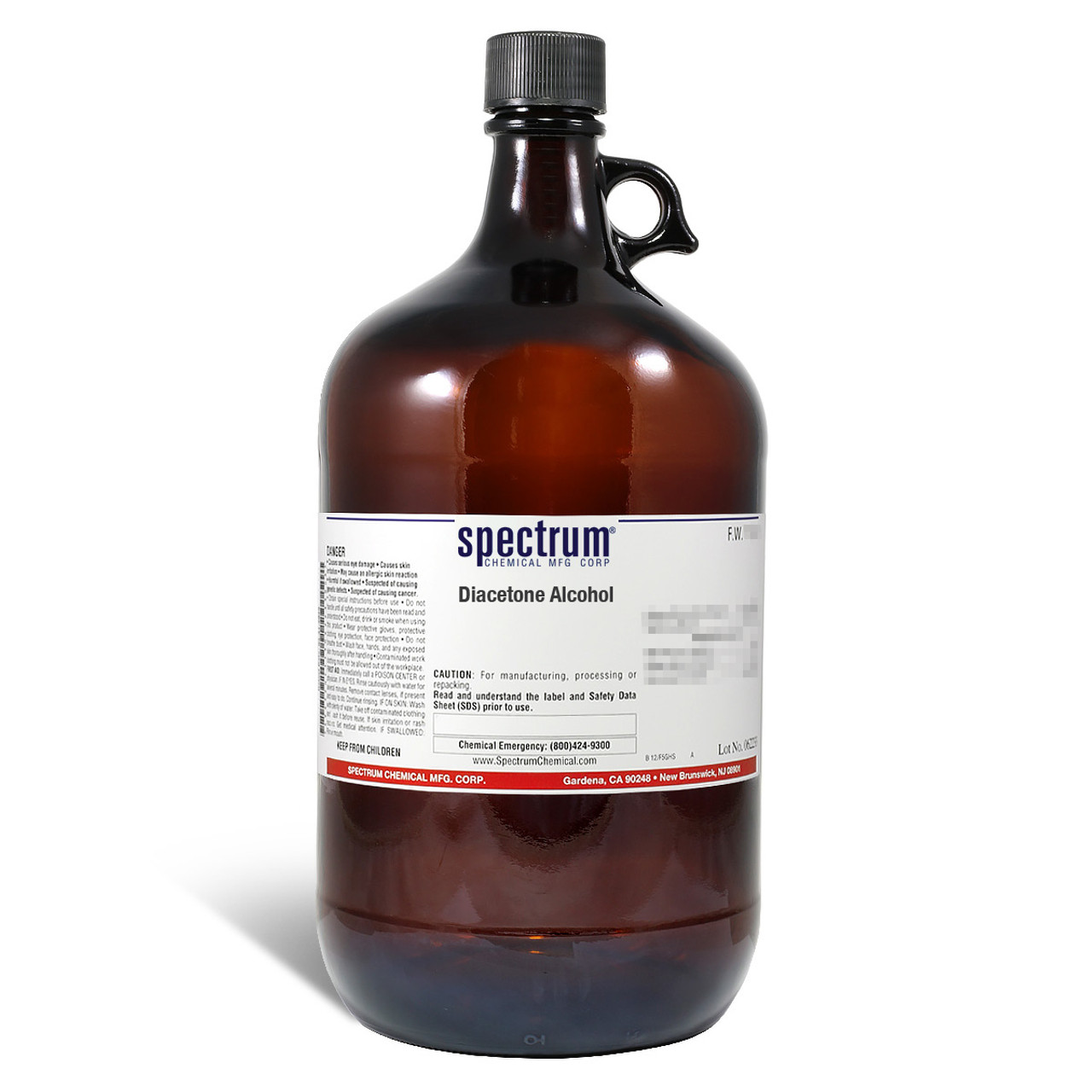
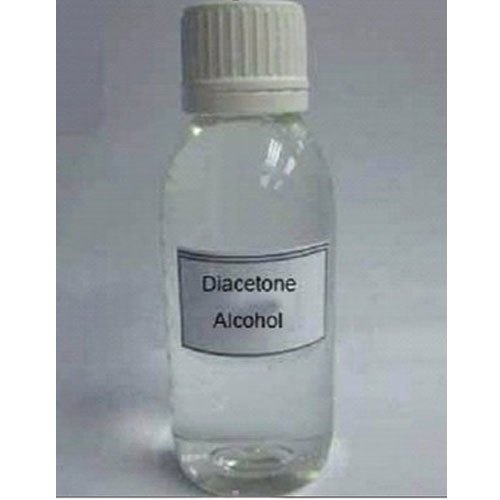
Diacetone Alcohol (DAA), with the chemical formula C6H12O2, is a colorless, transparent liquid with a mild, pleasant odor. Chemically, it’s a unique substance that features both a ketone and an alcohol functional group within the same molecule. This dual nature is key to its outstanding performance as a solvent. It is typically produced by the aldol condensation of two acetone molecules, followed by hydrogenation or by direct condensation from acetone.
Key Properties That Make It Stand Out
DAA’s versatility stems from its distinctive set of physical and chemical properties:
- Excellent Solvency: DAA is a powerful solvent for a wide array of natural and synthetic resins, including nitrocellulose, cellulose acetate, acrylics, epoxies, polyurethanes, and various oils and fats.
- Controlled Evaporation Rate: Unlike highly volatile solvents, DAA has a relatively slow evaporation rate. This allows for better flow and leveling of coatings, preventing defects like blushing or pinholes, particularly in humid conditions.
- Low Viscosity: It helps reduce the viscosity of formulations without significantly compromising their solid content, making them easier to apply.
- Mild Odor: Compared to many other industrial solvents, DAA has a much milder and less offensive odor, improving working conditions and product appeal.
- Low Toxicity Profile: While all chemicals require proper handling, DAA generally exhibits a lower toxicity profile compared to some other industrial solvents, contributing to its preferred status in many applications.
- Miscibility: It is completely miscible with most organic solvents and water, offering significant formulation flexibility.
Where is Diacetone Alcohol Used?
DAA’s unique properties translate into a broad spectrum of applications:
- Paints, Coatings, and Lacquers: This is arguably DAA’s largest application area. It’s used as a “retarder solvent” in nitrocellulose lacquers, epoxies, and acrylic coatings to improve film formation, enhance gloss, prevent blushing, and improve flow and leveling. Its slow evaporation rate is particularly beneficial in hot or humid climates.
- Cleaning Agents: DAA’s powerful solvency makes it an ideal component in various cleaning formulations, including industrial degreasers, metal cleaning solutions, and household cleaners, effectively removing oils, greases, and residues.
- Textile Industry: It functions as a solvent for dyes and printing pastes, ensuring even color application and improved penetration in textile printing and dyeing processes.
- Pharmaceutical and Cosmetic Formulations: Due to its low toxicity and good solvency, DAA is used in small quantities as a solvent in certain pharmaceutical preparations, cosmetic products (like nail polish removers), and personal care items.
- Hydraulic Fluids: It can be found in some specialized non-petroleum-based hydraulic fluid formulations.
- Wood Stains and Inks: DAA contributes to the desired penetration and drying characteristics in wood stains and certain printing inks.
- Chemical Intermediate: Beyond its solvent properties, DAA can also serve as a building block in the synthesis of other organic chemicals, including methyl isobutyl ketone (MIBK) and mesityl oxide.
Safety and Environmental Considerations
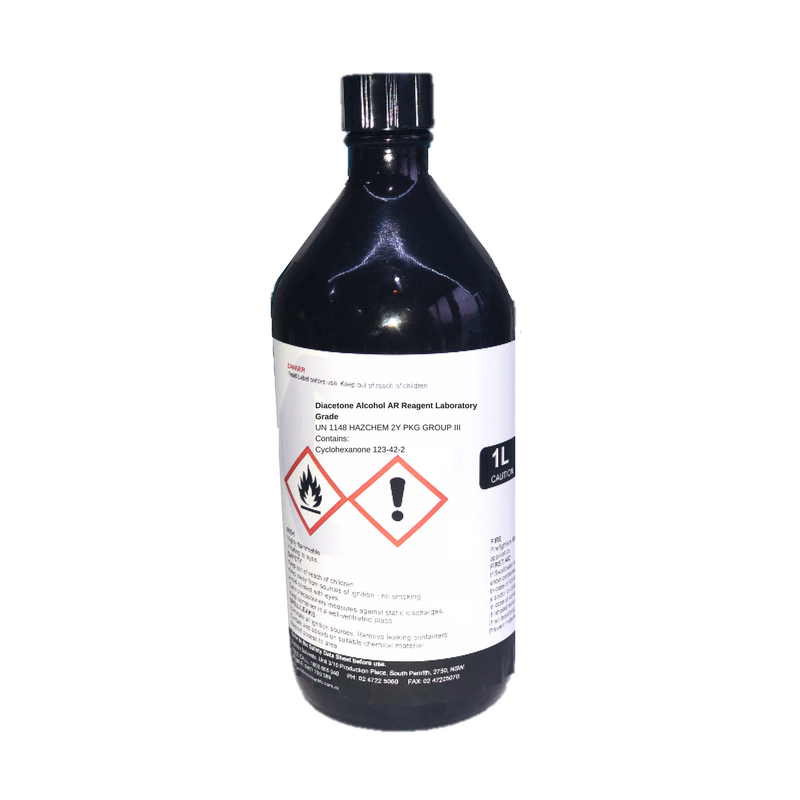
While DAA is considered to have a relatively low toxicity profile compared to many other industrial solvents, standard industrial hygiene practices should always be followed when handling it. This includes ensuring adequate ventilation, wearing appropriate personal protective equipment (PPE) like gloves and eye protection, and avoiding prolonged skin contact.
From an environmental perspective, DAA is readily biodegradable and does not persist in the environment. Its relatively low volatility also contributes to lower emissions compared to some other high-VOC (Volatile Organic Compound) solvents, aligning with modern environmental regulations and sustainability goals.
Conclusion
Diacetone Alcohol may not be a household name, but its quiet contributions are felt across numerous industries. Its unique combination of excellent solvency, controlled evaporation, mild odor, and favorable safety profile makes it an invaluable asset in the formulation of a wide array of products, from the coatings that protect our homes to the cleaners that keep our environments pristine. As industries continue to seek more efficient and environmentally responsible chemical solutions, DAA remains a testament to the power of versatile chemical design.


Reviews
There are no reviews yet.