
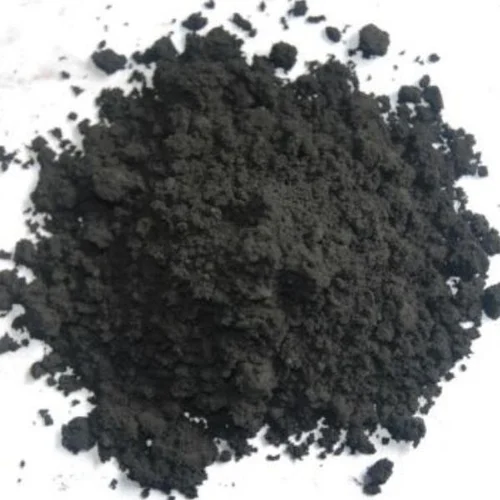
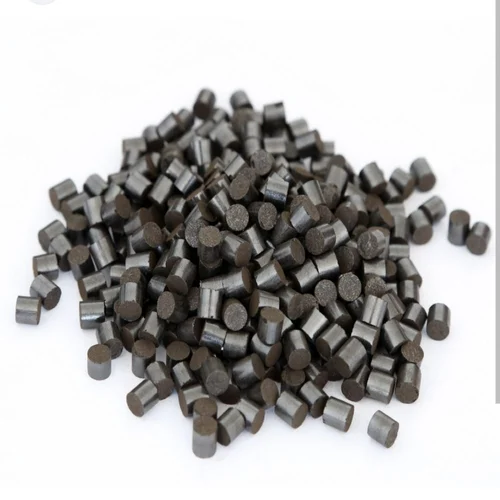
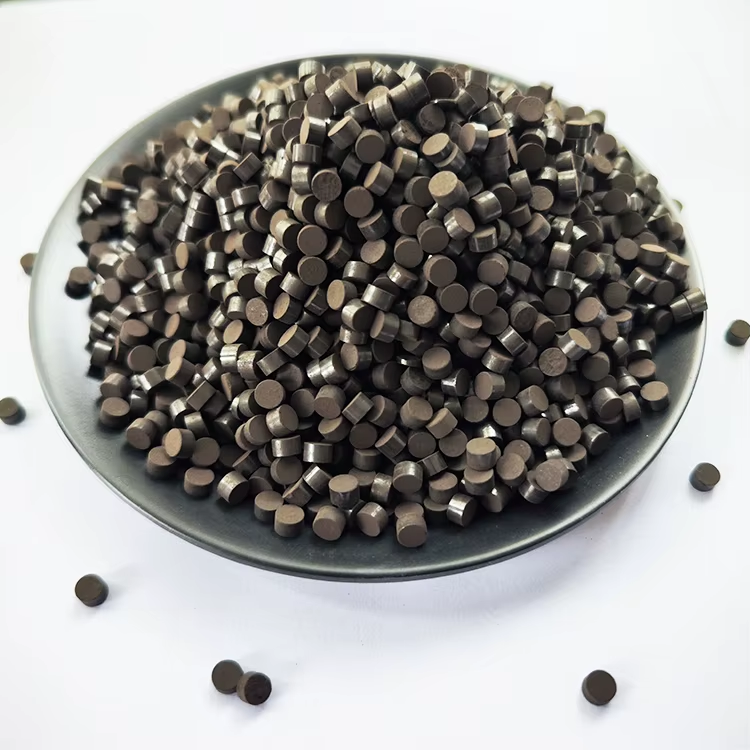
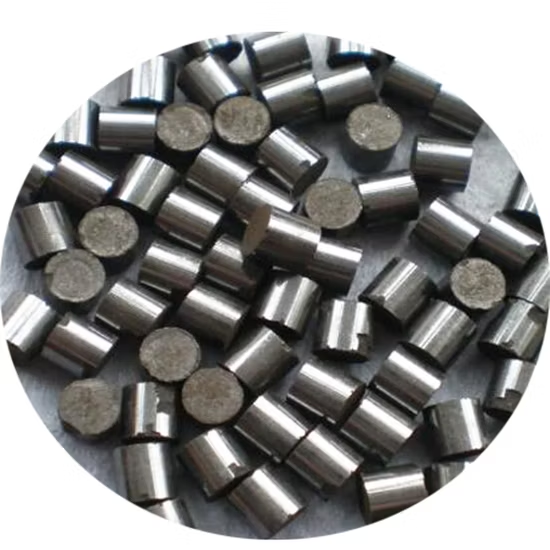
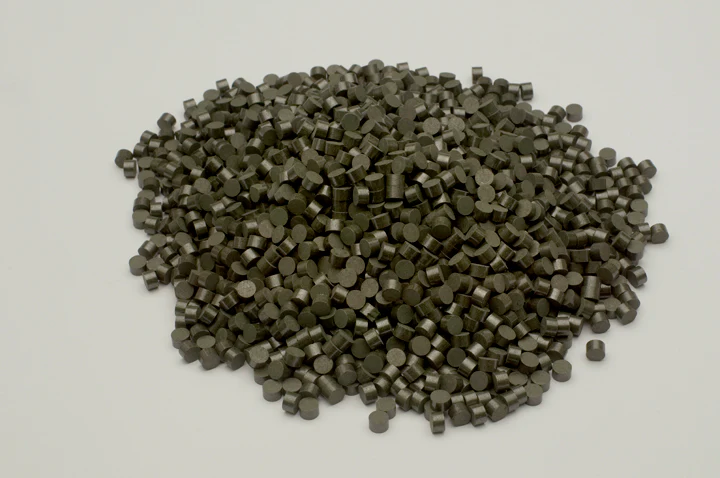
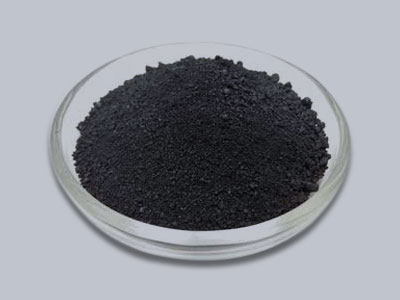
Description
Title: The Power of Copper-Tin Catalyst: A Revolution in Chemical Reactions
Introduction
In the world of chemical reactions, catalysts play a crucial role in increasing the rate of reactions and reducing energy consumption. Among various types of catalysts, the copper-tin (Cu-Sn) catalyst has gained significant attention due to its remarkable properties and wide range of applications. This article aims to shed light on the importance, benefits, and applications of the copper-tin catalyst.
Understanding Copper-Tin Catalyst
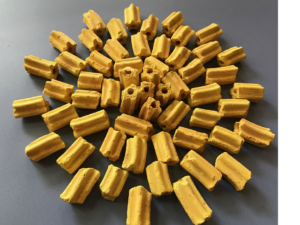
The copper-tin catalyst is a bimetallic catalyst made up of copper and tin. Both these metals, when combined, exhibit superior catalytic properties compared to when used separately. The synergistic effect of copper and tin enhances the catalytic activity, making the Cu-Sn catalyst an excellent choice for various chemical reactions.
Advantages of Copper-Tin Catalyst
- High Activity: The copper-tin catalyst exhibits high activity, which means it can accelerate the rate of chemical reactions significantly. This high activity is attributed to the unique structure of the catalyst, which provides multiple active sites for chemical reactions to occur.
- Selectivity: The copper-tin catalyst offers excellent selectivity, which is the ability to selectively produce a particular product in a chemical reaction. This selectivity is crucial in industrial applications where the production of specific products is desired.
- Stability: The copper-tin catalyst is highly stable, meaning it can withstand harsh conditions and maintain its activity over a long period. This stability is essential in industrial applications where the catalyst is exposed to high temperatures, pressures, and corrosive environments.
- Cost-Effective: The copper-tin catalyst is cost-effective as both copper and tin are abundant and inexpensive metals. Moreover, the catalyst can be reused multiple times, reducing the overall cost of the chemical process.
Applications of Copper-Tin Catalyst
- Hydrogenation Reactions: The copper-tin catalyst is widely used in hydrogenation reactions, where it facilitates the addition of hydrogen to unsaturated compounds. This reaction is crucial in the production of various chemicals, such as vegetable oils, fatty acids, and fine chemicals.
- Oxidation Reactions: The copper-tin catalyst is also used in oxidation reactions, where it facilitates the addition of oxygen to organic compounds. This reaction is essential in the production of various chemicals, such as alcohols, aldehydes, and ketones.
- Carbonylation Reactions: The copper-tin catalyst is used in carbonylation reactions, where it facilitates the addition of carbon monoxide to organic compounds. This reaction is crucial in the production of various chemicals, such as carboxylic acids, esters, and amides.
- Polymerization Reactions: The copper-tin catalyst is used in polymerization reactions, where it facilitates the formation of polymers. This reaction is essential in the production of various plastics, resins, and fibers.
Conclusion
The copper-tin catalyst is a powerful tool in chemical reactions, offering high activity, selectivity, stability, and cost-effectiveness. Its unique properties and wide range of applications make it an excellent choice for various industrial processes. By harnessing the power of the copper-tin catalyst, we can accelerate chemical reactions, reduce energy consumption, and produce chemicals more efficiently and sustainably. As we continue to explore the potential of this remarkable catalyst, we can anticipate exciting breakthroughs and innovations in the world of chemistry and beyond.

Reviews
There are no reviews yet.